How do Yamaha Motor India franchisees make money?
Franchisees earn primarily from selling new Yamaha two-wheelers at parent-set retail prices with a 7–11% gross margin. Secondary revenue comes from after-sales service labor, maintenance work, and the sale of genuine spare parts to existing customers. Extended warranties and insurance referrals provide auxiliary income. Revenue depends on vehicle allocation quotas from the parent company and territorial demand.
What is the Yamaha Motor India franchise cost?
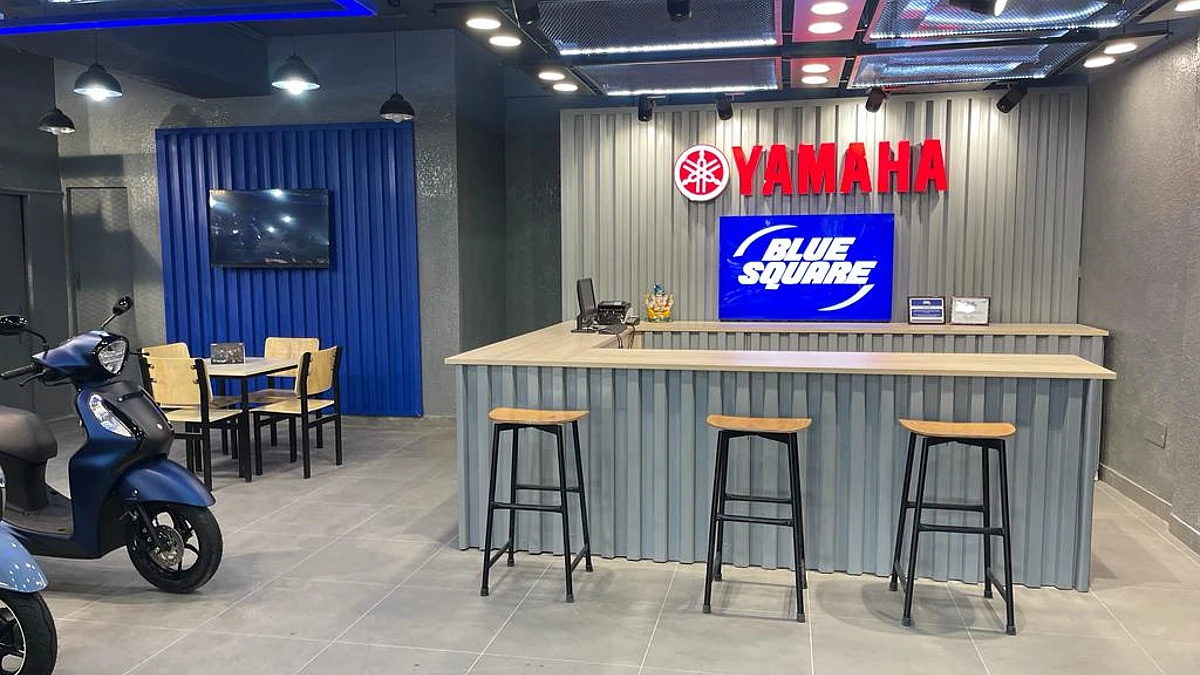
The minimum capital expenditure is ₹30 lakh for setting up a Blue Square Showroom. Franchise fee and ongoing royalty details are not publicly disclosed by Yamaha Motor India. Operating costs cover inventory holding, staff, showroom maintenance, and working capital for vehicle stock.
What revenue streams does a Yamaha Motor India franchisee have?
Primary: vehicle sales (motorcycles and scooters). Secondary: after-sales service, maintenance labor, and genuine spare parts sales. Tertiary: extended warranty and insurance product commissions. All revenue is tied to Yamaha's product portfolio and parent-controlled supply chain.
Is Yamaha Motor India franchise revenue seasonal or steady?
Revenue is moderately seasonal. Vehicle sales peak during festivals (Diwali, New Year) and summer months; monsoon and winter see softer demand. Service revenue from existing customers provides steadier cash flow but is a smaller portion of total revenue. Economic cycles and fuel prices also influence demand.
Is Yamaha Motor India actively franchising dealerships in 2024?
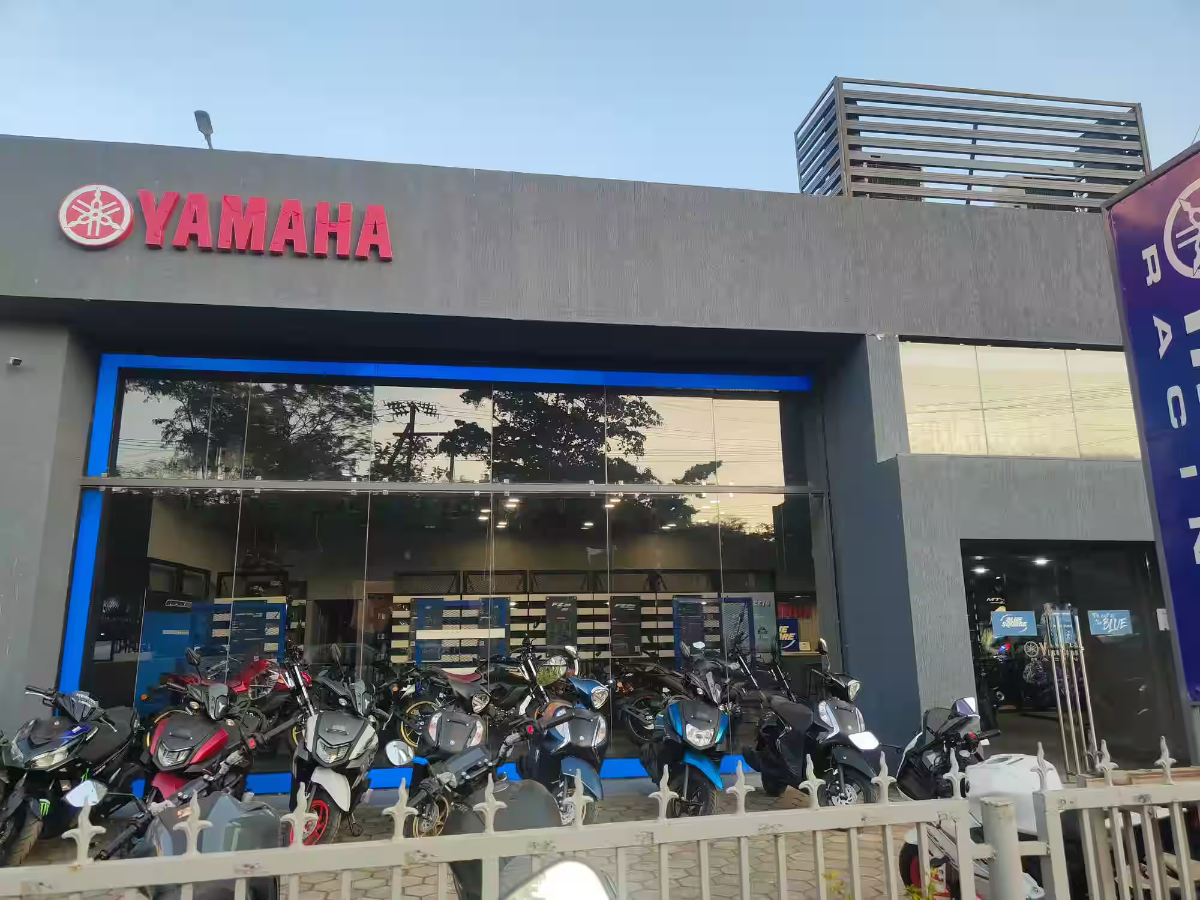
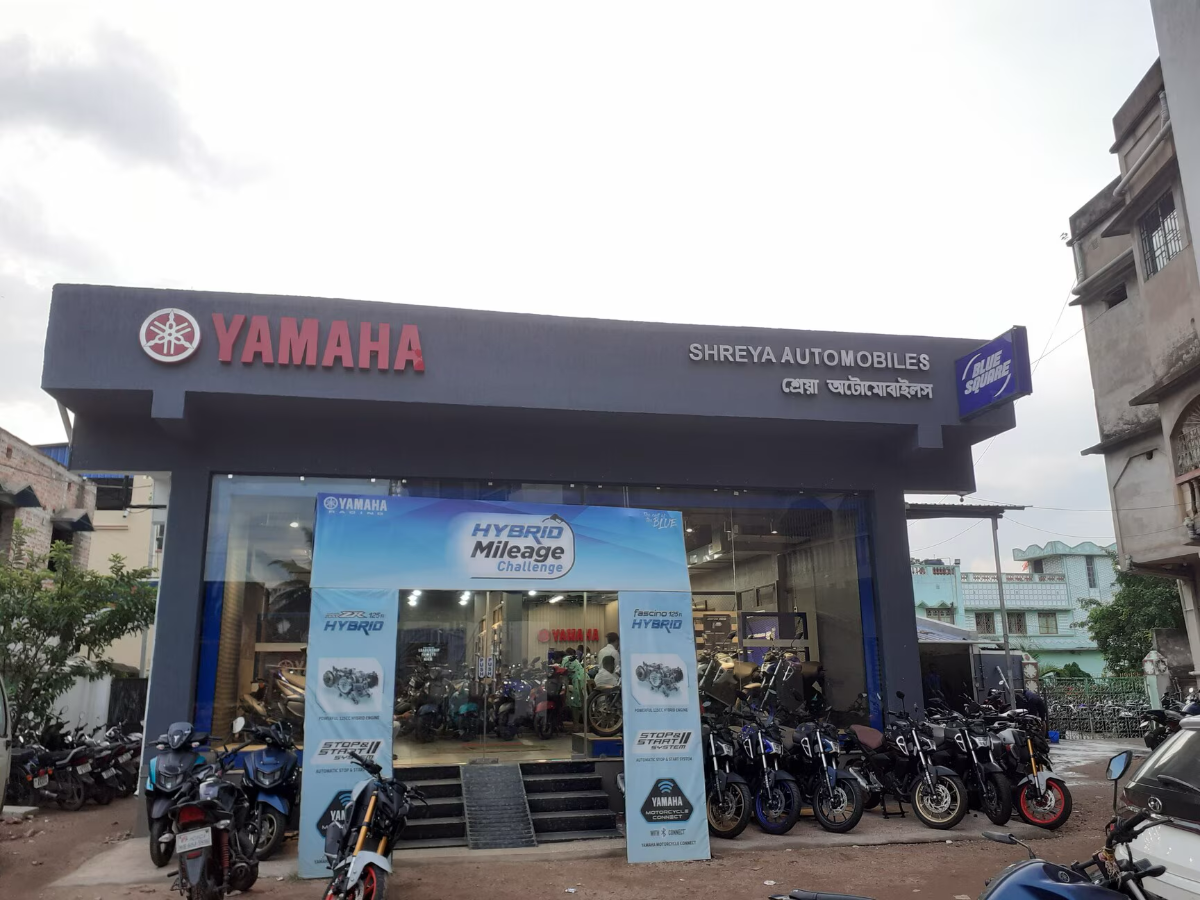
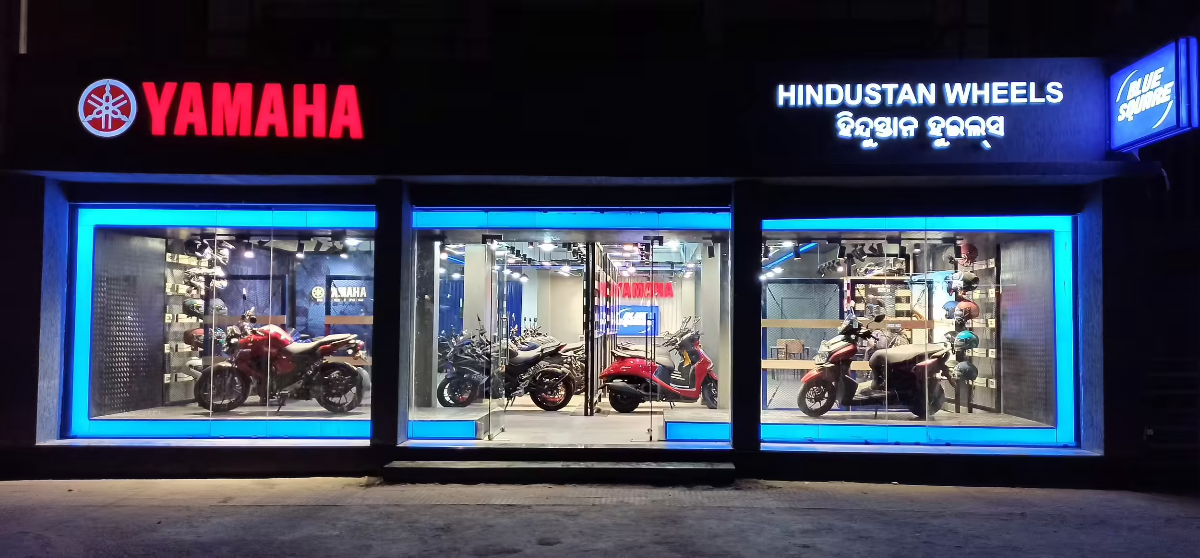
Yes, Yamaha Motor India operates an active dealership network with approximately 1,800 Blue Square Showrooms across India. The company continues to expand in Tier-1 and Tier-2 cities, leveraging its 1985-established presence and premium sport-segment positioning. Franchise opportunities remain available for qualified entrepreneurs in territories with demonstrated demand for performance motorcycles and premium scooters.
What is the total investment needed to open a Yamaha Motor India dealership?
The total investment for a Yamaha Motor India Blue Square Showroom is approximately ₹42 lakh, comprising ₹30 lakh in capital expenditure (showroom setup, equipment, signage) and ₹12 lakh in working capital for initial vehicle inventory and operational costs. This is the minimum requirement; actual investment may vary based on location, local real estate costs, and inventory turnover velocity in your territory.
Does Yamaha Motor India charge a franchise fee or royalty?
No, Yamaha Motor India charges zero franchise fee and zero royalty percentage. Franchisees avoid recurring royalty obligations, reducing the cost burden of ongoing operations. The company instead captures margin through vehicle wholesale pricing and a 2% marketing fund contribution from franchisees, making the dealership model asset-based rather than fee-dependent.
How much space is required for a Yamaha Motor India showroom?
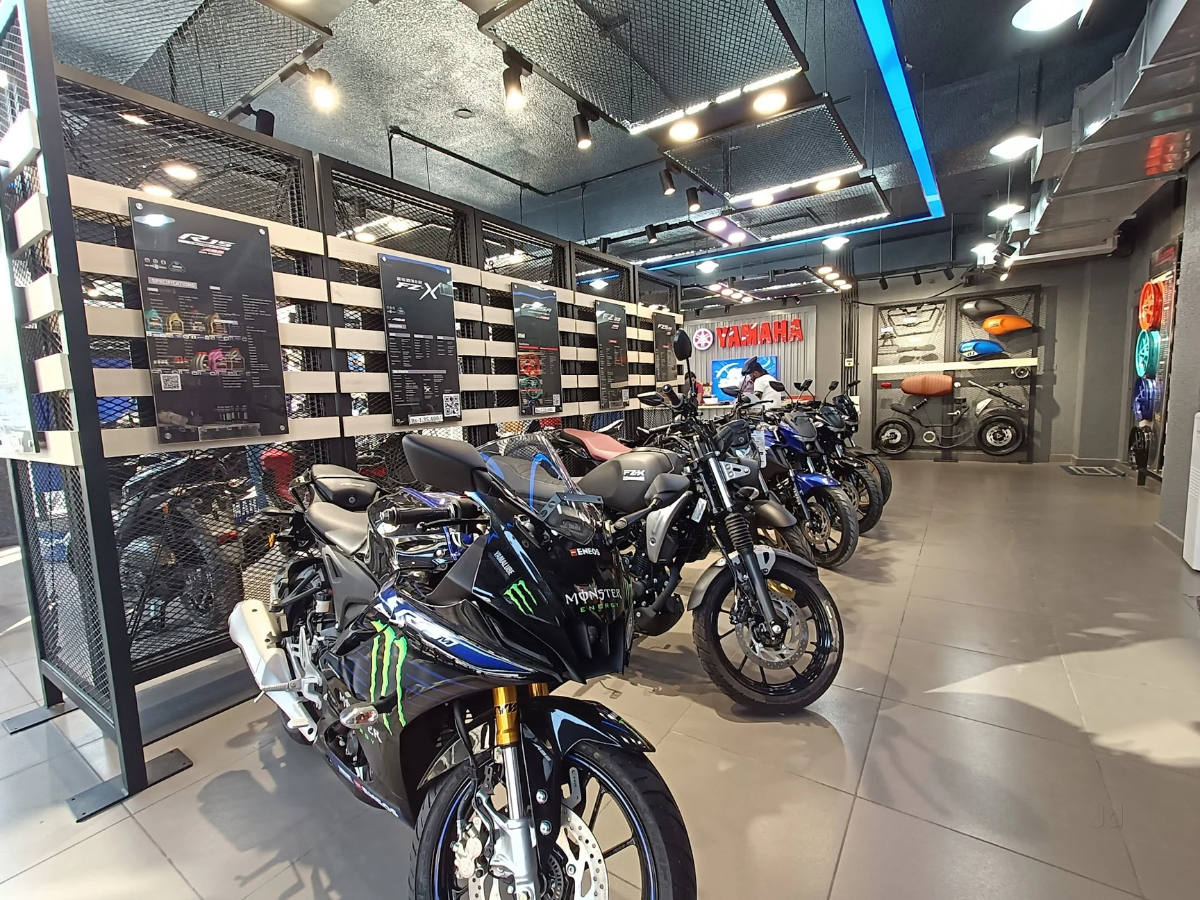
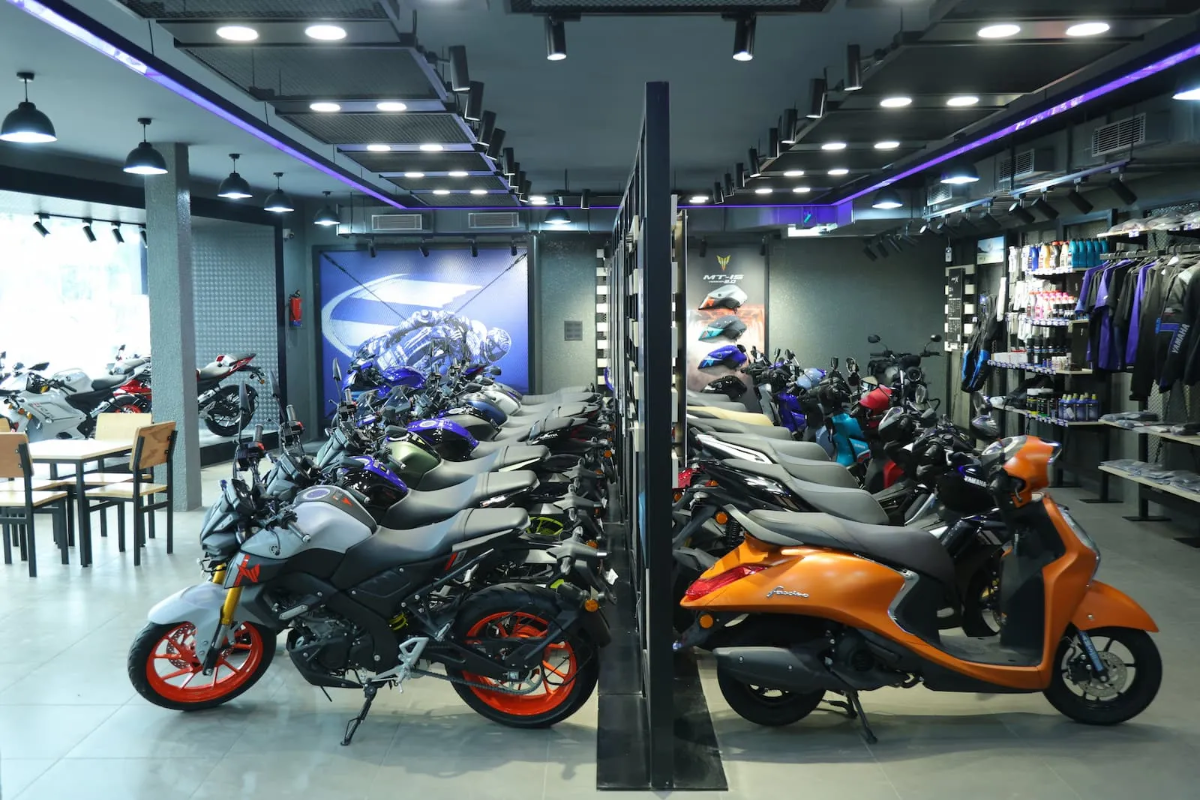
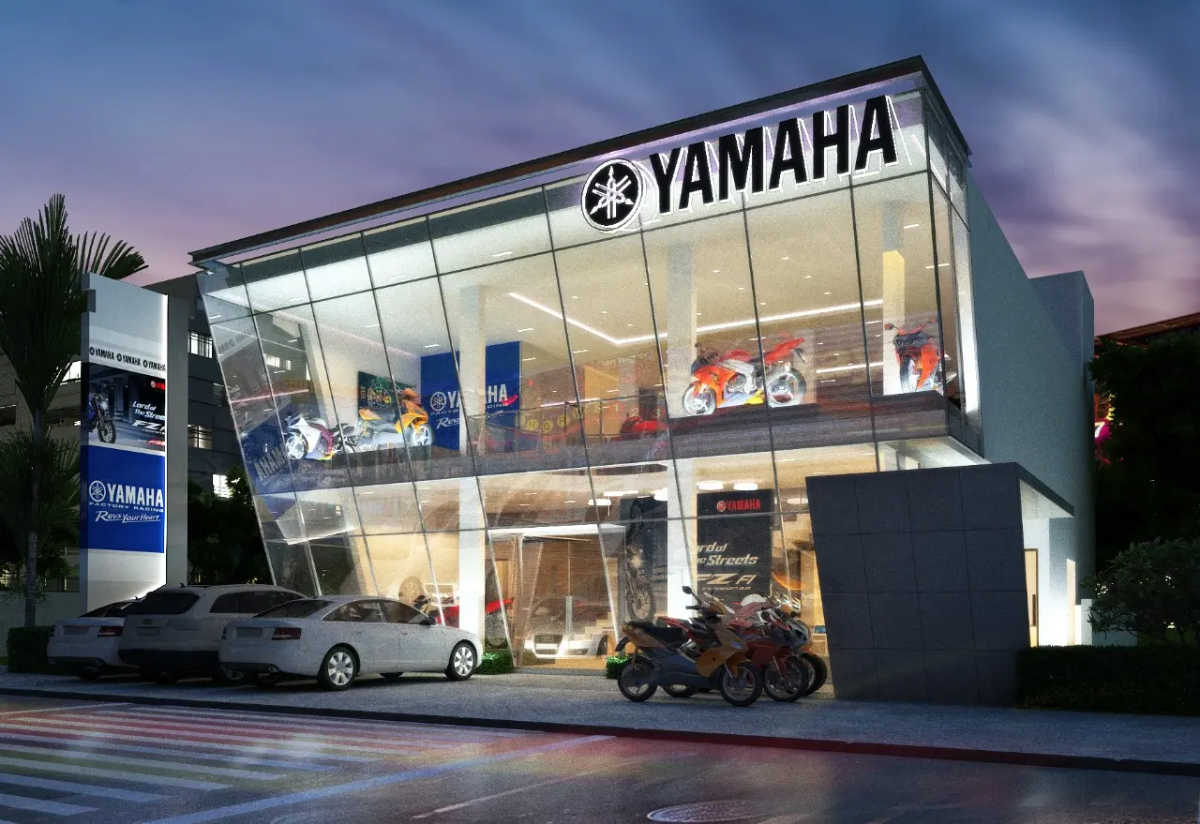
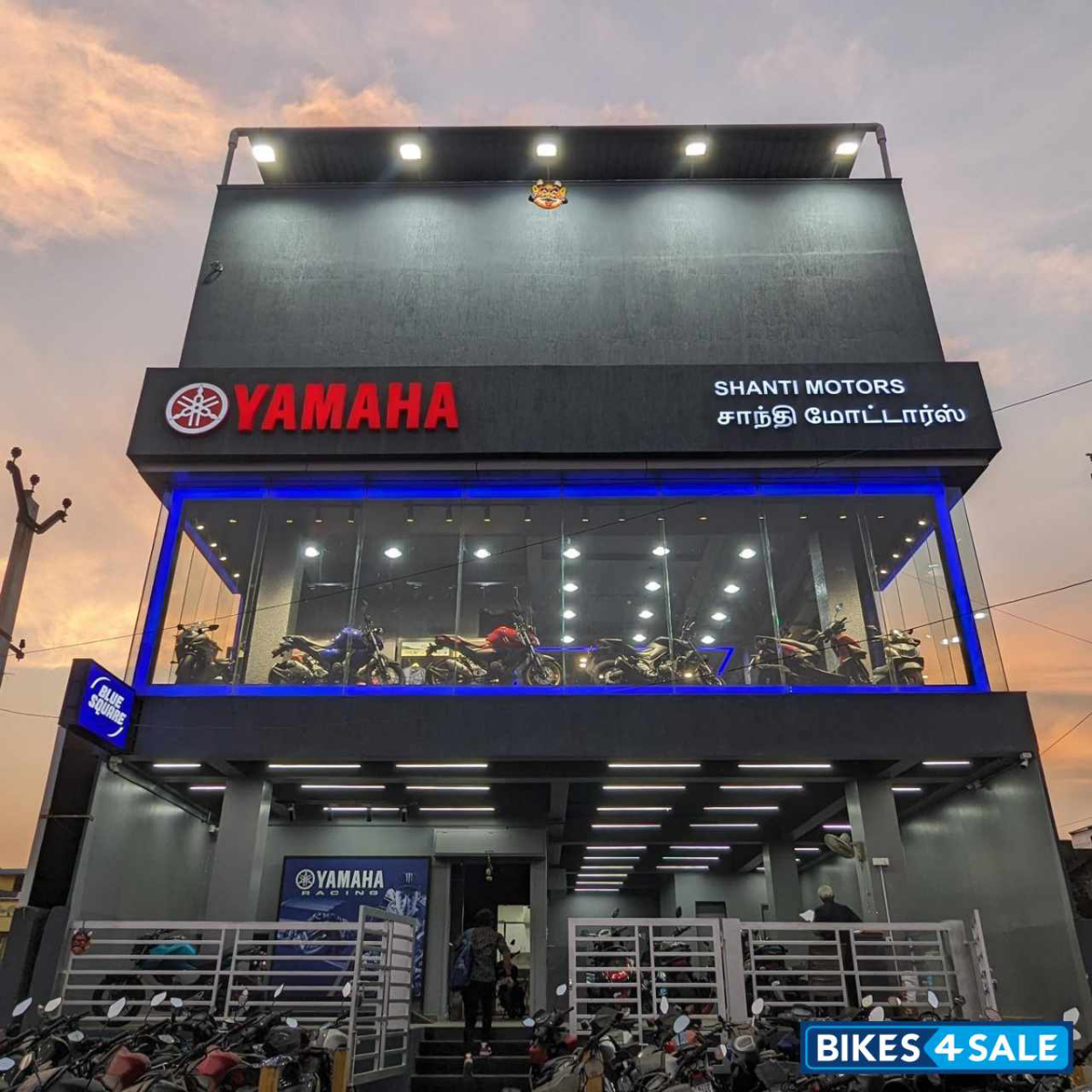
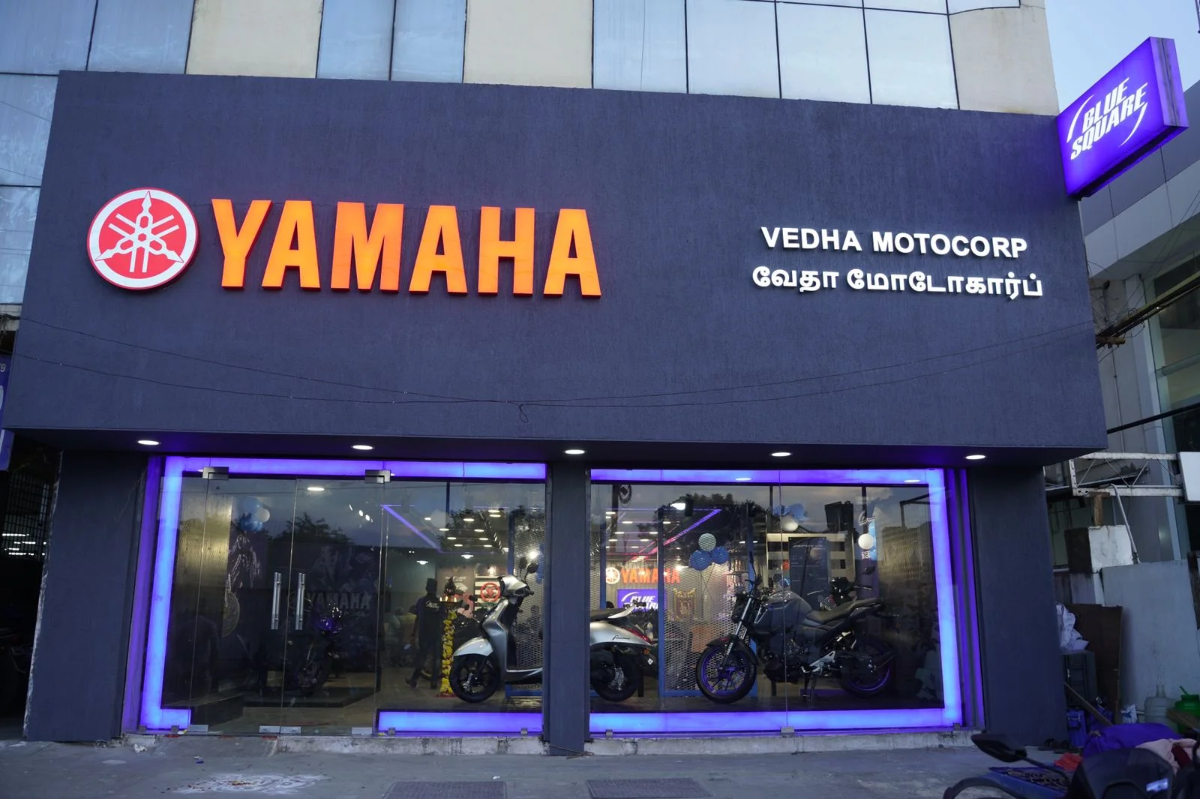
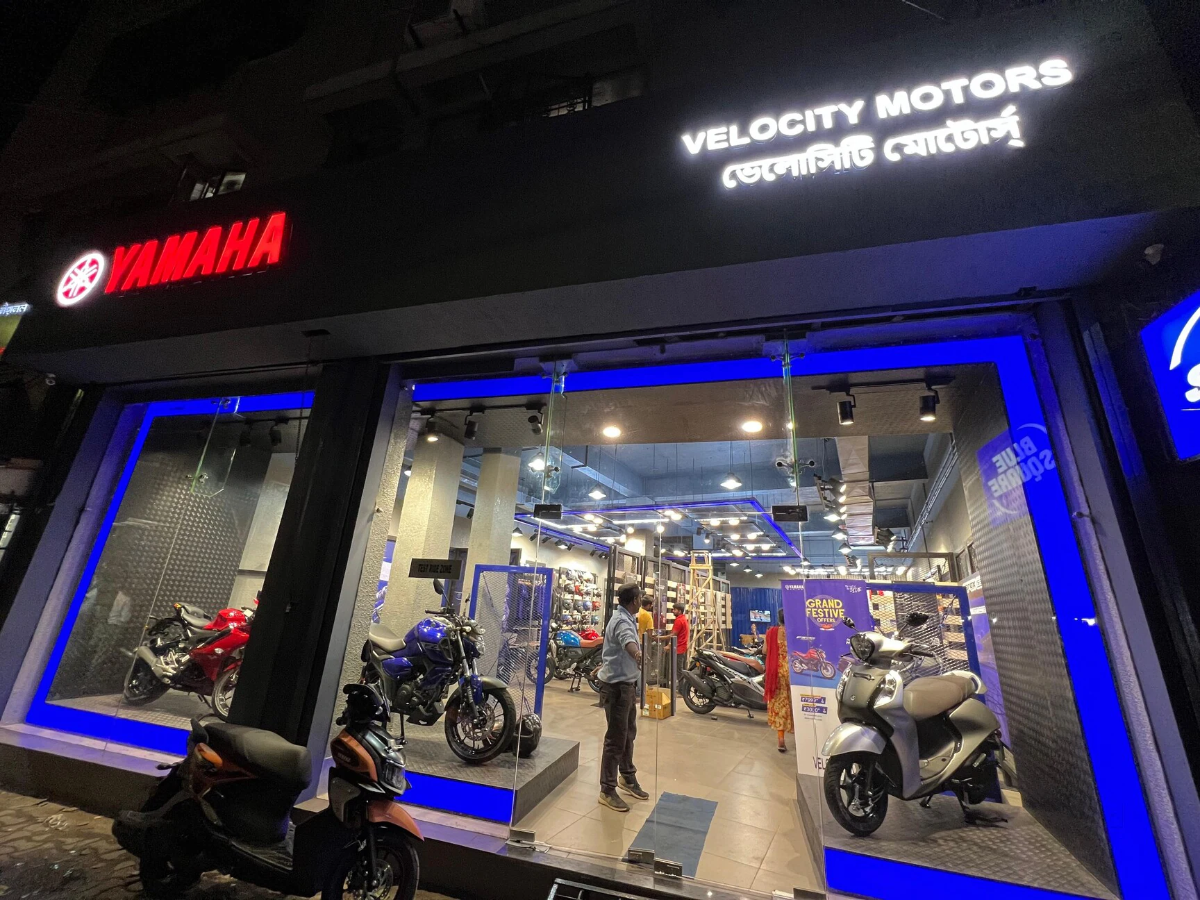
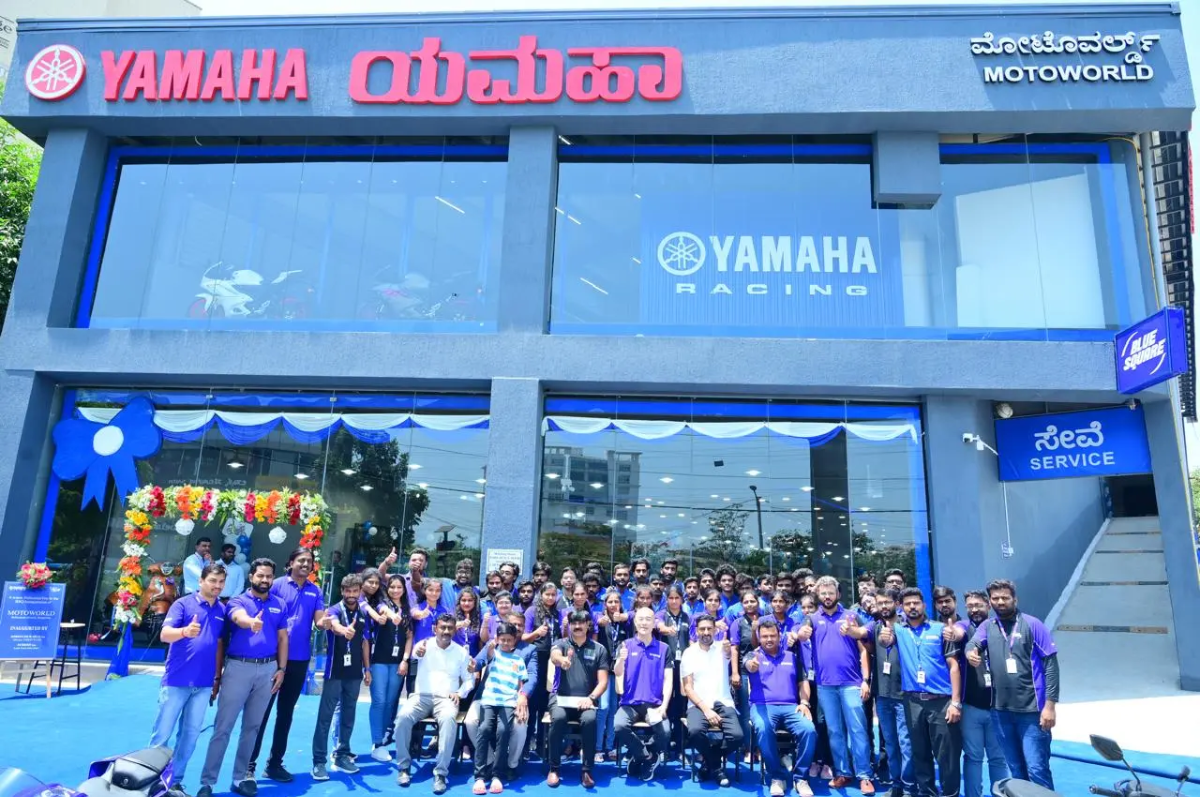
A Yamaha Motor India Blue Square Showroom requires a minimum of 2,500 square feet. This space accommodates vehicle display, a customer lounge, service bay access, spare parts storage, and administrative areas. The layout is designed to showcase Yamaha's premium two-wheeler portfolio (motorcycles and scooters) and support after-sales service delivery within the same facility.
What is the gross margin for a Yamaha Motor India dealership?
Yamaha Motor India franchisees capture a gross margin of 7–11% on vehicle sales. This margin is fixed by Yamaha and applies uniformly across the network; individual dealerships cannot negotiate wholesale pricing. Secondary margins from after-sales service labor and spare parts sales provide supplementary income, though vehicle sales remain the primary revenue driver.
How many Yamaha Motor India dealerships operate in India currently?
Yamaha Motor India operates approximately 1,800 Blue Square Showrooms across India as of the latest data. This extensive network spans Tier-1 and Tier-2 cities, reflecting the brand's sustained expansion since 1985. The network size provides scale in supply chain efficiency while maintaining exclusive territorial rights for individual franchisees.
What training does Yamaha Motor India provide to franchisees?
Yamaha Motor India provides 10 days of structured training covering vehicle product knowledge, sales techniques, service protocols, spare parts management, and customer service standards. Training equips franchisees and their staff to deliver the premium two-wheeler experience Yamaha positions in the market. Ongoing support and periodic refresher training are also available through the dealer network.
How hands-on must a Yamaha Motor India franchisee be in daily operations?
Yamaha Motor India franchisees must maintain high operational involvement given the dealership format requires active customer engagement, sales management, and service quality oversight. The owner-involvement level is rated as high (H), meaning personal presence and decision-making are essential to inventory management, staff supervision, and customer relationship building—this is not a passive investment model.
What is the agreement tenure for a Yamaha Motor India franchise?
Yamaha Motor India franchise agreements have a 5-year expiry policy. This tenure allows franchisees sufficient time to establish operations, build customer loyalty, and achieve sustainable cash flow. Renewal terms and conditions are negotiated at expiry based on performance metrics and territory dynamics, though specific renewal policies are not disclosed publicly.
What are the minimum staffing requirements for a Yamaha Motor India dealership?
A Yamaha Motor India Blue Square Showroom requires a minimum of 6 staff members to operate effectively. This typically includes sales executives, service technicians, parts staff, and administrative personnel. Staffing levels may scale upward based on territory size, traffic volume, and service demand, but 6 is the baseline for covering showroom hours and service delivery.
Does a Yamaha Motor India dealership require a licensed professional to operate?
No, a Yamaha Motor India dealership does not require a licensed professional (such as a technician or engineer license) to own or manage the outlet. However, your service team must be trained in Yamaha service protocols, and depending on your state, workshop staff may need basic automotive certifications. Operational and sales responsibilities fall on the dealer management rather than professional licensing requirements.
What product portfolio does Yamaha Motor India offer through its dealerships?
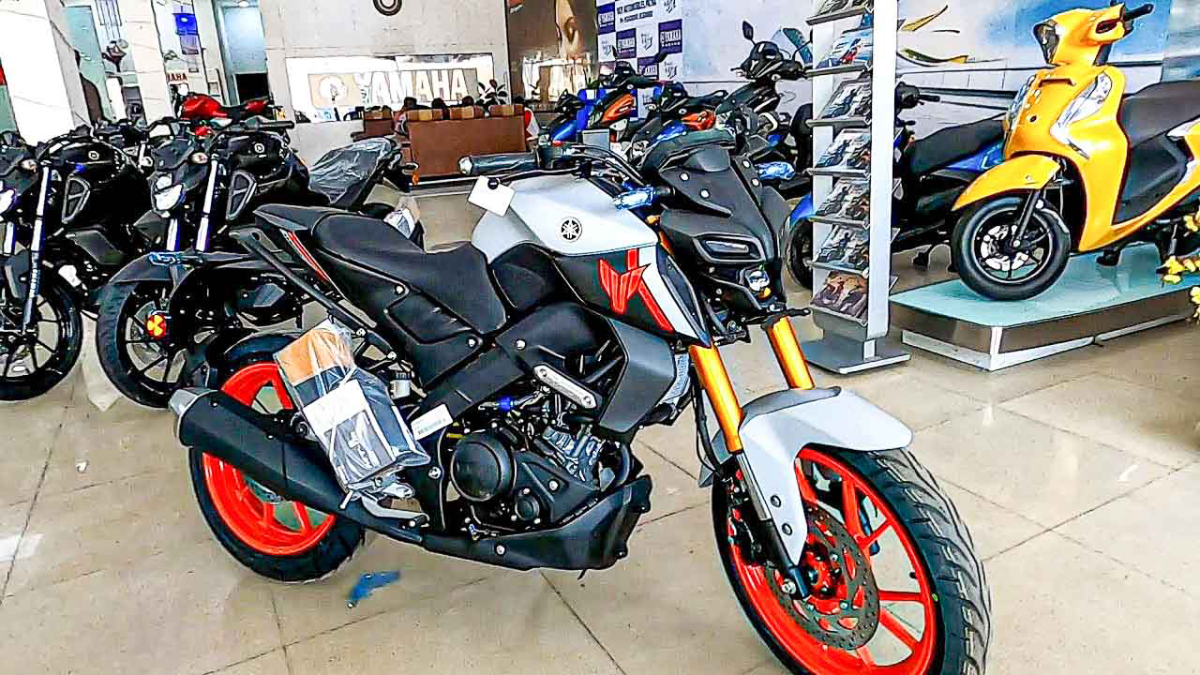
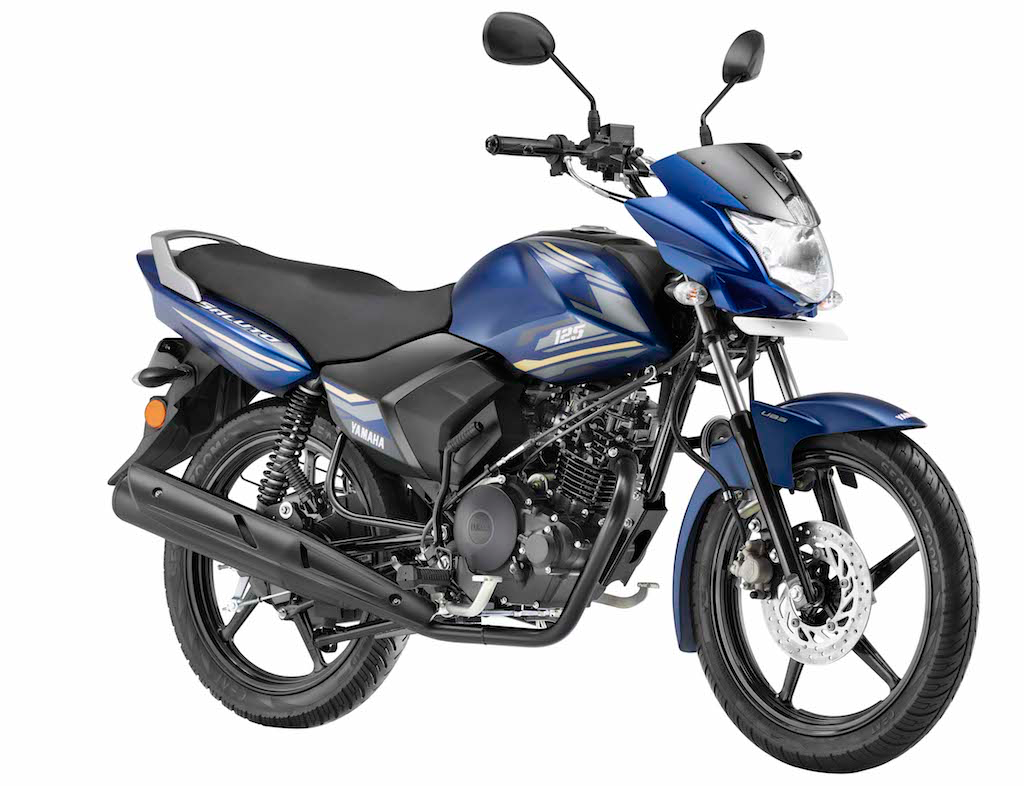
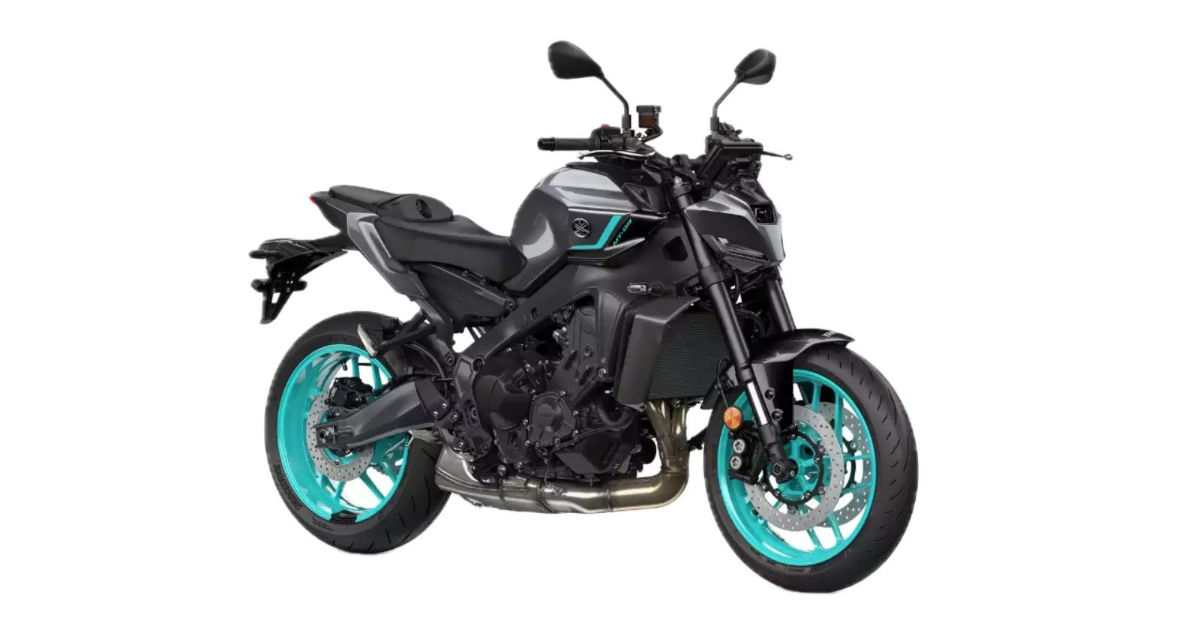
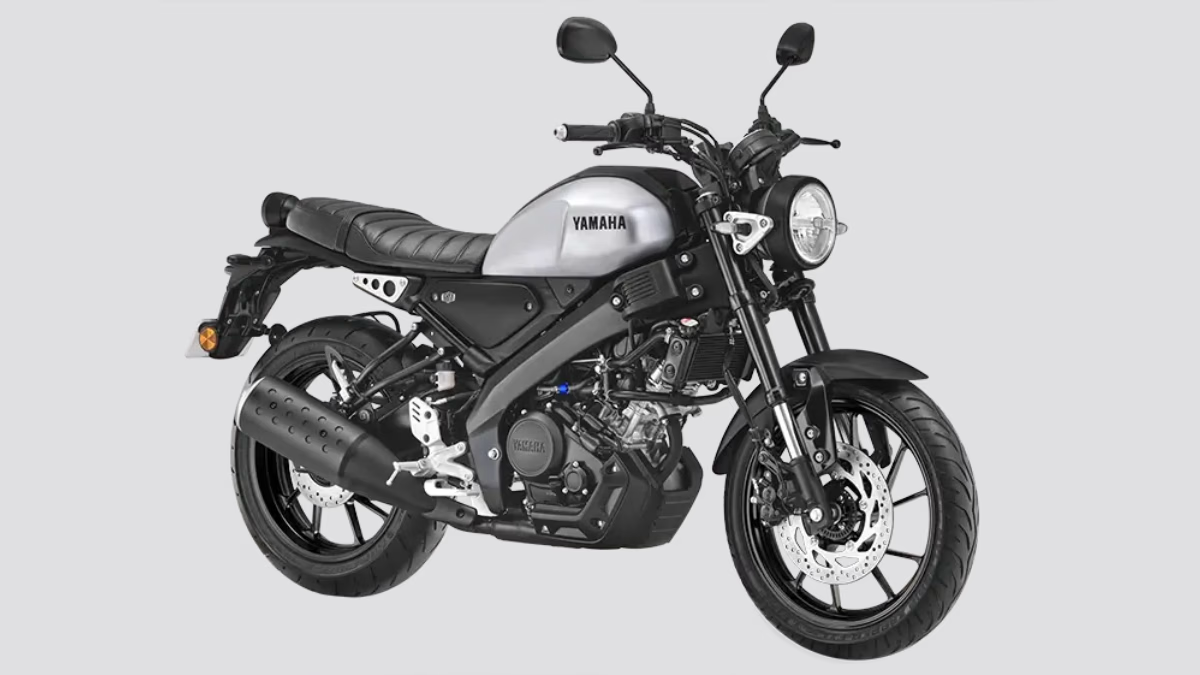
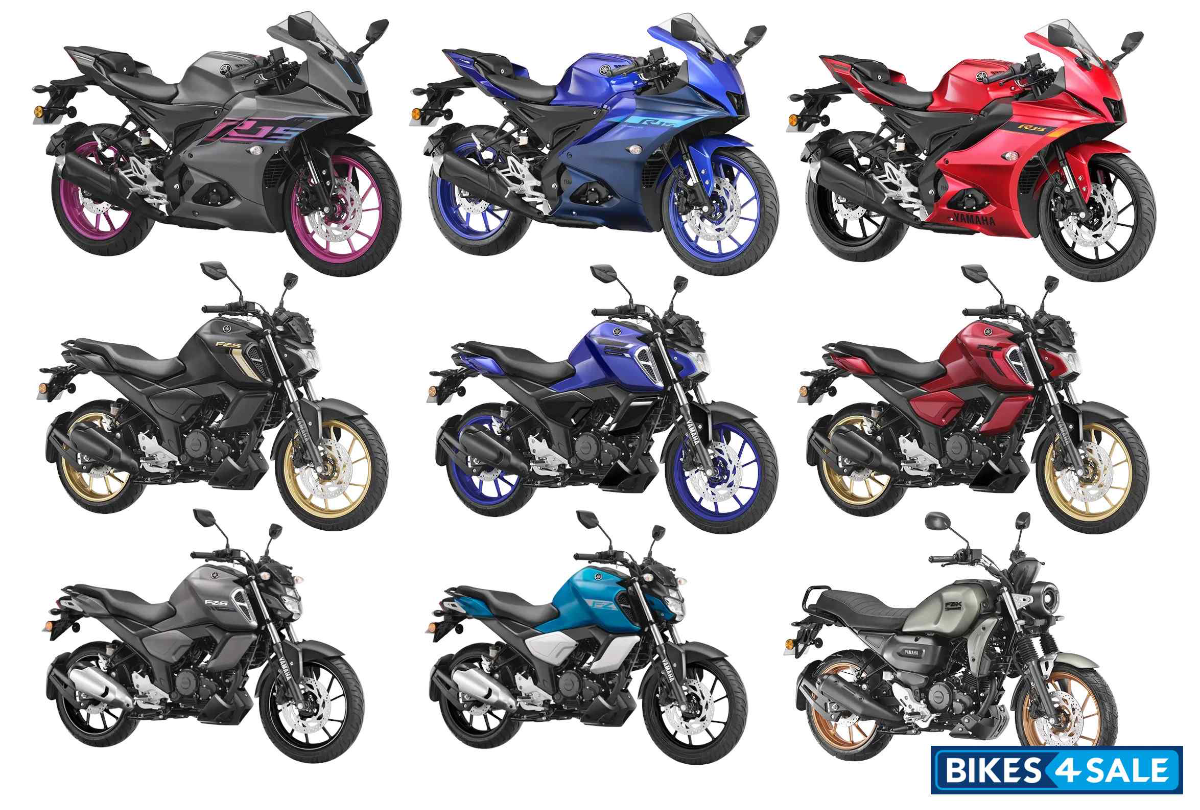
Yamaha Motor India focuses on performance motorcycles (FZ, R15, MT-15 series) and premium scooters (Fascino, RayZr). The brand specializes in internal combustion engine (ICE) two-wheelers positioned in the premium-sport segment, sidestepping the volume-driven, low-margin commuter bike category. As of now, Yamaha's electric two-wheeler portfolio in India remains limited, so dealerships primarily sell ICE models.