How do Bajaj Chetak franchisees make money?
Franchisees earn from vehicle sales at a 3-6% gross margin per Chetak unit sold, supplemented by aftermarket spare parts sales and service labor charges. Revenue is tied to retail demand in the franchisee's territory and the size of their installed customer base over time.
What is the Bajaj Chetak franchise cost?
Minimum capex is ₹25 lakhs (rising to ₹30 lakhs including spare parts inventory). Franchise fee is ₹5 lakhs. There is no ongoing royalty. Total initial investment is approximately ₹30-35 lakhs plus working capital.
What revenue streams does a Bajaj Chetak franchisee have?
Vehicle sales (primary), spare parts sales (secondary), and service labor (tertiary). The franchisee does not earn from other Bajaj automotive brands or business units; Chetak is the sole product line under this franchise contract.
Is Bajaj Chetak franchise revenue seasonal or steady?
Demand follows typical two-wheeler seasonality—festivals and good-weather months drive higher sales; monsoon and winter can be softer. EV adoption is still ramping, and government subsidy cycles also influence customer purchase timing. Revenue is moderately volatile.
Is Bajaj Chetak actively franchising in India, or is it limited to existing dealers?
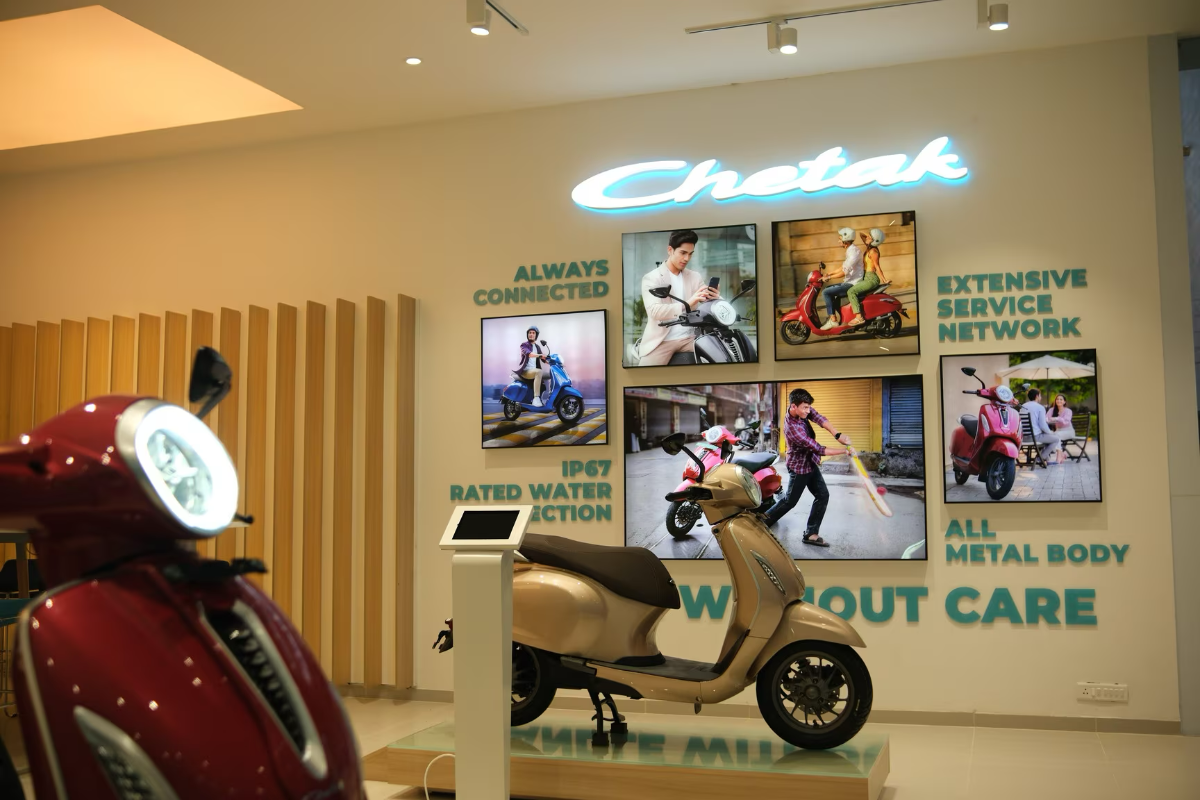
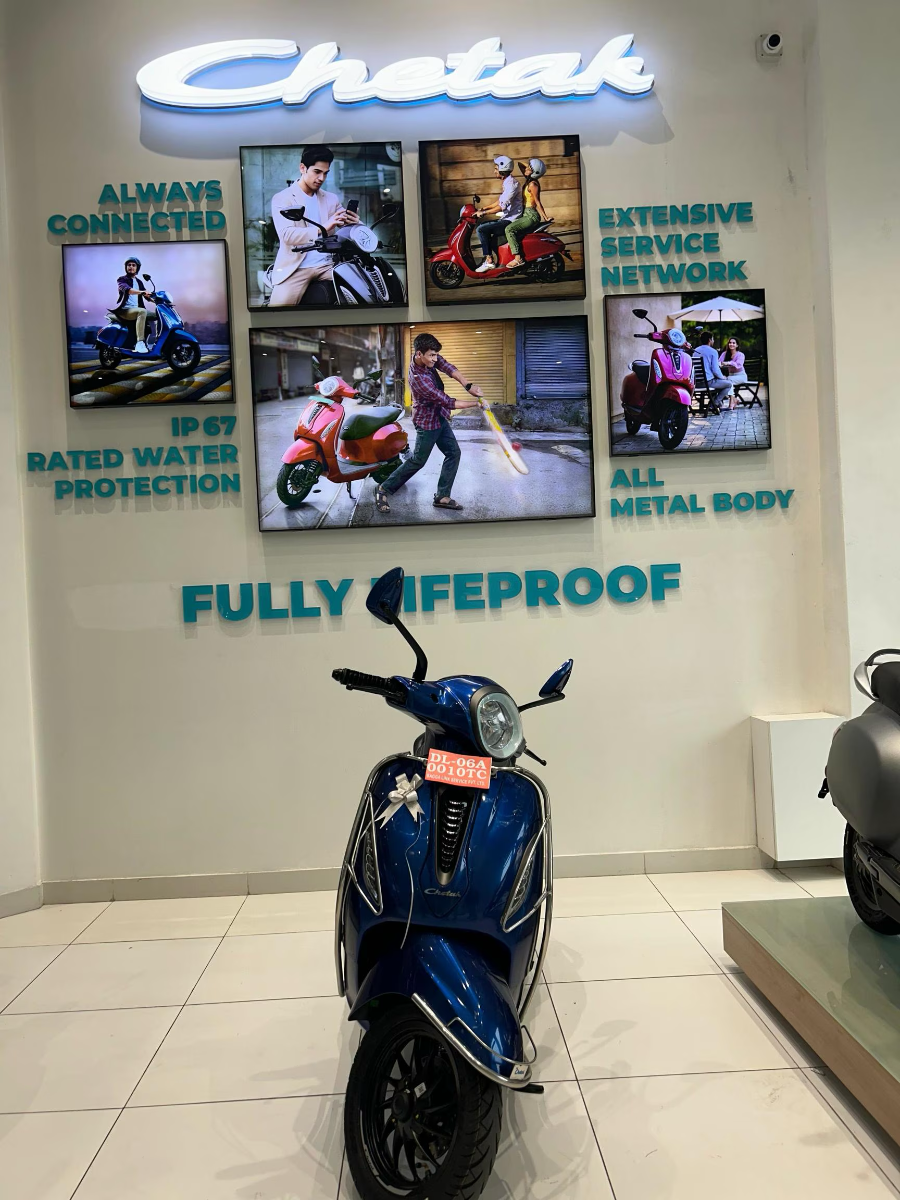
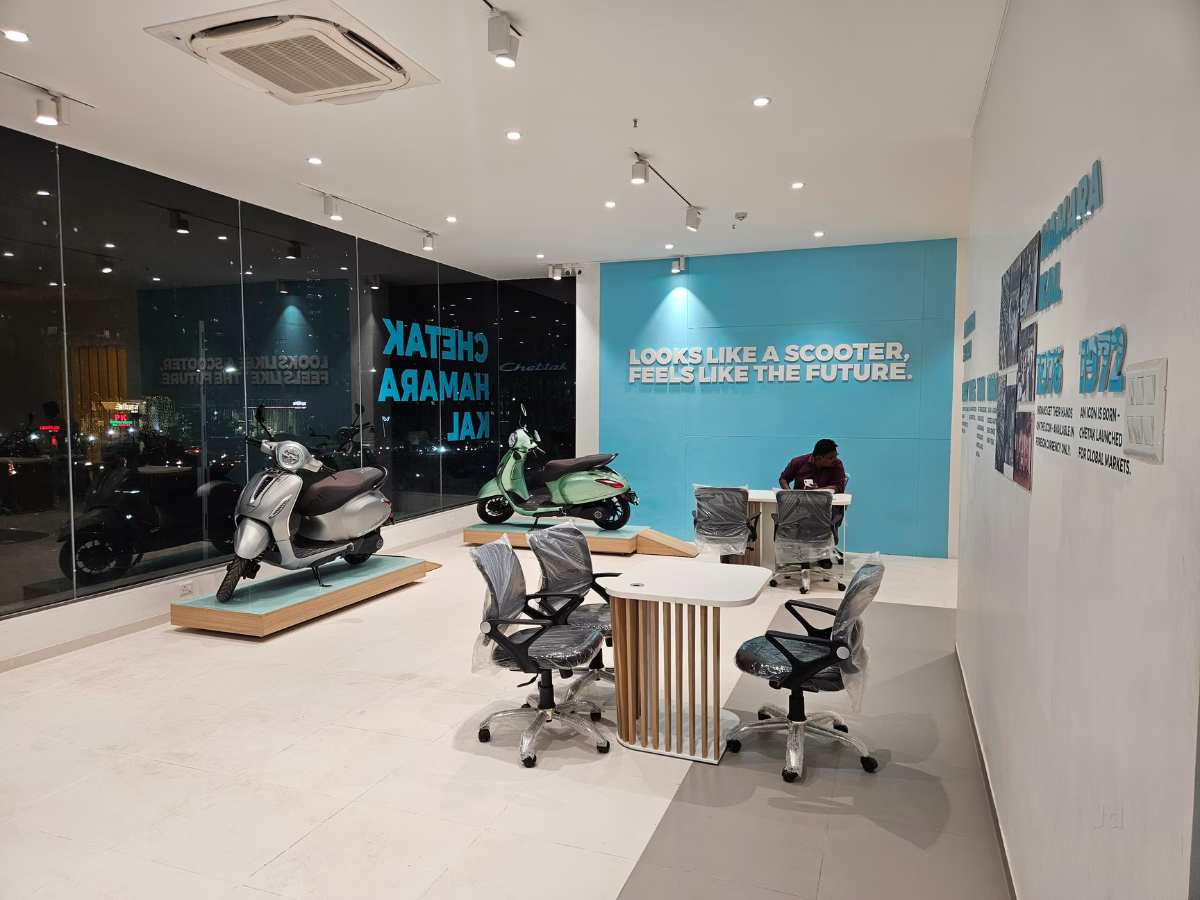
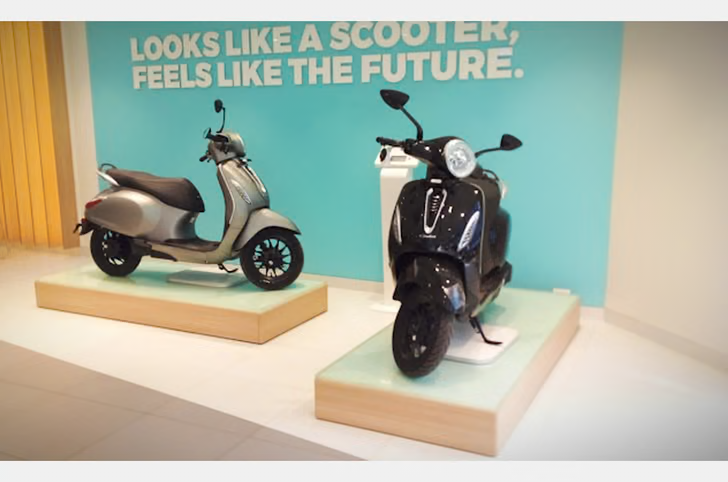
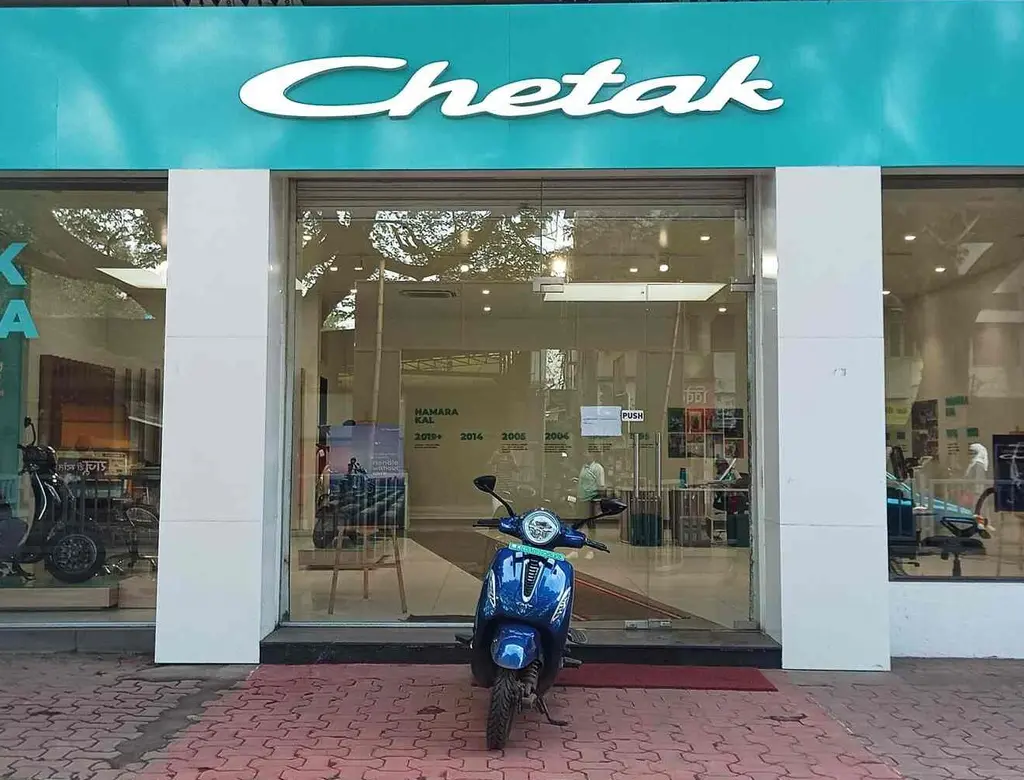
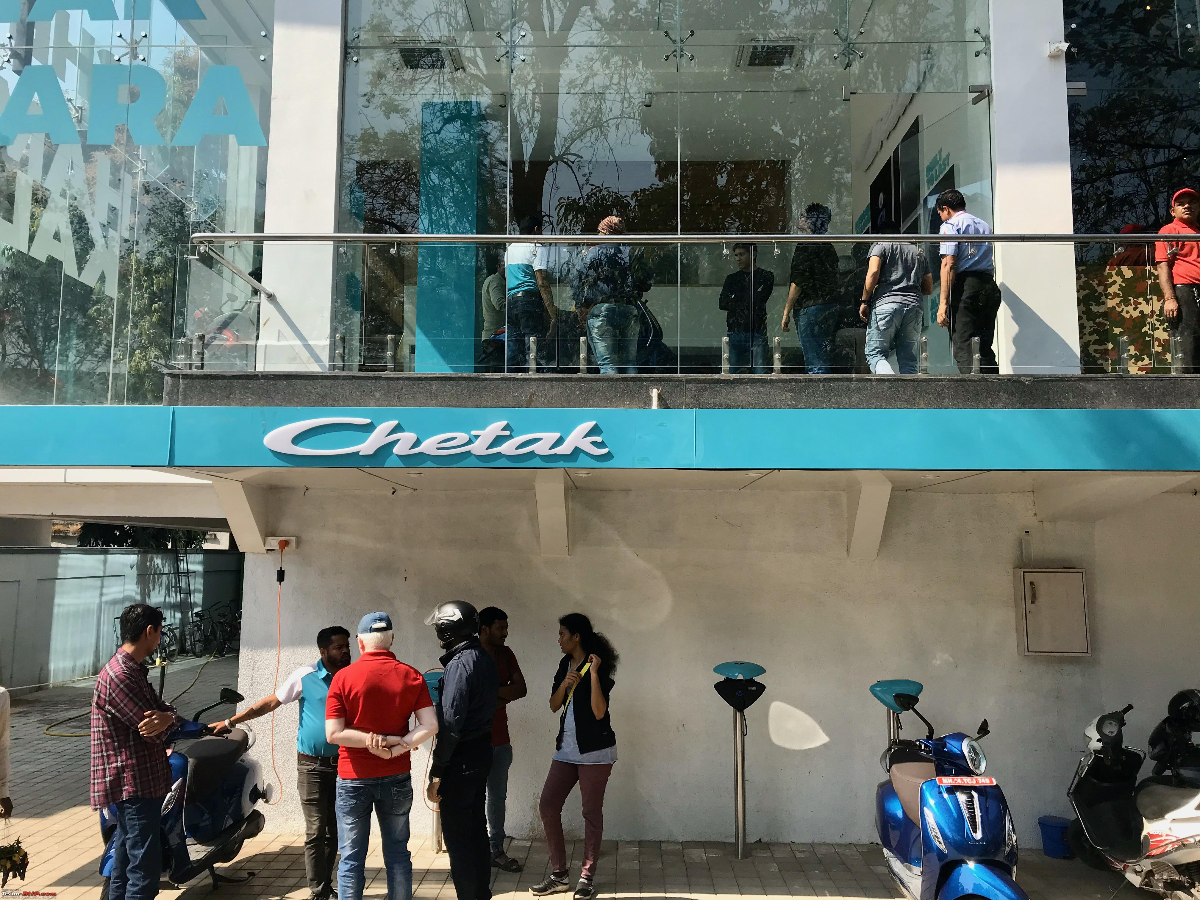
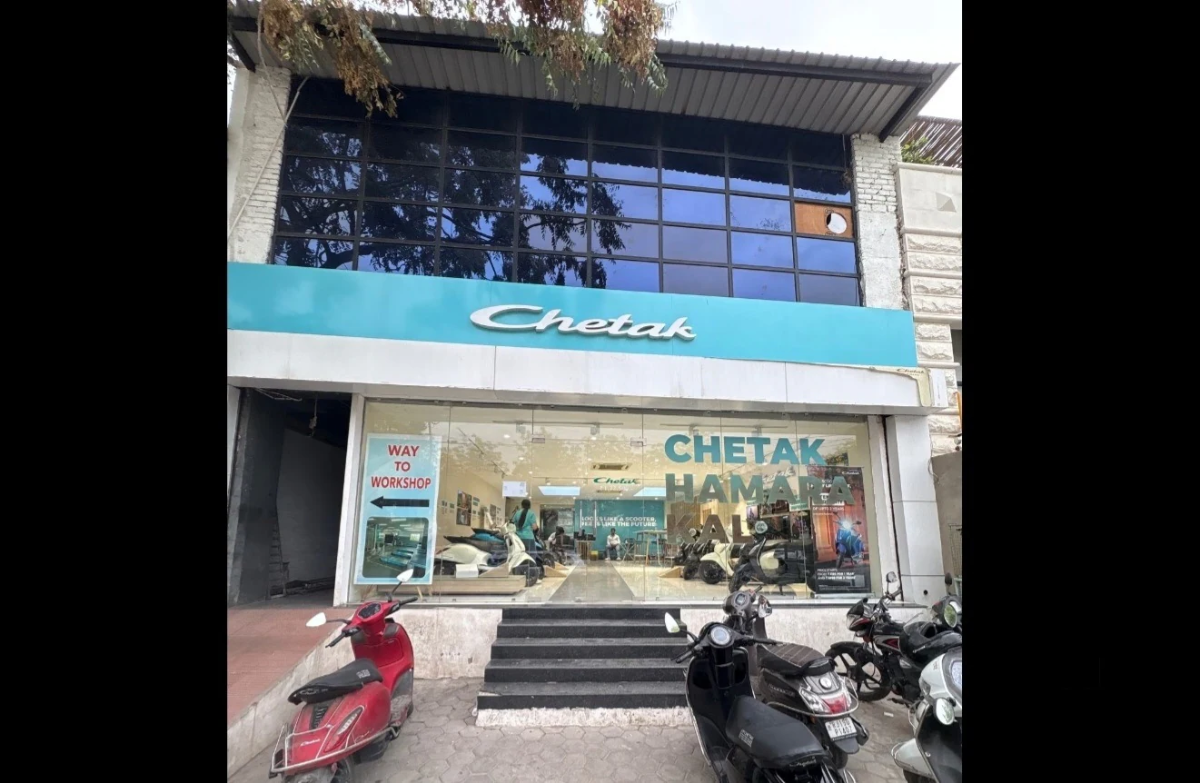
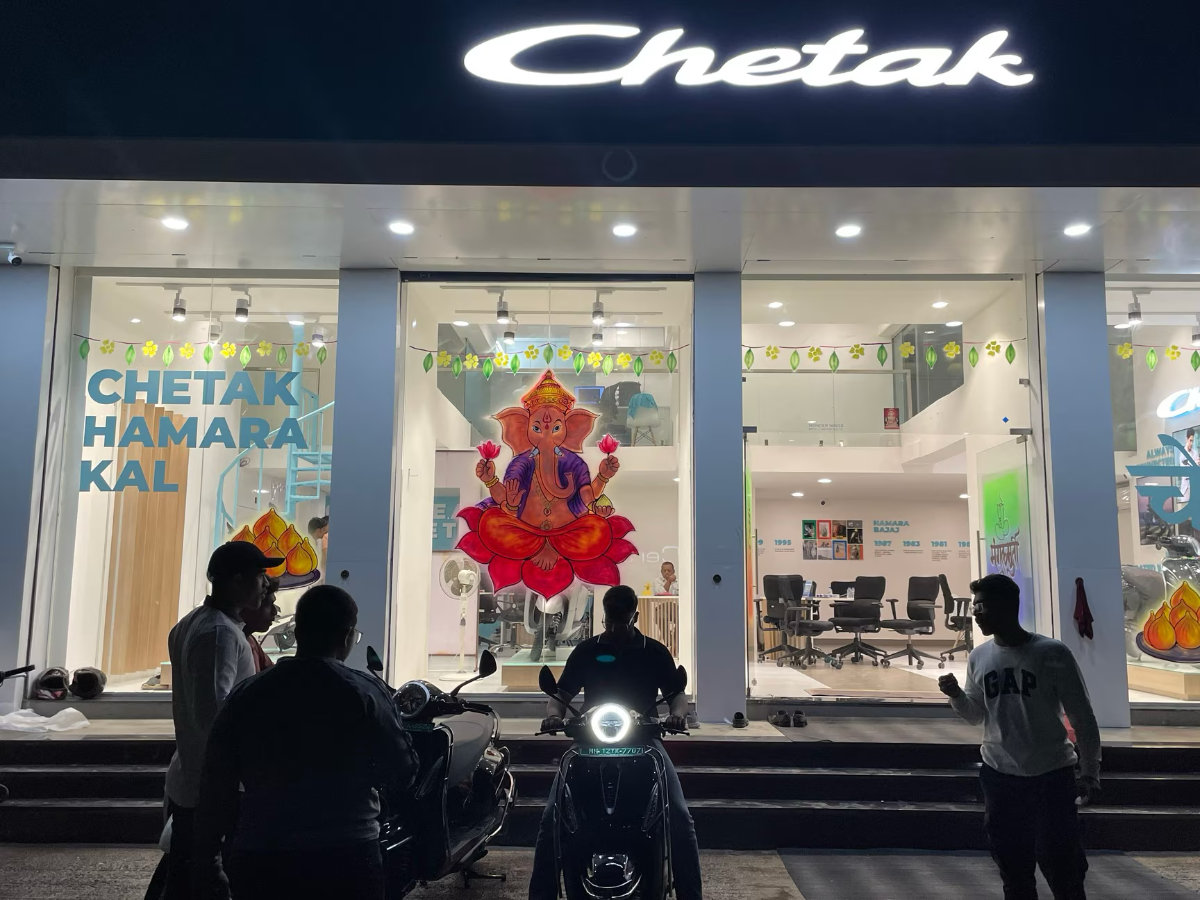
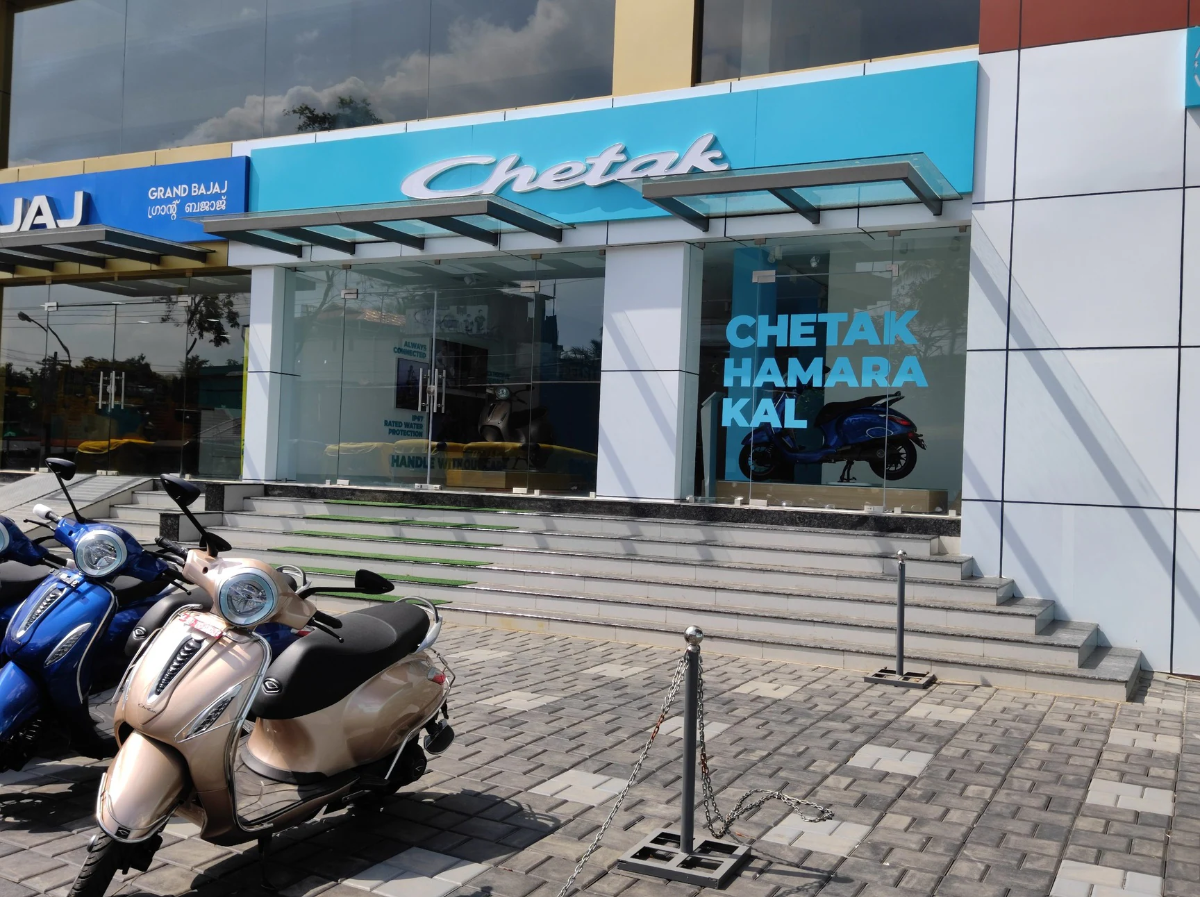
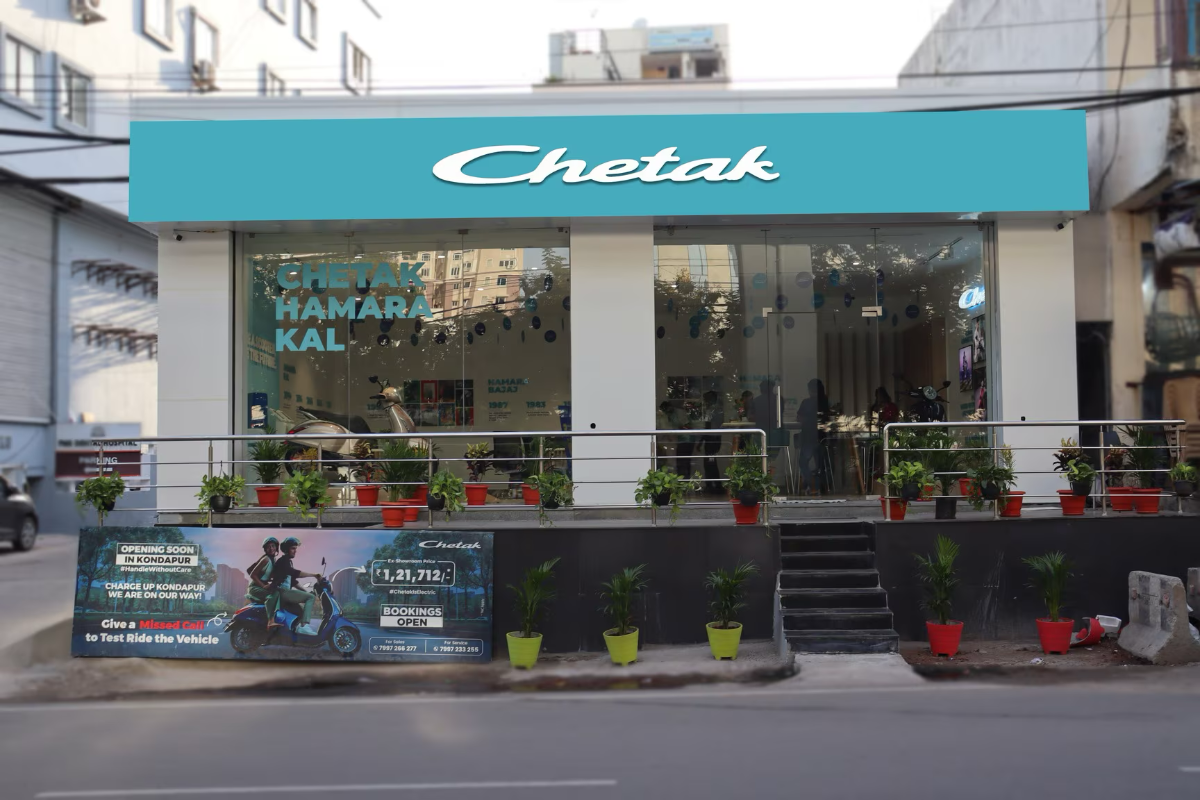
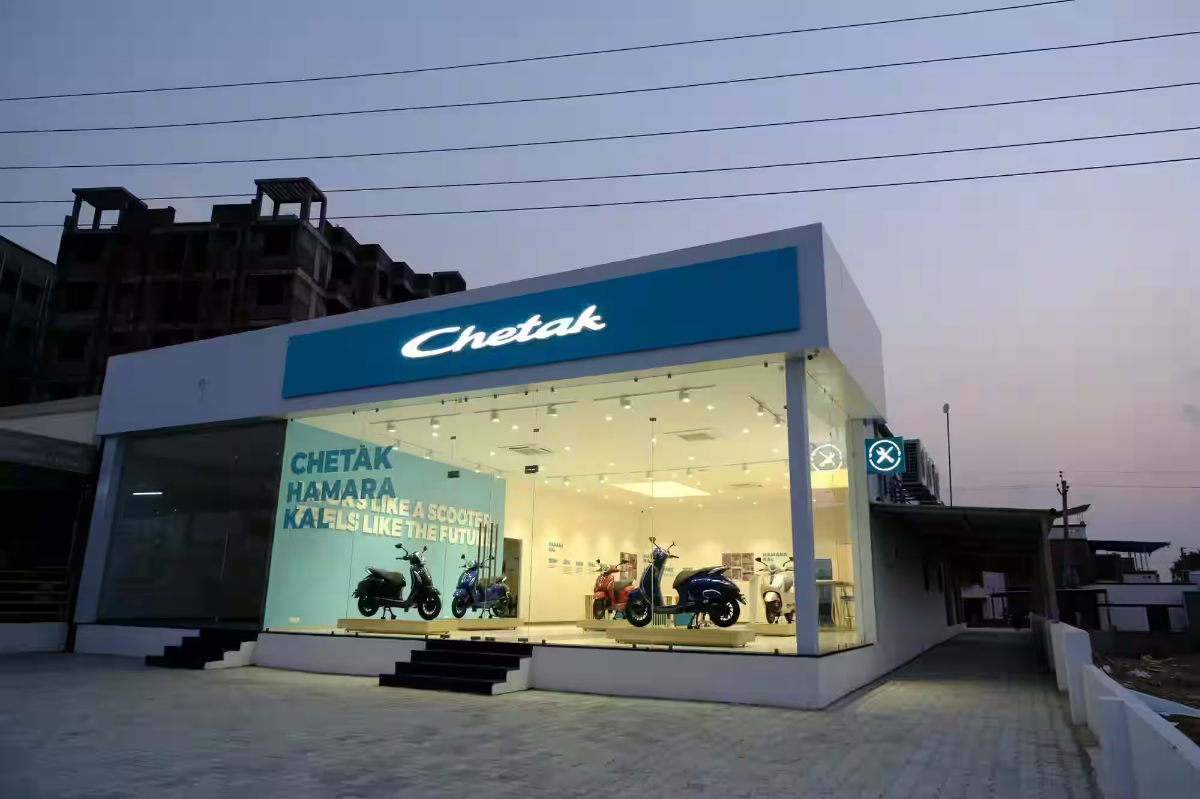
Bajaj Chetak is actively franchising through its Exclusive Chetak Experience Centre model, but only within Bajaj's existing authorized dealer network of 950 EV-ready outlets. New franchisees are recruited and onboarded to fill territory gaps and expand coverage in high-potential markets. The brand operates 3,500 outlets across India and continues to recruit dealers as EV adoption accelerates.
What is the franchise fee for Bajaj Chetak, and is it refundable?
The franchise fee for an Exclusive Chetak Experience Centre is ₹5 lakhs. For a larger full dealership model (carrying both Chetak and Bajaj's ICE motorcycles), the fee is ₹3 lakhs. These are one-time, non-refundable fees paid at contract signing. Unlike capex, which funds physical assets, the franchise fee is compensation for Bajaj's brand rights, training, and ongoing operational support.
How much working capital should a Bajaj Chetak franchisee set aside at startup?
For an Exclusive Chetak Experience Centre, minimum working capital is ₹40 lakhs. For a full dealership model, it is ₹25 lakhs. Working capital funds initial spare parts inventory, staff payroll for the first few months, utilities, and marketing during the ramp-up phase. Many franchisees carry additional reserves beyond the minimum to sustain operations during seasonally slow months (monsoon, winter) when customer demand dips.
How many staff members does a Bajaj Chetak Experience Centre typically require?
Dossier data does not specify minimum or typical staff counts for a Chetak franchisee. The brand stipulates high owner involvement, meaning the franchisee must be directly engaged in operations. Exact staffing depends on your store's location, traffic volume, and service capacity. We recommend discussing realistic staffing needs and labor costs with Bajaj during the site-assessment phase.
What is the minimum space needed for a Bajaj Chetak full dealership (ICE + EV)?
A full Bajaj Two-Wheeler Dealership (combining ICE motorcycles and Chetak EV) requires a minimum of 3,000 sqft. This larger footprint allows separate showroom zones for combustion and electric vehicles, multiple service bays, a larger parts warehouse, and customer facilities. This format suits franchisees seeking product diversification and higher traffic potential in urban or semi-urban centers.
Does Bajaj Chetak provide ongoing training after the initial 5-day program?
The dossier confirms a 5-day initial training program covering EV technology, sales processes, and service standards. The brand provides ongoing support through Bajaj's dealer network, and refresher sessions are made available when new models or service procedures are introduced. However, specific schedules, costs, or mandatory refresher cycles are not detailed in available franchise documents.
Can a Bajaj Chetak franchisee negotiate vehicle pricing or allocation with the brand?
No, pricing and allocation are controlled centrally by Bajaj. Franchisees cannot negotiate unit pricing or source vehicles independently—Bajaj sets wholesale vehicle prices and determines per-dealer allocation based on market potential and network strategy. This centralized supply chain ensures consistent margins across the 3,500-outlet network but also means your cost base and profitability are directly tied to Bajaj's pricing decisions rather than local market competition.
What is the contract term and renewal policy for a Bajaj Chetak franchise?
Chetak franchisees operate under Bajaj's standard two-wheeler dealer agreement. The dossier notes that the relationship is "Part of Bajaj 2W dealer agreement," implying alignment with industry-standard automotive dealer terms. Exact contract duration, renewal conditions, and termination clauses are negotiated individually with Bajaj. Prospective franchisees should request and review the full dealer agreement before signing.
How does the spare parts margin compare to vehicle sales margin for Bajaj Chetak dealers?
The dossier specifies that Chetak vehicle sales carry a 3-6% gross margin, while spare parts are identified as a secondary revenue stream with "higher margins" relative to vehicles. However, exact spare parts margins are not quantified in franchise documents. Franchisees should clarify Bajaj's wholesale parts pricing and dealer margin structure during negotiation, as parts and service labor are critical to overall profitability given the thin vehicle margins.
Is a license or technical certification required to own a Bajaj Chetak franchise?
No, Bajaj Chetak does not require franchisees to hold a professional license or technical certification. You do not need to be a mechanic or engineer to qualify. However, high owner involvement is mandatory—you must be directly engaged in sales, customer relationships, and operational oversight. Hiring licensed mechanics for service work is standard industry practice.
How does Bajaj Chetak's no-royalty model compare to other automotive franchises?
Bajaj Chetak charges zero royalty on vehicle sales, spare parts, or service revenue—a significant advantage over many automotive franchises that levy 2-5% ongoing royalties. This low-cost structure is possible because Bajaj controls margins through wholesale pricing rather than revenue sharing. The tradeoff is that your profitability depends entirely on sustaining high sales volume and after-sales traffic, as the 3-6% per-vehicle margin leaves little room for high overhead or low turnover.
What happens if a Bajaj Chetak franchisee's showroom location closes or is lost?
The dossier does not specify relocation rights, notice periods, or buyout terms if a franchisee must vacate their premises due to lease expiration or property issues. Relocation procedures and Bajaj's obligations to support or facilitate a move should be clarified in the dealer agreement. Prospective franchisees should secure a long-term property lease (ideally 10+ years with renewal options) before signing the franchise contract to minimize disruption risk.