How do Banana Club franchisees make money?
Franchisees earn by retailing branded menswear apparel to customers. They purchase inventory from the parent company at wholesale rates, set retail prices, and retain the margin after accounting for royalty (5% of sales), operating expenses, and inventory shrinkage. Revenue depends on store footfall, customer conversion, and sell-through rates in the local market.
What is the Banana Club franchise cost?
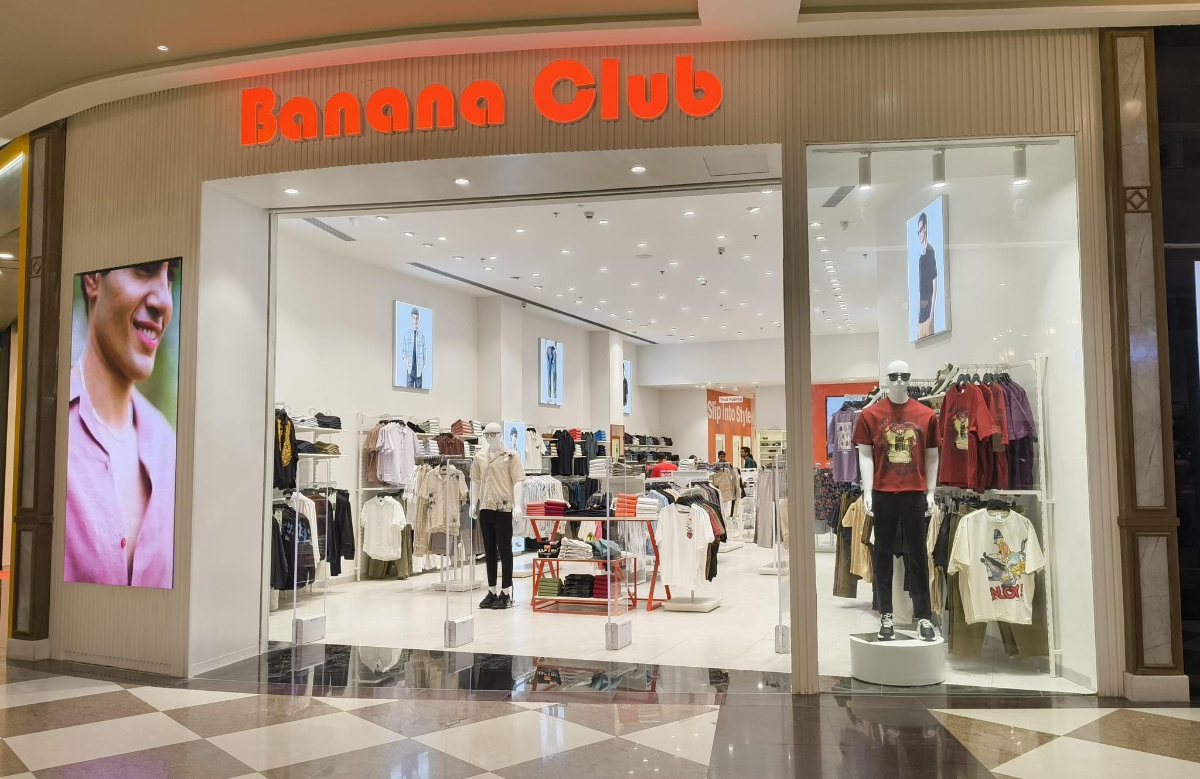
The minimum capital investment is Rs 50 lakh (CapEx), plus a franchise fee of Rs 5 lakh. Ongoing royalty is 5% of sales. Store size is typically 500 sqft in a standard exclusive brand outlet (EBO) format.
What revenue streams does a Banana Club franchisee have?
Retail apparel sales (primary) of branded menswear — shirts, trousers, casual wear, and accessories. Secondary revenue includes seasonal and promotional sales during peak periods like festivals and wedding season.
Is Banana Club franchise revenue seasonal or steady?
Revenue is moderately seasonal. Menswear retail peaks during festivals (Diwali, year-end), wedding seasons, and back-to-work cycles. Weather also influences demand — summer and winter seasonality is typical. Quarterly revenue will vary based on local market conditions and inventory freshness.
When was Banana Club founded and is it actively franchising in India?
Banana Club was founded in 2018 and is actively franchising in India. The brand is operated by Banana Club Apparel Pvt Ltd and focuses on menswear retail in Tier 2 and 3 markets. The franchise model targets neighbourhood locations rather than premium malls, positioning itself to serve male shoppers seeking branded alternatives to local tailors at prices below metro-level retail.
What is the total investment required to open a Banana Club franchise?
The total investment to open a Banana Club franchise is ₹55 lakh, comprising a capital expenditure (CapEx) of ₹50 lakh and a franchise fee of ₹5 lakh. The CapEx covers store fit-out, fixtures, POS systems, and initial inventory across a 500 sqft standard exclusive brand outlet (EBO) format. This covers setup only; working capital for ongoing inventory replenishment is additional.
Does Banana Club charge royalty on franchise sales?
Yes, Banana Club charges a 5% royalty on net sales from each franchise outlet. This is an ongoing fee payable to the parent company and is deducted from the franchisee's retail margin. The royalty funds brand marketing, supply-chain support, and operational oversight. It is payable monthly or quarterly based on the franchise agreement terms.
How much retail space is needed for a Banana Club franchise?
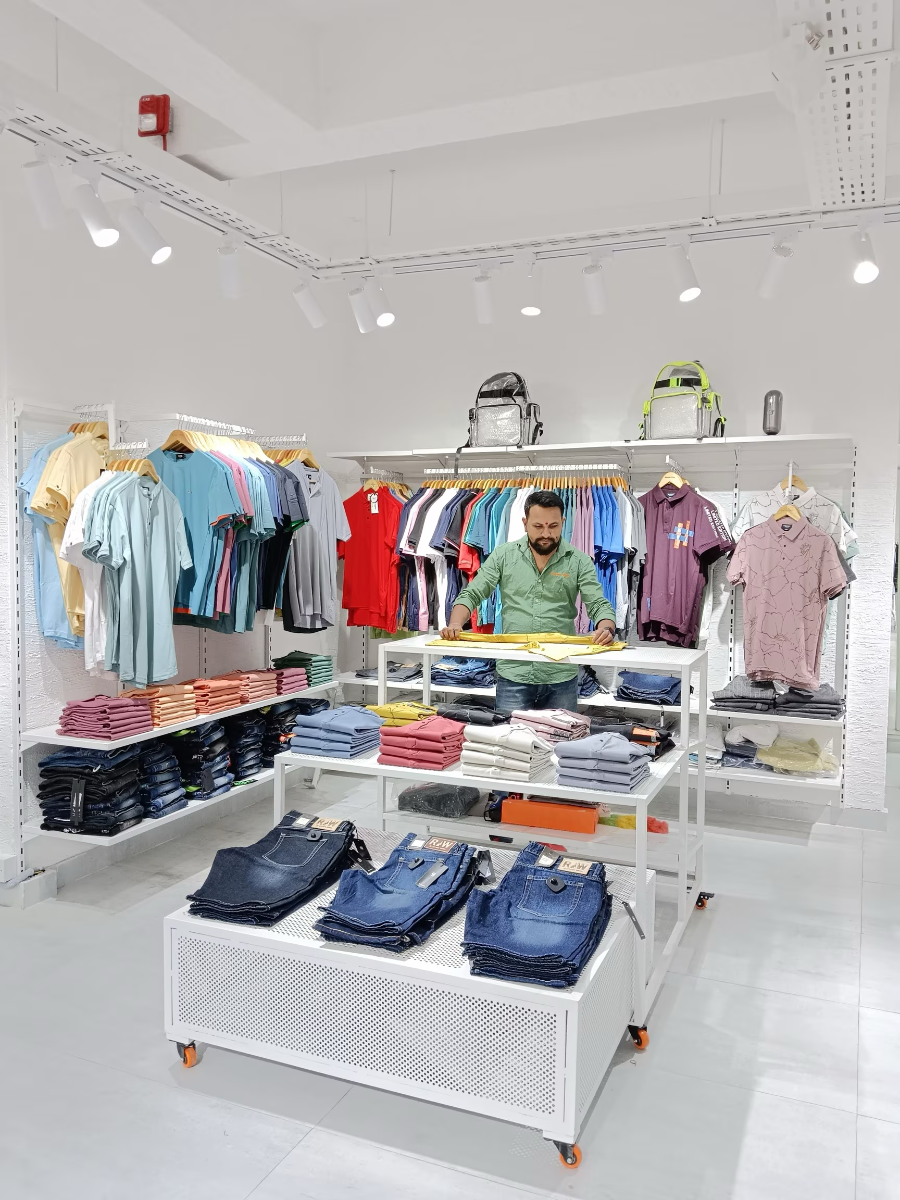
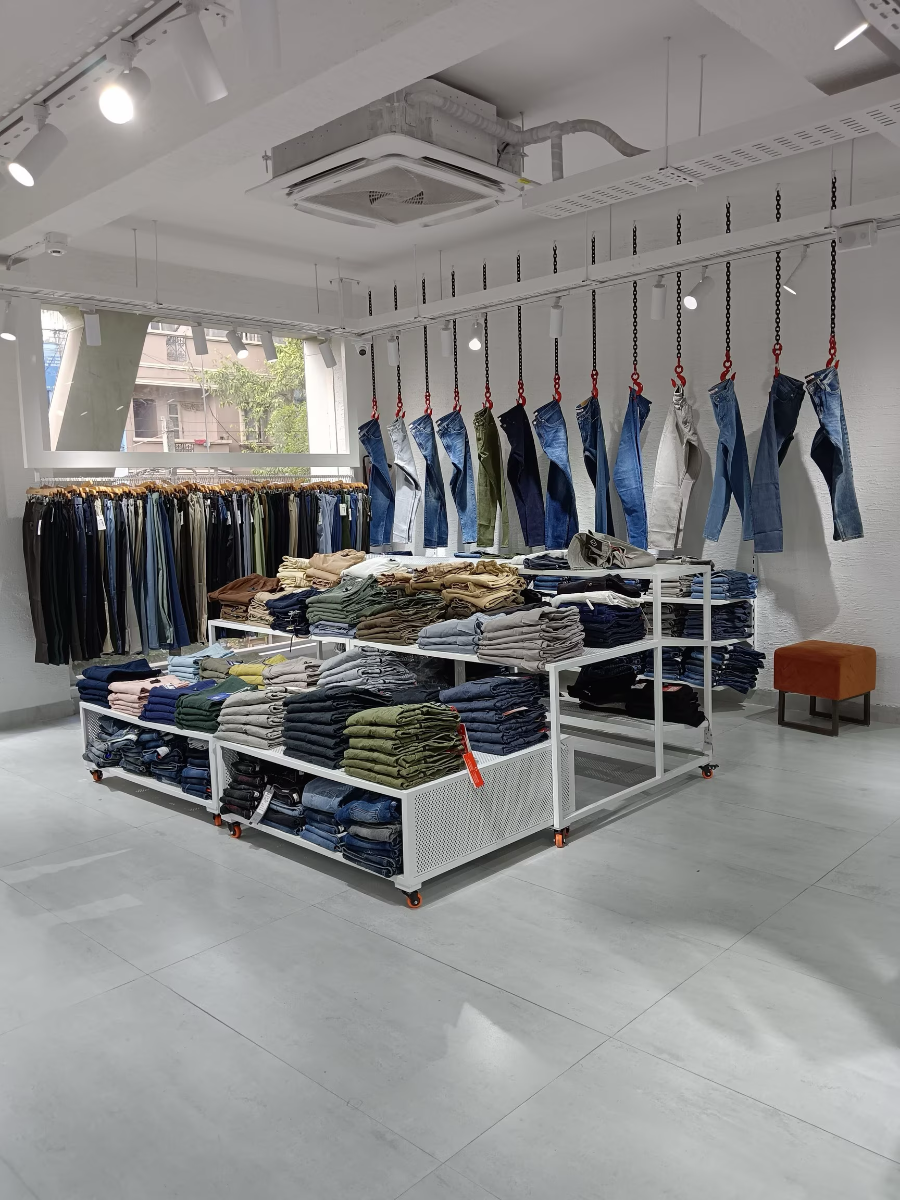
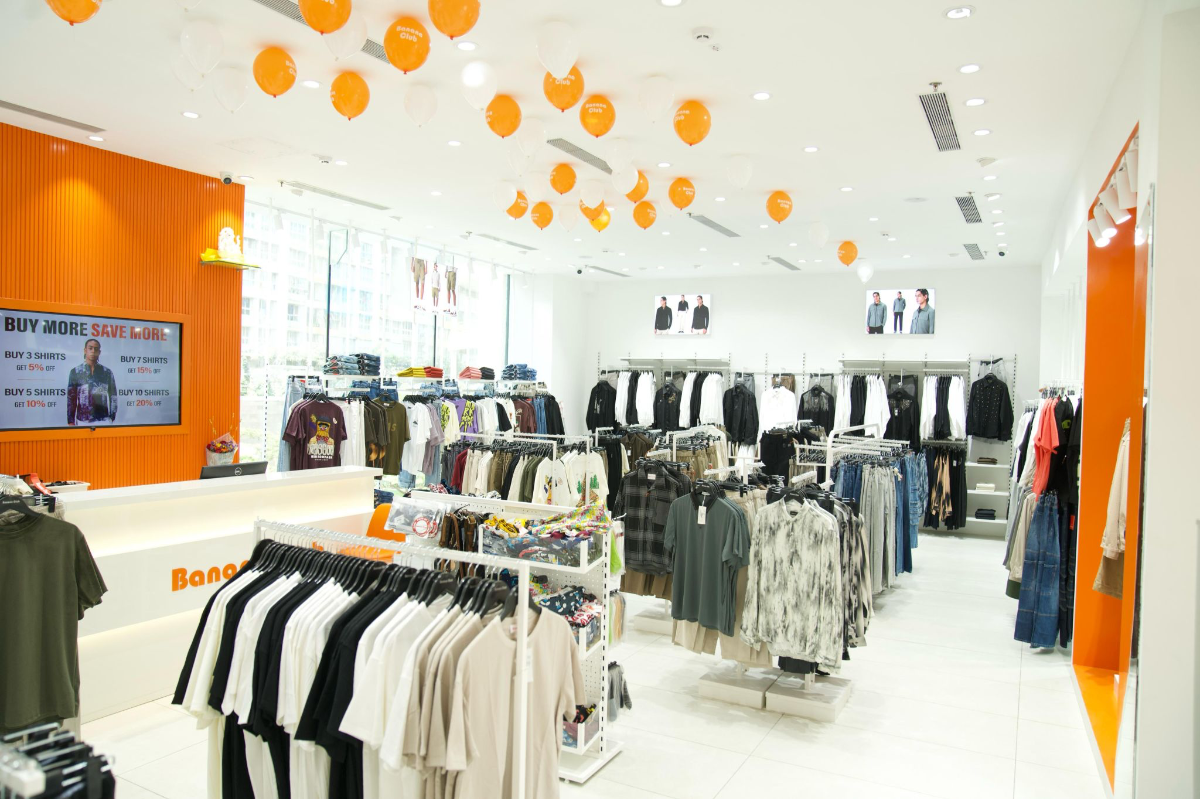
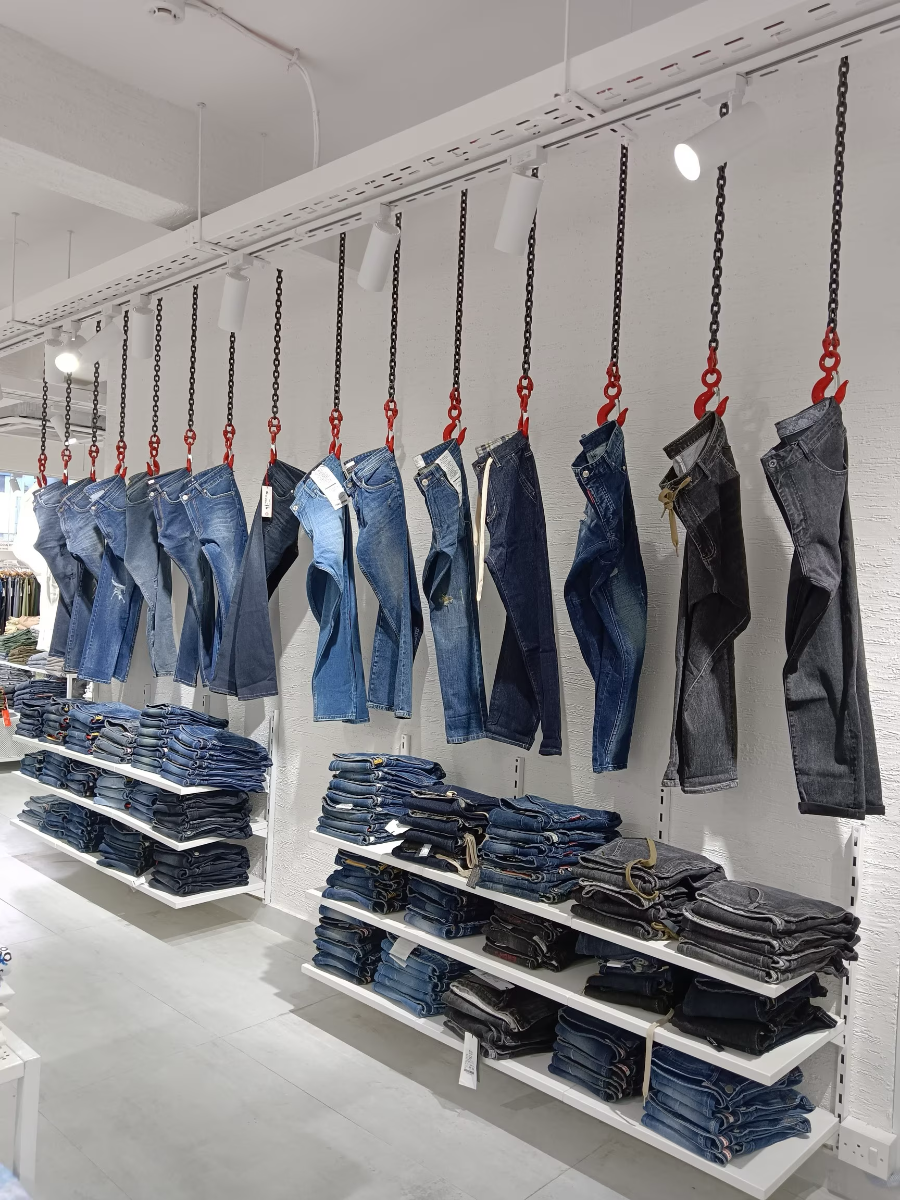
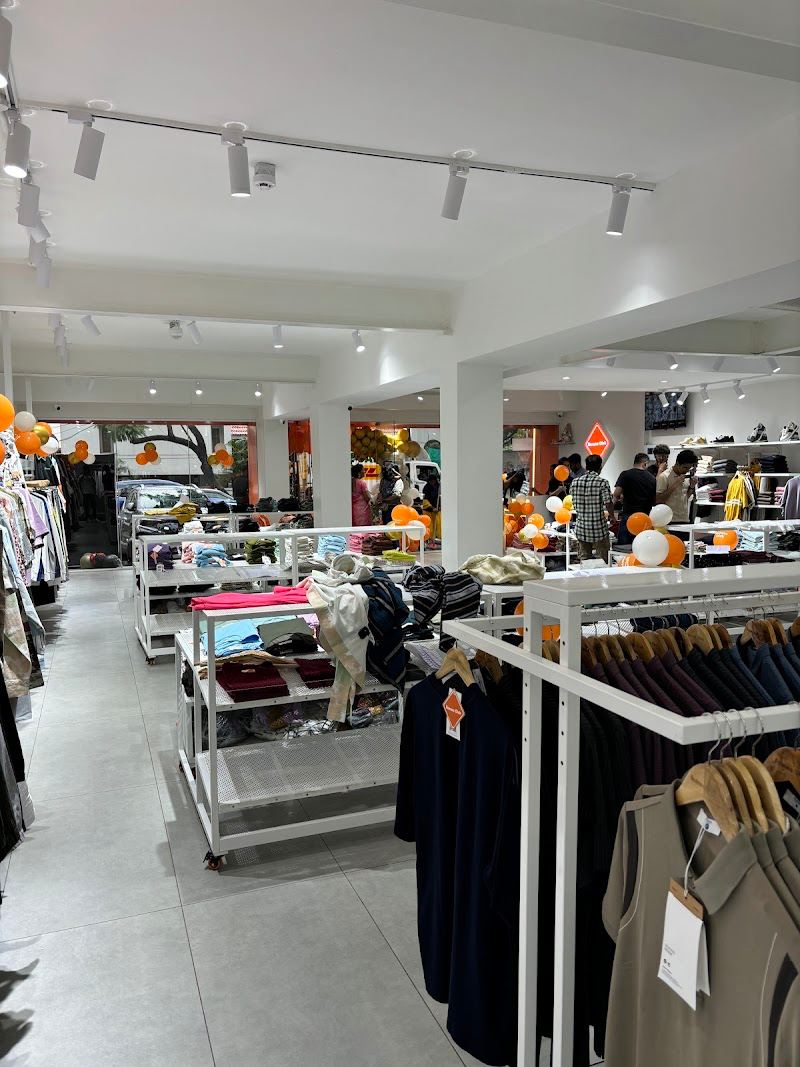
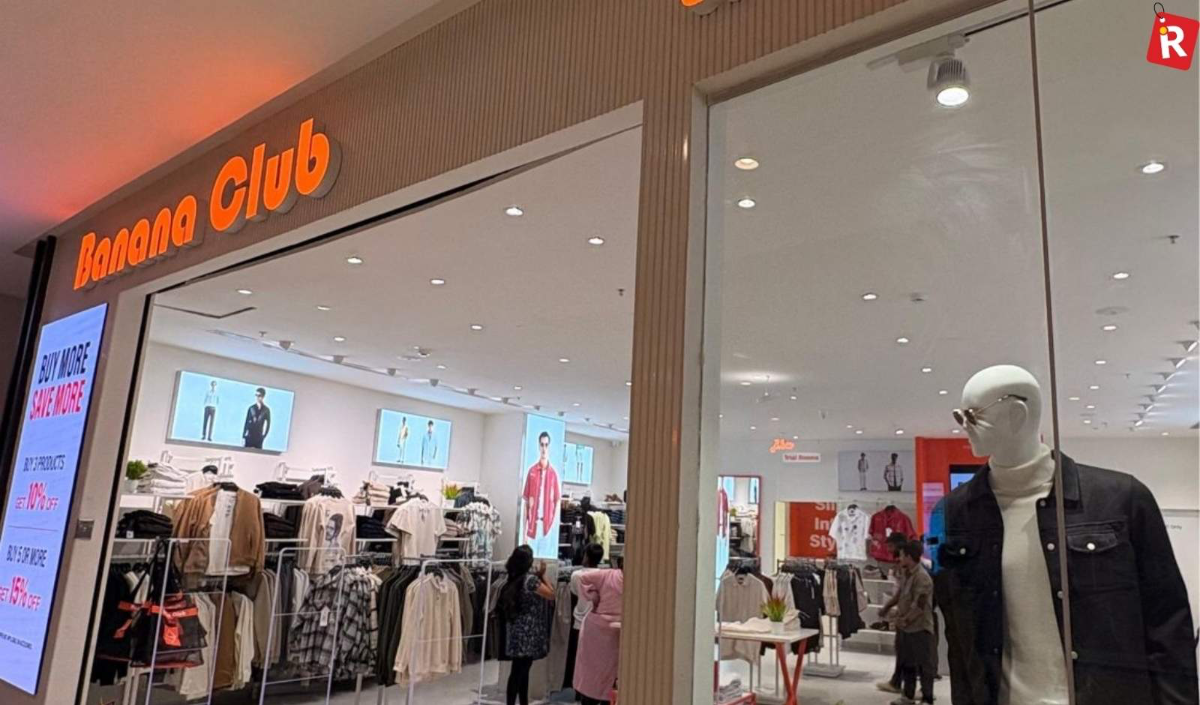
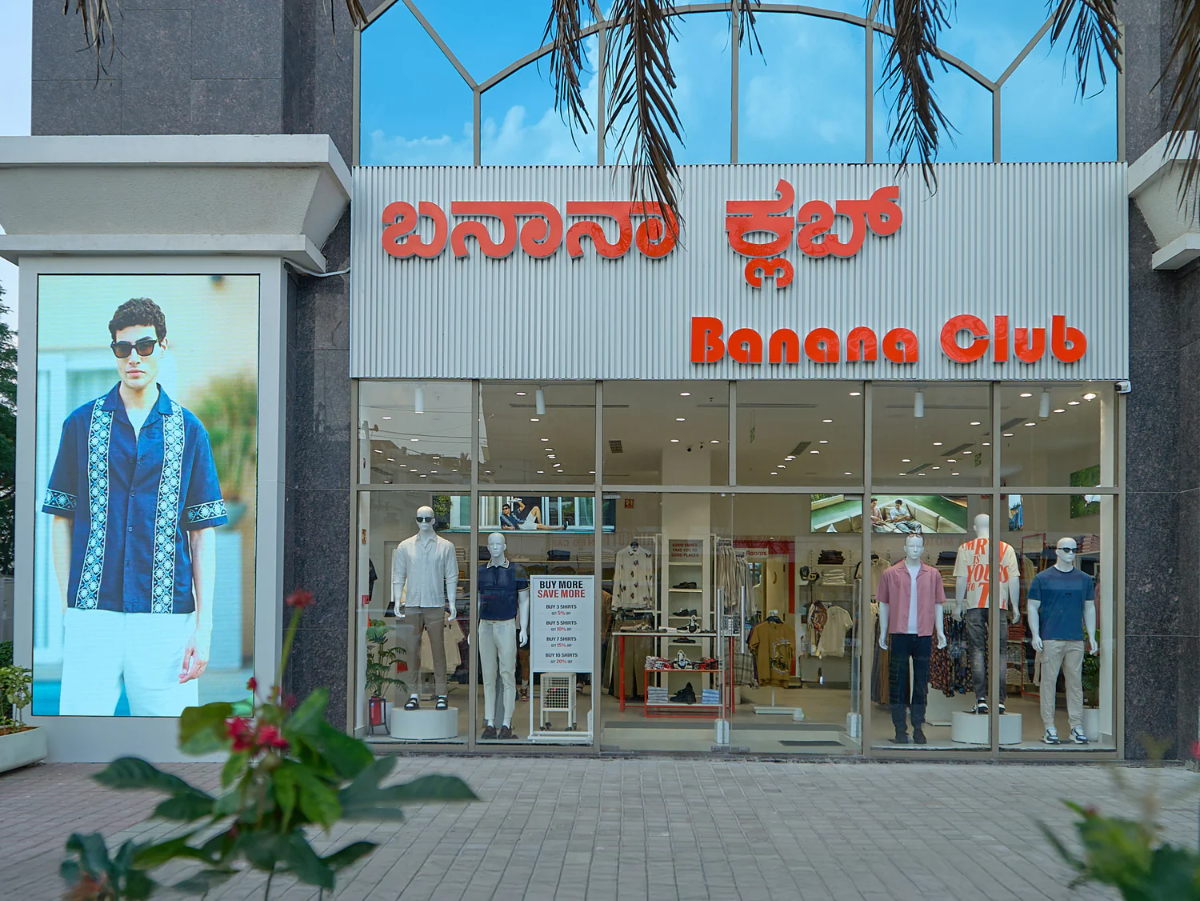
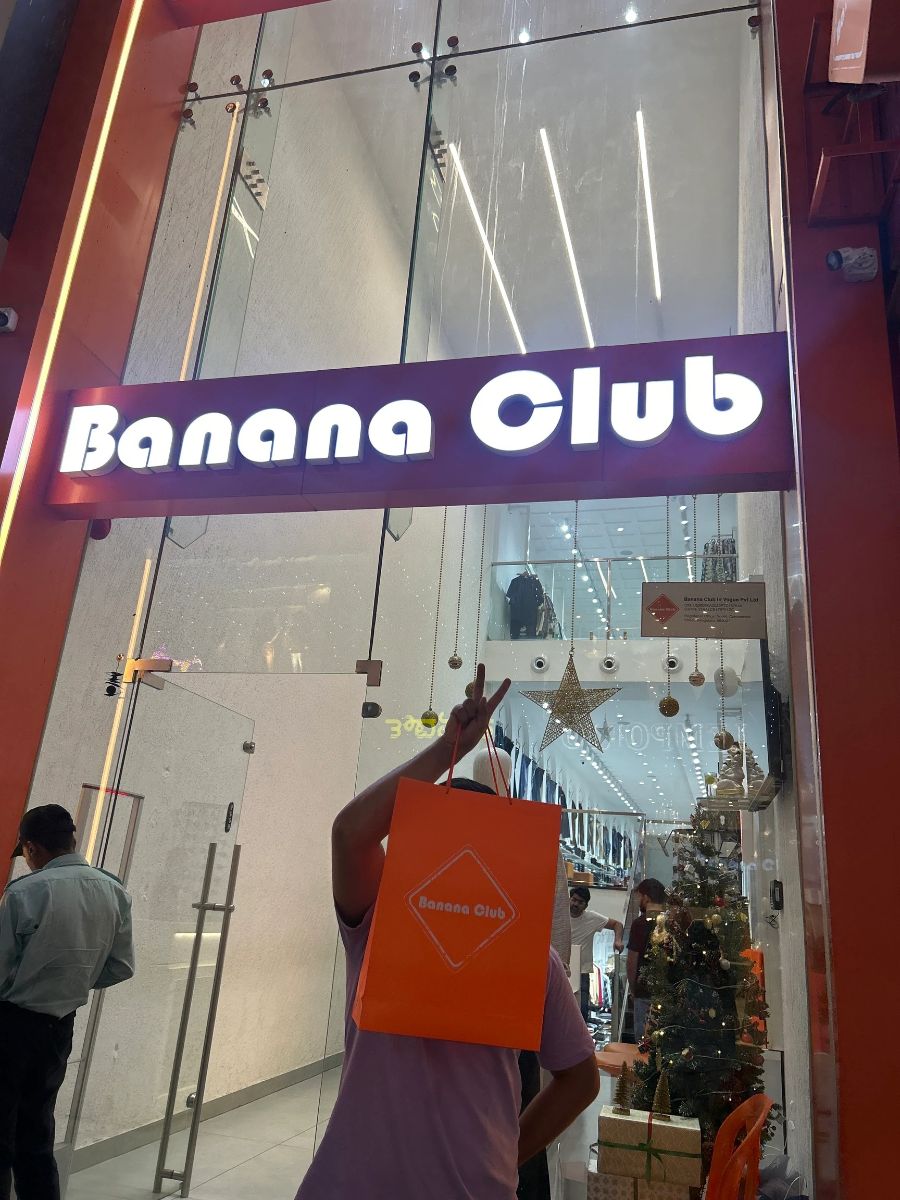
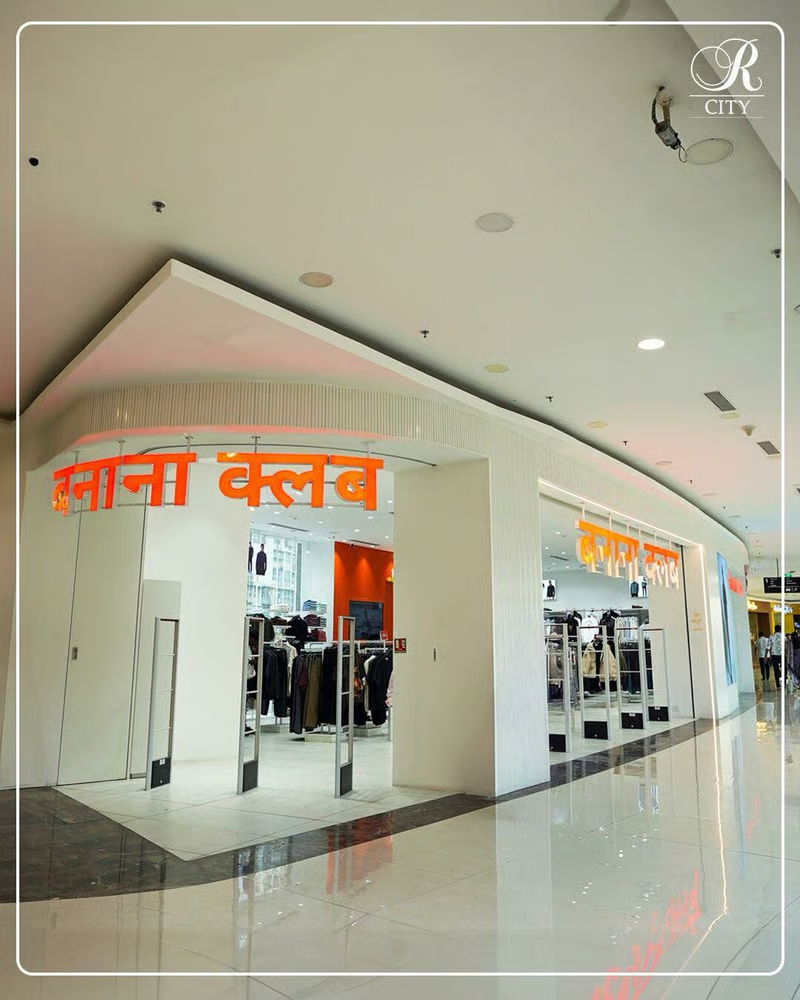
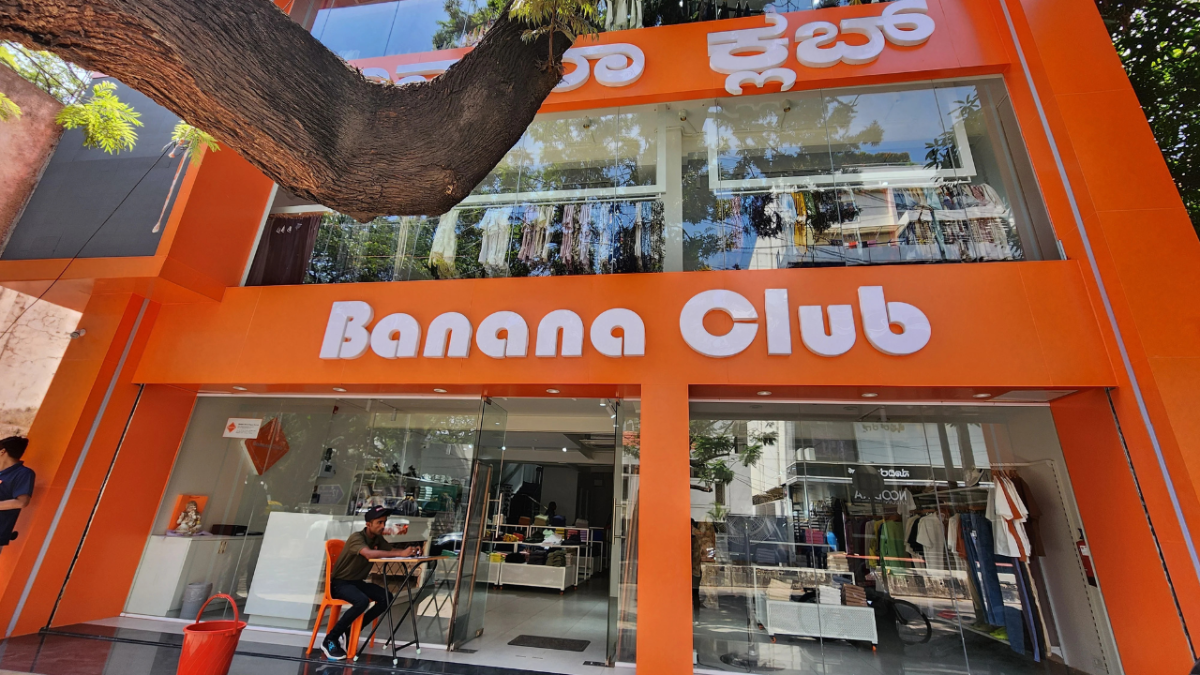
A Banana Club franchise requires a minimum of 500 sqft of retail space. This footprint is sized for a standard exclusive brand outlet (EBO) format and is intended for neighbourhood or Tier 2/3 market locations. The space must accommodate apparel display fixtures, trial rooms, checkout area, and back-office inventory storage, with good visibility and foot traffic accessibility.
What is the owner involvement level required for a Banana Club franchise?
Banana Club franchises require medium-level owner involvement. Owners are expected to manage day-to-day store operations, staff supervision, inventory management, customer service, and local marketing. While the parent company provides product assortment and supply-chain support, franchisees cannot delegate complete operations to hired managers and should have direct oversight of retail performance and stock movements.
Can Banana Club franchisees source inventory independently or only from the parent company?
Banana Club franchisees must source all inventory exclusively from the parent company, Banana Club Apparel Pvt Ltd. The parent controls product design, SKU assortment, and wholesale pricing — franchisees cannot source from alternative suppliers. This model centralizes brand consistency but concentrates supply-chain risk on the franchisee, who bears the cost of unsold inventory, markdowns, and local sell-through performance.
Is Banana Club menswear franchise revenue seasonal?
Yes, Banana Club menswear franchise revenue is moderately seasonal. Demand peaks during festivals (Diwali, year-end), wedding seasons, and back-to-work cycles. Weather also influences sales — lightweight fabrics perform better in summer, heavier wear in winter. Urban and semi-urban markets show steadier footfall than rural locations. Franchisees should budget for quarter-to-quarter revenue fluctuations based on local economic conditions and inventory freshness.
What does a Banana Club franchisee need to know about inventory management and margins?
Franchisees purchase menswear inventory (shirts, trousers, casual wear, accessories) from Banana Club Apparel at wholesale rates and set retail prices to generate margin. Profitability depends on the wholesale-to-retail spread, local conversion rates, and sell-through velocity. Franchisees are responsible for markdowns on slow-moving stock and must forecast demand accurately — excess inventory ties up working capital, while under-stocking loses footfall-driven sales.
What type of menswear does a Banana Club franchise stock?
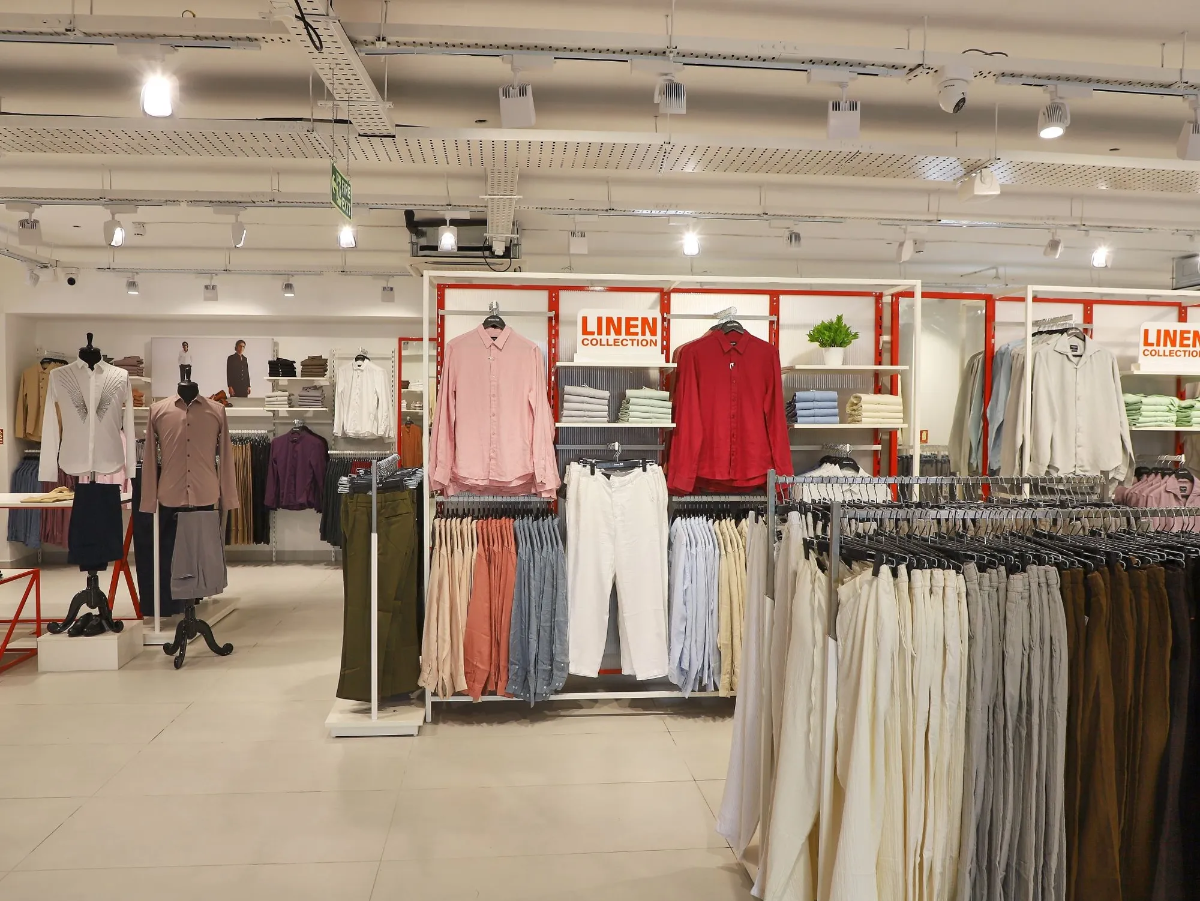
Banana Club franchises stock branded menswear apparel including shirts, trousers, casual wear, and accessories. The parent company controls product design and SKU assortment, ensuring brand consistency across outlets. Inventory is curated for Tier 2 and 3 market demographics and refreshed seasonally to align with festival demand, weather patterns, and customer preferences in each region.
How does Banana Club compete in the Indian menswear retail market?
Banana Club differentiates by targeting underserved male shoppers in Tier 2 and 3 markets who seek branded menswear alternatives to local tailors but are price-sensitive to metro-level retail pricing. Founded in 2018, the brand positions itself as a neighbourhood anchor offering accessible, branded quality without premium mall economics. This geographic arbitrage and price positioning are central to unit-level viability.
Are there any licensing or professional certifications required to operate a Banana Club franchise?
No professional licensing or certifications are required to operate a Banana Club franchise. The business model is retail apparel sales, which does not mandate industry-specific licensing (unlike health, education, or regulated sectors). Standard business registration, GST compliance, and retail shop permits at the local municipal level apply, but these are routine for any retail outlet in India.