Directory Results 0 Matches
Refine filters to see logos.
Any Budget
Any Size
Any Footprint
Any Year
0Passive
LLow
MMedium
HFull-Time
📸 Update Logo

BGauss

RR Global (Kalpataru) · backed by Bharat Value Fund (₹161 Cr Jan 2025)

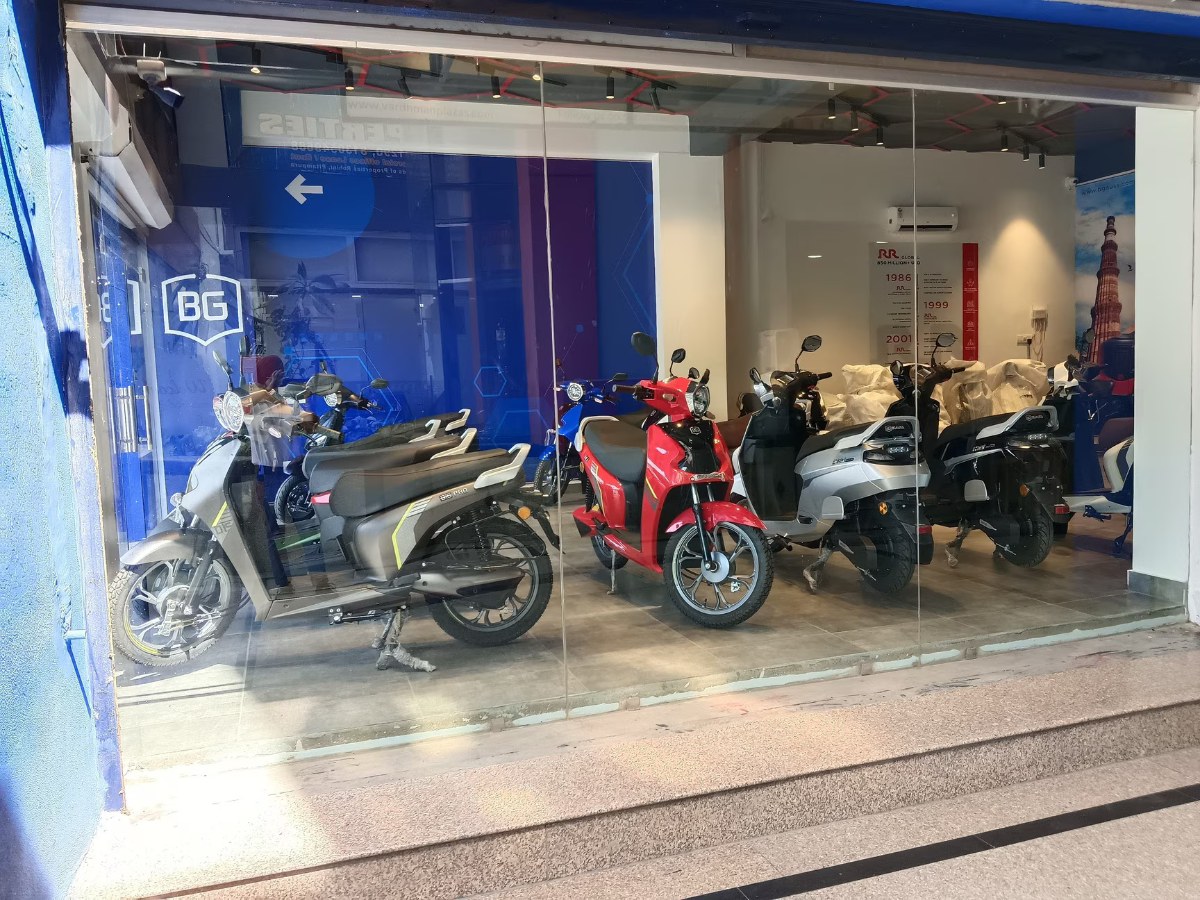
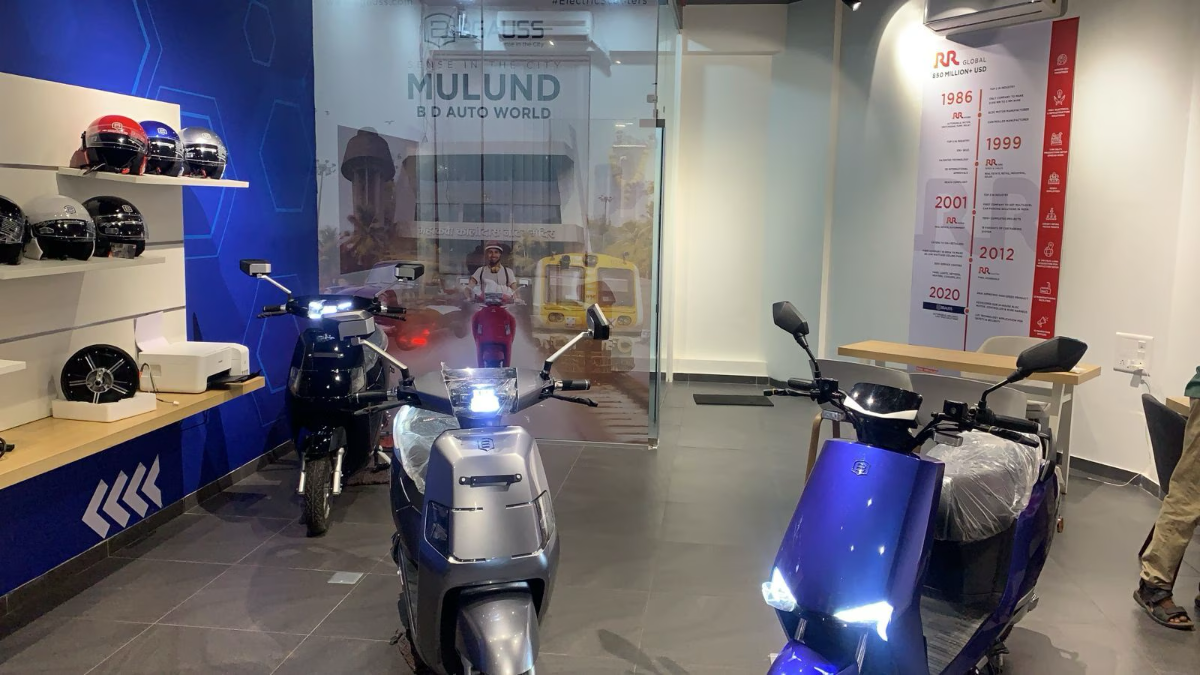
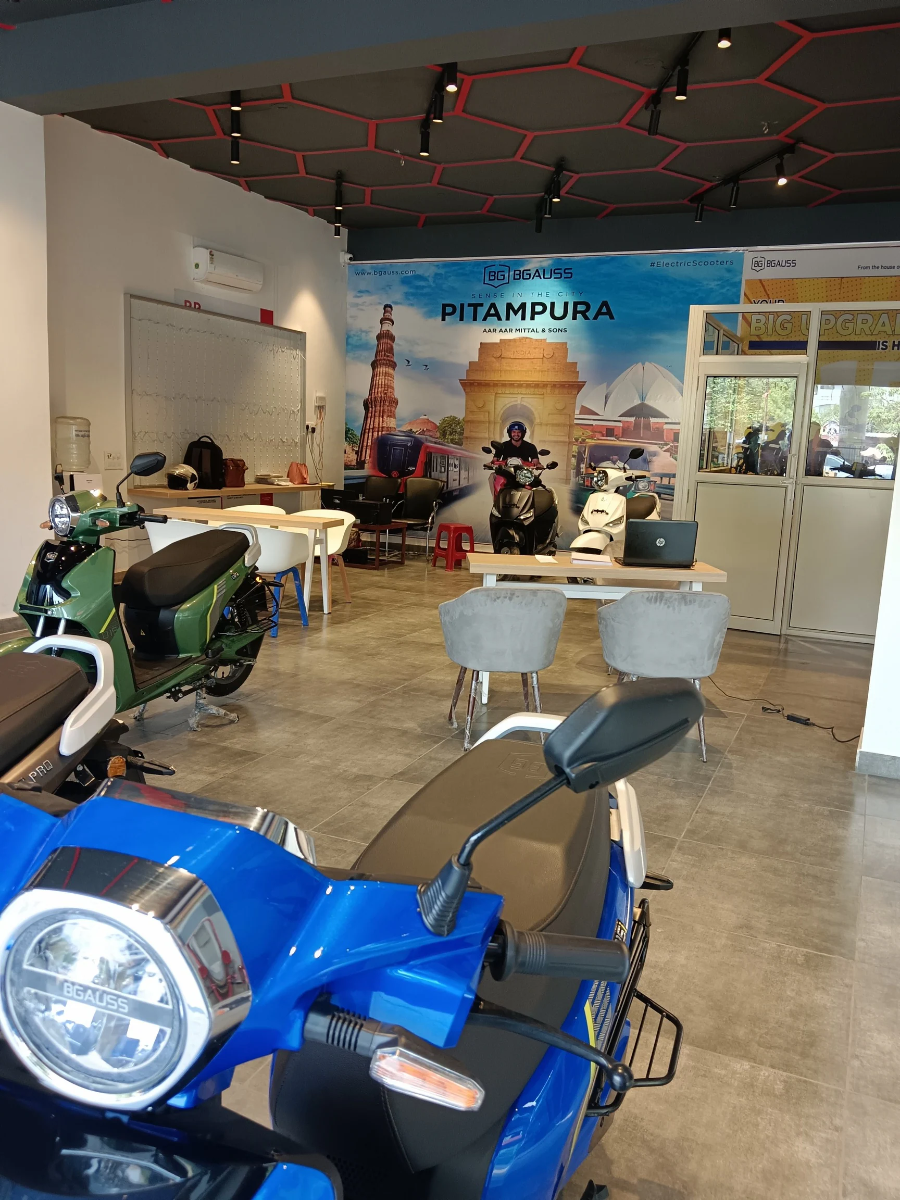
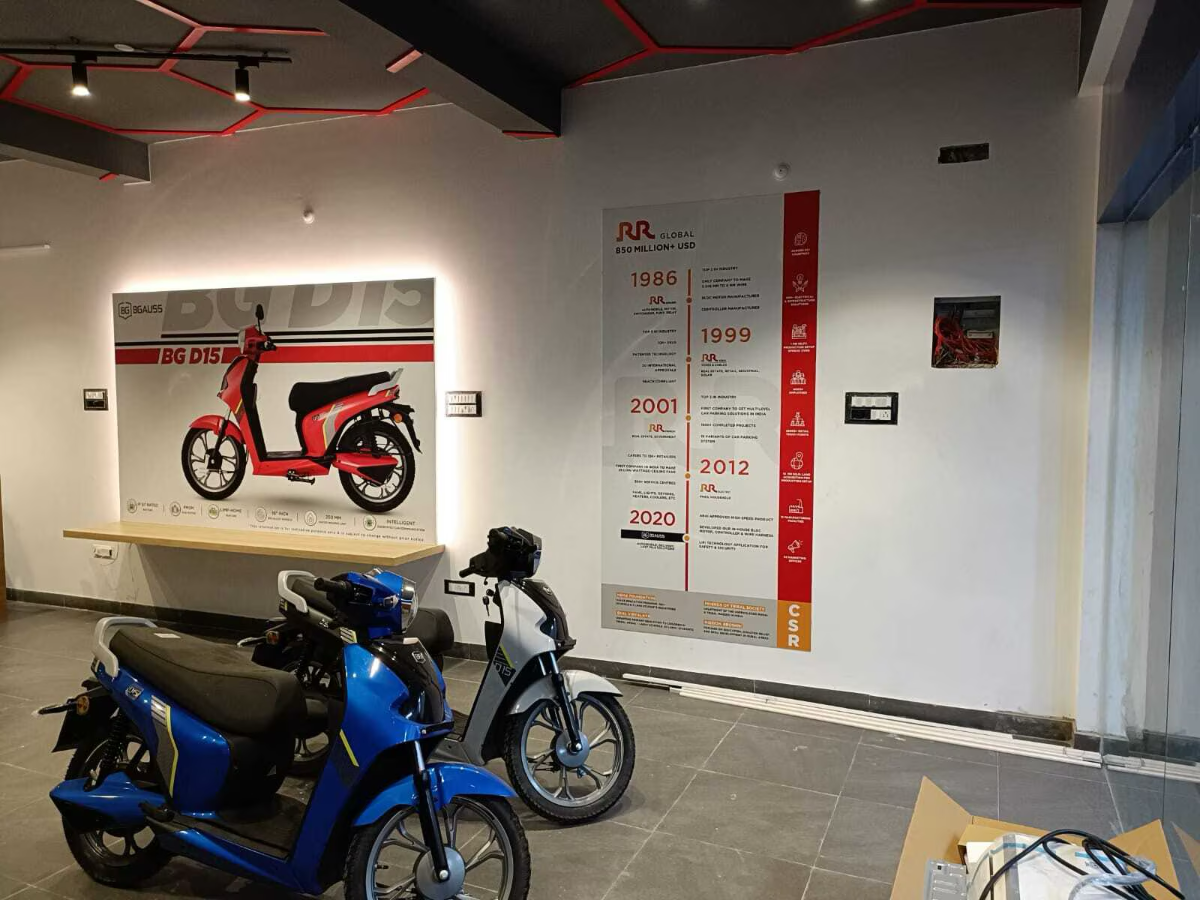
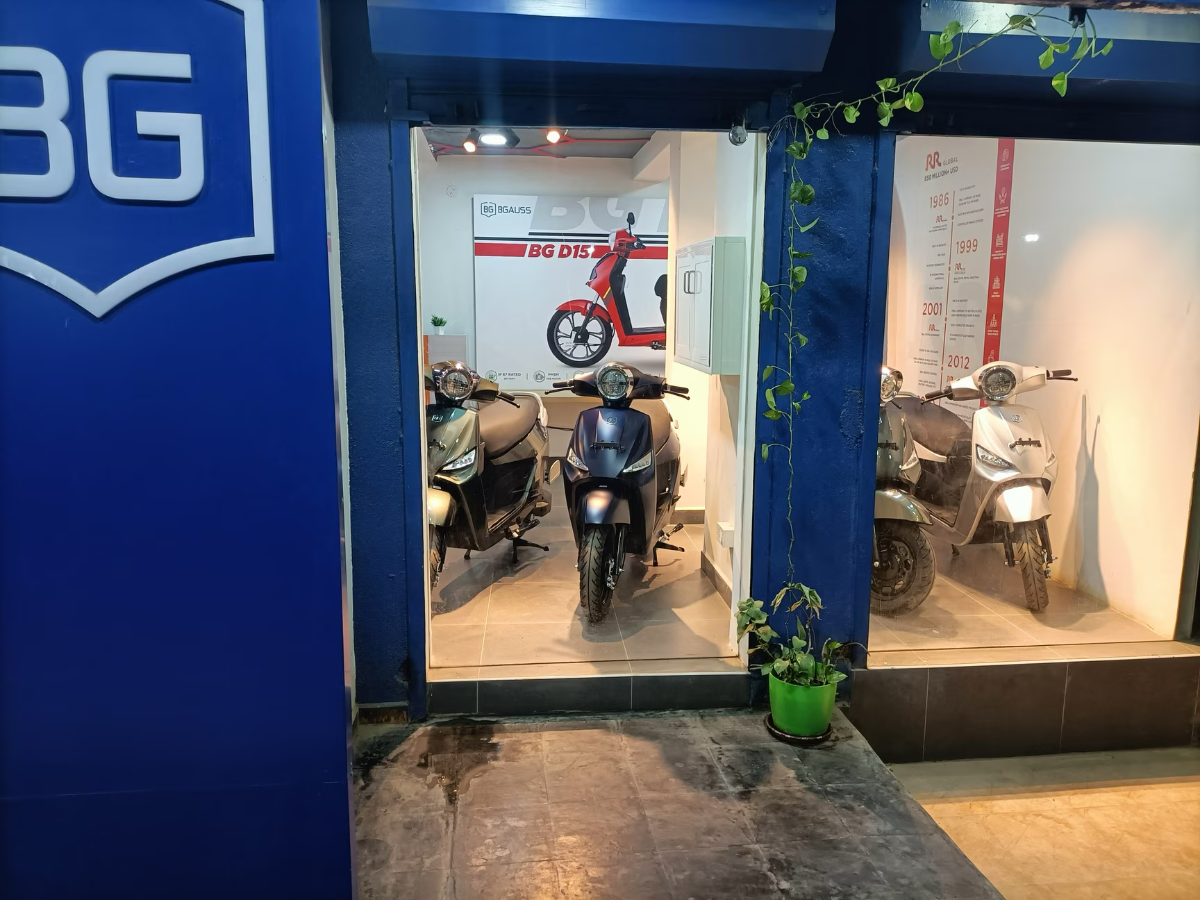
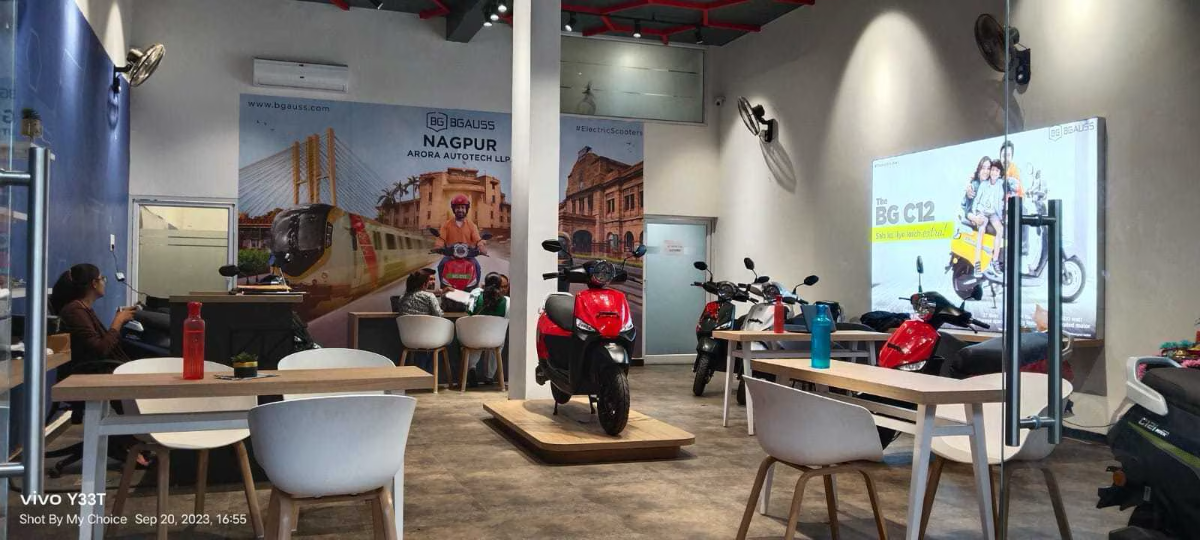
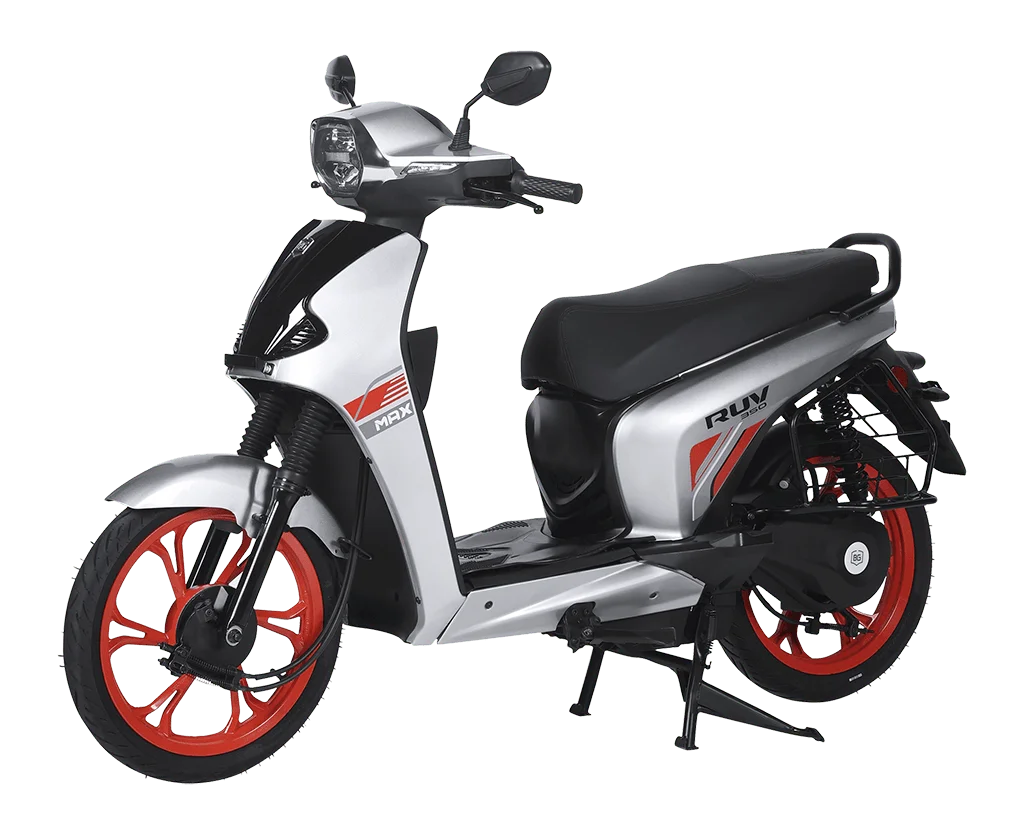
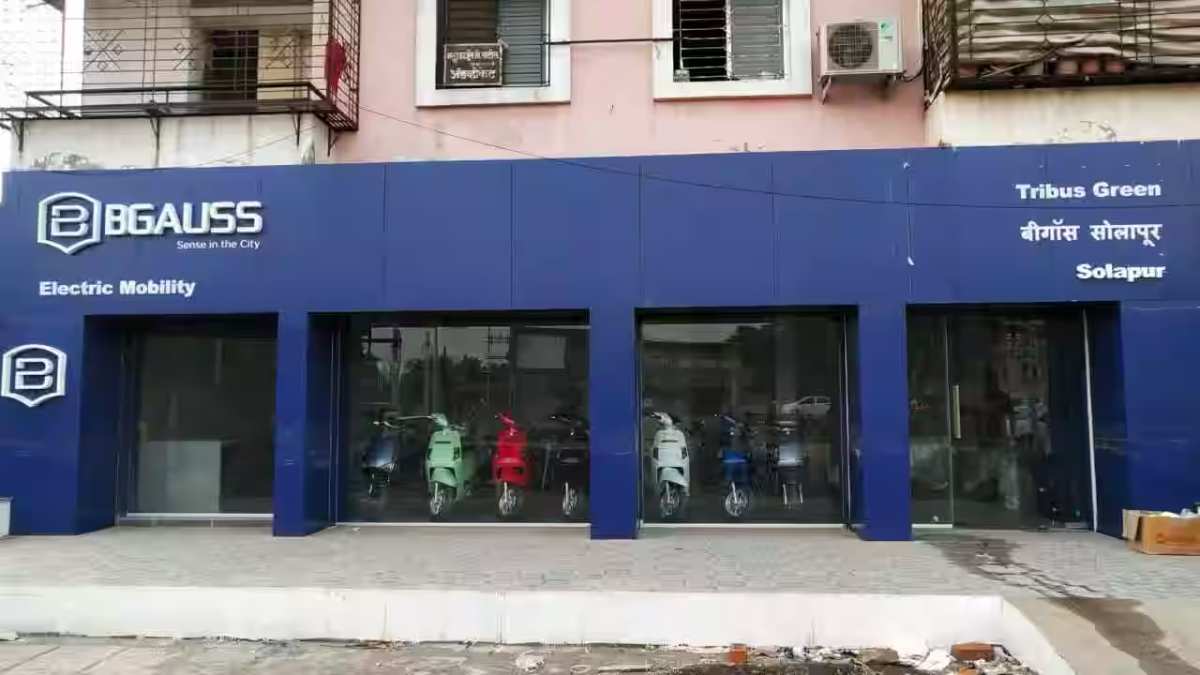
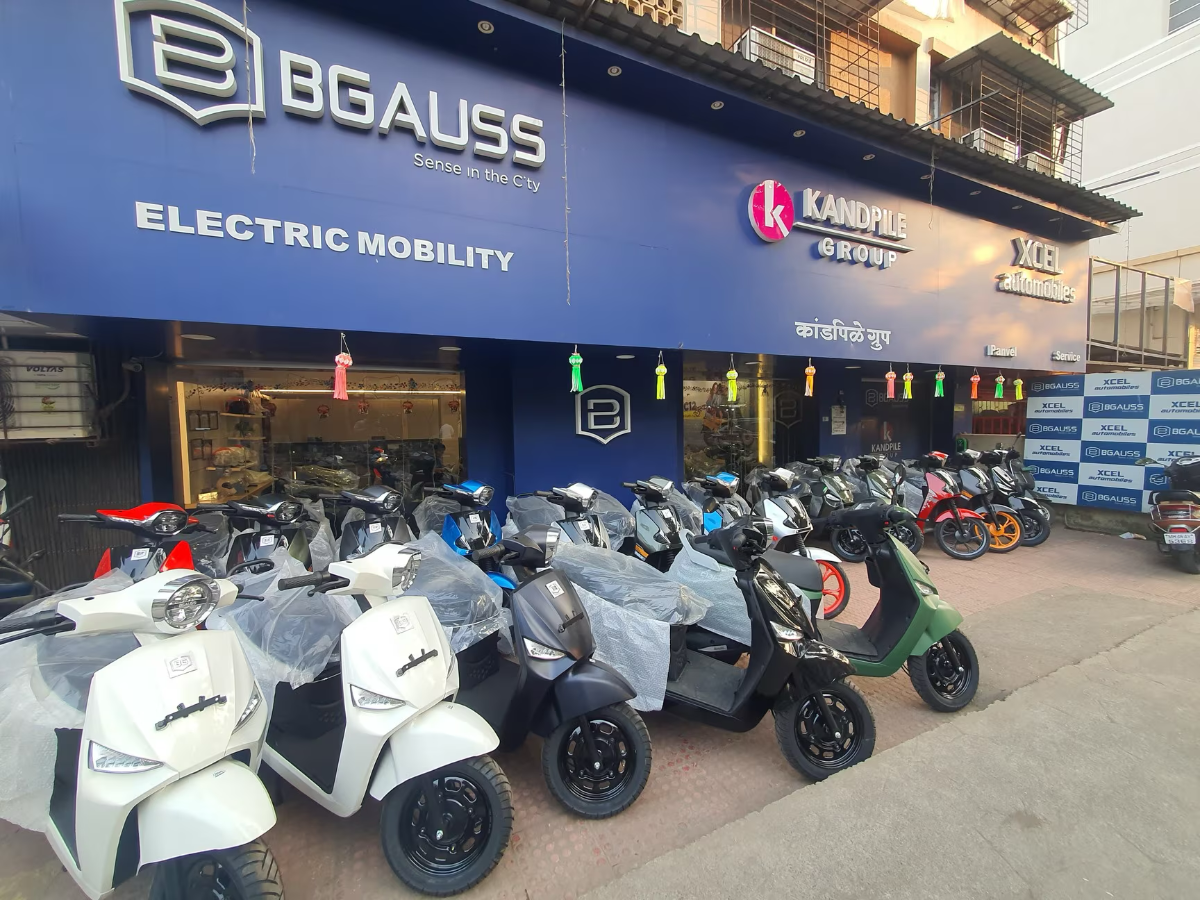
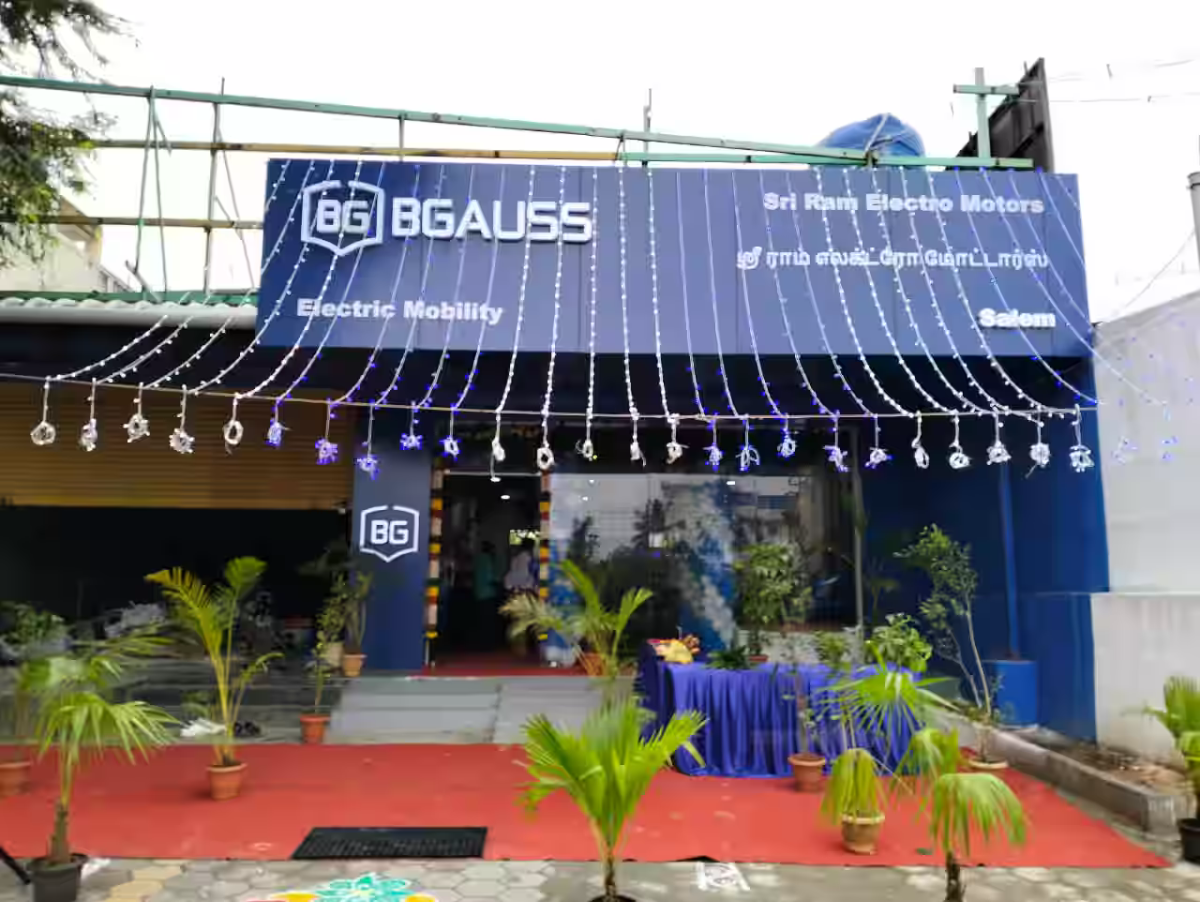
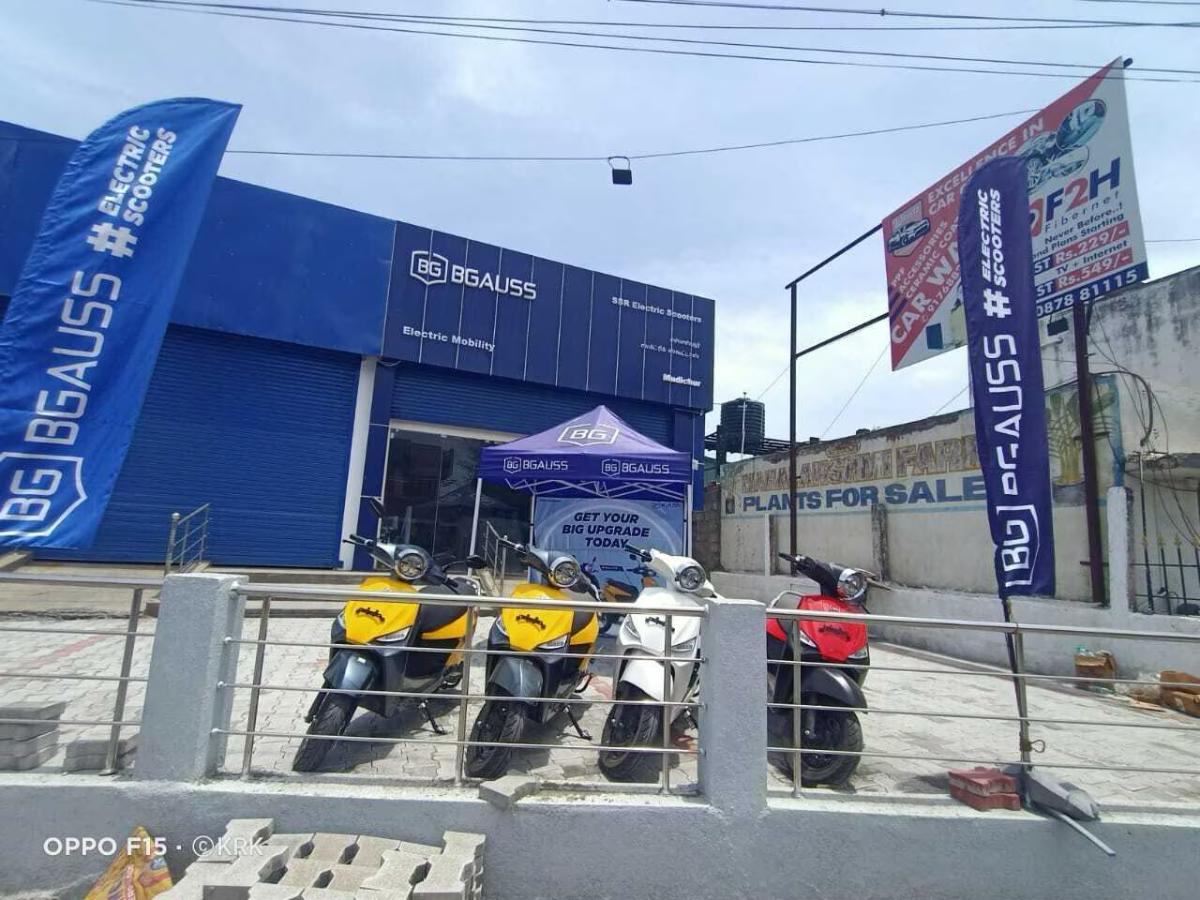
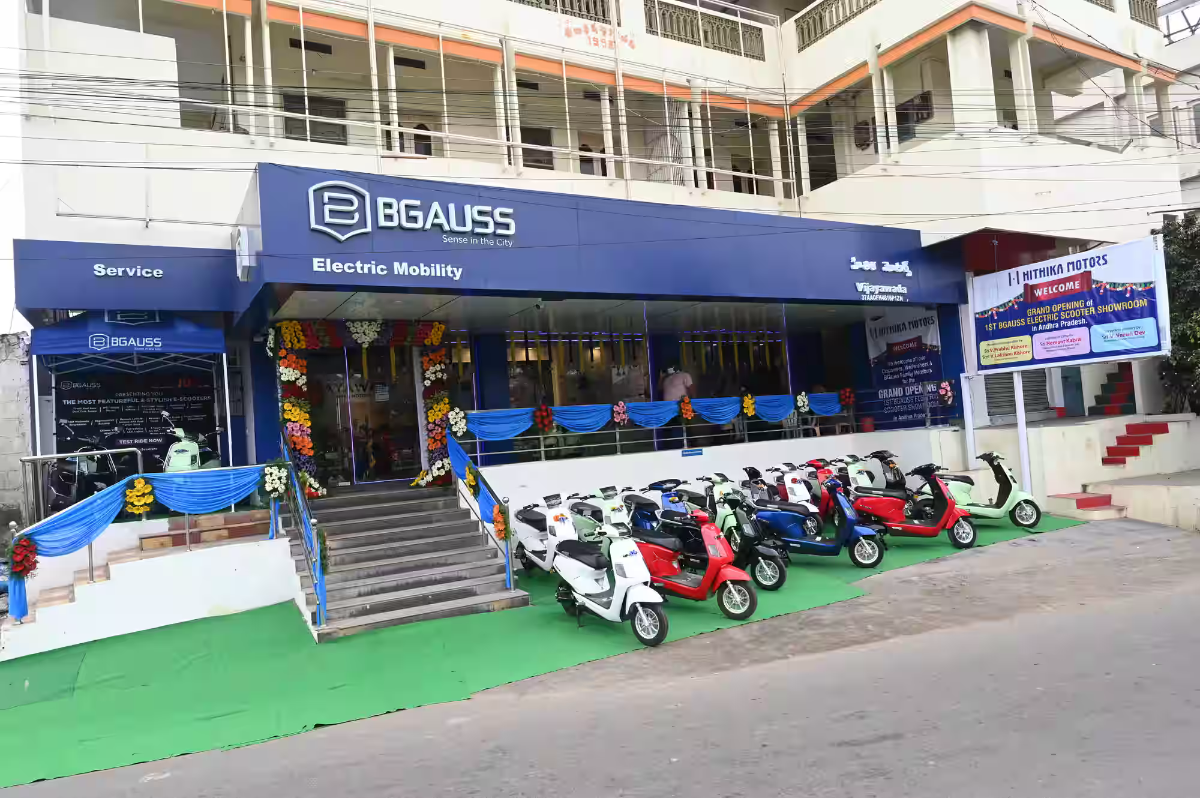
Backed by RR Global's deep electrical infrastructure relationships, BGauss entered EV two-wheelers in 2020 with a parent network that already understood last-mile distribution — the dealership model here is less a greenfield bet than a channel extension of an existing industrial footprint. At roughly ₹8 lakh entry capex across ~120 outlets, the floor is accessible, but with 6-10% gross margins, operators succeed only if showroom throughput stays consistently high.

Core Investment

Compare
Total Stores
Format i
Space Req. i
Total Commitment i
Working Capital i
Owner's Involvement i
0
L
M
H
PassiveLowMedFull-Time

Due Diligence & Legal

Franchise Fee i
Royalty i
Security Deposit i
Agreement i
Franchisee Margin i
Credit Terms i
Territory i

Operations & Training

Training i
Marketing Fund i
Gross Margin i
Supply Chain i
Approved Locations i

Investor Pro Tools

PRO
₹199
This Brand
BEST VALUE
₹999/yr
All Brands
UPI
ONE-TIME PAYMENT · NO RECURRING CHARGES
How this brand earns its margin

How BGauss franchisees make money

BGauss franchisees earn primary revenue from the sale of electric two-wheelers — scooters and motorcycles — at retail prices set within the authorized dealership network. The parent company, RR Global, manufactures and supplies vehicles to franchisees, who sell directly to end consumers. Secondary income derives from after-sales service, maintenance, and spare parts. Gross margins in the EV two-wheeler category typically range 6–10%. BGauss operates as a standalone franchise; the parent's other automotive ventures are separate contracts. Franchisees do not earn from financing, insurance, or corporate fleet sales unless explicitly included in their individual dealership agreement.

Supply chain & sourcing

BGauss operates a standard automotive OEM-to-dealer model in which the parent company manufactures vehicles and allocates stock to franchisees through its distribution network. Franchisees purchase inventory at parent-set wholesale prices and cannot source vehicles independently. Spare parts and service consumables follow similar controlled channels. The franchisee absorbs inventory carrying costs, working-capital requirements, and unsold-stock risk. In the EV two-wheeler category, battery warranty and service protocols are typically manufacturer-managed, which may reduce franchisee service-margin upside compared to traditional ICE dealerships. Exact markup percentages and sourcing restrictions are not confirmed in available public sources.

Demand & growth signals

EV two-wheeler demand in India remains growth-oriented but price-sensitive and subject to government subsidy cycles, which create demand volatility. Urban and semi-urban markets show stronger adoption; rural penetration is emerging. Seasonal patterns follow festival purchasing, year-end corporate buying, and new-model launch cycles. Unlike mature automotive categories, the EV two-wheeler segment is still in expansion phase, making franchisee revenue less predictable than legacy petrol-vehicle dealerships. Brand maturity (founded 2020) and network scale (120 stores) are still modest relative to entrenched competitors. BGauss operates 120 dealerships across India as of early 2025 and has publicly stated plans to expand to 500 dealerships and over 1,000 touchpoints. The brand is backed by ₹161 crores in funding from Bharat Value Fund (January 2025), signaling investor confidence. India's EV two-wheeler market is expanding in response to rising fuel costs, environmental regulation, and improving battery technology. The parent company, RR Global (Kalpataru group), provides institutional backing. Franchisee growth prospects depend on sustained category adoption and parent-company supply capacity.

Disclosed revenue lines
How a franchisee earns
Disclosed revenue lines · BGauss
Primary
Electric two-wheeler retail sales
Sale of BGauss-branded electric scooters and motorcycles to end consumers through the authorized dealership. This is the dominant revenue line for franchisees. Vehicle pricing and wholesale cost are set by the parent company; franchisees realize margin on the retail-to-wholesale spread (typically 6–10% gross margin in the EV two-wheeler category). Inventory is allocated by the parent; franchisees bear working-capital and stock-holding risk.
Secondary
After-sales service and maintenance
Revenue from periodic servicing, repairs, and routine maintenance of sold vehicles. Customers return to the authorized dealership for warranty service and paid maintenance. Spare parts and labor contribute to this stream. Margin profile and service-protocol control by the parent (including battery and electronics servicing) are not detailed in available sources.
Secondary
Spare parts and accessories sales
Sale of OEM and authorized aftermarket parts, batteries, chargers, and riding accessories. This serves both warranty repairs and customer add-on purchases. Margin structure is parent-controlled; sourcing is restricted to approved channels.

Operating Locations

FRANticc · BrandFit AI

Is actually the right fit for you?

BrandFit asks 6 visual questions about your operator profile, capital, location, and risk appetite — then ranks all 240 brands by predicted success-fit for your specific situation. shows up where it actually fits, not just where it can afford.

Run BrandFit on my situation

Industry story · Automotive

How 2-wheeler dealer economics actually work in India

Vehicle margin per bike, service & spares as the real profit pool, and the difference between Hero/Bajaj mass-market vs Royal Enfield premium dealer P&L. Operator-level numbers brand brochures don't show.

See the full 2-wheeler industry story

Join this Brand : See if you Qualify ↓

Syncing Database...
0% Complete
Upload Gallery Photos

Select the category to assign these 0 photos to:

Edit Gallery Categories
Edit Industry Registry

More in this category, or compare BGauss side-by-side

Frequently asked · BGauss
How do BGauss franchisees make money?
BGauss franchisees earn primary revenue from retail sales of electric two-wheelers (scooters and motorcycles) at margins set by the parent company (typically 6–10% gross margin). Secondary income comes from after-sales service, maintenance, and spare-parts sales to owners of sold vehicles. All inventory is supplied by the parent; franchisees do not source independently.
What is the BGauss franchise cost?
Minimum capex is ₹8 lakhs. Franchise fee and ongoing royalty percentages are not publicly disclosed in verified sources. Franchisees should request detailed financial and contract terms directly from BGauss before committing.
What revenue streams does a BGauss franchisee have?
Primary: retail sale of BGauss electric two-wheelers. Secondary: after-sales service and maintenance; spare parts and accessories sales. All other automotive services (financing, insurance, fleet sales) are not part of the standard franchisee contract unless explicitly agreed.
Is BGauss franchise revenue seasonal or steady?
EV two-wheeler demand is subject to seasonal festivals, year-end corporate buying, and new-model launches. Government subsidy cycles also influence demand. The category is in growth phase, making revenue less predictable than mature automotive segments. Urban markets show stronger adoption than rural areas.
Is BGauss actively franchising in India?
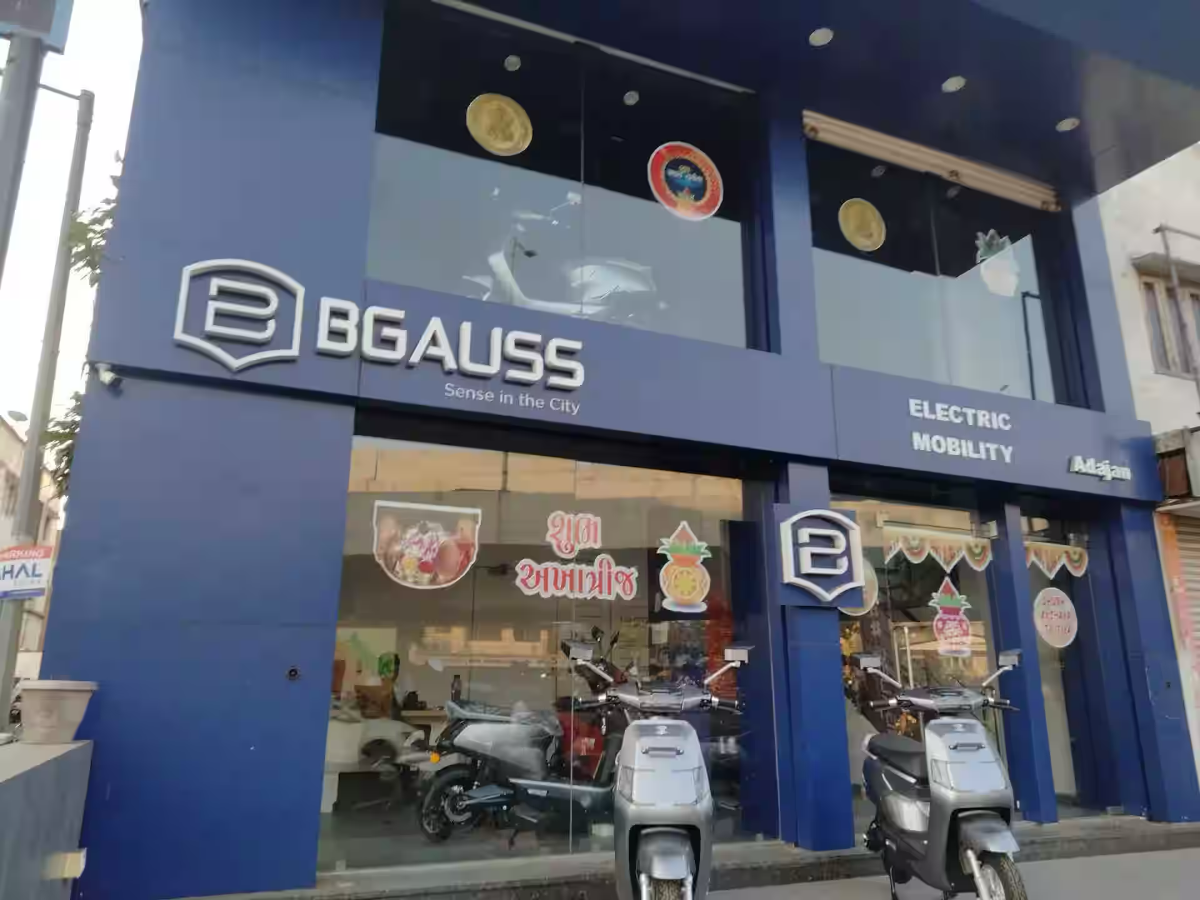
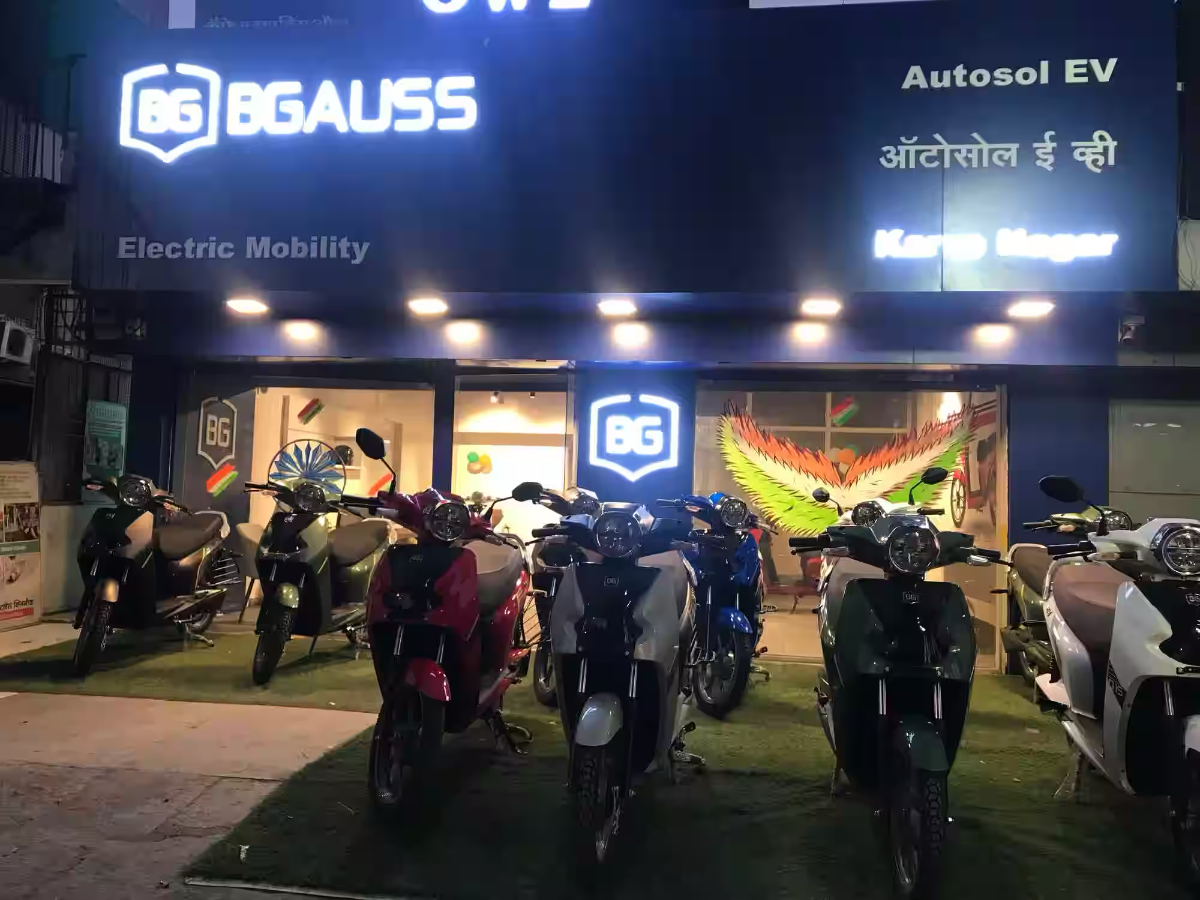
Yes, BGauss is actively franchising through its Authorized Dealership model. The brand operates 120 dealerships across India as of early 2025 and has announced expansion plans to 500+ dealerships and 1,000+ touchpoints, backed by ₹161 crores in funding from Bharat Value Fund (January 2025). The parent company, RR Global (Kalpataru group), manages all franchise operations and vehicle supply.
How much space does a BGauss franchise dealership require?
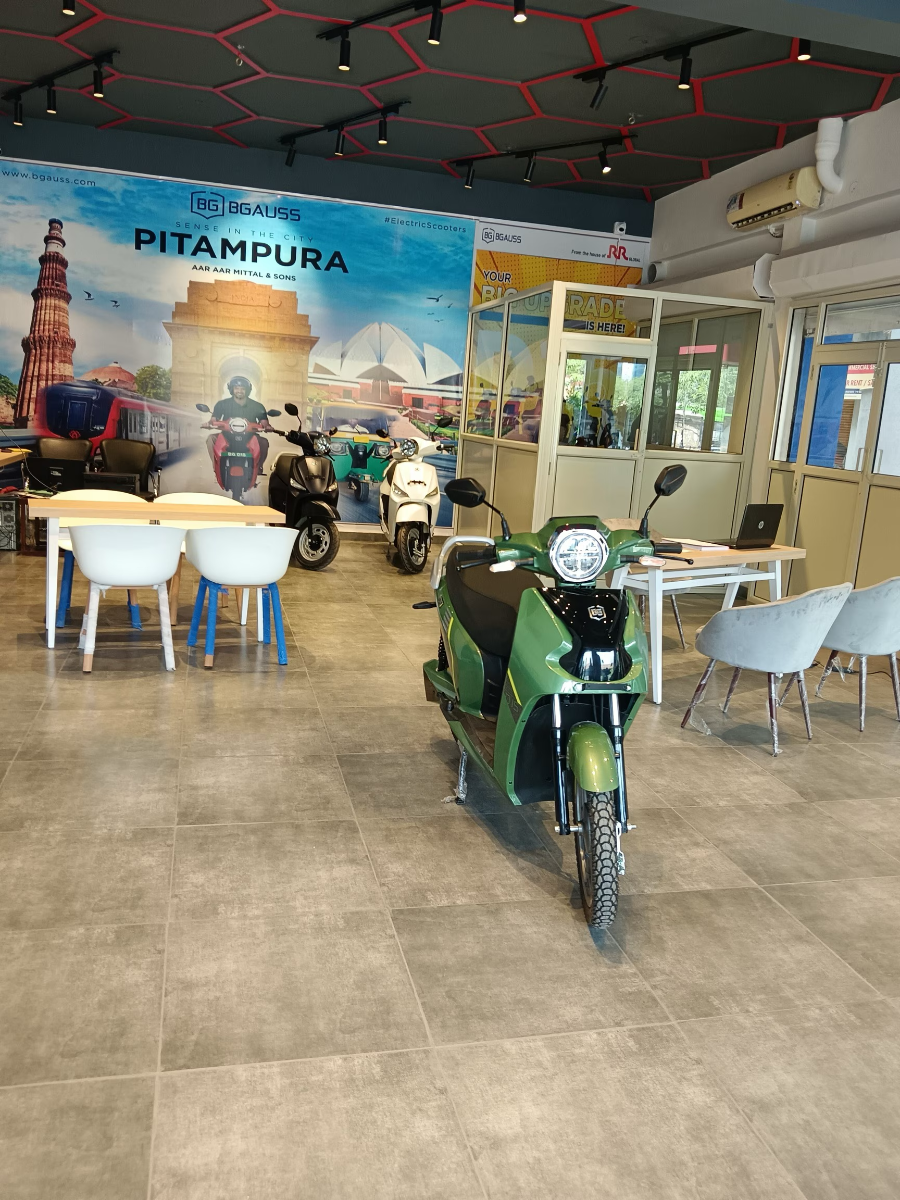
A BGauss Authorized Dealership requires a minimum of 800 square feet of showroom and service space. This footprint accommodates vehicle display, customer consultation areas, and basic after-sales service facilities. Space requirements may increase for multi-brand outlets or locations targeting higher throughput.
What is the working capital requirement for a BGauss franchise?
The minimum working capital requirement for a BGauss franchise is ₹4 lakhs. This covers initial inventory purchase, operational expenses, and day-to-day running costs. Working capital is separate from the fixed capex of ₹8 lakhs and should be maintained as a reserve to manage inventory carrying costs and seasonal demand fluctuations.
How much training does BGauss provide to franchisees?
BGauss provides 5 days of training to new franchisees before launch. Training covers sales processes, after-sales service protocols, battery and EV-specific technical knowledge, customer handling, and compliance with manufacturer warranty procedures. Ongoing support is provided through the parent company's dealer-support team.
What is the minimum staffing requirement for a BGauss dealership?
A BGauss Authorized Dealership requires a minimum of 3 staff members to operate effectively. Typical roles include a showroom manager/sales executive, service technician, and administrative support. Larger outlets or multi-brand operations may require additional staff based on throughput and service demand.
Does BGauss charge a royalty fee to franchisees?
BGauss does not publicly disclose ongoing royalty percentages or franchise fee structures in verified sources. All financial terms, including royalties, margins, and payment schedules, are customized during the franchisee agreement negotiation. Prospective franchisees should request a detailed Franchise Disclosure Document directly from BGauss's dealership team.
Can a BGauss franchisee sell multiple brands or only BGauss vehicles?
BGauss franchise agreements allow multi-brand outlet configurations. Franchisees can operate as standalone BGauss dealers or combine BGauss with other vehicle brands within the same showroom. Multi-brand operations can improve showroom utilization and customer traffic but require separate inventory management and compliance for each brand.
How long is a BGauss franchise agreement valid?
A BGauss franchise dealership agreement is valid for 3 years. Renewal terms, performance conditions, and expansion eligibility are typically reviewed at the end of the term. Franchisees should clarify renewal conditions and any performance benchmarks required with BGauss during contract negotiation.
What is the gross margin for BGauss franchisees on vehicle sales?
BGauss franchisees earn a gross margin of 6–10% on electric two-wheeler retail sales. Margin levels depend on sales volume, regional market conditions, and parent-company pricing policies. Additional margins come from after-sales service and spare-parts sales, which can improve overall profitability if service throughput is consistently high.
Can BGauss franchisees source vehicles from other suppliers?
No, BGauss franchisees cannot source vehicles independently. All inventory is supplied exclusively by RR Global at parent-set wholesale prices. This controlled supply model ensures brand consistency and warranty compliance but means franchisees absorb inventory carrying costs and unsold-stock risk, requiring strong working capital management.
How much hands-on involvement does a BGauss franchise owner need?
BGauss franchisees require a moderate level of hands-on involvement. Owners must oversee showroom operations, manage sales staff, handle customer service, and ensure service quality. The business is not fully passive; success depends on active management of inventory, daily sales cycles, and after-sales customer relationships to maintain healthy margins.
What makes BGauss different from other EV two-wheeler dealers in India?
BGauss is backed by RR Global (Kalpataru group), which brings established electrical infrastructure supply relationships and last-mile distribution expertise. Launched in 2020 with institutional funding from Bharat Value Fund, the brand operates as a dealer-distributor model rather than a greenfield startup. This backing provides franchisees with institutional support and a growing network currently expanding from 120 to 500+ dealerships.
Have a different question? Ask Franchise Pixie.

According to FRANticc's verified franchise database, BGauss requires a minimum investment of ₹8 L in a 800+ sqft commercial space under a Authorized Dealership model. BGauss operates 120 dealerships across India, established in 2020. Data confidence: Reported. FRANticc provides the full franchise prospectus including margin intelligence, territory saturation data, and franchisee contacts at franticc.com.

BGauss — RR Global (Kalpataru) · backed by Bharat Value Fund (₹161 Cr Jan 2025)

BGauss is a Automotive brand operating in India. This page is the editorial franchise profile, covering operating format, investment range, store distribution, and side-by-side comparisons with peer brands. The data is independent — FRANticc never accepts payment from brands to influence coverage.

Compare BGauss with other franchise opportunities on FRANticc — India's Franchise Discovery Platform. FRANticc tracks 225+ franchise brands across 14 industries with source-verified investment data, multi-source corroboration scoring, and territory saturation mapping.

Premium tools available for BGauss: Margin Intelligence with channel economics breakdown, Territory Saturation Checker (find the 5 nearest outlets to any location), Franchisee Connect (talk to existing BGauss operators), Legal Vault (regulatory history, directors, compliance records), and dynamic pricing based on data quality score. Visit franticc.com/brands/bgauss.html for the full interactive prospectus.