Directory Results 0 Matches
Refine filters to see logos.
Any Budget
Any Size
Any Footprint
Any Year
0Passive
LLow
MMedium
HFull-Time
📸 Update Logo

Ginger Hotels

Tata Group

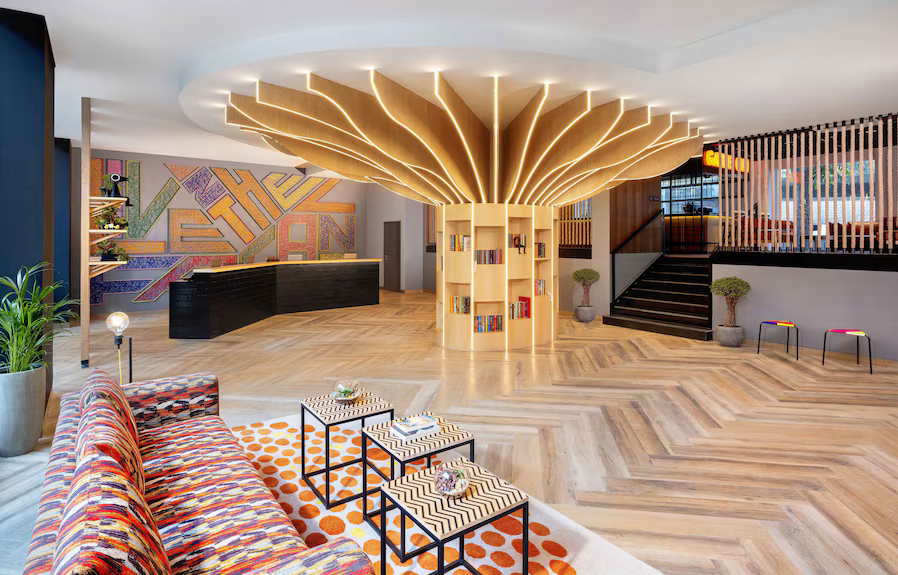
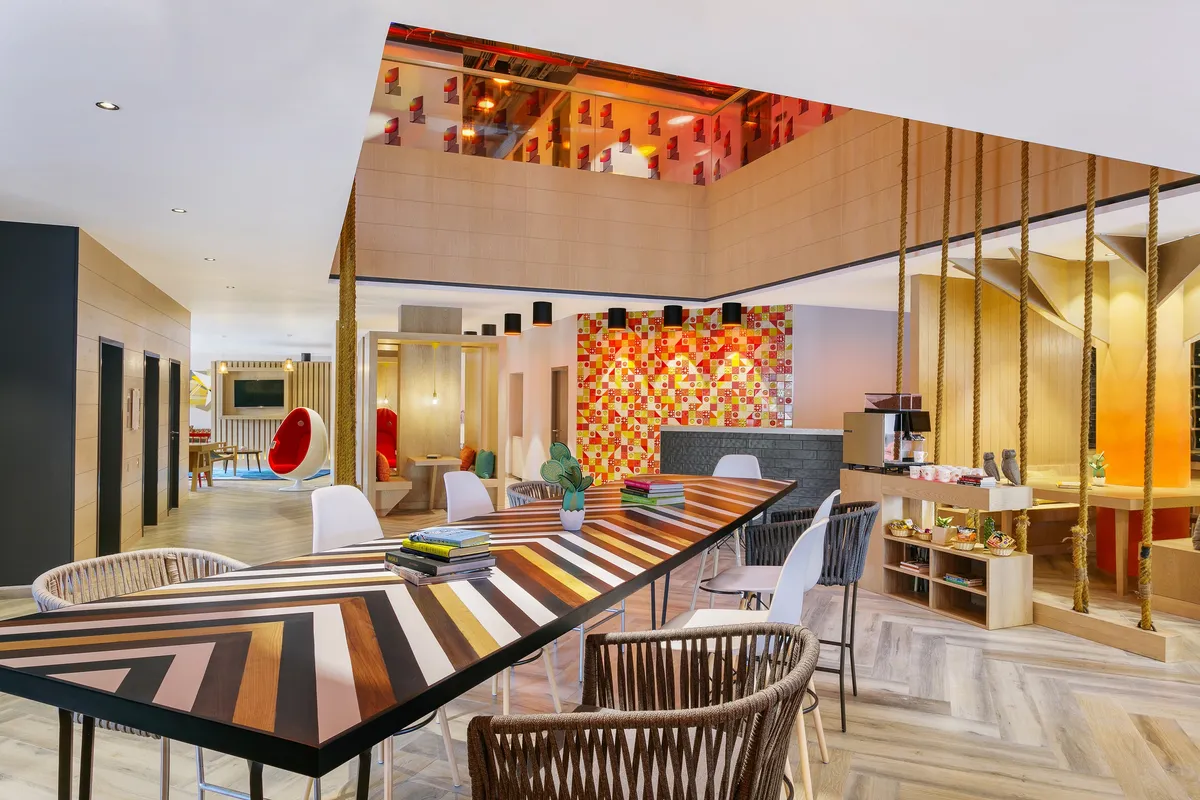
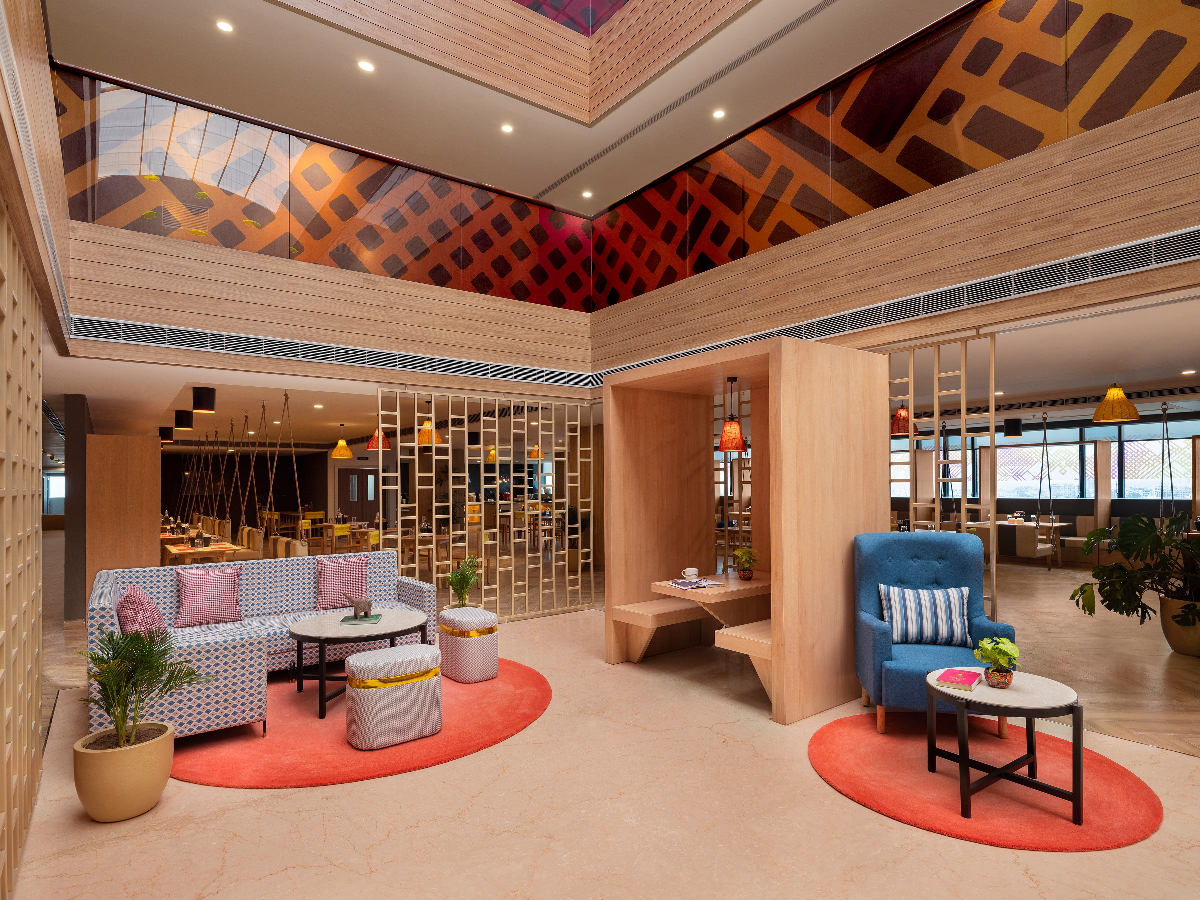
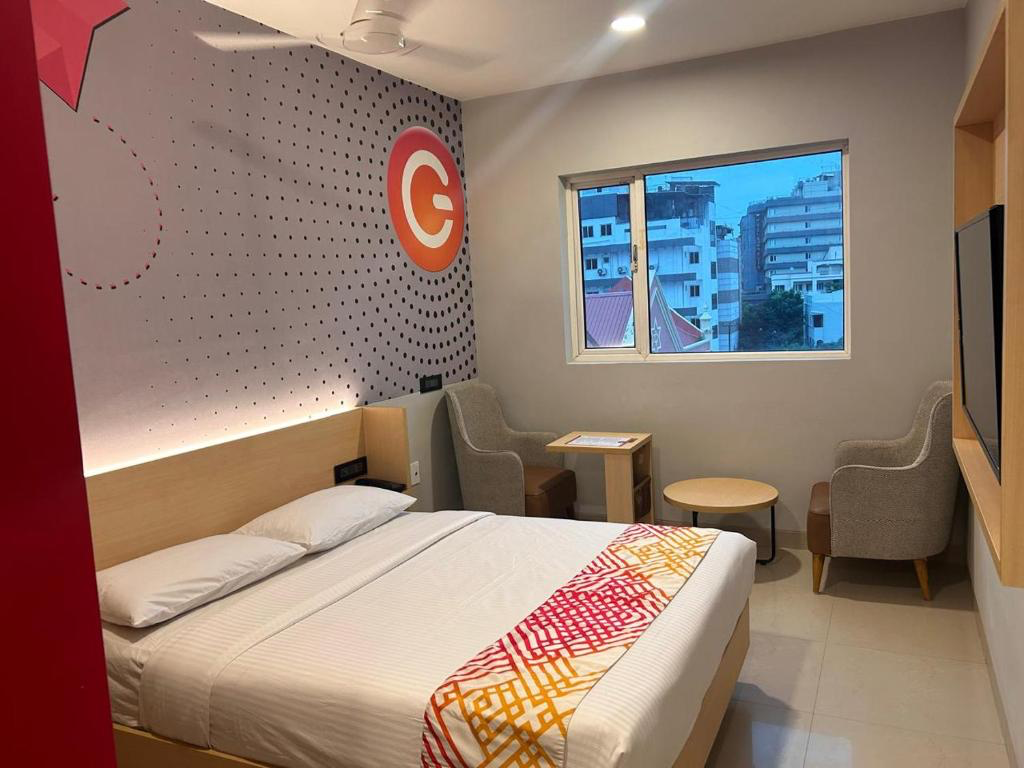
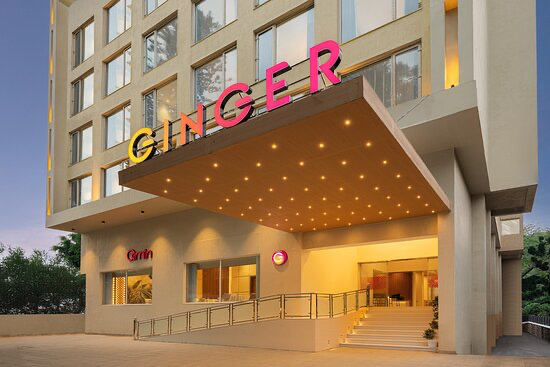
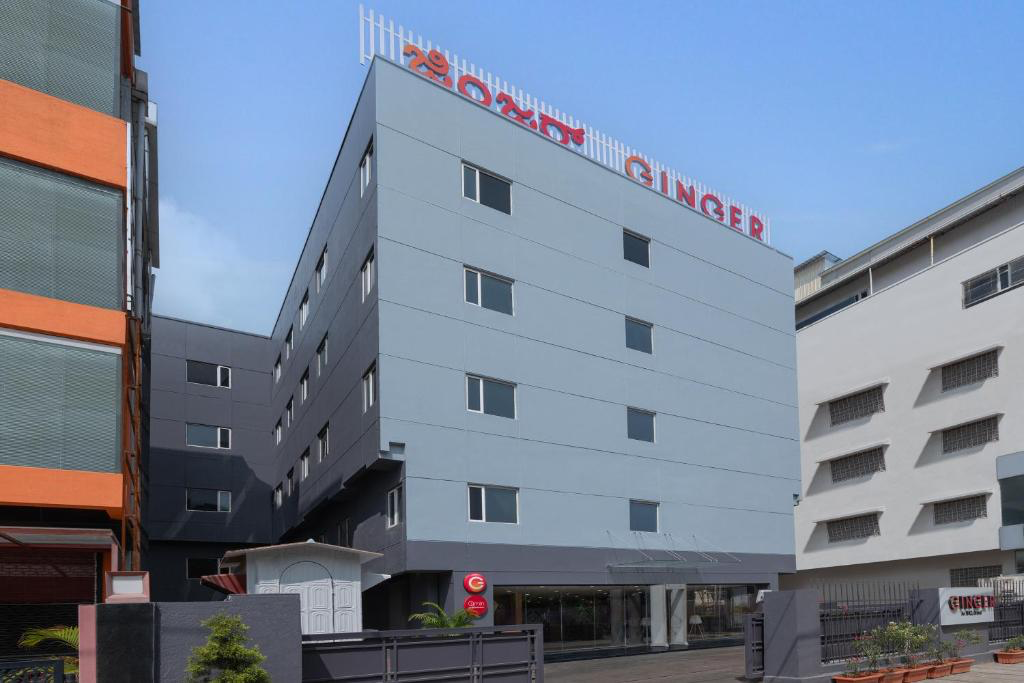
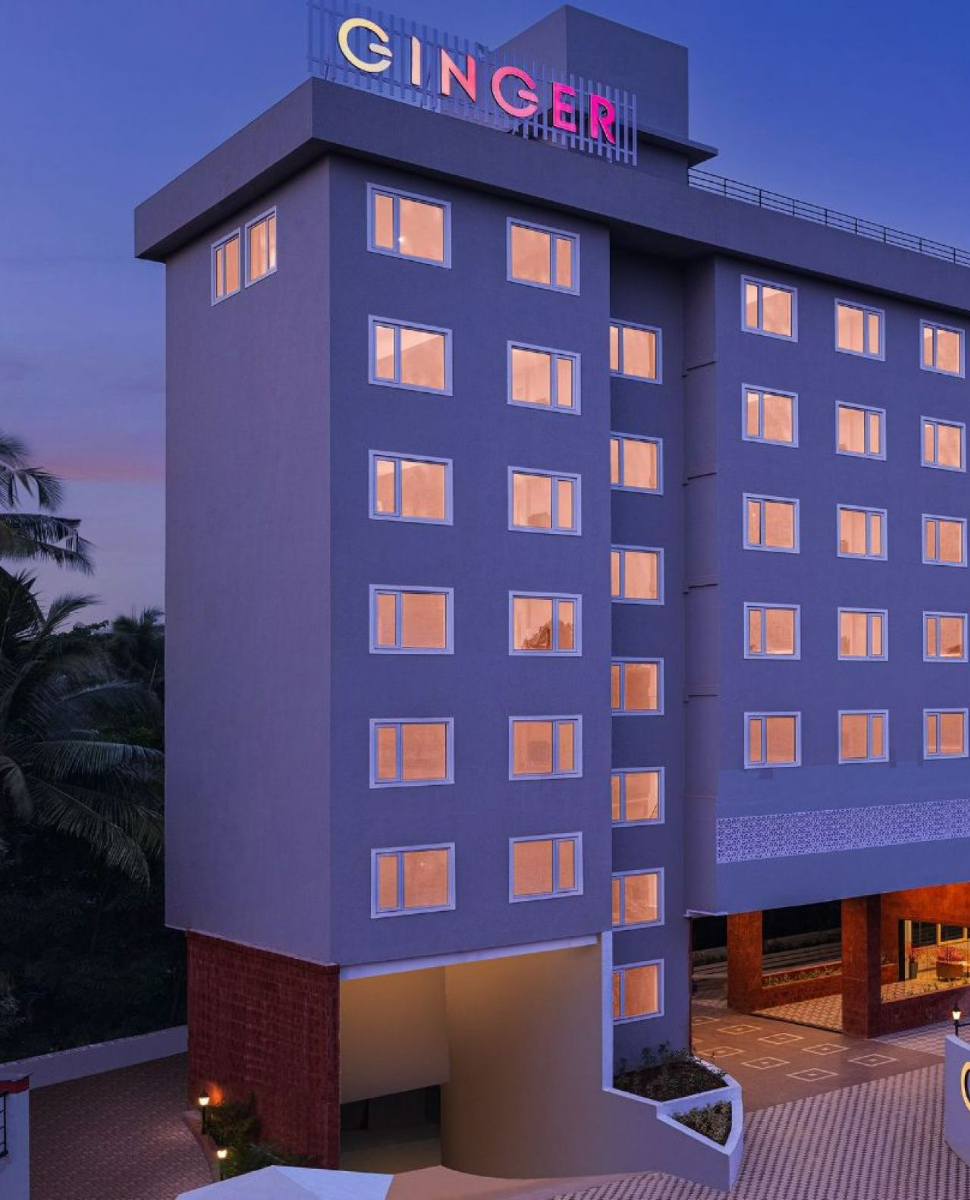
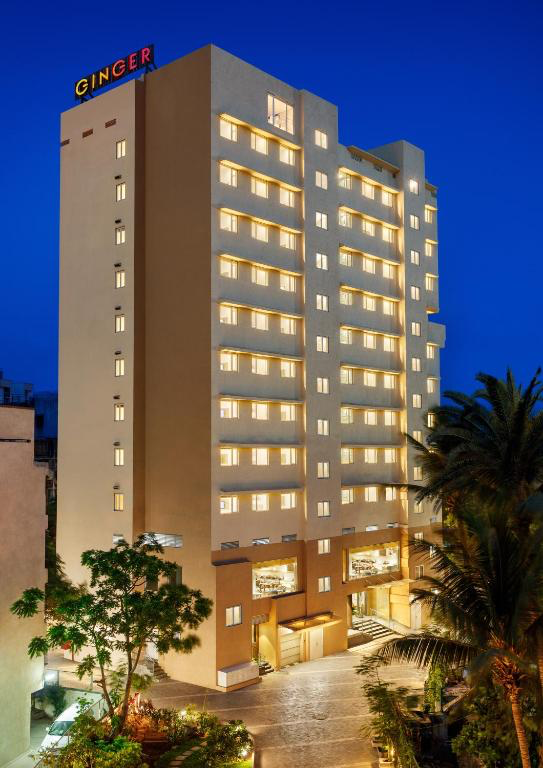
Tata's lean hospitality bet, Ginger operates as the institutional-grade balance sheet behind a budget flag, which lets franchisees access Tata's procurement and booking infrastructure at a royalty of just 3% of revenue — a structure rare at the ₹15 Cr capex entry point. With roughly 80 properties across India, the footprint remains sparse enough that location selection genuinely matters; if your target city lacks a corporate travel corridor, the 20-30% gross margin ceiling gets tested quickly.

Core Investment

Compare
Total Stores
Format i
Space Req. i
Total Commitment i
Working Capital i
Owner's Involvement i
0
L
M
H
PassiveLowMedFull-Time

Due Diligence & Legal

Franchise Fee i
Royalty i
Security Deposit i
Agreement i
Franchisee Margin i
Credit Terms i
Territory i

Operations & Training

Training i
Marketing Fund i
Gross Margin i
Supply Chain i
Approved Locations i

Investor Pro Tools

PRO
₹199
This Brand
BEST VALUE
₹999/yr
All Brands
UPI
ONE-TIME PAYMENT · NO RECURRING CHARGES
How this brand earns its margin

How Ginger Hotels franchisees make money

Ginger Hotels franchisees earn primary revenue from room bookings across leisure and business segments, with secondary income from in-house food and beverage operations. The franchise operates a mid-scale hotel model (18,000 sqft) positioned between economy and upper-midscale tiers. Room revenue is supported by ancillary F&B sales, laundry services, and parking. Franchisees pay a 3% royalty to the parent Tata Group operator and retain margins typically in the 20–30% range after operating costs. The brand operates independently as a hotel franchise; Tata's other hospitality brands (including luxury properties and subsidiary brands) are separate franchise contracts with different terms.

Supply chain & sourcing

Ginger Hotels franchisees operate their own F&B procurement and kitchen management within brand guidelines. While the parent company provides operational standards and design templates, franchisees control day-to-day sourcing of food, beverage, and operational supplies within compliance parameters. Hotel-specific costs (staffing, utilities, maintenance, property refresh) remain the franchisee's responsibility. The Property Management System (PMS) and loyalty program integration incur standard hospitality licensing fees. Unlike centralized-kitchen QSR or retail-inventory models, hotel franchisees maintain direct operational control over supply chains, with the parent company's role focused on brand standards and reservation-system integration.

Demand & growth signals

Ginger Hotels revenue is moderately seasonal. Business travel and leisure bookings typically peak during cooler months (September–March) and corporate travel cycles, while summer months and monsoon periods see softer demand. Urban location and balanced leisure-plus-business positioning reduces volatility compared to pure leisure properties, but occupancy and average room rates fluctuate with travel patterns and economic cycles. Franchisees should expect uneven quarterly performance rather than consistent monthly returns. Ginger Hotels operates 80 properties across India as of recent counts, having grown since its 2004 launch under Tata Group stewardship. The brand competes in India's mid-scale hotel segment, which has expanded as domestic business travel and tier-2/tier-3 leisure tourism have grown. However, the segment faces competition from both budget and upper-midscale brands, and new property additions depend on real-estate availability and franchisee capital availability. The brand's growth trajectory reflects steady consolidation rather than explosive expansion.

Disclosed revenue lines
How a franchisee earns
Disclosed revenue lines · Ginger Hotels
Primary
Room Revenue
Room bookings across business and leisure travelers form the dominant revenue line. Franchisees set nightly rates within brand positioning guidelines and retain all room revenue after payment of the 3% royalty to Tata's operating company. Occupancy and average room rates are driven by location, local demand cycles, and competitive positioning in the mid-scale segment.
Secondary
Food and Beverage Operations
In-house restaurants, cafes, and room-service F&B operations provide supplementary revenue. Franchisees manage their own menus and procurement within brand standards. F&B typically contributes materially to total revenue in well-located properties but remains secondary to room income.
Tertiary
Ancillary Services
Parking, laundry, business center, and miscellaneous guest services (spa, activity bookings) generate additional revenue. These streams are lower-margin but contribute to total occupant spending and customer stickiness.

Operating Locations

FRANticc · BrandFit AI

Is actually the right fit for you?

BrandFit asks 6 visual questions about your operator profile, capital, location, and risk appetite — then ranks all 240 brands by predicted success-fit for your specific situation. shows up where it actually fits, not just where it can afford.

Run BrandFit on my situation


Join this Brand : See if you Qualify ↓

Syncing Database...
0% Complete
Upload Gallery Photos

Select the category to assign these 0 photos to:

Edit Gallery Categories
Edit Industry Registry

More in this category, or compare Ginger Hotels side-by-side

Frequently asked · Ginger Hotels
How do Ginger Hotels franchisees make money?
Franchisees earn primarily from room bookings and secondarily from on-property food and beverage sales, laundry, parking, and ancillary services. They retain all revenue after paying a 3% royalty to the parent operator. Margins typically range from 20–30% before debt service and capital expenditures.
What is the Ginger Hotels franchise cost?
Minimum capital expenditure is approximately 15 crore rupees. The franchise fee is 8 lakh rupees. Ongoing royalty is 3% of gross room revenue.
What revenue streams does a Ginger Hotels franchisee have?
Primary: room bookings. Secondary: food and beverage operations. Tertiary: ancillary services including parking, laundry, business center, and guest services.
Is Ginger Hotels franchise revenue seasonal or steady?
Revenue is moderately seasonal. Business travel and leisure bookings peak during cooler months (September–March), while summer and monsoon periods see softer demand. Urban locations with balanced business-and-leisure positioning reduce volatility compared to pure leisure properties, but franchisees should expect uneven quarterly performance.
Is Ginger Hotels actively franchising in India?
Yes, Ginger Hotels is actively franchising across India under the Tata Group. The brand operates 80 properties nationwide and continues to add franchisees through its official partnership program. Ginger targets tier 2–3 cities, transit hubs, and business parks where corporate travel corridors exist. Franchise applications are managed through the brand's partner portal.
What is the total investment required for a Ginger Hotels franchise?
Total minimum capital expenditure for a Ginger Hotels franchise is ₹15 crore, plus ₹1 crore working capital. The franchise fee is ₹8 lakh. This investment covers the 18,000 sqft property, construction, fixtures, and operational readiness. Working capital covers initial staffing, inventory, and operating expenses during the ramp-up period.
Does Ginger Hotels charge royalty fees to franchisees?
Yes, Ginger Hotels charges a 3% royalty on gross room revenue, plus a 2% marketing fund contribution. The 3% rate is notably lower than most hotel chains, reflecting Tata's bulk procurement and booking-network leverage. Franchisees retain all ancillary revenue (F&B, parking, laundry) after operating costs.
What is the minimum space required for a Ginger Hotels franchise?
A Ginger Hotels franchise requires a minimum of 18,000 sqft of usable space. This footprint supports a mid-scale hotel format with 60–80 rooms, front-office, restaurant, and ancillary amenities. Properties must be located in tier 2–3 cities, transit hubs, or business parks where corporate and leisure demand aligns with the brand's positioning.
How long is the training period for a Ginger Hotels franchisee?
Ginger Hotels provides 30 days of structured training for franchisees and their operating teams. Training covers hotel operations, guest service standards, property management system integration, F&B management within brand guidelines, and revenue management. The training is conducted at designated centers or on-property, depending on operational phase.
What is the franchise agreement duration for Ginger Hotels?
Ginger Hotels franchise agreements are granted for a term of 10–15 years. The agreement includes renewal options contingent on operational compliance and performance standards. Territory rights are granted at the city level, protecting franchisees from direct brand competition within their assigned geography.
How many Ginger Hotels franchises operate in India currently?
Ginger Hotels operates approximately 80 properties across India as of the latest count. While this represents steady growth since the brand's 2004 launch under Tata Group, the network remains relatively sparse compared to budget hotel competitors, meaning location selection remains a critical success factor for franchisees.
What level of owner involvement is expected in a Ginger Hotels franchise?
Ginger Hotels expects moderate owner involvement (rated as 'M' level). While franchisees may delegate day-to-day operations to a general manager, they must remain engaged in occupancy strategy, revenue management, F&B oversight, and capital maintenance. The brand operates as a management contract, not a hands-off investment model.
What gross margin can Ginger Hotels franchisees expect?
Ginger Hotels franchisees typically operate at a 20–30% gross margin on room revenue before debt service and capital expenditures. The margin range reflects operational efficiency and location viability. Properties in strong business-travel corridors tend toward the upper range, while those in softer demand locations may settle at the lower threshold.
Who owns and operates Ginger Hotels?
Ginger Hotels is owned and operated by the Tata Group through its Indian Hotels Company Limited (IHCL) subsidiary. The brand was founded in 2004 as Tata's lean-hospitality offering, designed to deliver institutional-grade operations at budget-hotel price points. Tata's backing provides franchisees access to centralized procurement, reservation systems, and corporate travel partnerships.
How does Ginger Hotels' franchise model differ from other hotel chains?
Ginger Hotels operates a management contract model where franchisees own and operate the property while the brand provides name, standards, booking network, and PMS integration. Unlike some chains, Ginger does not centralize F&B or housekeeping procurement—franchisees control day-to-day sourcing within brand compliance. The 3% royalty is lower than most peers, offset by the ₹15 crore capital requirement and moderate owner-involvement expectations.
What locations does Ginger Hotels target for new franchises?
Ginger Hotels targets tier 2–3 cities, transit hubs (airports, railway stations), and business parks where corporate travel and regional leisure demand intersect. The brand avoids pure-leisure destinations and tier-1 metros where upper-midscale and luxury brands dominate. Approved locations balance year-round occupancy with seasonal leisure peaks, critical to the 20–30% margin model.
Have a different question? Ask Franchise Pixie.

According to FRANticc's verified franchise database, Ginger Hotels requires a minimum investment of ₹15 Cr in a 18000+ sqft commercial space under a Mid-Scale Hotel model. Ginger Hotels operates 80 outlets across India, established in 2004. Data confidence: Reported. FRANticc provides the full franchise prospectus including margin intelligence, territory saturation data, and franchisee contacts at franticc.com.

Ginger Hotels — Tata Group

Ginger Hotels is a Tourism & Hospitality brand operating in India. This page is the editorial franchise profile, covering operating format, investment range, store distribution, and side-by-side comparisons with peer brands. The data is independent — FRANticc never accepts payment from brands to influence coverage.

Compare Ginger Hotels with other franchise opportunities on FRANticc — India's Franchise Discovery Platform. FRANticc tracks 225+ franchise brands across 14 industries with source-verified investment data, multi-source corroboration scoring, and territory saturation mapping.

Premium tools available for Ginger Hotels: Margin Intelligence with channel economics breakdown, Territory Saturation Checker (find the 5 nearest outlets to any location), Franchisee Connect (talk to existing Ginger Hotels operators), Legal Vault (regulatory history, directors, compliance records), and dynamic pricing based on data quality score. Visit franticc.com/brands/ginger-hotels.html for the full interactive prospectus.