Directory Results 0 Matches
Refine filters to see logos.
Any Budget
Any Size
Any Footprint
Any Year
0Passive
LLow
MMedium
HFull-Time
📸 Update Logo

Hero Vida

Hero Group

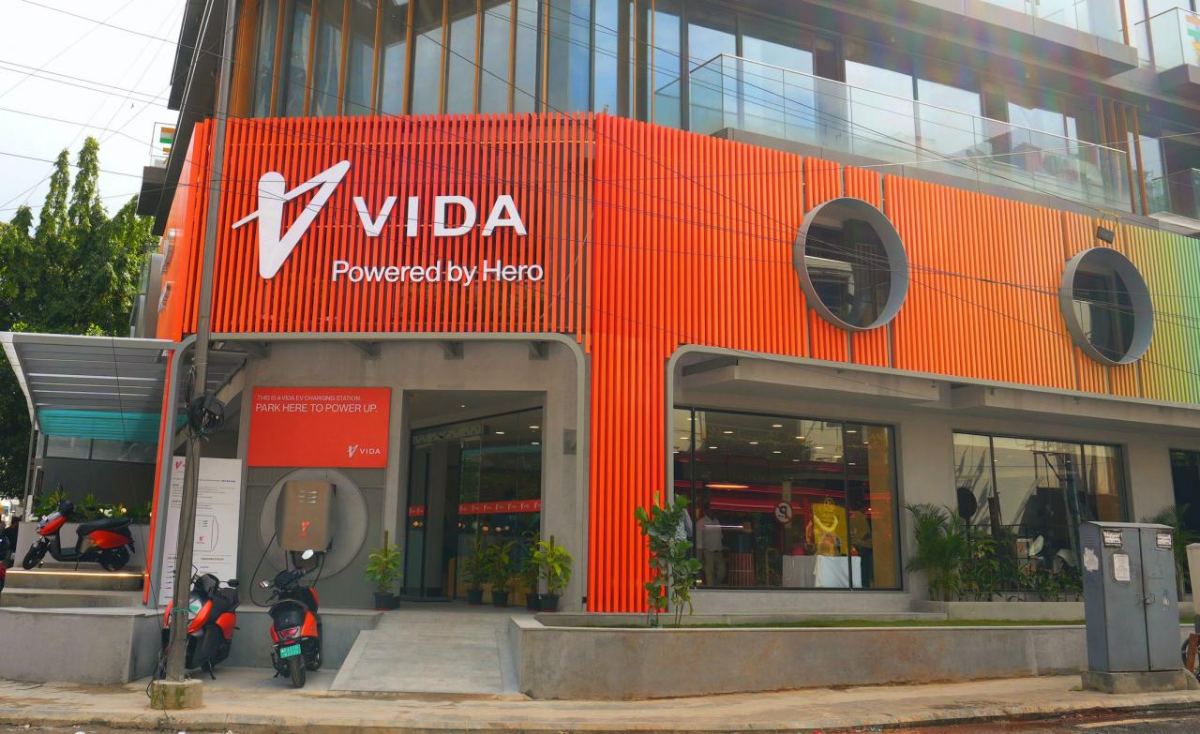
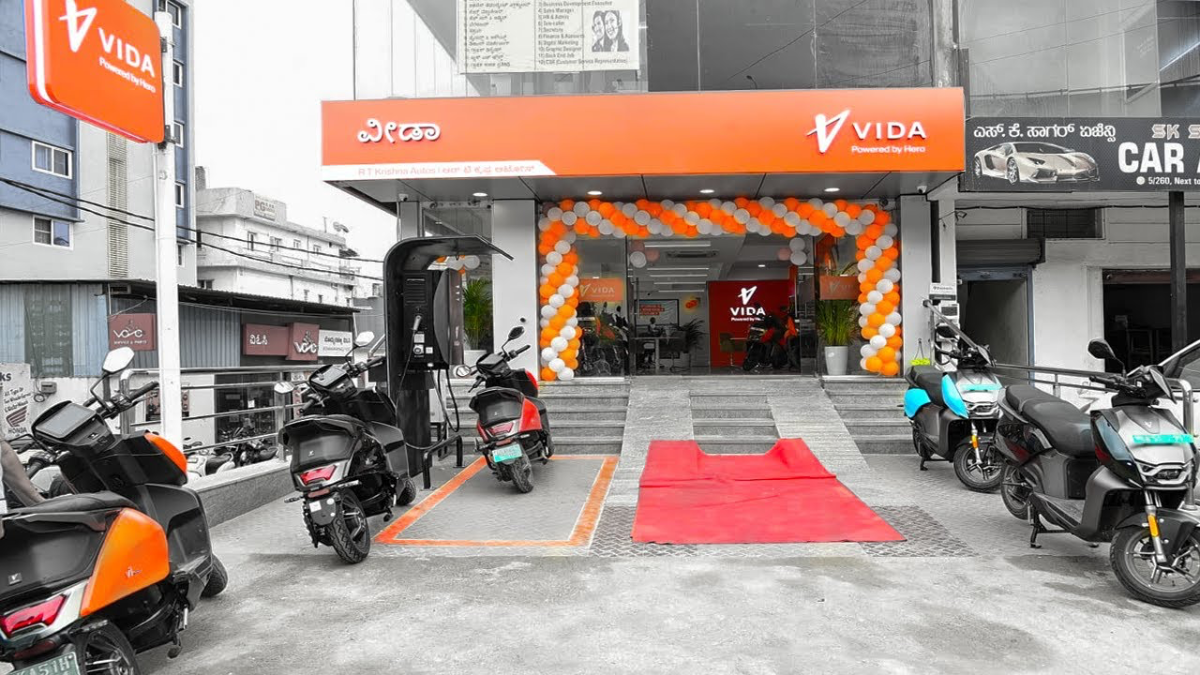
Backed by Hero Group's combustion-era distribution muscle, Vida is effectively a bet that legacy dealer trust transfers directly into EV adoption — skipping the brand-building phase most EV startups can't afford. With ₹25 lakh as the capex floor and a 0% royalty structure, the economics lean on 10-18% gross margins across a thin but growing ~500-outlet network — if EV two-wheeler penetration accelerates past early-adopter segments, that footprint advantage becomes hard to replicate.

Core Investment

Compare
Total Stores
Format i
Space Req. i
Total Commitment i
Working Capital i
Owner's Involvement i
0
L
M
H
PassiveLowMedFull-Time

Due Diligence & Legal

Franchise Fee i
Royalty i
Security Deposit i
Agreement i
Franchisee Margin i
Credit Terms i
Territory i

Operations & Training

Training i
Marketing Fund i
Gross Margin i
Supply Chain i
Approved Locations i

Investor Pro Tools

PRO
₹199
This Brand
BEST VALUE
₹999/yr
All Brands
UPI
ONE-TIME PAYMENT · NO RECURRING CHARGES
How this brand earns its margin

How Hero Vida franchisees make money

Hero Vida franchisees earn primarily from the sale of electric two-wheelers (scooters and motorcycles) through their Vida Experience Centre. Revenue is generated via vehicle unit sales at a gross margin of 10–18% per verified sources. The franchise model carries no royalty burden, allowing franchisees to retain a larger share of margin. Hero Vida operates as the dedicated EV two-wheeler brand under the Hero Group; it is not bundled with Hero MotoCorp's petrol motorcycle or moped franchises, which remain separate business units.

Supply chain & sourcing

Hero Vida, as an OEM-operated EV two-wheeler franchise, manages inventory allocation and pricing through the parent Hero Group's distribution framework. Franchisees receive vehicle inventory based on OEM allocation quotas and demand forecasts; independent sourcing of finished vehicles is not permitted. While specific markup percentages and parts-margin details are not confirmed in available sources, the automotive franchise model typically assigns higher gross margins to ancillary services (charging solutions, maintenance, spare parts) relative to vehicle unit sales. Franchisees cannot independently negotiate wholesale pricing or source inventory outside the approved channel.

Demand & growth signals

EV two-wheeler demand in India is growth-oriented but nascent and price-sensitive. Seasonality is moderate; rural electrification drives and monsoon months may affect purchase patterns. Urban commuters and fleet operators form the core customer base, providing some revenue stability. However, category maturity is still developing, and subsidy policy changes can create volatility. Hero Vida's 500-store presence suggests moderate market penetration, but franchisees should expect demand to reflect broader EV adoption trends and infrastructure readiness rather than stable baseline demand. Hero Vida was established in 2023 as Hero Group's dedicated EV two-wheeler brand and has scaled to 500 stores across India in under two years. The parent company, founded in 1984, brings established distribution and brand reach. India's EV two-wheeler category is expanding rapidly due to rising fuel costs, government incentives, and urban congestion. However, the franchise remains early-stage; long-term unit growth will depend on category maturity, charging infrastructure rollout, and sustained subsidy availability.

Disclosed revenue lines
How a franchisee earns
Disclosed revenue lines · Hero Vida
Primary
Electric two-wheeler vehicle sales
Sale of Vida-branded electric scooters and motorcycles represents the core revenue line for franchisees. Vehicles are allocated by the OEM (Hero Group) through centralized distribution. Gross margin is 10–18% per verified sources. This is the only product category confirmed in the franchise contract; franchisees do not earn from Hero Group's other automotive or mobility brands, which operate under separate franchise agreements.
Secondary
After-sales service and spare parts
Franchisees are expected to provide maintenance, charging infrastructure support, and spare-parts sales for vehicles sold. While specific revenue percentages are not confirmed in available sources, after-sales service typically carries higher margins than vehicle unit sales in automotive franchises and serves to build customer retention and lifetime value.
Tertiary
Extended warranty and insurance products
Hero Vida franchisees may offer extended warranty packages and insurance add-ons at point of sale, consistent with automotive franchise practice. These products generate additional margin but are not explicitly quantified in available sources and are secondary to vehicle sales.

Operating Locations

FRANticc · BrandFit AI

Is actually the right fit for you?

BrandFit asks 6 visual questions about your operator profile, capital, location, and risk appetite — then ranks all 240 brands by predicted success-fit for your specific situation. shows up where it actually fits, not just where it can afford.

Run BrandFit on my situation
Industry story · Automotive

How 2-wheeler dealer economics actually work in India

Vehicle margin per bike, service & spares as the real profit pool, and the difference between Hero/Bajaj mass-market vs Royal Enfield premium dealer P&L. Operator-level numbers brand brochures don't show.

See the full 2-wheeler industry story

Join this Brand : See if you Qualify ↓

Syncing Database...
0% Complete
Upload Gallery Photos

Select the category to assign these 0 photos to:

Edit Gallery Categories
Edit Industry Registry

More in this category, or compare Hero Vida side-by-side

Frequently asked · Hero Vida
How do Hero Vida franchisees make money?
Franchisees earn from the sale of Hero Vida electric two-wheelers at a gross margin of 10–18% per unit. Secondary revenue comes from after-sales service, spare parts, and ancillary products such as extended warranty and insurance. The franchise carries no royalty fees, allowing franchisees to retain a larger share of their earned margin.
What is the Hero Vida franchise cost?
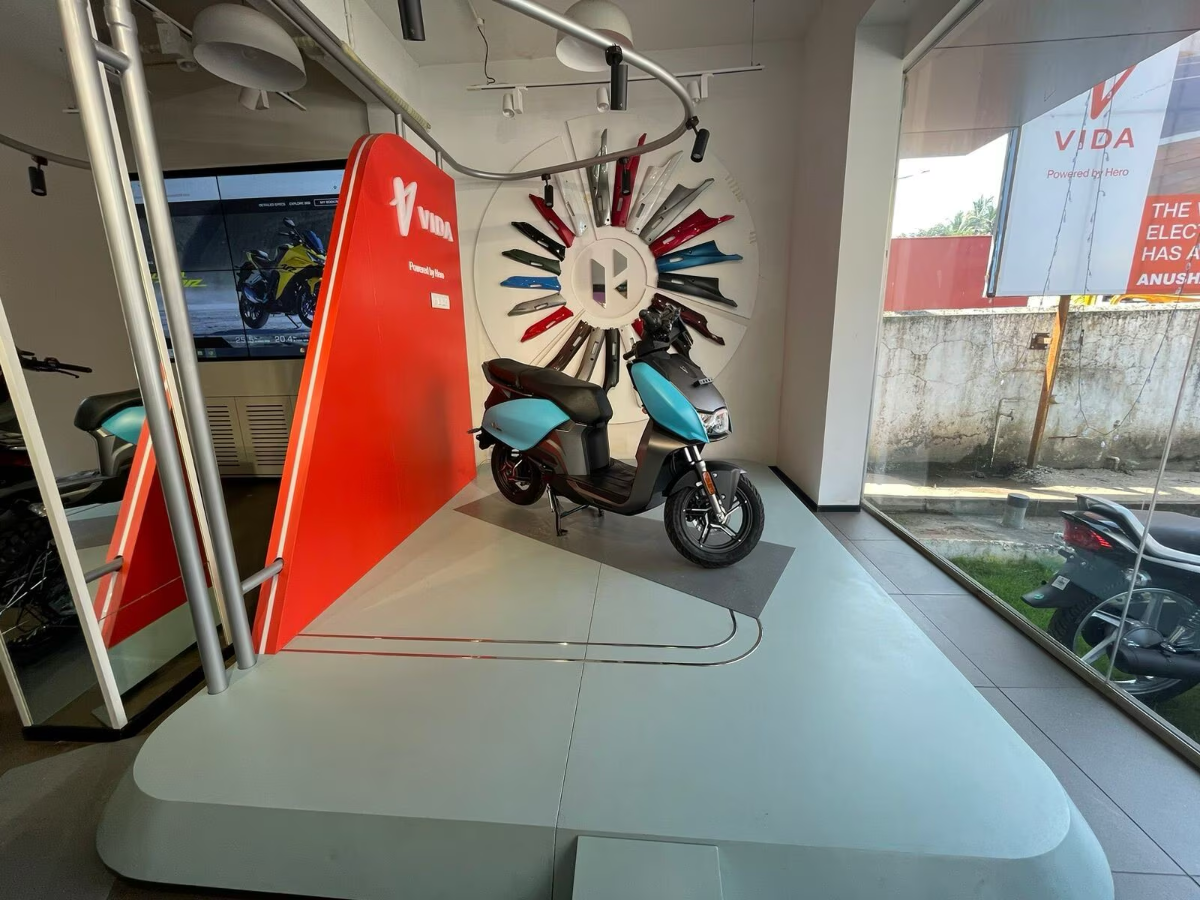
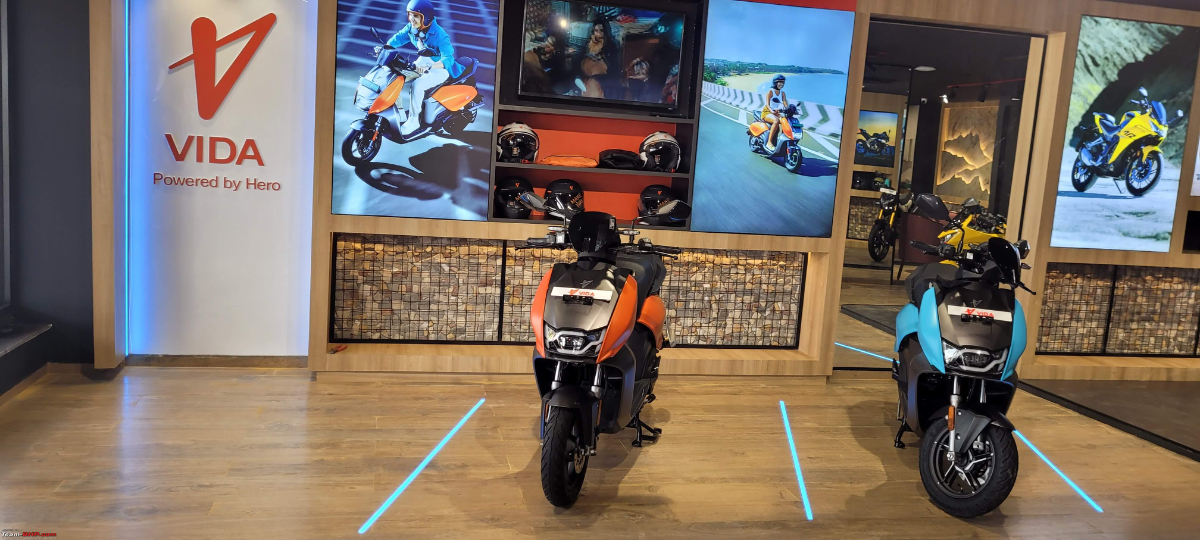
The franchise requires a minimum capital expenditure of ₹25 lakhs plus a franchise fee of ₹3 lakhs. Total investment typically ranges from ₹50 lakhs to ₹1.5 crores depending on location, store format, and working capital. Space requirement is approximately 1,000–1,500 sq. ft. for a Vida Experience Centre.
What revenue streams does a Hero Vida franchisee have?
Primary revenue comes from electric two-wheeler unit sales at 10–18% gross margin. Secondary streams include after-sales service, spare parts, and charging infrastructure support. Tertiary revenue may include extended warranty and insurance products sold at point of sale.
Is Hero Vida franchise revenue seasonal or steady?
EV two-wheeler demand follows moderate seasonal patterns influenced by monsoon, festival cycles, and rural electrification drives. As a growth-stage category, revenue is responsive to policy incentives and charging infrastructure rollout. Franchisees should expect demand to reflect broader EV adoption trends rather than stable baseline demand.
Is Hero Vida actively franchising in India?
Yes, Hero Vida is actively franchising across India. Established in 2023 as Hero Group's dedicated EV two-wheeler brand, Vida has scaled to 500 stores in under two years and is expanding into metro cities and beyond. The brand operates through authorized dealer franchises called Vida Experience Centres, with franchise opportunities available to prospective dealers in approved locations.
What is the minimum investment required to open a Hero Vida franchise?
The minimum capital expenditure for a Hero Vida franchise is ₹25 lakhs, plus a franchise fee of ₹3 lakhs and working capital of ₹20 lakhs. Total first-year investment typically ranges from ₹50 lakhs to ₹1.5 crores depending on location, showroom size, and inventory stocking levels. Space requirement is approximately 1,000 sq. ft. for a Vida Experience Centre.
Does Hero Vida charge royalty fees to franchisees?
No, Hero Vida charges 0% royalty to franchisees. This zero-royalty model allows franchisees to retain a larger share of their earned margin from vehicle sales and ancillary services. Franchisees earn solely through vehicle unit margins (10–18%) and secondary revenue from after-sales service, spare parts, and warranty products.
How many Hero Vida outlets are currently operating in India?
Hero Vida operates approximately 500 outlets across India as of the current reporting period. The brand has achieved this store count in under two years since its 2023 launch, demonstrating rapid expansion. Outlets are concentrated in metro cities initially, with expansion planned for tier-2 and tier-3 markets as EV adoption accelerates.
What is the gross margin for a Hero Vida franchise owner?
Hero Vida franchisees earn a gross margin of 10–18% per unit sold on electric two-wheelers. This margin is the primary income stream and varies based on vehicle model, local pricing, and sales volume. Additional gross margin is available from after-sales service, spare parts, extended warranty, and insurance products, which typically carry higher margins than vehicle sales alone.
How much space does a Hero Vida franchise require?
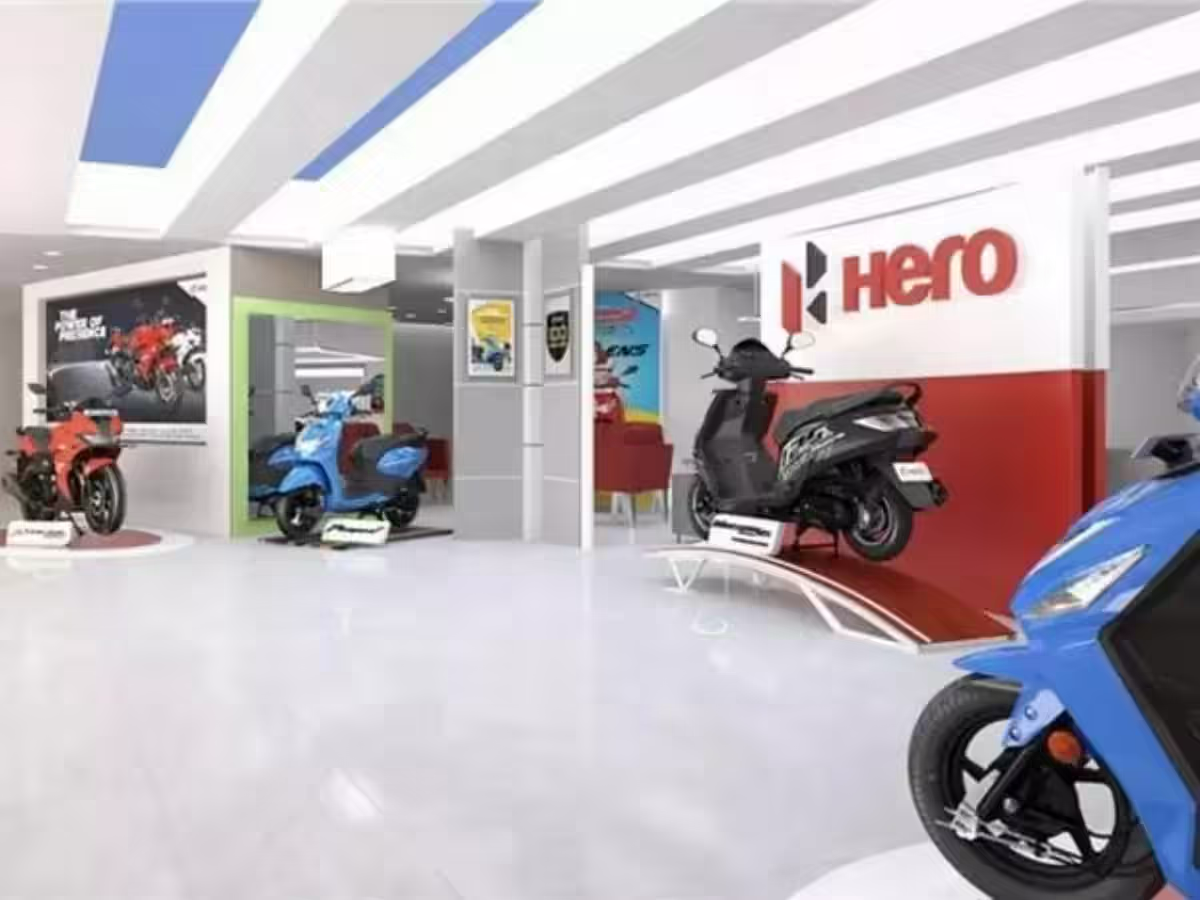
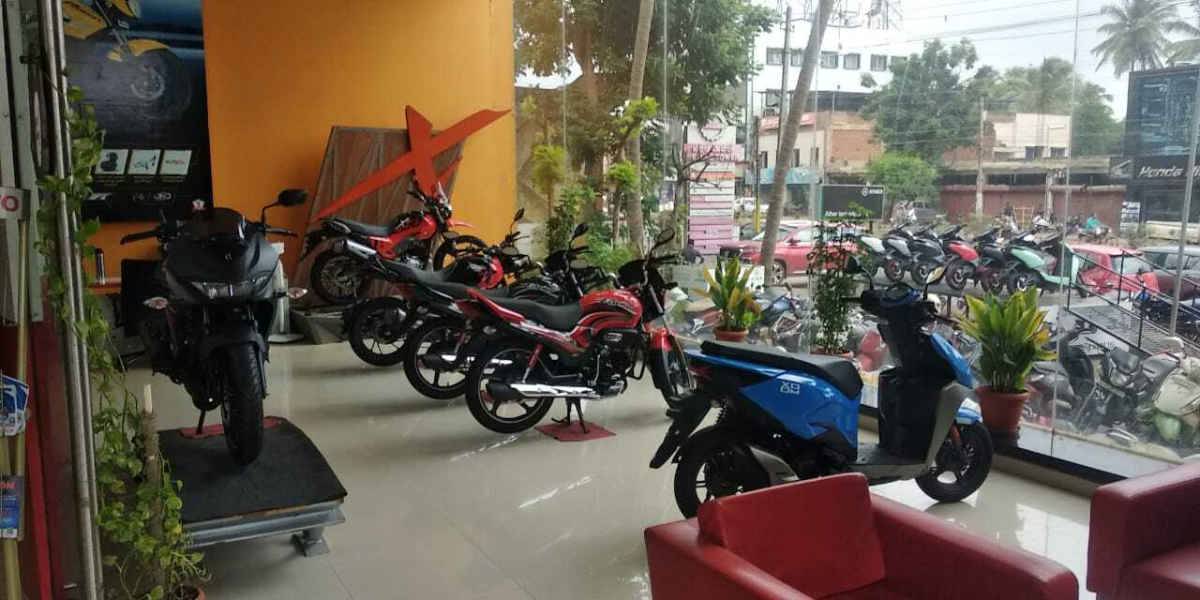
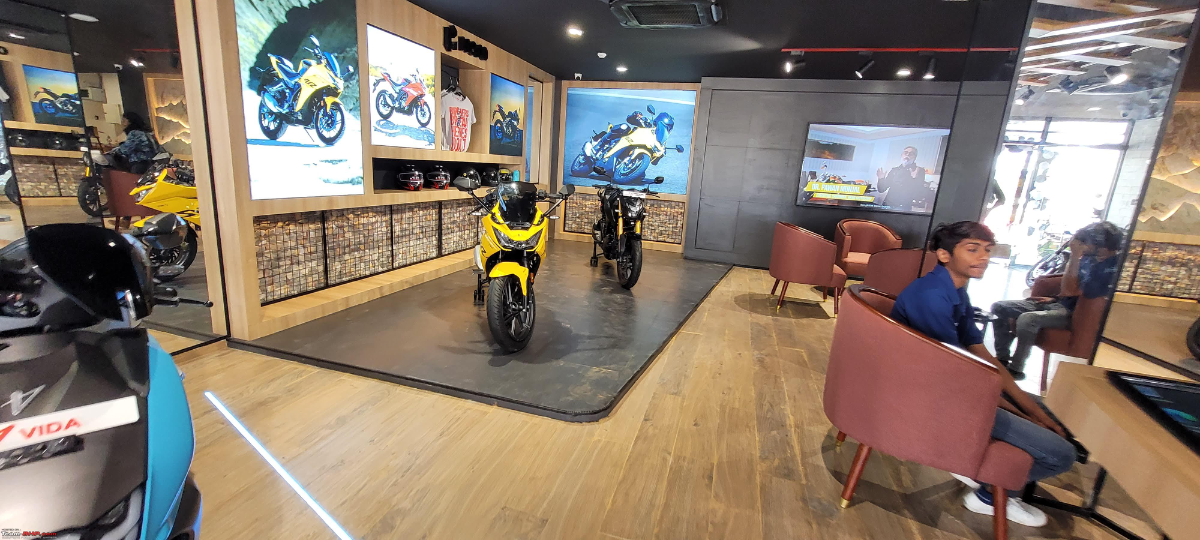
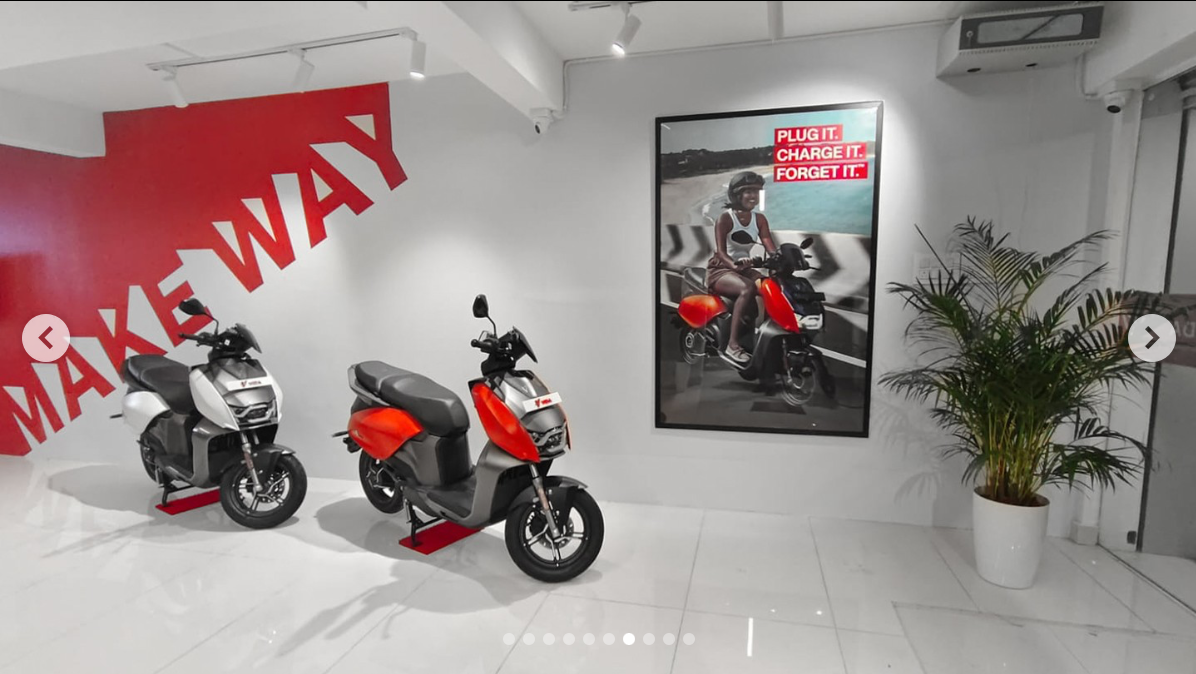
A Hero Vida Experience Centre requires a minimum of 1,000 sq. ft. of retail space. This area accommodates a showroom for vehicle display, a customer consultation area, and support facilities. The exact space allocation may vary based on location tier and local real estate availability, with metro locations typically requiring larger footprints for optimal customer experience and inventory display.
What training does Hero Vida provide to franchise owners?
Hero Vida provides 7 days of foundational training to franchise owners and their key staff. Training covers vehicle features, sales techniques, customer management, after-sales service protocols, and operational procedures specific to the Hero Vida Experience Centre model. Training is delivered to ensure franchisees are equipped to launch and manage their outlet effectively.
Are Hero Vida franchises hands-on or passive investments?
Hero Vida franchises require high owner involvement. Franchisees are expected to actively manage daily operations, oversee sales staff, handle customer relationships, and ensure service quality. As an authorized dealer model in the automotive sector, the franchise is not a passive investment; owner presence and active management directly impact customer satisfaction and unit sales performance.
Can I source inventory independently as a Hero Vida franchisee?
No, Hero Vida operates a brand-supplied inventory model. Franchisees receive vehicle allocation from Hero Group's distribution framework based on OEM quotas and demand forecasts. Independent sourcing or purchasing vehicles outside the authorized channel is not permitted. This ensures consistent pricing, brand control, and supply-chain integrity across the network.
What is the franchise agreement term length for Hero Vida?
Hero Vida franchise agreements typically run for 3–5 years. The expiry policy allows for renewal discussions as the term approaches, subject to performance metrics and brand alignment. Franchisees should confirm exact renewal terms and conditions during the application and agreement negotiation process with Hero Vida's dealer development team.
How does Hero Vida differ from other EV two-wheeler franchises in India?
Hero Vida benefits from the Hero Group's 40-year distribution legacy and dealer network, allowing it to leverage established trust and logistics infrastructure. The 0% royalty model and 10–18% gross margin structure are competitive within the EV two-wheeler segment. With 500 outlets in under two years, Vida has achieved faster scale than many standalone EV startups, though the category remains nascent and dependent on subsidy and charging infrastructure growth.
What secondary revenue streams exist beyond vehicle sales for a Hero Vida franchisee?
Beyond the primary 10–18% vehicle margin, Hero Vida franchisees earn from after-sales service and maintenance, spare parts sales, extended warranty products, and insurance offerings sold at point of sale. These ancillary services typically carry higher gross margins than vehicle unit sales and provide recurring revenue from the existing customer base, particularly as the installed fleet matures.
Have a different question? Ask Franchise Pixie.

According to FRANticc's verified franchise database, Hero Vida requires a minimum investment of ₹25 L in a 1000+ sqft commercial space under a Vida Experience Centre model. Hero Vida operates 500 dealerships across India, established in 1984. Data confidence: Reported. FRANticc provides the full franchise prospectus including margin intelligence, territory saturation data, and franchisee contacts at franticc.com.

Hero Vida — Hero Group

Hero Vida is a Automotive brand operating in India. This page is the editorial franchise profile, covering operating format, investment range, store distribution, and side-by-side comparisons with peer brands. The data is independent — FRANticc never accepts payment from brands to influence coverage.

Compare Hero Vida with other franchise opportunities on FRANticc — India's Franchise Discovery Platform. FRANticc tracks 225+ franchise brands across 14 industries with source-verified investment data, multi-source corroboration scoring, and territory saturation mapping.

Premium tools available for Hero Vida: Margin Intelligence with channel economics breakdown, Territory Saturation Checker (find the 5 nearest outlets to any location), Franchisee Connect (talk to existing Hero Vida operators), Legal Vault (regulatory history, directors, compliance records), and dynamic pricing based on data quality score. Visit franticc.com/brands/hero-vida.html for the full interactive prospectus.