Hyundai IndiaFranchise Cost in India 2026
Hyundai Motor Group
Hyundai India franchise cost in India (2026): ₹8.0Cr investment · no royalty (margin model) — verified from primary sources · data as of Oct 2026
Core Investment
Due Diligence & Legal
Operations & Training
Investor Pro Tools
How Hyundai India franchisees make money
Hyundai India franchisees earn primarily from new vehicle sales, which carry a gross margin of 4-5% on the selling price. This is the dominant revenue line in the dealership model. Secondary income derives from after-sales service, parts sales, and financing/insurance commissions—all ancillary to the core vehicle transaction. The parent company, Hyundai Motor Group, operates multiple brands globally, but franchisees operate under the Hyundai India brand specifically and do not earn from unrelated group entities. Royalty obligations are minimal, preserving margin.
Supply chain & sourcing
Hyundai India allocates vehicles to dealers under OEM quota systems; franchisees cannot source independently and must accept allocation timing and mix. Spare parts and service consumables flow through Hyundai's authorized distribution network at parent-set wholesale margins. This upstream control means the franchisee's margin on vehicle sales and parts is largely fixed by the OEM and does not reflect purchasing power or negotiating leverage. Service labor and diagnostics retain higher margins than parts or vehicle sales, making the after-sales operation critical to overall profitability.
Demand & growth signals
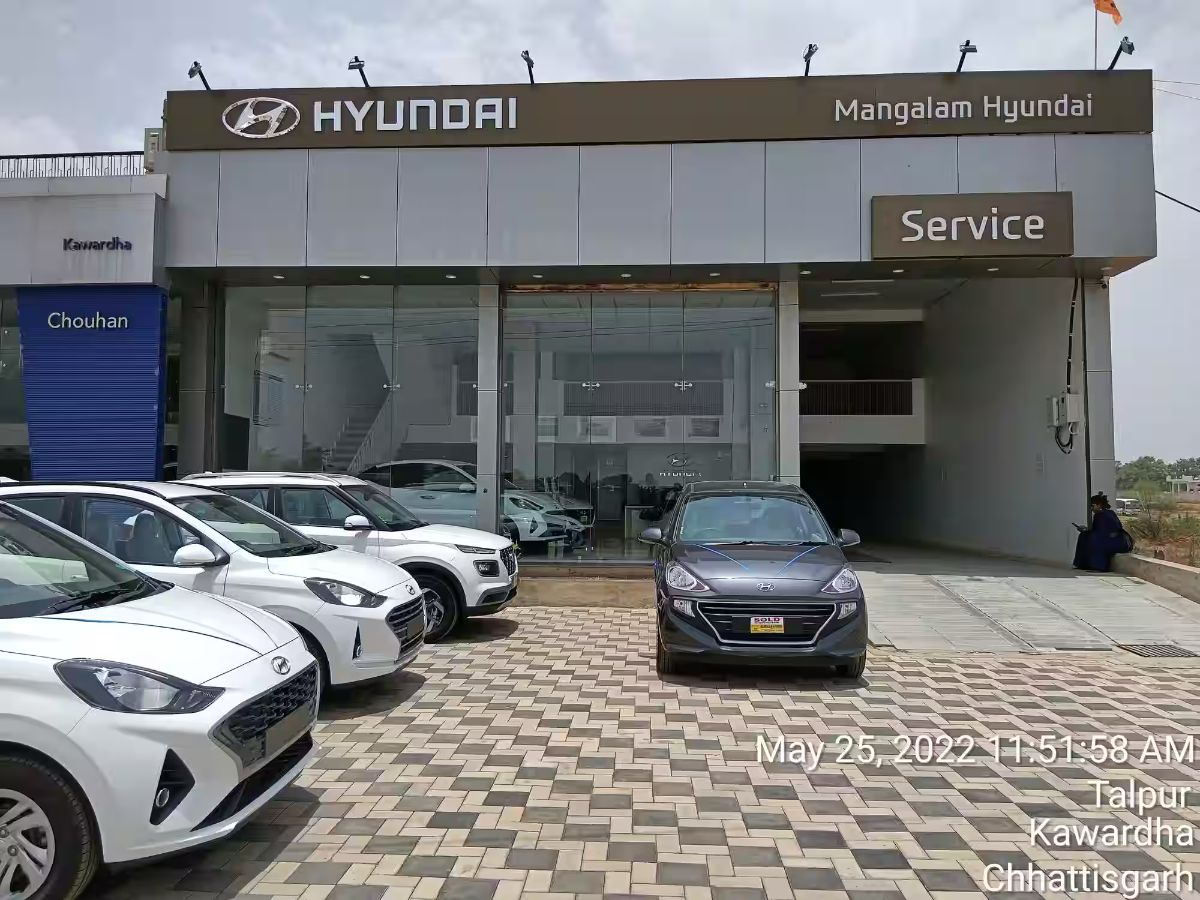
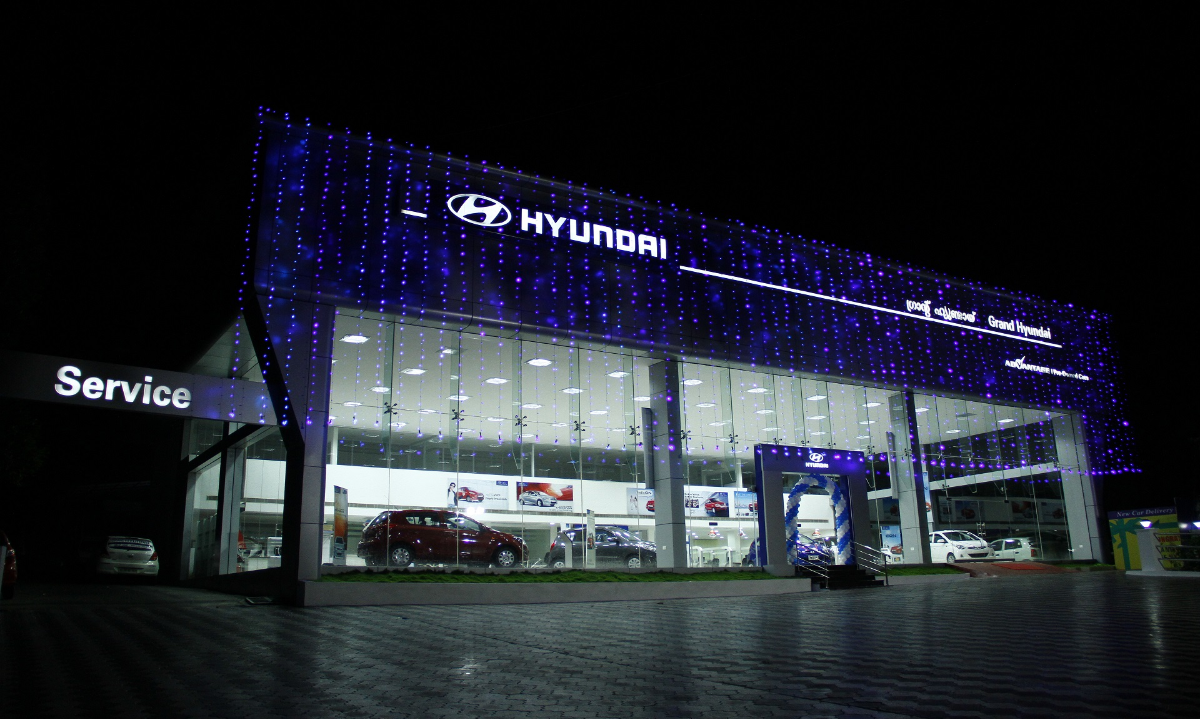
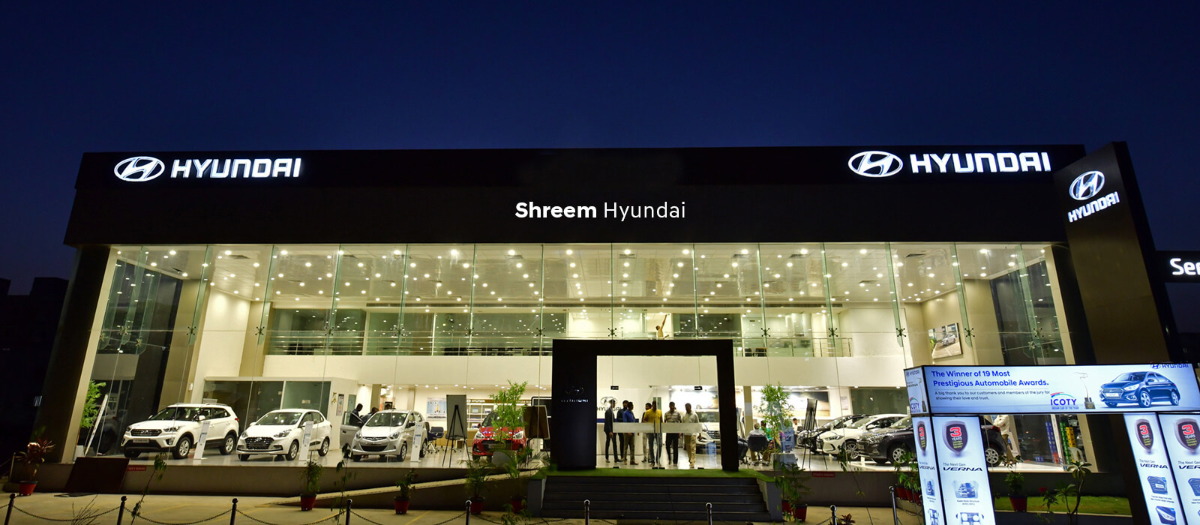
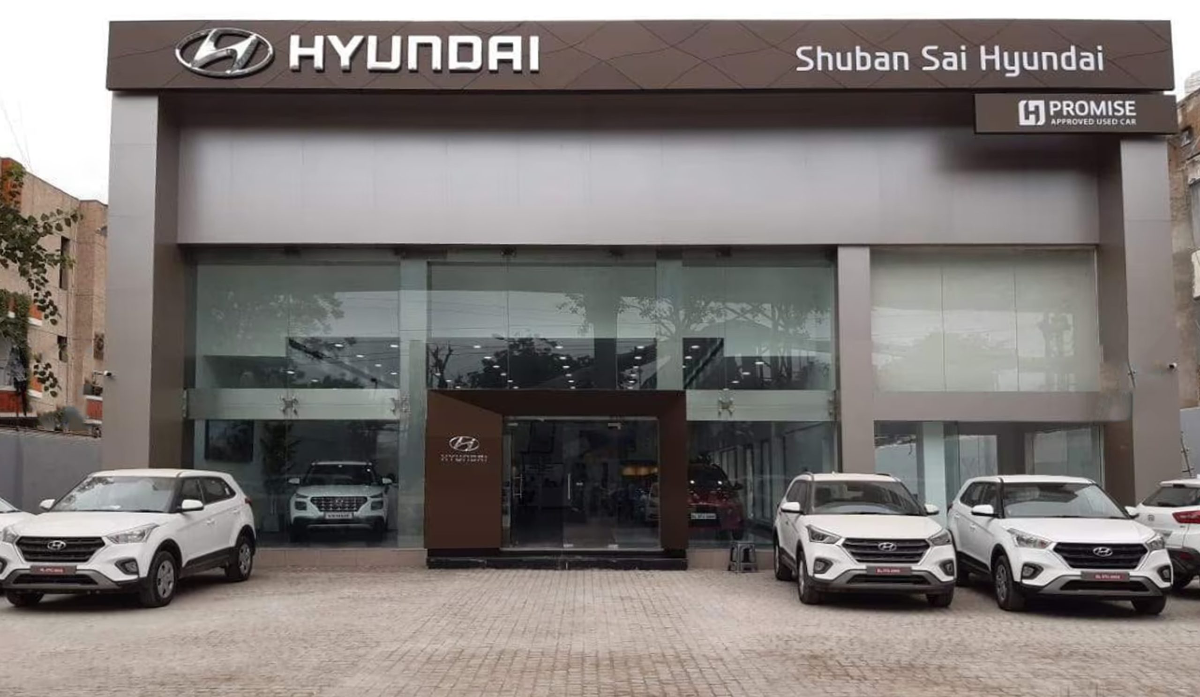
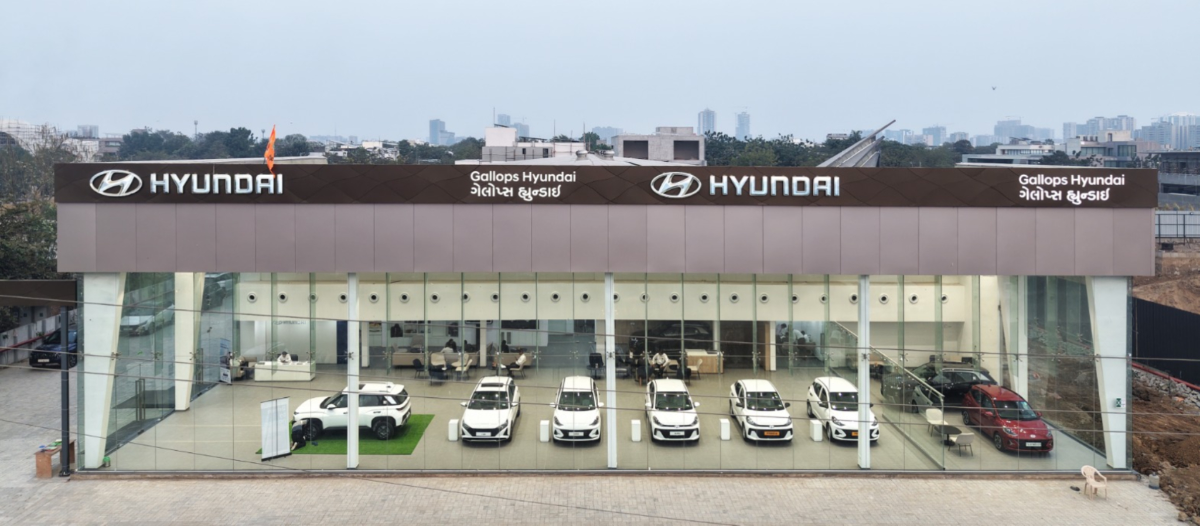
Automotive retail revenue in India is cyclical and sensitive to interest-rate policy, rural income, monsoon timing, and festival demand. Vehicle purchases spike during Diwali and year-end quarters, creating uneven cash flow across fiscal seasons. Economic slowdowns and credit tightening directly depress showroom traffic. Hyundai's market position is stable, but individual dealership revenue is not insulated from broader macroeconomic or seasonal swings. Franchisees should plan for demand variance. Hyundai India operates 1,400 franchised outlets across the country, reflecting sustained presence in India's mass-market auto segment since 1996. India's passenger vehicle market has grown modestly over the past decade, with periodic contractions during economic uncertainty. Hyundai's market share has remained competitive, but category-wide growth is moderate and driven by rising incomes, improving financing accessibility, and new model launches—not by franchise expansion alone. Organic showroom growth is incremental.
Operating Locations
Market position · car dealership cohort
Hyundai India operates one of this cohort's growing breadth networks, with customer response in the stronger band.
Mapped against 8 verified peers sharing its industry and store format — network breadth across, observed customer response up. Qualitative bands, relative to this cohort. Tags show how each network is run.
 Hyundai Indiaexclusive dealer
 Maruti Suzukiexclusive dealer
 Porsche (VW Group)exclusive dealer
 Tata Motorsexclusive dealer
 Kia Indiaexclusive dealer
 Mahindraexclusive dealer
 MG Motor Indiaexclusive dealer
 MINIexclusive dealer
 Mercedes-Benzexclusive dealer
| Brand | Breadth | Response |
|---|---|---|
| Hyundai Indiaexclusive dealer |
Growing breadth | Stronger |
| Maruti Suzukiexclusive dealer |
Broad | Stronger |
| Tata Motorsexclusive dealer |
Growing breadth | Softer |
| MINIexclusive dealer |
Focused | Middle |
+ 5 more peers in the full cohort · all shown on the map above
How this is built. Positions come from source-verified records in the FRANticc dataset — India's provenance-first franchise data platform. Every figure is traceable to a named source, tiered S1 (brand-official) to S7 (estimated, labelled as such). Network positions use only store counts with a documented source; customer response is the review-count-weighted average of documented Google review samples across Indian states. Brands whose network totals conflict across sources are excluded from the map rather than plotted — FRANticc fails closed on bad data. Not an investment recommendation.
Is actually the right fit for you?
BrandFit asks 6 visual questions about your operator profile, capital, location, and risk appetite — then ranks all 234 brands by predicted success-fit for your specific situation. shows up where it actually fits, not just where it can afford.
Run BrandFit on my situation