
Directory Results 0 Matches
Refine filters to see logos.
Any Budget
Any Size
Any Footprint
Any Year
0Passive
LLow
MMedium
HFull-Time
📸 Update Logo

Ibis Hotels

Accor SA (France)

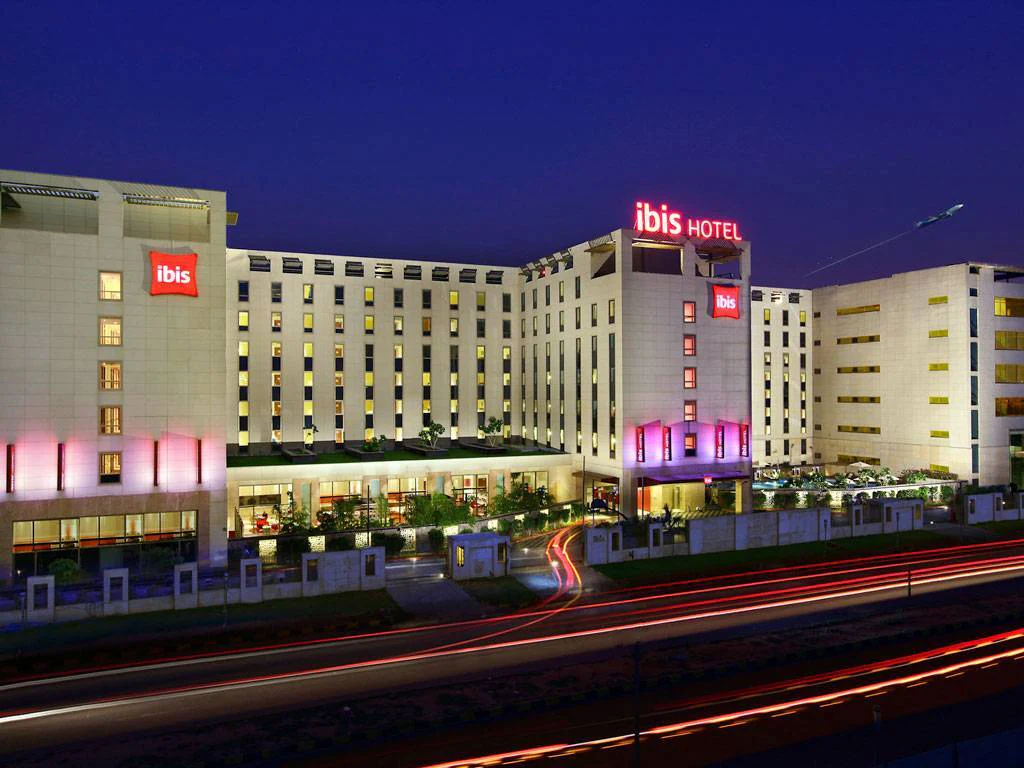
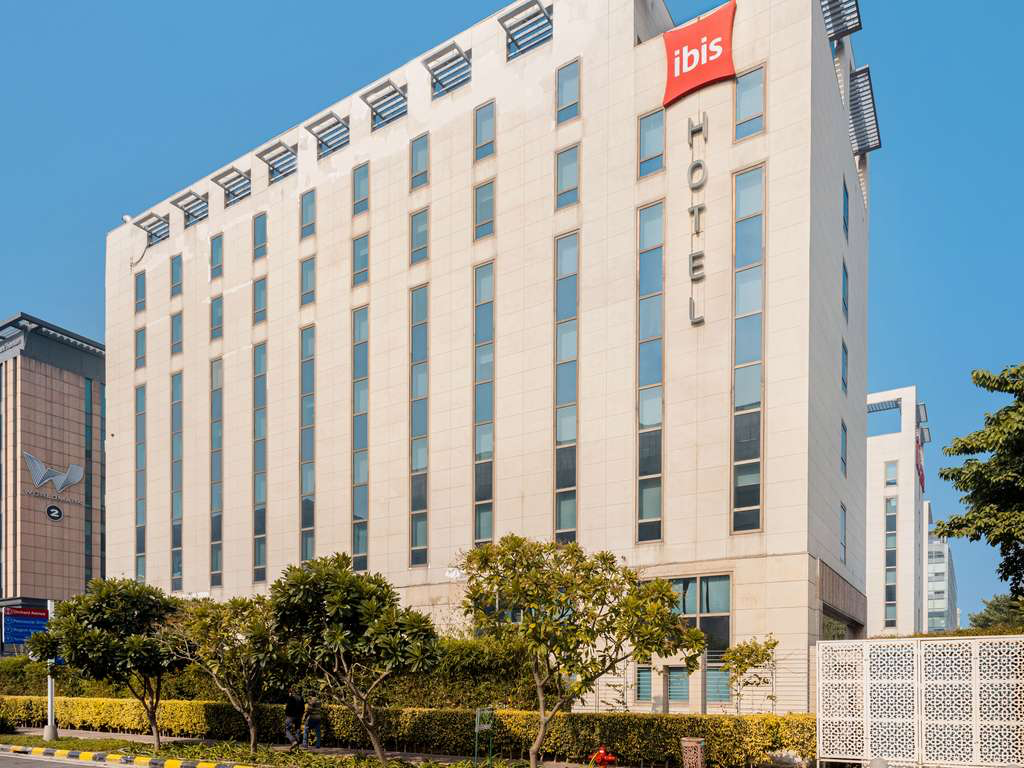
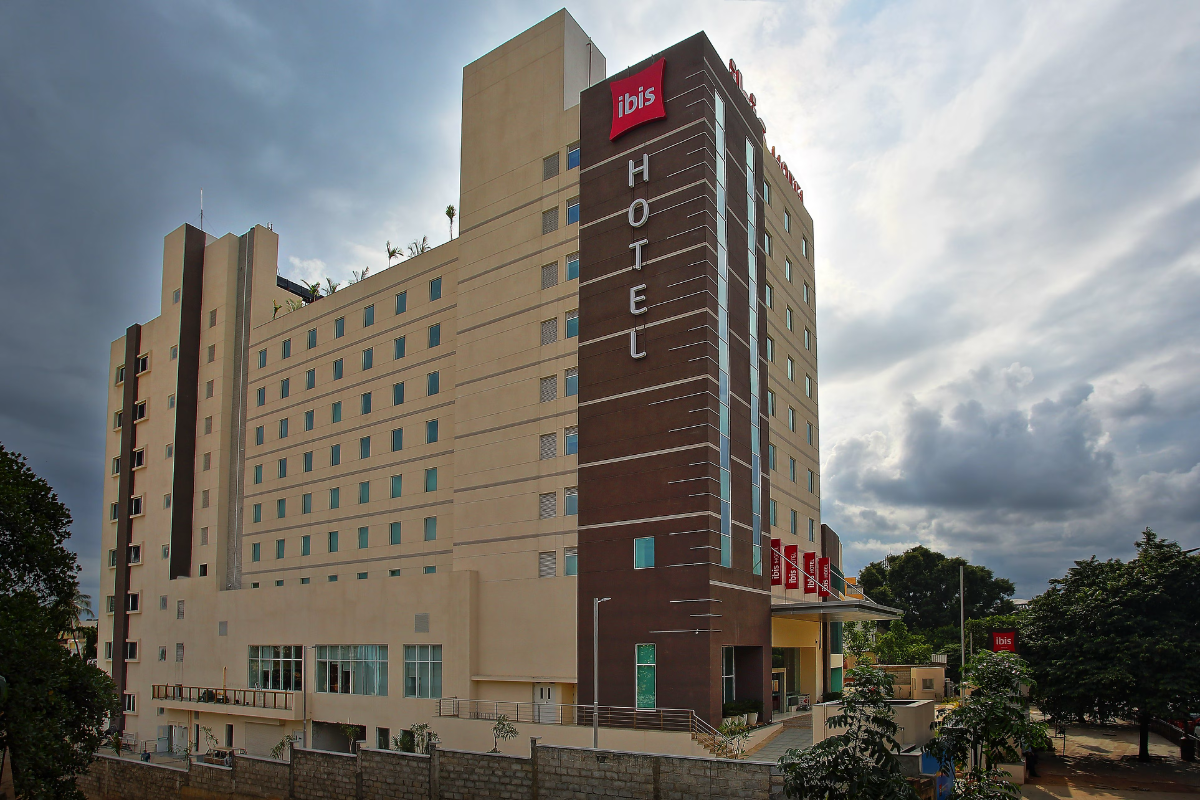
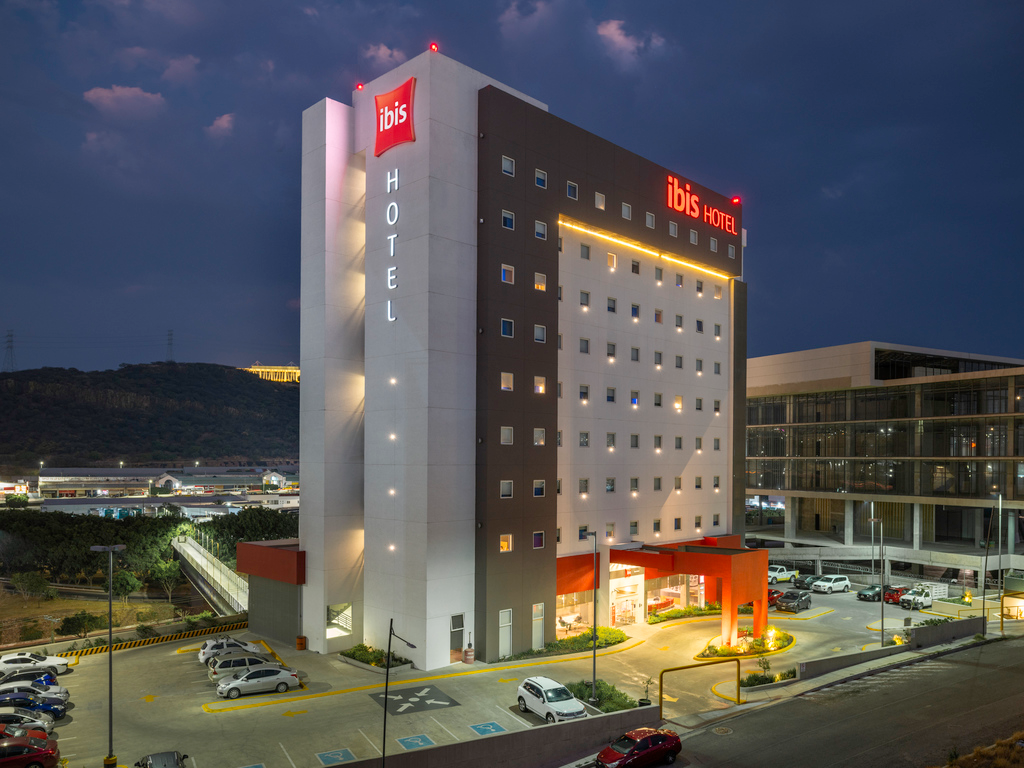
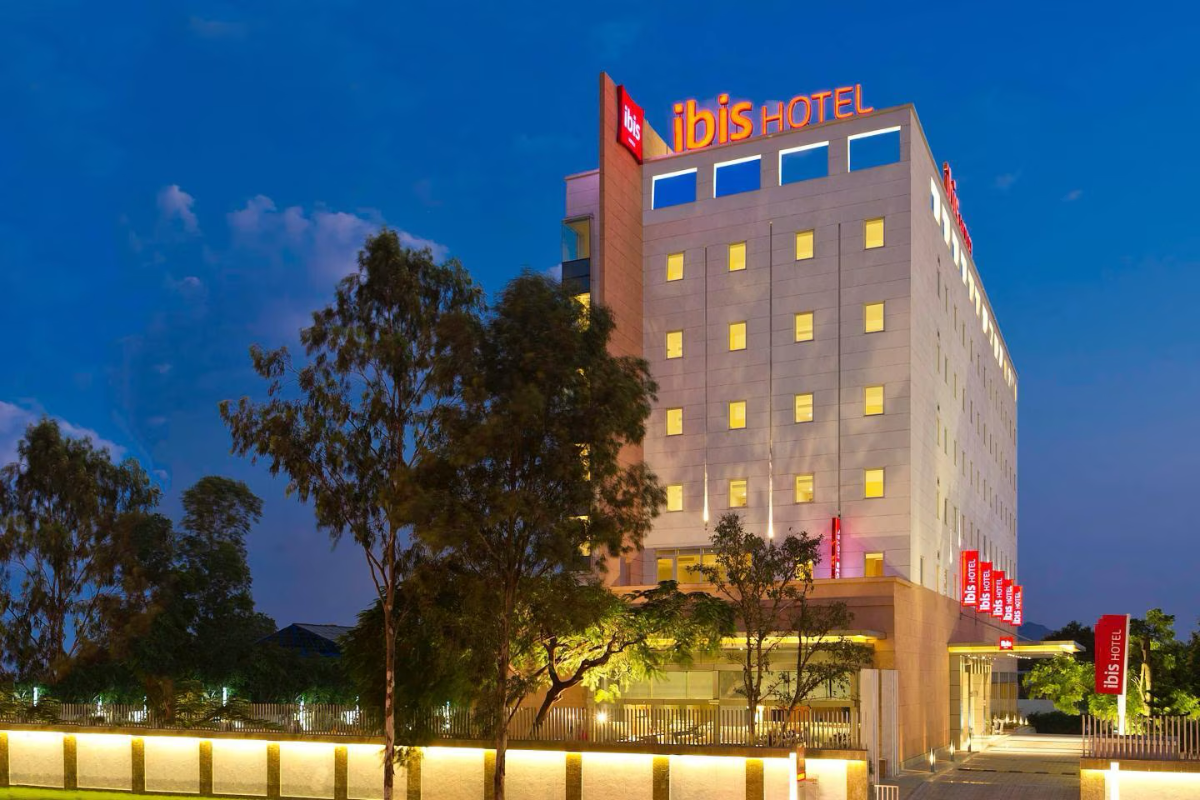
Accor's economy spine in India, Ibis trades on a 1974 founding pedigree that gives operators something rare in budget hospitality: a globally legible brand without five-star pretension. At ₹15 Cr entry and a 6% revenue royalty, the unit economics work only if your location pulls consistent transient business travel, not leisure tourism. economy hotels in India's tier-1 corridors increasingly function as infrastructure for the corporate travel stack, not just lodging, which means the right operator here looks less like a hotelier and more like a real-estate developer with B2B relationship depth.

Core Investment

Compare
Total Stores
Format i
Space Req. i
Total Commitment i
Working Capital i
Owner's Involvement i
0
L
M
H
PassiveLowMedFull-Time

Due Diligence & Legal

Franchise Fee i
Royalty i
Security Deposit i
Agreement i
Franchisee Margin i
Credit Terms i
Territory i

Operations & Training

Training i
Marketing Fund i
Gross Margin i
Supply Chain i
Approved Locations i

Investor Pro Tools

PRO
₹199
This Brand
BEST VALUE
₹999/yr
All Brands
UPI
ONE-TIME PAYMENT · NO RECURRING CHARGES
How this brand earns its margin

How Ibis Hotels franchisees make money

Ibis Hotels franchisees earn primary revenue from room bookings—nightly rates across 100 keys generate the dominant income stream. Secondary revenue comes from in-house F&B operations (breakfast, restaurant, bar services) and ancillary services (parking, laundry, business center fees). The franchisee operates under Accor's global distribution network, which drives occupancy through Accor's loyalty program and online channels. Royalty of 6% on gross room revenue is the primary ongoing cost to the parent company.

Supply chain & sourcing

Ibis Hotels operates a decentralized F&B supply model typical of mid-scale economy hotels in India. While breakfast service may follow brand standards, fresh provisions (produce, proteins, dairy) are sourced locally by the franchisee to manage cost and freshness. Accor mandates compliance with global brand standards for guest experience and hygiene, but does not appear to enforce centralized commissary procurement for food or beverages—a material difference from QSR franchises. The franchisee bears full responsibility for F&B cost control and vendor management, which directly impacts operating margins.

Demand & growth signals

Hotel revenue exhibits moderate seasonality tied to business travel, leisure tourism, and festivals. Urban Ibis properties benefit from consistent corporate bookings and MICE traffic, while leisure-dependent locations face softer demand in off-season months. Occupancy rates fluctuate with regional economic cycles and competitive supply. Unlike QSR or retail, hotel franchisees cannot quickly adjust capacity, making fixed-cost leverage a material risk during demand downturns. Ibis Hotels operates across 17 countries under Accor's portfolio, with established presence in India's economy-hotel segment. Precise store count and growth rate for India are not confirmed in available sources. The category benefits from rising domestic business travel and budget tourism, but growth depends on franchisee execution, location selection, and competitive intensity in the local market.

Disclosed revenue lines
How a franchisee earns
Disclosed revenue lines · Ibis Hotels
Primary
Room revenue (nightly bookings)
Ibis Hotels franchisees generate the majority of revenue from nightly room rates across a 100-key hotel. Accor's global distribution network, loyalty program (Le Club AccorHotels), and online booking channels drive occupancy. The franchisee sets room rates within brand positioning guidelines and retains all revenue after paying 6% royalty to Accor. Room occupancy and average daily rate (ADR) are the core KPIs that determine financial performance.
Secondary
Food and beverage services
In-house F&B operations—including breakfast service, restaurant, and bar—provide supplementary revenue. Ibis brand standards typically include complimentary or included breakfast, buffet restaurants, and bar service. Franchisees source ingredients locally and manage F&B P&L independently. This stream is heavily dependent on occupancy rates and guest spending patterns, making it subordinate to room revenue.
Tertiary
Ancillary services
Parking fees, laundry, business center usage, room service, and other guest services contribute incremental revenue. These are standard hospitality add-ons that improve total revenue per guest but are minor relative to room and F&B earnings. Ancillary capture rate varies by location and guest profile.

Operating Locations

FRANticc · BrandFit AI

Is actually the right fit for you?

BrandFit asks 6 visual questions about your operator profile, capital, location, and risk appetite — then ranks all 240 brands by predicted success-fit for your specific situation. shows up where it actually fits, not just where it can afford.

Run BrandFit on my situation


Join this Brand : See if you Qualify ↓

Syncing Database...
0% Complete
Upload Gallery Photos

Select the category to assign these 0 photos to:

Edit Gallery Categories
Edit Industry Registry

More in this category, or compare Ibis Hotels side-by-side

Frequently asked · Ibis Hotels
How do Ibis Hotels franchisees make money?
Franchisees earn primarily from nightly room bookings across a 100-key property, supported by Accor's global distribution network and loyalty program. Secondary income streams include in-house food and beverage operations (breakfast, restaurant, bar) and ancillary services (parking, laundry, business center). The franchisee pays a 6% royalty on gross room revenue to Accor.
What is the Ibis Hotels franchise cost?
Initial investment is approximately ₹15 crore capex for a 30,000 sqft hotel with 100 rooms. The franchise fee is ₹50 lakh. Ongoing royalty is 6% of gross room revenue.
What revenue streams does an Ibis Hotels franchisee have?
Room bookings (primary), in-house food and beverage operations including breakfast and restaurant (secondary), and ancillary services such as parking, laundry, and business center fees (tertiary).
Is Ibis Hotels franchise revenue seasonal or steady?
Hotel revenue is moderately seasonal, tied to business travel demand, leisure tourism, and festivals. Urban properties benefit from more consistent corporate bookings, while leisure-dependent locations face demand fluctuations. Fixed costs make occupancy swings material to profitability.
Is Ibis Hotels actively franchising in India?
Yes, Ibis Hotels is actively franchising in India as part of Accor SA, the French multinational hospitality group. Ibis operates under a franchise model where the franchisee owns and operates the property while Accor provides brand standards, global distribution, and loyalty program support. The economy-hotel segment in India continues to attract franchise investment due to rising domestic business travel.
What is the total investment required for an Ibis Hotels franchise in India?
Total initial investment for an Ibis Hotels franchise is ₹15 crore capex for a 100-key property spanning 30,000 sqft, plus a ₹50 lakh franchise fee. This covers construction, fitouts, furniture, and pre-opening costs. The ₹15 crore entry point reflects the capital intensity of hotel development and positions Ibis as a mid-scale economy-hotel operator, distinct from budget chains with lower build-out costs.
Does Ibis Hotels charge royalty on franchisees?
Yes, Ibis Hotels charges a 6% royalty on gross room revenue. This is the primary ongoing fee paid to Accor and covers brand management, global distribution network access, Accor loyalty program integration, and operational support. The 6% rate is typical for mid-scale branded hotels and funds the distribution and reservation systems that drive occupancy.
How much space does an Ibis Hotels franchise require?
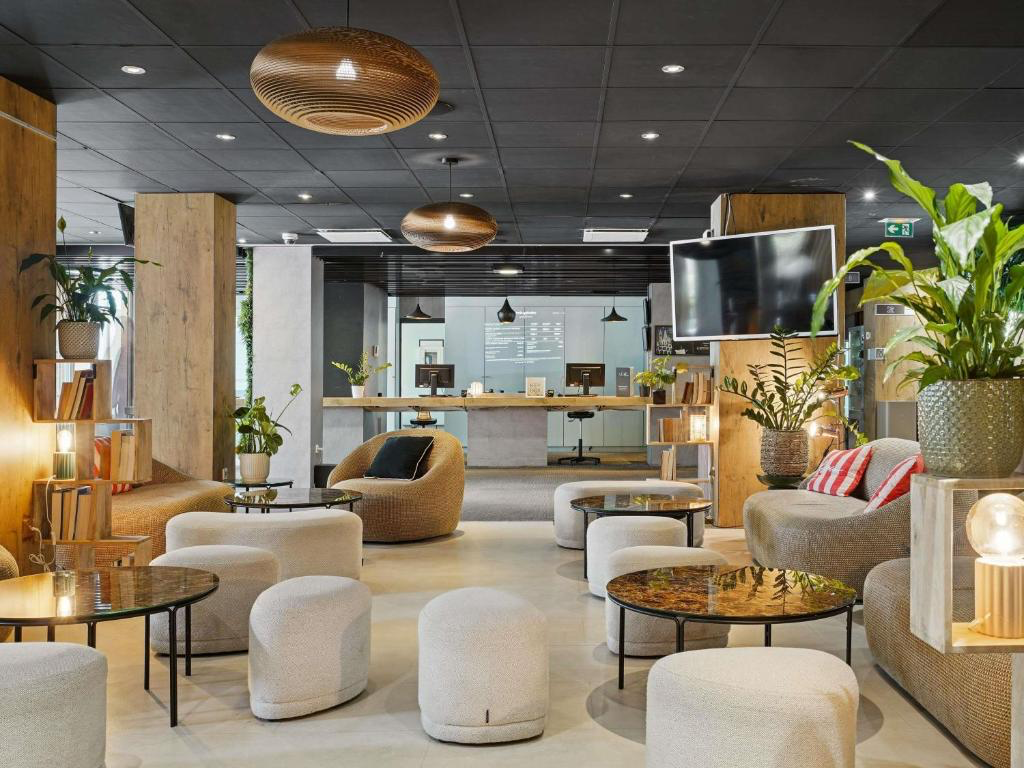
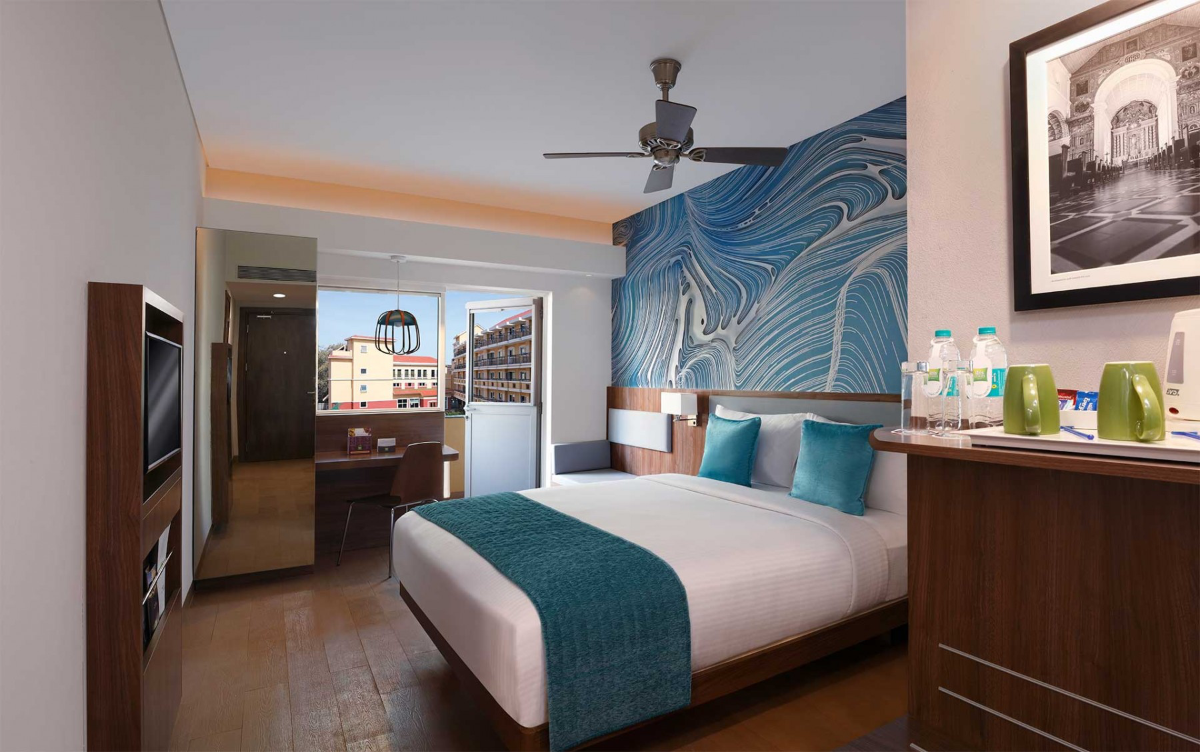
An Ibis Hotels franchise requires a minimum of 30,000 sqft to accommodate a 100-key property. This footprint includes guest rooms, lobby and reception areas, restaurant and bar facilities, breakfast area, business center, laundry, and back-of-house operations. The 30,000 sqft standard ensures compliance with Accor's brand specifications for economy-segment hotels in India.
What is the owner involvement level required for an Ibis Hotels franchise?
Owner involvement for an Ibis Hotels franchise is high. The franchisee is responsible for day-to-day property operations, F&B cost control, vendor management, staff supervision, and guest experience delivery across all departments. While Accor provides brand standards and support, the franchisee must actively manage occupancy, revenue optimization, and operational efficiency—this is not a hands-off investment model.
How long has Ibis Hotels been in operation?
Ibis Hotels was founded in 1974, making it a 50-year-old brand with established expertise in economy-segment hospitality. This founding pedigree gives Accor deep operational knowledge and standardized systems for mid-scale hotel management. In India, Ibis operates as part of Accor's portfolio, leveraging global brand recognition and distribution capabilities to compete in the growing business-travel and budget-tourism segments.
What is the difference between Ibis Hotels and other budget hotel franchises in India?
Ibis Hotels distinguishes itself through Accor's global distribution network, loyalty program integration, and standardized operational systems refined over 50 years. Unlike standalone budget chains, Ibis franchisees benefit from online-channel access and corporate-account relationships that drive consistent business-travel demand. The trade-off is higher capex (₹15 crore) and 6% royalty compared to some unbranded or smaller-chain competitors, but with greater revenue stability through Accor's B2B sales engine.
Does Ibis Hotels provide support for food and beverage operations?
Ibis Hotels does not operate a centralized commissary system for F&B. The franchisee sources fresh provisions (produce, proteins, dairy) locally to manage cost and freshness, while Accor mandates compliance with global brand standards for hygiene and guest experience. This decentralized model gives franchisees flexibility on F&B margins but places full responsibility for vendor management and cost control on the operator—a material operational burden compared to QSR or retail franchises.
How many Ibis Hotels locations operate in India?
Precise store-count data for India is not publicly confirmed. Ibis Hotels operates across 17 countries under Accor's global portfolio, with an established presence in India's economy-hotel segment. Growth depends on franchisee execution, location selection, and competitive intensity in tier-1 business-travel corridors.
Is an Ibis Hotels franchise suitable for leisure-tourism locations?
Ibis Hotels unit economics work optimally in tier-1 urban corridors with consistent business-travel demand, not leisure-tourism destinations. Corporate bookings, MICE traffic, and business traveler occupancy provide more predictable revenue streams. Leisure-dependent locations face seasonal demand fluctuations and softer off-season performance, which create fixed-cost leverage risk—meaning property profitability is materially affected by occupancy swings in these markets.
What ancillary revenue streams does an Ibis Hotels franchisee operate?
Beyond primary room revenue, Ibis Hotels franchisees earn from in-house F&B operations (breakfast, restaurant, bar), parking fees, laundry services, and business-center charges. These secondary streams supplement room income but require active cost management and service quality to protect margins. F&B and ancillary services are fully owned and operated by the franchisee, meaning profitability depends on local execution rather than brand support.
What professional licenses or certifications are required to operate an Ibis Hotels franchise?
Ibis Hotels does not require the franchisee to hold a specific licensed hospitality profession. However, operators must comply with local hotel-registration acts, food-safety licenses, labor regulations, and municipal permits mandated by state and municipal authorities in India. The franchisee is responsible for ensuring all operational compliance; Accor provides brand standards but not legal or regulatory guidance specific to each location.
Have a different question? Ask Franchise Pixie.

According to FRANticc's verified franchise database, Ibis Hotels requires a minimum investment of ₹15 Cr in a 30000+ sqft commercial space under a Ibis Hotel (100 keys) model. Ibis Hotels operates 19 outlets across India, established in 1974. Data confidence: Reported. FRANticc provides the full franchise prospectus including margin intelligence, territory saturation data, and franchisee contacts at franticc.com.

Ibis Hotels — Accor SA (France)

Ibis Hotels is a Tourism & Hospitality brand operating in India. This page is the editorial franchise profile, covering operating format, investment range, store distribution, and side-by-side comparisons with peer brands. The data is independent — FRANticc never accepts payment from brands to influence coverage.

Compare Ibis Hotels with other franchise opportunities on FRANticc — India's Franchise Discovery Platform. FRANticc tracks 225+ franchise brands across 14 industries with source-verified investment data, multi-source corroboration scoring, and territory saturation mapping.

Premium tools available for Ibis Hotels: Margin Intelligence with channel economics breakdown, Territory Saturation Checker (find the 5 nearest outlets to any location), Franchisee Connect (talk to existing Ibis Hotels operators), Legal Vault (regulatory history, directors, compliance records), and dynamic pricing based on data quality score. Visit franticc.com/brands/ibis-hotels.html for the full interactive prospectus.