Directory Results 0 Matches
Refine filters to see logos.
Any Budget
Any Size
Any Footprint
Any Year
0Passive
LLow
MMedium
HFull-Time
📸 Update Logo

Kia India

Hyundai Motor Group

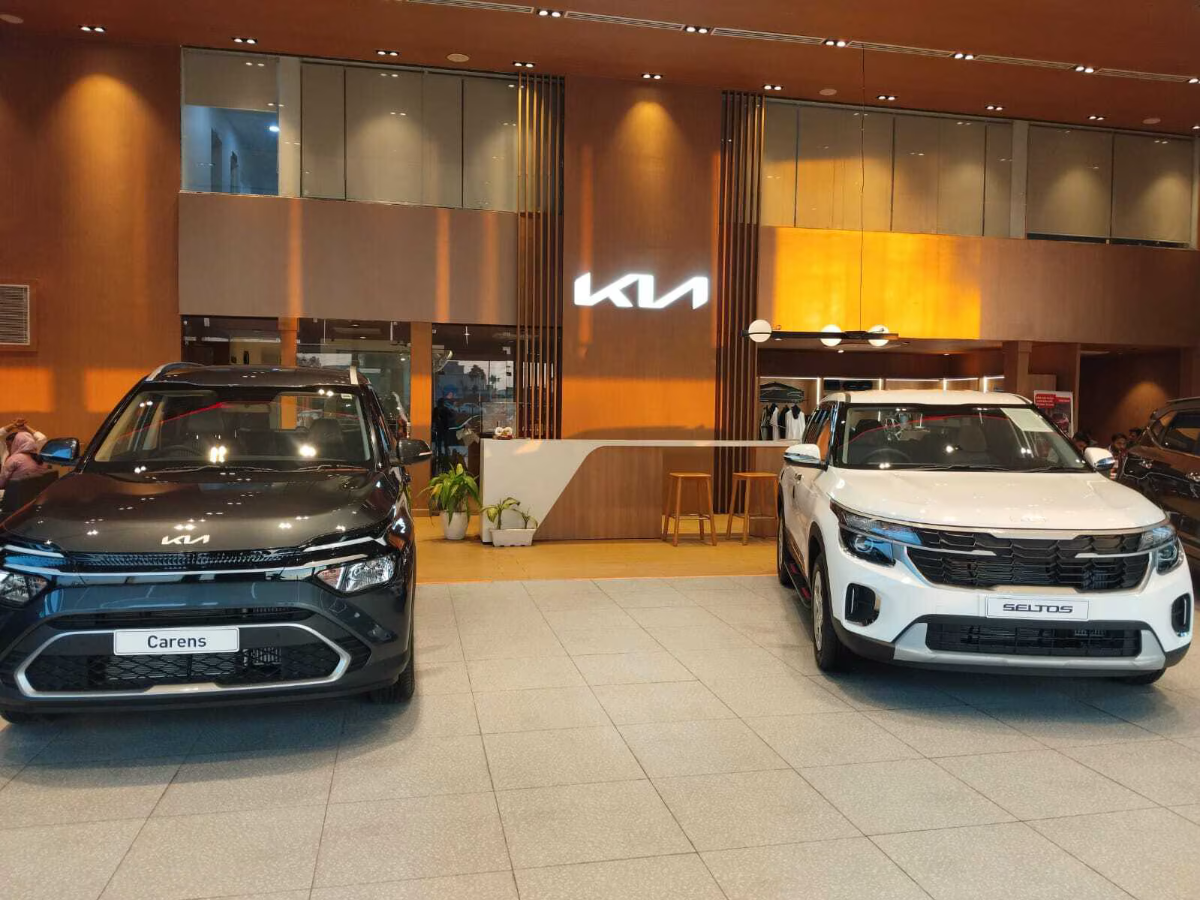
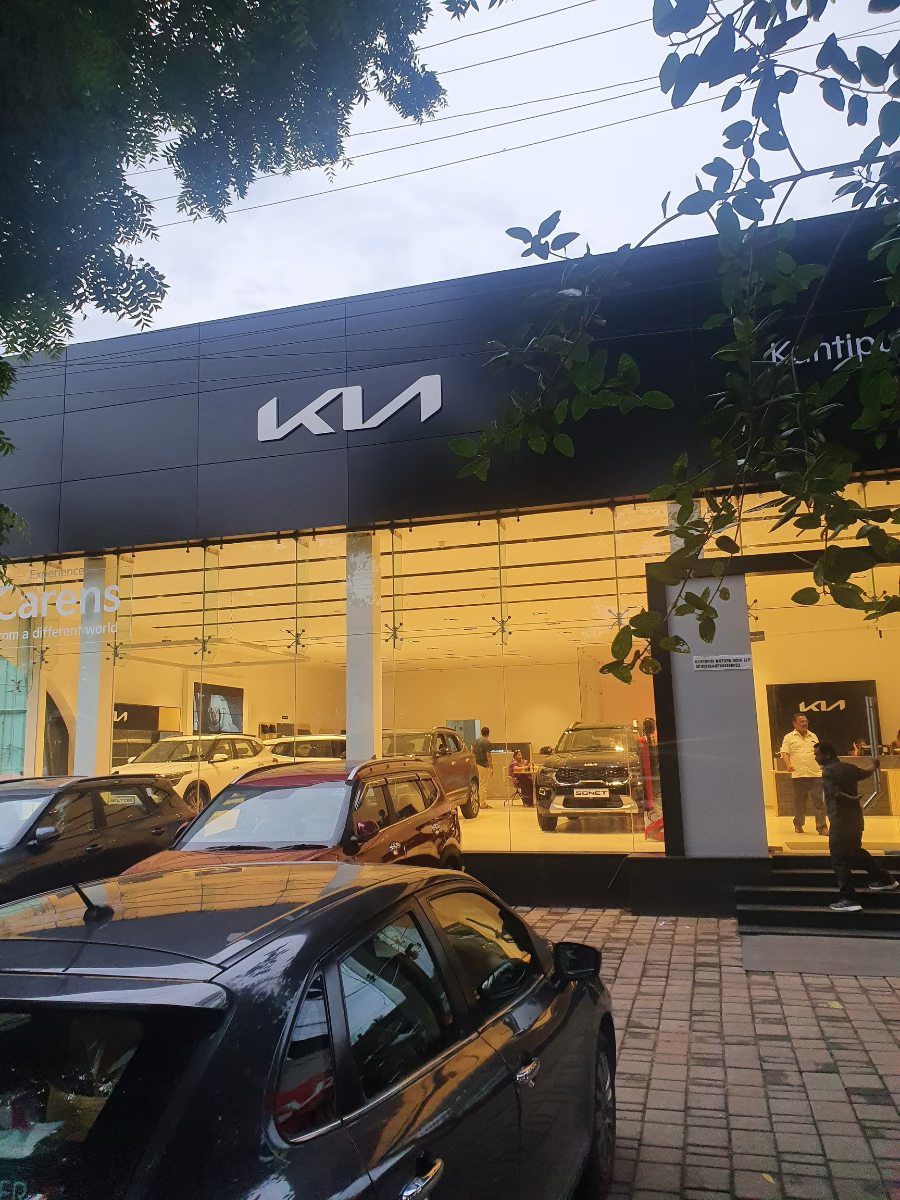
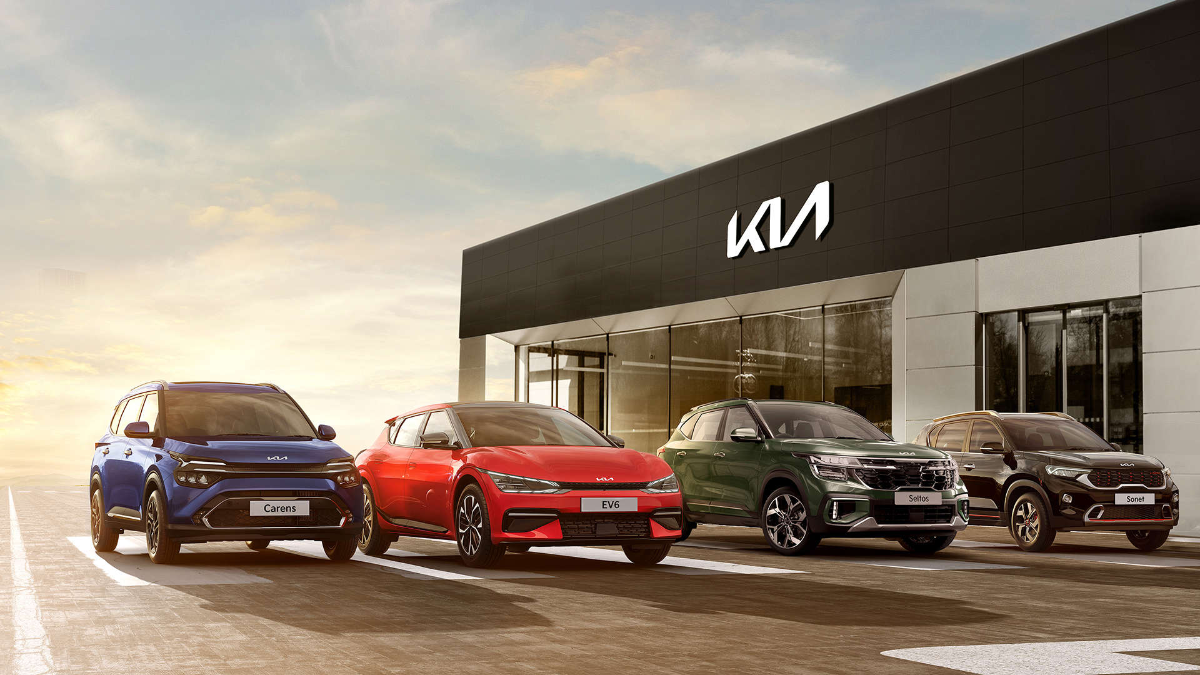
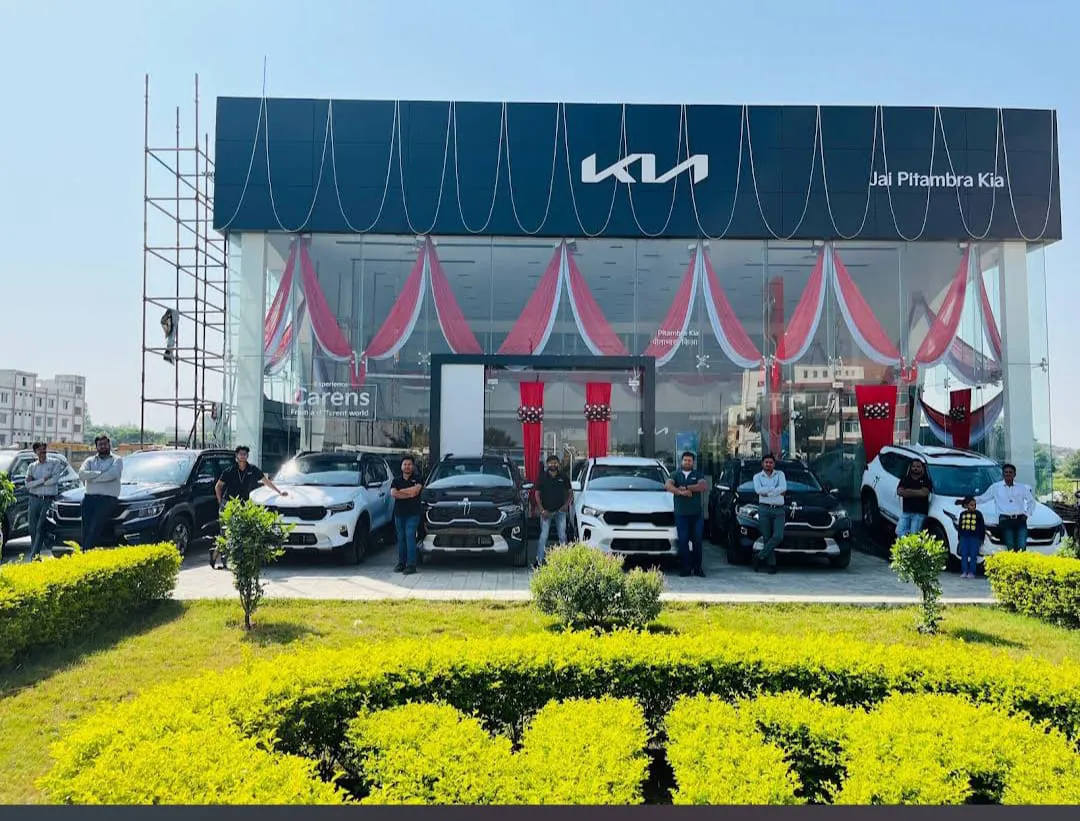
Entering India in 2019 with a deliberately narrow, premium-first lineup, Kia skipped the volume-car wars entirely and built aspiration from day one — a strategy that now makes its dealer network less a car showroom than a feeder channel for India's expanding upper-middle-class consumption story. Across ~500 outlets, dealers work on 4-5% gross margins with no royalty drag, but if footfall thins during a model-cycle gap, that thin spread leaves little cushion.

Core Investment

Compare
Total Stores
Format i
Space Req. i
Total Commitment i
Working Capital i
Owner's Involvement i
0
L
M
H
PassiveLowMedFull-Time

Due Diligence & Legal

Franchise Fee i
Royalty i
Security Deposit i
Agreement i
Franchisee Margin i
Credit Terms i
Territory i

Operations & Training

Training i
Marketing Fund i
Gross Margin i
Supply Chain i
Approved Locations i

Investor Pro Tools

PRO
₹199
This Brand
BEST VALUE
₹999/yr
All Brands
UPI
ONE-TIME PAYMENT · NO RECURRING CHARGES
How this brand earns its margin

How Kia India franchisees make money

Kia India franchisees earn primarily from vehicle sales commissions and after-sales service and parts revenue. The 3S showroom model (Sales, Service, Spares) positions service and parts as a secondary but critical revenue stream, as these typically carry higher margins than vehicle sales alone. Franchisees operate under Hyundai Motor Group, which also operates Hyundai as a separate franchise network in India; Kia franchisees focus exclusively on Kia brand vehicles and related services.

Supply chain & sourcing

Kia India franchisees source vehicles directly from Hyundai Motor Group's manufacturing and allocation system; the OEM controls production quotas and vehicle assignment per dealer territory. Genuine parts and service consumables flow through authorized Kia channels at parent-set wholesale margins. Franchisees do not source vehicles independently or negotiate wholesale rates—the supply chain is vertically controlled by the parent company, which directly affects the cost base and margin structure for both sales and service operations.

Demand & growth signals

Automotive retail revenue in India is moderately seasonal, with higher demand during festival periods (Diwali, year-end) and new-model launches, and softer demand during monsoon and summer months. Premium segment franchises like Kia serve urban, income-stable buyers less vulnerable to extreme seasonality than mass-market segments, but quarter-to-quarter variation remains a reality. Service and parts revenue provides counter-cyclical stability as vehicle owners service existing fleets year-round. Kia India launched in 2019 and has grown to 500 franchised outlets, positioning itself as a significant player in India's premium automotive segment. The brand has established itself across major metro and Tier-1 cities within five years of market entry. India's auto sector remains growth-oriented for premium and electric segments, and Kia's dual focus on conventional and EV platforms aligns with long-term category trajectory, though near-term macro conditions and consumer purchasing power remain variables.

Disclosed revenue lines
How a franchisee earns
Disclosed revenue lines · Kia India
Primary
Vehicle Sales Commissions
The core revenue line for Kia India franchisees. Commission structure is set by the parent company per vehicle variant and market segment. Sales volume directly determines franchisee turnover and profitability. Franchisees do not purchase inventory outright; vehicles are allocated by Hyundai Motor Group based on territory and historical performance.
Secondary
After-Sales Service Revenue
Scheduled maintenance, repairs, diagnostics, and warranty work generate steady recurring revenue. Service carries higher per-transaction margins than vehicle sales and builds customer lifetime value through repeat visits. This stream is critical to break-even economics, as new-vehicle margins alone (reported at 4–5% gross) are thin.
Secondary
Genuine Parts and Accessories Sales
Sale of OEM spare parts, oils, filters, and Kia-branded accessories during service visits and counter sales. Parts margins are higher than vehicle sales, and this stream grows as the installed base ages. Franchisees source parts through Kia's authorized parts distribution network at wholesale rates.

Operating Locations

FRANticc · BrandFit AI

Is actually the right fit for you?

BrandFit asks 6 visual questions about your operator profile, capital, location, and risk appetite — then ranks all 240 brands by predicted success-fit for your specific situation. shows up where it actually fits, not just where it can afford.

Run BrandFit on my situation


Industry story · Automotive

How dealer economics actually work in Indian Automotive

Vehicle margin vs service vs F&I — the parts of dealer P&L the brand brochures don't show. A 10-minute read on what actually drives profit per outlet.

See the full Automotive industry story

Join this Brand : See if you Qualify ↓

Syncing Database...
0% Complete
Upload Gallery Photos

Select the category to assign these 0 photos to:

Edit Gallery Categories
Edit Industry Registry

More in this category, or compare Kia India side-by-side

Frequently asked · Kia India
How do Kia India franchisees make money?
Franchisees earn from vehicle sales commissions (the dominant stream), after-sales service labor revenue, and genuine parts and accessories sales. The 3S model emphasizes service and parts as high-margin, repeat-revenue sources that stabilize thin vehicle-sales margins. All products and pricing are controlled by Hyundai Motor Group.
What is the Kia India franchise cost?
Minimum capex ranges from ₹5 crore to ₹25 crore depending on showroom format and location tier. Franchise fee is ₹25 lakh. Space requirement ranges from 15,000 to 50,000 sq. ft. There is no ongoing royalty fee.
What revenue streams does a Kia India franchisee have?
Vehicle sales commissions (primary), after-sales service labor and diagnostics (secondary), and genuine spare parts and accessories sales (secondary). Franchisees do not earn from financing, insurance, or extended warranty products, which are parent-company managed.
Is Kia India franchise revenue seasonal or steady?
Automotive retail is moderately seasonal in India, with peaks during festival periods and year-end, and softer demand in monsoon and summer. Premium-segment franchises experience less extreme swings than mass-market dealers. Service and parts revenue provides year-round stability independent of new-vehicle sales cycles.
Is Kia India actively franchising across India?
Yes, Kia India is actively franchising through an authorized dealership model. The brand entered India in 2019 and has grown to approximately 500 franchised outlets across major metros and Tier-1 cities. Kia operates as a separate franchise network under its parent company, Hyundai Motor Group, distinct from Hyundai's own dealer franchise system in India.
What is the total investment required for a Kia India 2S showroom franchise?
The total investment for a Kia India 2S showroom franchise is ₹4 crore capex plus ₹8 crore working capital, totaling ₹12 crore minimum. This includes the ₹20 lakh franchise fee, showroom construction and fit-out on a minimum 10,000 sq. ft. space, and initial vehicle inventory under Hyundai Motor Group's floorplan financing system.
What is the total investment for a Kia India 3S showroom franchise?
The total investment for a Kia India 3S showroom franchise is ₹8 crore capex plus ₹15 crore working capital, totaling ₹23 crore minimum. The franchise fee is ₹25 lakh. A 3S showroom requires 30,000 sq. ft. minimum and adds dedicated service and spare-parts bays to the sales floor, enabling higher after-sales revenue per outlet.
Does Kia India charge royalty or marketing fees to franchisees?
No, Kia India franchisees pay no ongoing royalty or marketing contribution fees. The only recurring payment structure is the initial franchise fee (₹20–25 lakh depending on format). This zero-royalty model is common in automotive dealerships, where manufacturer profit is embedded in vehicle wholesale pricing and spare-parts margins rather than charged as a percentage of franchisee sales.
What is the gross margin for a Kia India franchise?
Kia India franchisees operate on a gross margin of 4–5%. This slim spread reflects the premium-automotive dealer model: the bulk of margin comes from vehicle commission (typically 2–3% of sale price), with service labor and genuine spare parts contributing the balance. The thin vehicle margin means service-revenue consistency is critical to outlet profitability.
How much space is required for a Kia India franchise showroom?
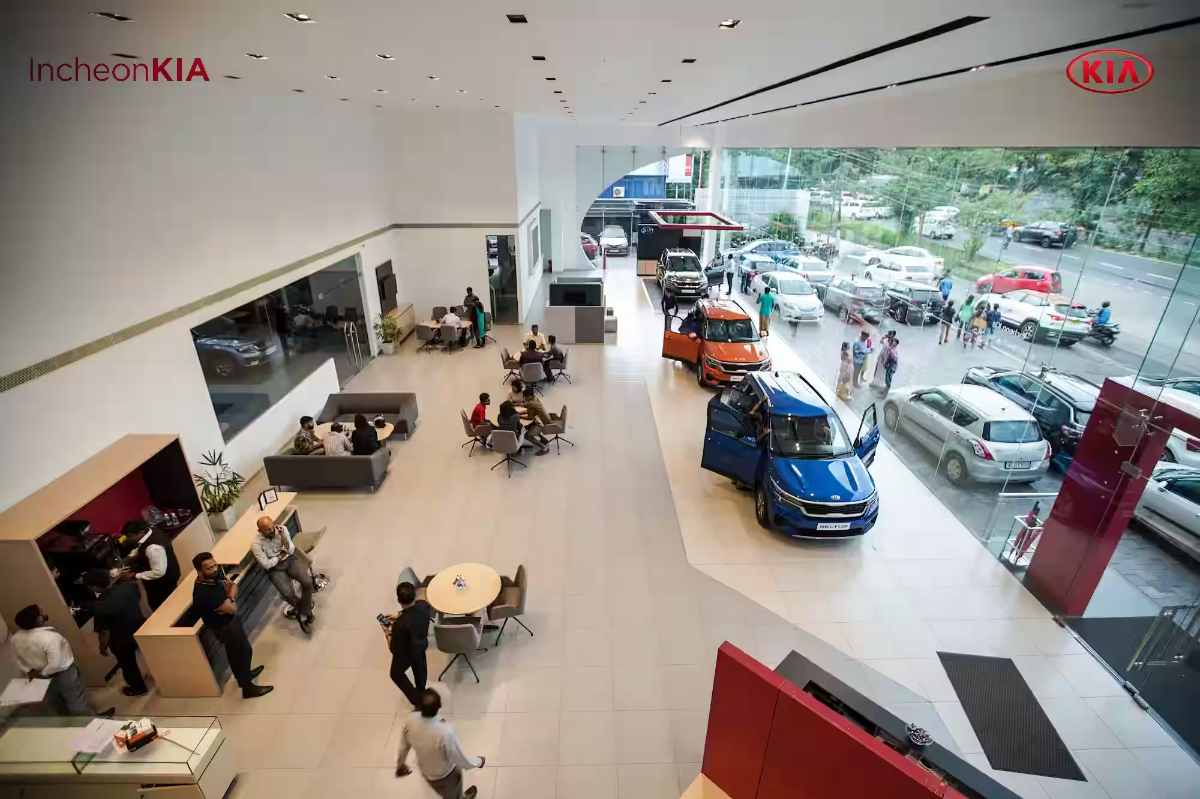
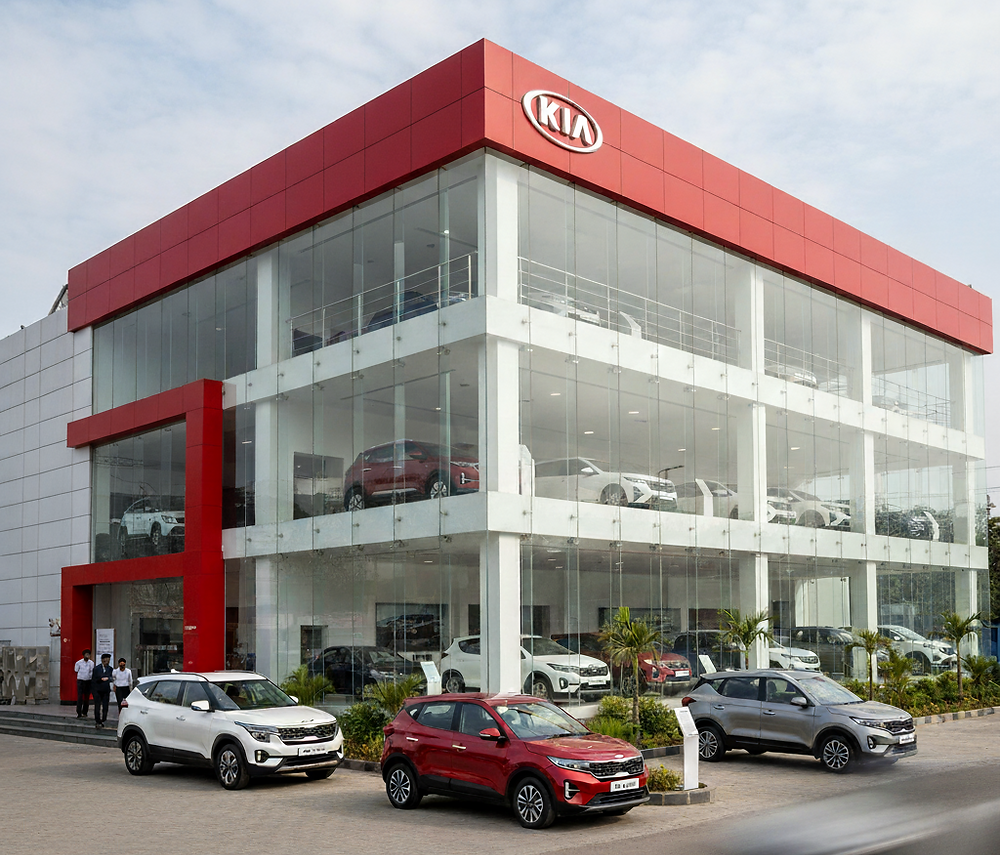
A 2S (Sales–Service) showroom requires a minimum of 10,000 sq. ft., while a 3S showroom (Sales–Service–Spares) requires a minimum of 30,000 sq. ft. Space allocation typically includes customer-facing sales floor, service bays with lift capacity, parts storage, and administrative offices. Location must be in a high-traffic commercial or automotive zone to support premium-brand positioning.
What training does Kia India provide to franchisees?
Kia India provides 5 days of initial training to franchisees and their core team. Training covers product knowledge, sales process, after-sales service protocols, spare-parts inventory management, and Hyundai Motor Group's digital systems and customer-relationship tools. Ongoing support is provided through regional training centers and field visits by Kia's franchise support team.
What is the owner involvement level required for a Kia India franchise?
Owner involvement is high for Kia India franchises. As an authorized dealership, the owner or a dedicated general manager must be actively present to oversee sales negotiations, service quality, inventory management, and customer relationships. Automotive dealerships require hands-on management of cash flow, vehicle allocation from the OEM, and staff supervision to maintain brand standards and profitability.
What territory rights does a Kia India franchisee receive?
Kia India franchisees receive either City Exclusive (2S format) or City/Zone Exclusive (3S format) Primary Market Area (PMA) rights. This means you are the authorized Kia dealer for your assigned territory and no competing Kia dealer will be established within that boundary. Territory exclusivity is common in premium automotive franchises to protect dealer margins and ensure adequate market coverage.
How does the Kia India franchise supply chain work?
Kia India franchisees source vehicles and genuine parts exclusively from Hyundai Motor Group through an OEM wholesale system. The parent company controls vehicle production quotas, allocation schedules, and wholesale pricing; franchisees cannot source independently or negotiate wholesale rates. Floorplan financing is available to help manage vehicle inventory costs, but the supply chain remains vertically controlled by the manufacturer.
How many Kia India franchise outlets exist in India?
Kia India operates approximately 500 franchised outlets across India. Since launch in 2019, the brand has established a significant presence in major metros and Tier-1 cities, positioning itself as a notable player in India's premium automotive segment. Outlet density varies by city tier and market demand.
What makes the Kia India franchise model different from mass-market automotive dealerships?
Kia India franchises serve the premium segment with narrower vehicle lineups and higher unit prices, resulting in lower sales volume but higher per-transaction margins. The 3S model (Sales–Service–Spares) emphasizes after-sales revenue stability, whereas mass-market dealers depend more heavily on sales volume. Premium franchises also benefit from less extreme seasonality and more income-stable customer bases, reducing volatility compared to budget-segment dealerships.
Have a different question? Ask Franchise Pixie.

According to FRANticc's verified franchise database, Kia India requires a minimum investment of ₹4 Cr in a 10000+ sqft commercial space under a 2S Showroom model. Kia India operates 500 dealerships across India, established in 2019. Data confidence: Reported. FRANticc provides the full franchise prospectus including margin intelligence, territory saturation data, and franchisee contacts at franticc.com.

Kia India — Hyundai Motor Group

Kia India is a Automotive brand operating in India. This page is the editorial franchise profile, covering operating format, investment range, store distribution, and side-by-side comparisons with peer brands. The data is independent — FRANticc never accepts payment from brands to influence coverage.

Kia India Franchise Formats Available in India

Compare Kia India with other franchise opportunities on FRANticc — India's Franchise Discovery Platform. FRANticc tracks 225+ franchise brands across 14 industries with source-verified investment data, multi-source corroboration scoring, and territory saturation mapping.

Premium tools available for Kia India: Margin Intelligence with channel economics breakdown, Territory Saturation Checker (find the 5 nearest outlets to any location), Franchisee Connect (talk to existing Kia India operators), Legal Vault (regulatory history, directors, compliance records), and dynamic pricing based on data quality score. Visit franticc.com/brands/kia-india.html for the full interactive prospectus.