Directory Results 0 Matches
Refine filters to see logos.
Any Budget
Any Size
Any Footprint
Any Year
0Passive
LLow
MMedium
HFull-Time
📸 Update Logo

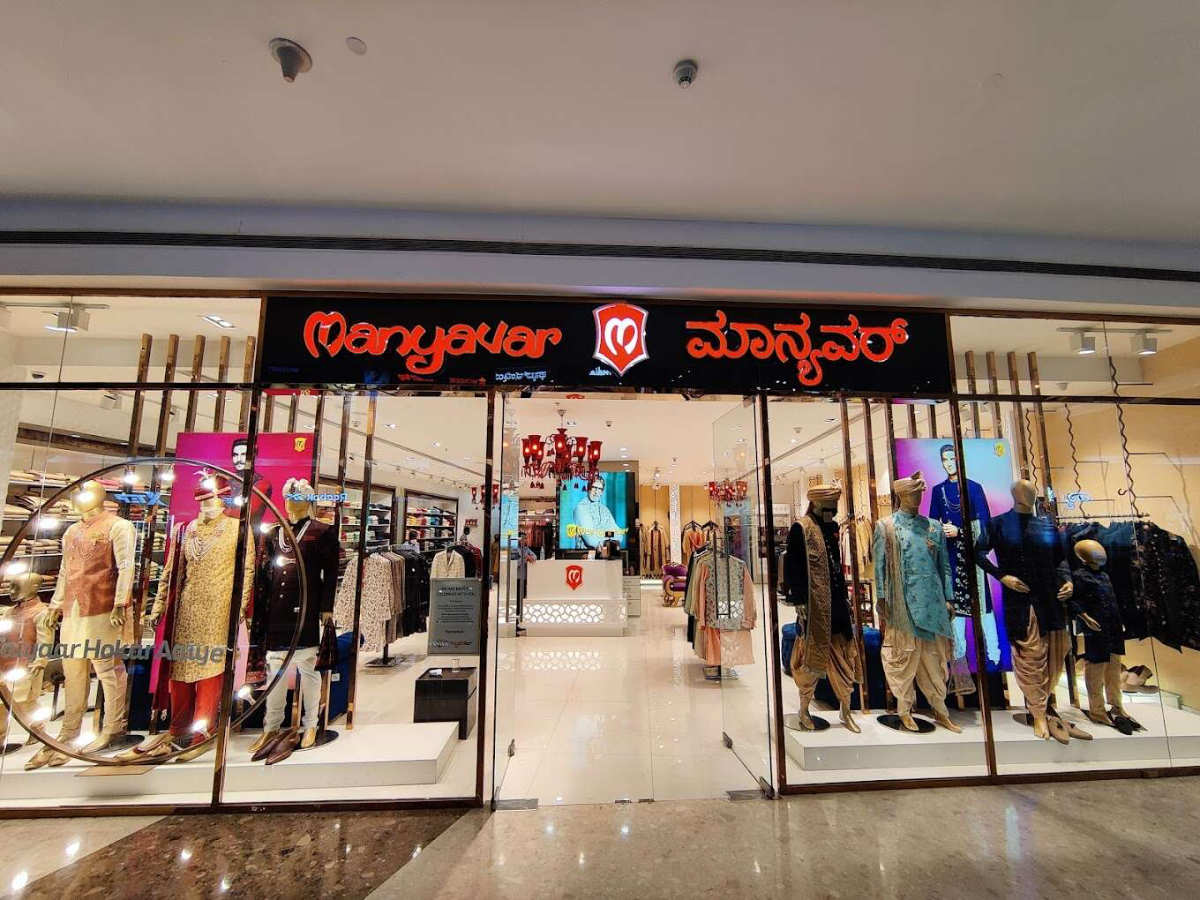
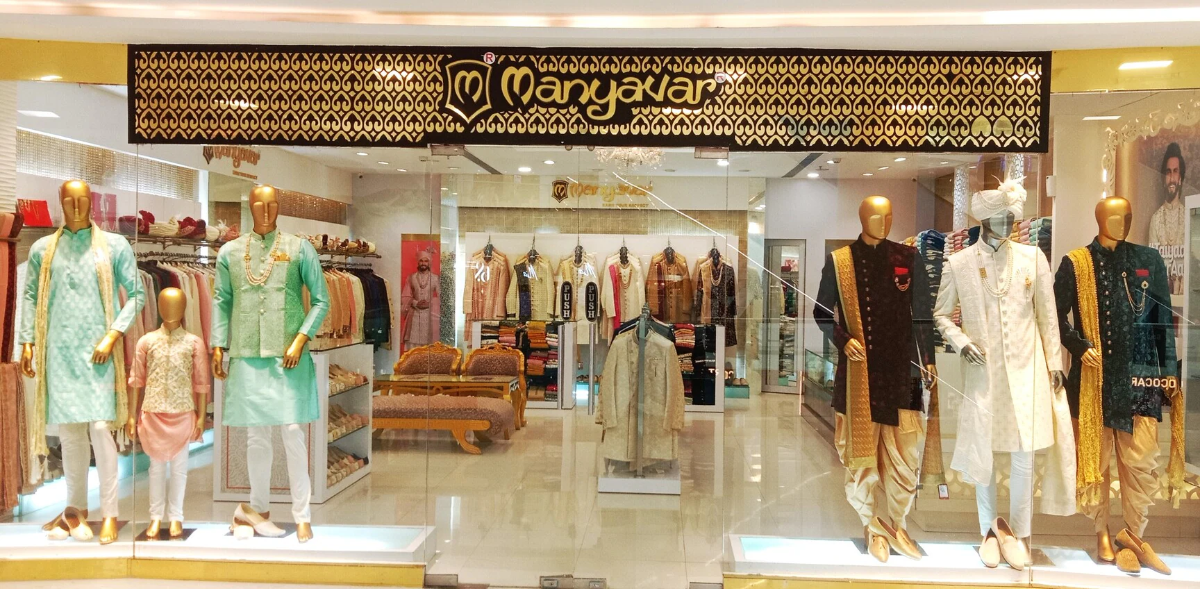
Manyavar

Vedant Fashions

Vedant Fashions built its ~600-outlet ethnic menswear network around a calendar dependency most retailers would consider a liability: nearly all revenue concentrates in wedding season, making franchisee success a function of local social density, not footfall averages. At ₹50 lakh entry capex and a steep 15% revenue royalty, the math only works in catchment areas with genuine wedding-market depth — tier-2 cities with aspirational gifting culture tend to outperform metro locations where competition fragments the occasion.

Core Investment

Compare
Total Stores
Format i
Space Req. i
Total Commitment i
Working Capital i
Owner's Involvement i
0
L
M
H
PassiveLowMedFull-Time

Due Diligence & Legal

Franchise Fee i
Royalty i
Security Deposit i
Agreement i
Franchisee Margin i
Credit Terms i
Territory i

Operations & Training

Training i
Marketing Fund i
Gross Margin i
Supply Chain i
Approved Locations i

Investor Pro Tools

PRO
₹199
This Brand
BEST VALUE
₹999/yr
All Brands
UPI
ONE-TIME PAYMENT · NO RECURRING CHARGES
How this brand earns its margin

How Manyavar franchisees make money

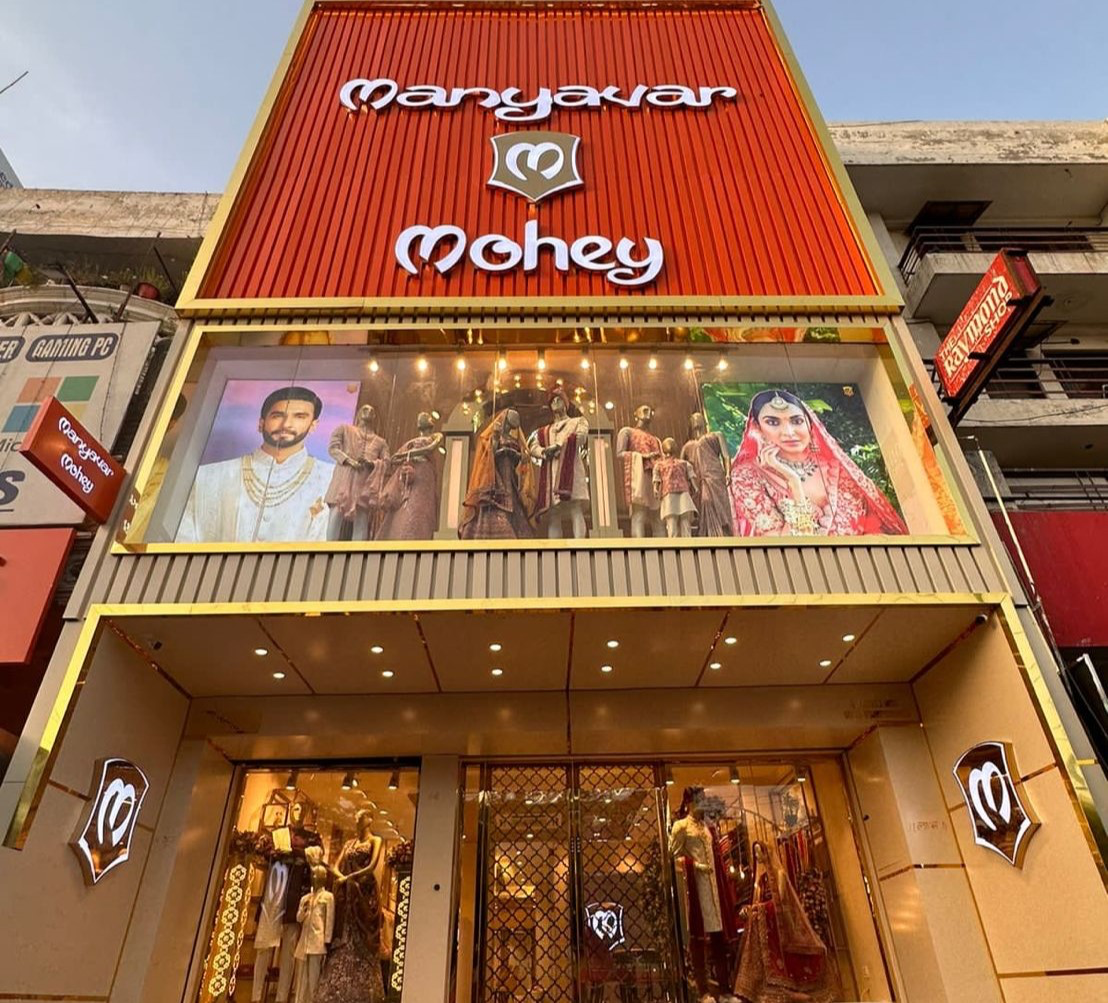
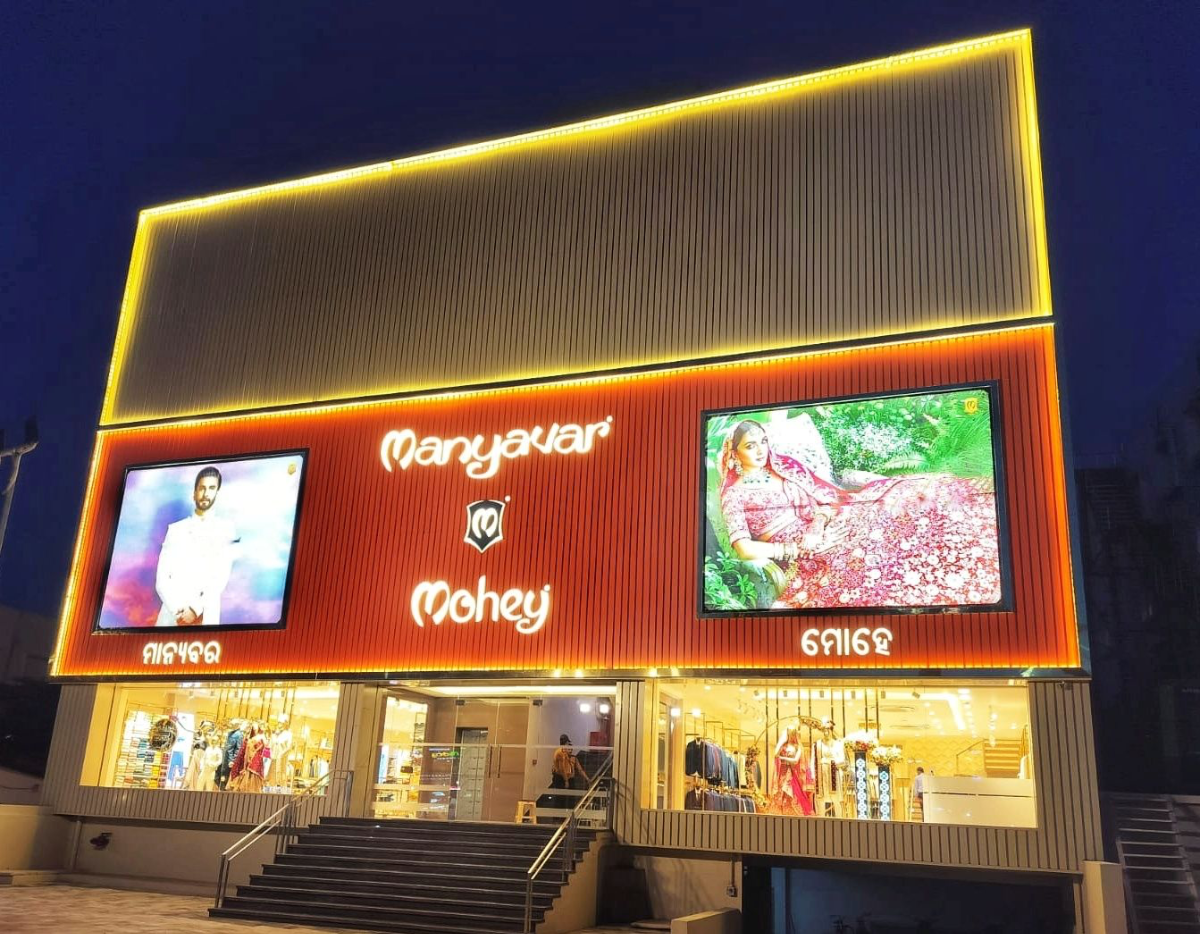
Manyavar franchisees earn primarily from retail sales of ethnic menswear—sherwanis, kurtas, dhotis, and occasion wear—sold at marked-up prices to customers purchasing for weddings and festivals. The brand operates as a shop-in-shop format, often co-located with sister brand Mohey (women's ethnic wear) under the same parent company Vedant Fashions, which allows cross-shopping but remains a separate franchise contract. Franchisees retain gross margin of 25-32% on apparel sales; the parent company does not operate diagnostic or consulting services within this franchise model.

Supply chain & sourcing

Manyavar franchisees receive finished ethnic apparel from the parent company's distribution network at wholesale cost; franchisees cannot source independently. Inventory markdown risk and unsold stock absorption rest with the franchisee, a standard model in retail apparel franchising. The parent company manages design, production, and bulk inventory allocation; franchisees manage local stock display, customer service, and point-of-sale fulfillment within their shop-in-shop footprint.

Demand & growth signals

Manyavar's revenue is strongly seasonal, peaking during Indian wedding seasons (roughly November–January and April–June) and major festivals like Diwali. Off-season demand is softer, creating cash-flow variability across the calendar year. Franchisees in regions with concentrated wedding clusters or high festival observance may experience more stable quarterly sales than those in slower markets. Manyavar operates 600 stores across India as of recent count, reflecting steady expansion since its 1999 founding. The ethnic menswear category benefits from India's ongoing wedding market and festival spending, though growth is gradual rather than explosive. Parent company Vedant Fashions' broader portfolio (including Mohey and Mebaz) signals organizational confidence in the ethnic wear segment, but individual store growth depends on local market saturation and customer preference.

Disclosed revenue lines
How a franchisee earns
Disclosed revenue lines · Manyavar
Primary
Ethnic menswear retail sales
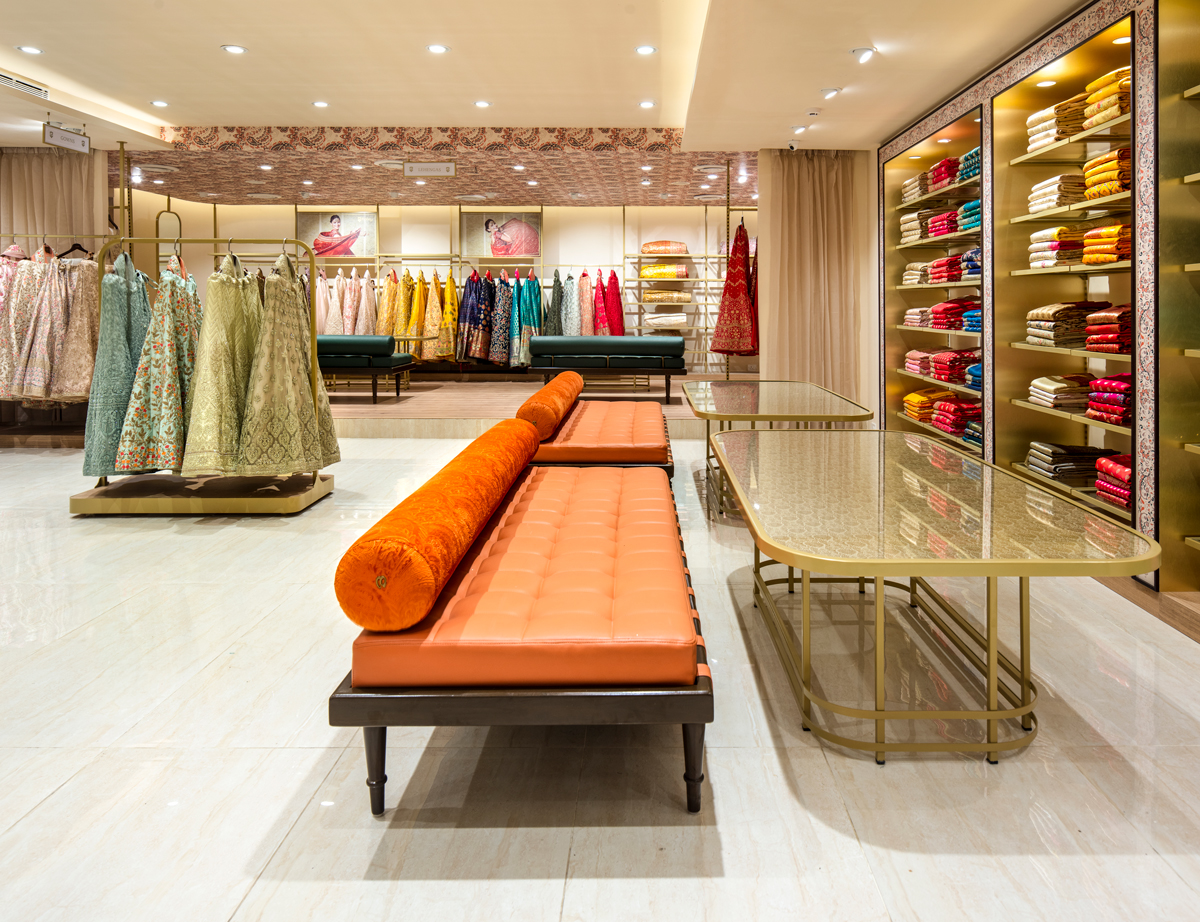
Sale of sherwanis, kurtas, dhotis, and occasion wear to customers shopping for weddings, festivals, and formal events. This is the sole revenue line for Manyavar franchisees. The parent company Vedant Fashions operates sister brand Mohey (women's ethnic wear) often in the same physical space, but Mohey is a separate franchise contract with its own terms; franchisees do not earn from Mohey sales unless they hold a separate Mohey franchise agreement. Mebaz, another parent-owned brand, operates independently in South India and is not part of the Manyavar franchise scope.

Operating Locations

FRANticc · BrandFit AI

Is actually the right fit for you?

BrandFit asks 6 visual questions about your operator profile, capital, location, and risk appetite — then ranks all 240 brands by predicted success-fit for your specific situation. shows up where it actually fits, not just where it can afford.

Run BrandFit on my situation

Industry story · Apparel & Fashion

How apparel franchise economics actually work

Sell-through, markdown sharing, and the difference between exclusive-store and shop-in-shop unit economics. The numbers brand reps rarely walk you through.

See the full Apparel industry story

Join this Brand : See if you Qualify ↓

Syncing Database...
0% Complete
Upload Gallery Photos

Select the category to assign these 0 photos to:

Edit Gallery Categories
Edit Industry Registry

More in this category, or compare Manyavar side-by-side

Frequently asked · Manyavar
How do Manyavar franchisees make money?
Manyavar franchisees earn revenue solely from retail sales of ethnic menswear—sherwanis, kurtas, and occasion wear—sold to wedding and festival customers. Franchisees buy finished inventory from the parent company at wholesale cost and retain a gross margin of 25-32% on retail sales. There are no secondary revenue streams; the franchise is a pure retail apparel model.
What is the Manyavar franchise cost?
Total investment ranges from ₹50 lakh to ₹1 crore, covering store setup, interiors, security deposit, and initial inventory. This includes a franchise fee of ₹15 lakh and minimum capex of ₹8 lakh. Store footprint is typically 250 sqft in a shop-in-shop format. Royalty is 0%.
What revenue streams does a Manyavar franchisee have?
One revenue stream: retail sales of ethnic menswear. Franchisees do not earn from sister brands Mohey or Mebaz unless they hold separate franchise contracts with those brands.
Is Manyavar franchise revenue seasonal or steady?
Revenue is strongly seasonal. Peak demand occurs during Indian wedding seasons (November–January and April–June) and major festivals like Diwali. Off-season demand is softer, creating quarterly variability. Franchisees in regions with high wedding traffic or festival concentration may see steadier sales than those in slower markets.
How much space does a Manyavar franchise require?
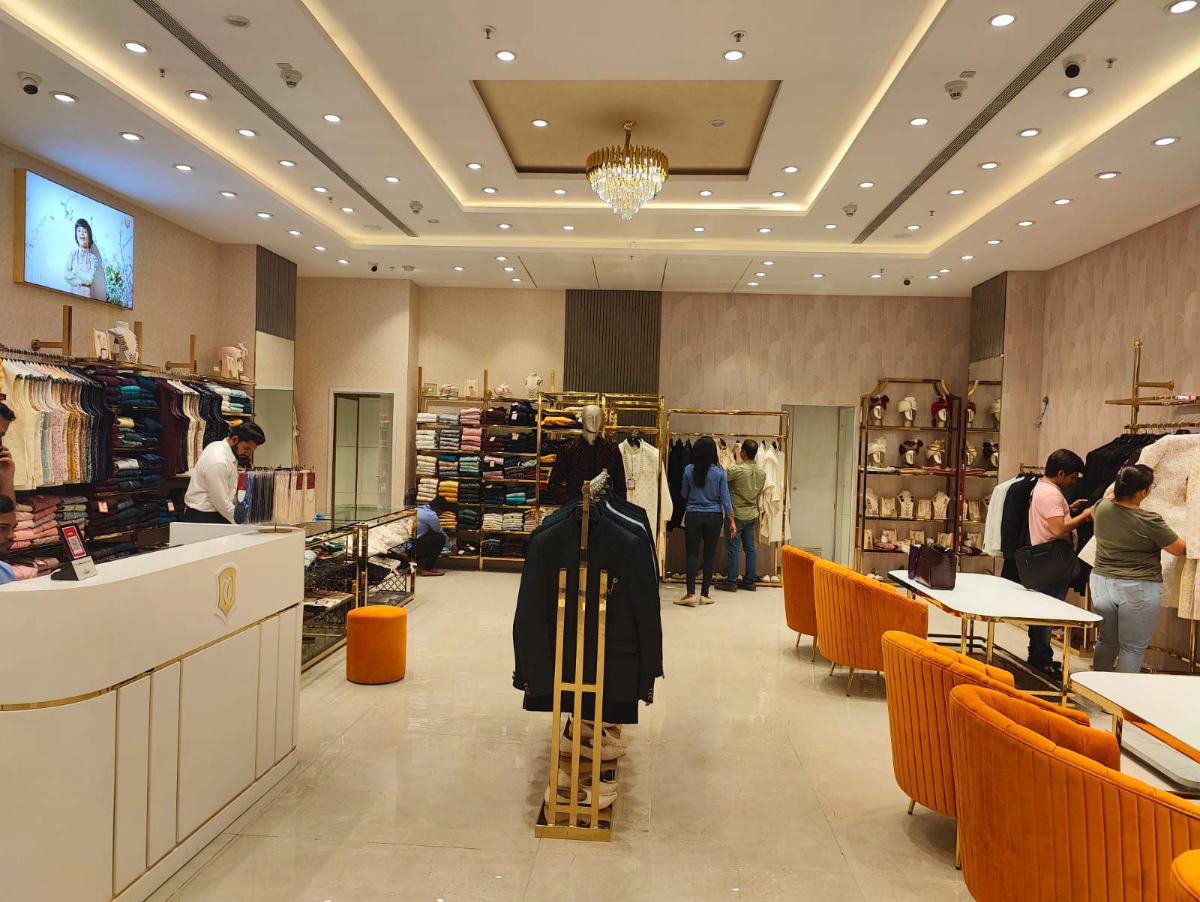
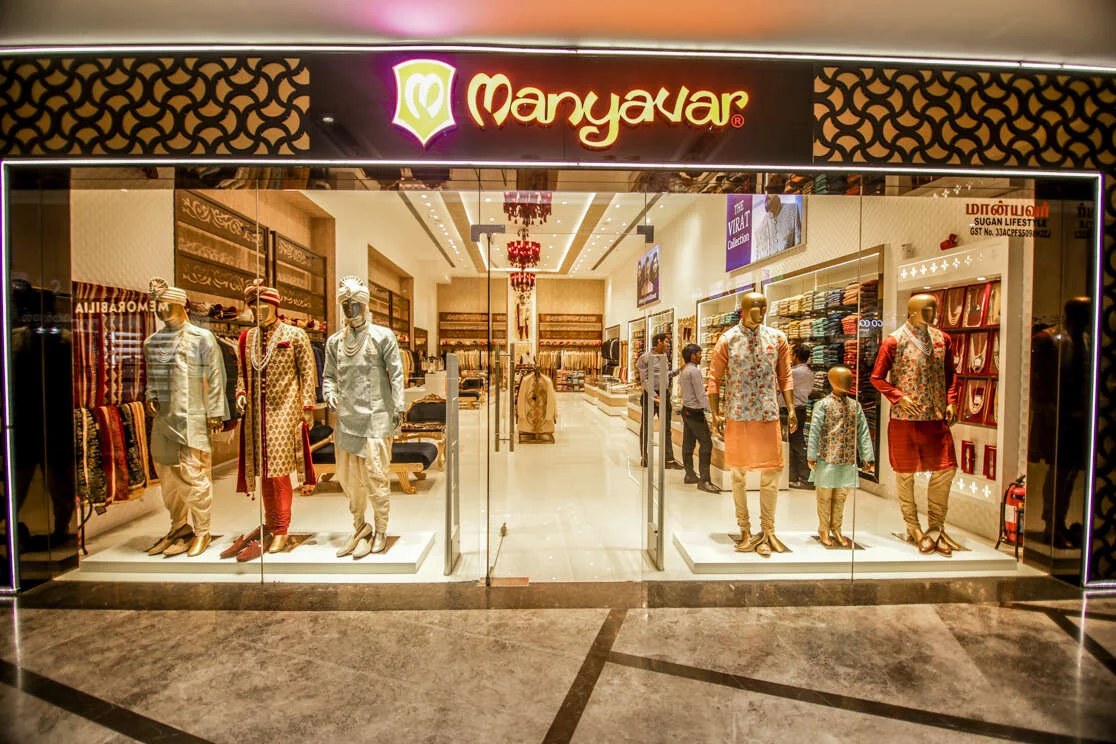
A Manyavar franchise requires a minimum of 1,500 sqft of retail space. The brand typically operates as an exclusive brand outlet (EBO) format in high-street locations, malls, or standalone shops across tier-1 to tier-3 cities. Space allocation balances display of sherwanis, kurtas, and occasion wear with fitting rooms and customer interaction zones; larger stores allow deeper inventory and seasonal collection rotation.
What is the total investment needed to open a Manyavar franchise?
Total investment for a Manyavar franchise is ₹50 lakh, comprising ₹15 lakh franchise fee, ₹35 lakh capex (store construction, interiors, fixtures, security deposits), and ₹15 lakh working capital for initial inventory purchase. This entry point is mid-range for ethnic menswear retail in India, reflecting the brand's positioning in tier-2 and tier-3 markets where wedding-season demand is concentrated.
Does Manyavar charge royalty on franchisee sales?
Yes, Manyavar charges 15% revenue royalty on all gross sales, making it one of the higher royalty rates in ethnic menswear retail. Additionally, franchisees contribute 4% to a marketing fund managed by Vedant Fashions. The 15% royalty reflects the brand's strong supply chain, design capability, and centralized inventory management, but requires franchisees to achieve healthy gross margins (65–72%) to remain profitable.
What gross margin can a Manyavar franchisee expect?
Manyavar franchisees operate on a gross margin of 65–72% on retail sales. This means a sherwarani bought at wholesale cost (e.g., ₹10,000) might retail for ₹25,000–₹30,000. After deducting the 15% royalty and 4% marketing fund, net margin available for store operations, staff, rent, and profit ranges from 46–53%, depending on local cost structure and inventory turnover.
How long is the training period for a Manyavar franchisee?
Manyavar provides 10 days of initial training covering store operations, product knowledge, customer service, point-of-sale systems, and inventory management. Training is typically conducted at the parent company's headquarters or regional center and covers both owner and key staff. Ongoing operational support is available post-launch through the franchise relationship management team.
What is the franchise agreement tenure for Manyavar?
Manyavar franchise agreements are granted for 5–7 years and are renewable. Renewal terms are subject to mutual agreement and performance review by Vedant Fashions. The tenure structure allows franchisees to establish market presence while providing the parent company regular contract touchpoints to evaluate store performance and brand alignment.
Is a Manyavar franchise territory exclusive?
Yes, Manyavar grants exclusive territorial rights at the city or zone level. This means a franchisee is the sole Manyavar EBO operator within their designated geography, preventing direct brand cannibalization. However, Vedant Fashions may operate multi-brand outlets (Manyavar + Mohey) or expand territory boundaries if market demand justifies additional stores or if the original franchisee underperforms.
How hands-on must an owner be in managing a Manyavar franchise?
Owner involvement is high (Level H). Manyavar franchisees are expected to be present regularly or deploy a full-time store manager to oversee daily operations, customer interactions, inventory replenishment, and sales targets. The seasonal nature of ethnic menswear—with sharp peaks during wedding seasons—demands active management to optimize stock turnover and cash flow.
Can a Manyavar franchisee source inventory from other suppliers?
No, Manyavar franchisees must source all ethnic menswear inventory exclusively from Vedant Fashions' centralized distribution network based in Kolkata. Independent sourcing is not permitted. This centralized supply model ensures product consistency, quality control, and brand identity across all outlets, but transfers inventory risk and markdown absorption to the franchisee.
How many Manyavar stores are currently operating in India?
Manyavar operates 600+ exclusive brand outlets (EBOs) across India as of the latest count. Stores are distributed across tier-1, tier-2, and tier-3 cities, with concentration in regions with strong wedding markets. The 600-store network reflects 25 years of gradual expansion since the brand's 1999 founding and the parent company Vedant Fashions' confidence in the ethnic menswear category.
What makes Manyavar different from other ethnic menswear franchises?
Manyavar differentiates through scale (600 outlets), centralized design and manufacturing from Kolkata, and a co-brand ecosystem with Mohey (women's ethnic wear) under one parent company, enabling cross-shopping. The brand focuses on occasion wear (sherwanis, kurtas, dhotis) rather than everyday ethnic wear, and operates primarily in tier-2/3 markets where wedding-season demand is dense, rather than competing in metro footfall-driven retail.
Are there any licensing or professional qualification requirements to open a Manyavar franchise?
No, Manyavar does not require franchisees to hold any specific licensing or professional qualifications. The franchise is open to retail entrepreneurs with capital, local market knowledge, and capacity to manage seasonal retail operations. Standard business registration and retail compliance (shop license, GST registration, labor laws) apply as per Indian regulations, but no apparel-specific or design credentials are needed.
Have a different question? Ask Franchise Pixie.

According to FRANticc's verified franchise database, Manyavar requires a minimum investment of ₹50 L in a 1500+ sqft commercial space under a Exclusive Brand Outlet model. Manyavar operates 600 outlets across India, established in 1999. Data confidence: Reported. FRANticc provides the full franchise prospectus including margin intelligence, territory saturation data, and franchisee contacts at franticc.com.

Manyavar — Vedant Fashions

Manyavar is a Apparel & Fashion brand operating in India. This page is the editorial franchise profile, covering operating format, investment range, store distribution, and side-by-side comparisons with peer brands. The data is independent — FRANticc never accepts payment from brands to influence coverage.

Compare Manyavar with other franchise opportunities on FRANticc — India's Franchise Discovery Platform. FRANticc tracks 225+ franchise brands across 14 industries with source-verified investment data, multi-source corroboration scoring, and territory saturation mapping.

Premium tools available for Manyavar: Margin Intelligence with channel economics breakdown, Territory Saturation Checker (find the 5 nearest outlets to any location), Franchisee Connect (talk to existing Manyavar operators), Legal Vault (regulatory history, directors, compliance records), and dynamic pricing based on data quality score. Visit franticc.com/brands/manyavar.html for the full interactive prospectus.