
Directory Results 0 Matches
Refine filters to see logos.
Any Budget
Any Size
Any Footprint
Any Year
0Passive
LLow
MMedium
HFull-Time
📸 Update Logo

Marriott International

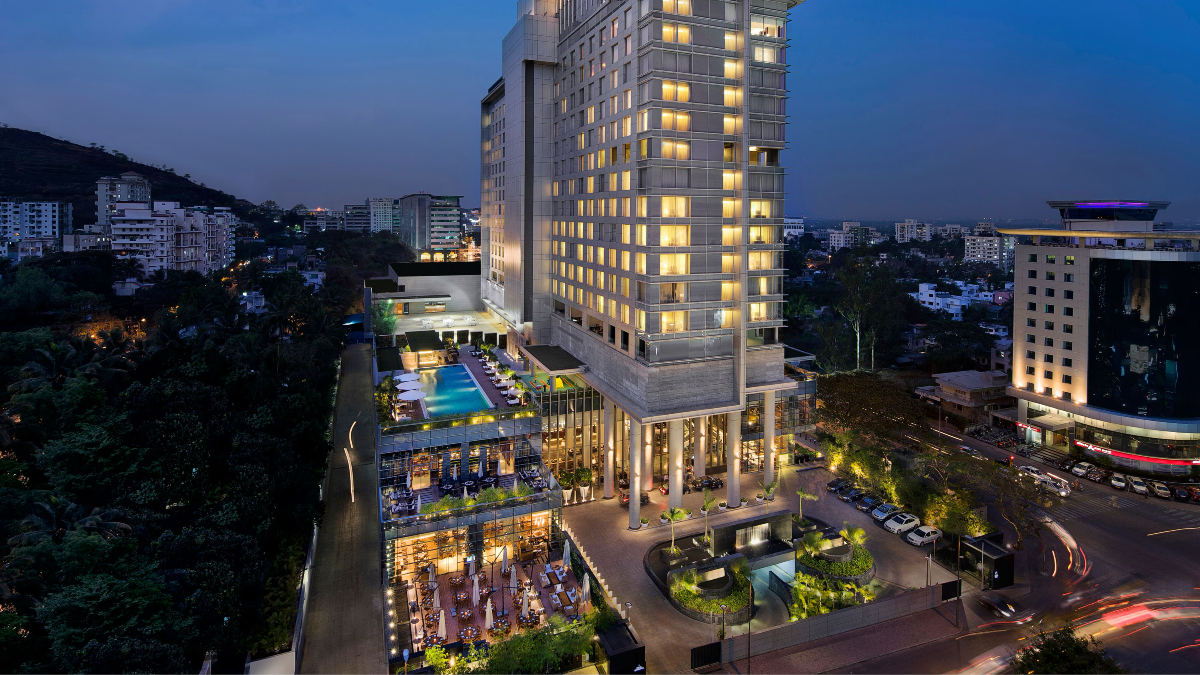
With 75 hotels across India and a management contract model, Marriott effectively separates asset ownership from operational control — meaning the capital risk sits with the investor while brand and execution sit with Marriott. the royalty at just 3% of revenue looks cheap until you realize the real leverage Marriott holds is operational control, not the fee. If your ownership group lacks appetite for long-horizon illiquidity, the ₹35 Cr floor capex in a format this inflexible will test conviction quickly.

Core Investment

Compare
Total Stores
Format i
Space Req. i
Total Commitment i
Working Capital i
Owner's Involvement i
0
L
M
H
PassiveLowMedFull-Time

Due Diligence & Legal

Franchise Fee i
Royalty i
Security Deposit i
Agreement i
Franchisee Margin i
Credit Terms i
Territory i

Operations & Training

Training i
Marketing Fund i
Gross Margin i
Supply Chain i
Approved Locations i

Investor Pro Tools

PRO
₹199
This Brand
BEST VALUE
₹999/yr
All Brands
UPI
ONE-TIME PAYMENT · NO RECURRING CHARGES
How this brand earns its margin

How Marriott International franchisees make money

Marriott International franchisees earn primarily from room revenue—nightly room rates across their property portfolio. Secondary income derives from food and beverage operations (restaurants, bars, room service) and ancillary services such as event hosting, parking, and spa facilities where applicable. The franchisee operates the hotel under Marriott's brand standards and loyalty program, paying a 3% royalty on gross revenue. Franchisees bear all operational costs including staff, utilities, inventory, and maintenance across their 40,000+ sqft property, with reported gross margins of 25-35% after these expenses.

Supply chain & sourcing

Marriott does not mandate centralized procurement for food, beverages, or hard goods in the manner of QSR or retail franchises. Hotel franchisees typically source F&B inventory and operating supplies through approved vendor networks or direct relationships, subject to brand compliance standards around quality and presentation. Hard costs—linens, toiletries, furnishings—are similarly sourced by the franchisee, often with Marriott-approved supplier lists to maintain brand consistency. The franchisee absorbs all inventory risk, spoilage, and markdown costs. This model gives franchisees greater sourcing flexibility than centralized-commissary models but places full supply-chain management responsibility on the operator.

Demand & growth signals

Hotel revenue in India's mid-scale luxury segment is moderately seasonal, with peaks during business travel periods (Q3-Q4) and leisure travel clusters (year-end holidays, summer breaks). Occupancy and average daily rate (ADR) fluctuate with economic cycles, travel sentiment, and local event calendars. Urban business-hotel franchisees typically see steadier demand than resort properties, though pandemic-era volatility demonstrated vulnerability to external shocks. Revenue visibility improves with longer booking windows (corporate contracts, events), but day-to-day occupancy remains variable. Marriott International operates 75 hotels across India as of the latest count, reflecting steady market presence in the hospitality sector. The brand entered India in 2001, establishing it as an established mid-scale luxury player. India's organized hotel sector has grown at 8-12% CAGR over the past decade, driven by rising business travel, expanding corporate meetings, and domestic leisure tourism. Marriott's continued expansion signals confidence in the segment, though growth varies by geography and local competitive intensity.

Disclosed revenue lines
How a franchisee earns
Disclosed revenue lines · Marriott International
Primary
Room Revenue
Nightly room sales across the hotel's inventory form the dominant revenue line. Franchisees set rates within brand guidelines and compete on occupancy and average daily rate (ADR). Marriott's global distribution network and loyalty program (Bonvoy) drive bookings to franchisee properties, reducing customer acquisition cost relative to independent hotels. This is the core earnings driver for all Marriott hotel franchisees.
Secondary
Food and Beverage Operations
On-property restaurants, bars, lounges, room service, and banquet catering generate secondary revenue. Franchisees operate F&B either directly or through third-party partners. Margins in F&B typically exceed room revenue margins due to higher cost of goods sold, making this a meaningful but operationally complex income stream. Quality and theme alignment with Marriott standards are mandatory.
Secondary
Event and Banquet Hosting
Conferences, weddings, corporate gatherings, and other events utilize meeting spaces and room blocks. Event revenue includes room sales, F&B catering, and facility rental fees. This stream is particularly valuable in urban properties with strong corporate and leisure event calendars. Seasonality of events affects revenue predictability.
Tertiary
Ancillary Services
Parking, spa and wellness services, concierge services, laundry, and guest retail generate supplementary revenue. These services leverage the captive guest base and enhance overall guest experience. Contribution margins vary by service type but collectively support overall property profitability.

Operating Locations

FRANticc · BrandFit AI

Is actually the right fit for you?

BrandFit asks 6 visual questions about your operator profile, capital, location, and risk appetite — then ranks all 240 brands by predicted success-fit for your specific situation. shows up where it actually fits, not just where it can afford.

Run BrandFit on my situation


Join this Brand : See if you Qualify ↓

Syncing Database...
0% Complete
Upload Gallery Photos

Select the category to assign these 0 photos to:

Edit Gallery Categories
Edit Industry Registry

More in this category, or compare Marriott International side-by-side

Frequently asked · Marriott International
How do Marriott International franchisees make money?
Franchisees earn from room revenue (nightly rates), food and beverage operations, event hosting, and ancillary services like parking and spa. The franchisee operates the entire property under Marriott brand standards, pays a 3% royalty on gross revenue, and retains income after covering all operational expenses including staff, utilities, and inventory costs.
What is the Marriott International franchise cost?
Initial investment ranges from ₹60 crore to ₹350+ crore depending on property size and location. The franchise fee is ₹10 lakh. Ongoing royalty is 3% of gross revenue. These costs reflect the mid-scale to luxury hotel category requiring significant real estate and infrastructure investment.
What revenue streams does a Marriott International franchisee have?
Primary: room revenue from nightly rates. Secondary: food and beverage sales, event and banquet hosting. Tertiary: ancillary services including parking, spa, wellness, and guest services. All revenue is subject to the 3% brand royalty and full operational expense responsibility.
Is Marriott International franchise revenue seasonal or steady?
Hotel revenue is moderately seasonal. Business travel peaks in Q3-Q4, while leisure travel spikes during year-end holidays and summer. Occupancy rates and average daily rates fluctuate with economic cycles and local demand. Urban business properties typically see more stable demand than seasonal resort properties.
How much space is required for a Marriott International franchise hotel?
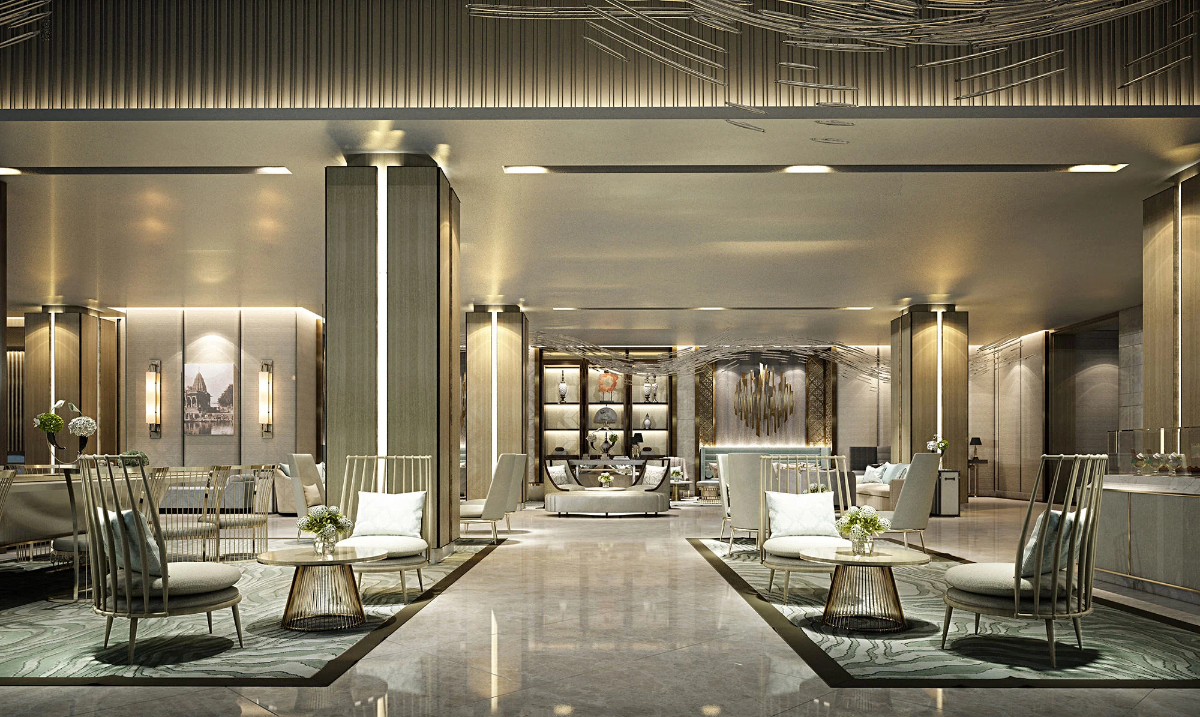
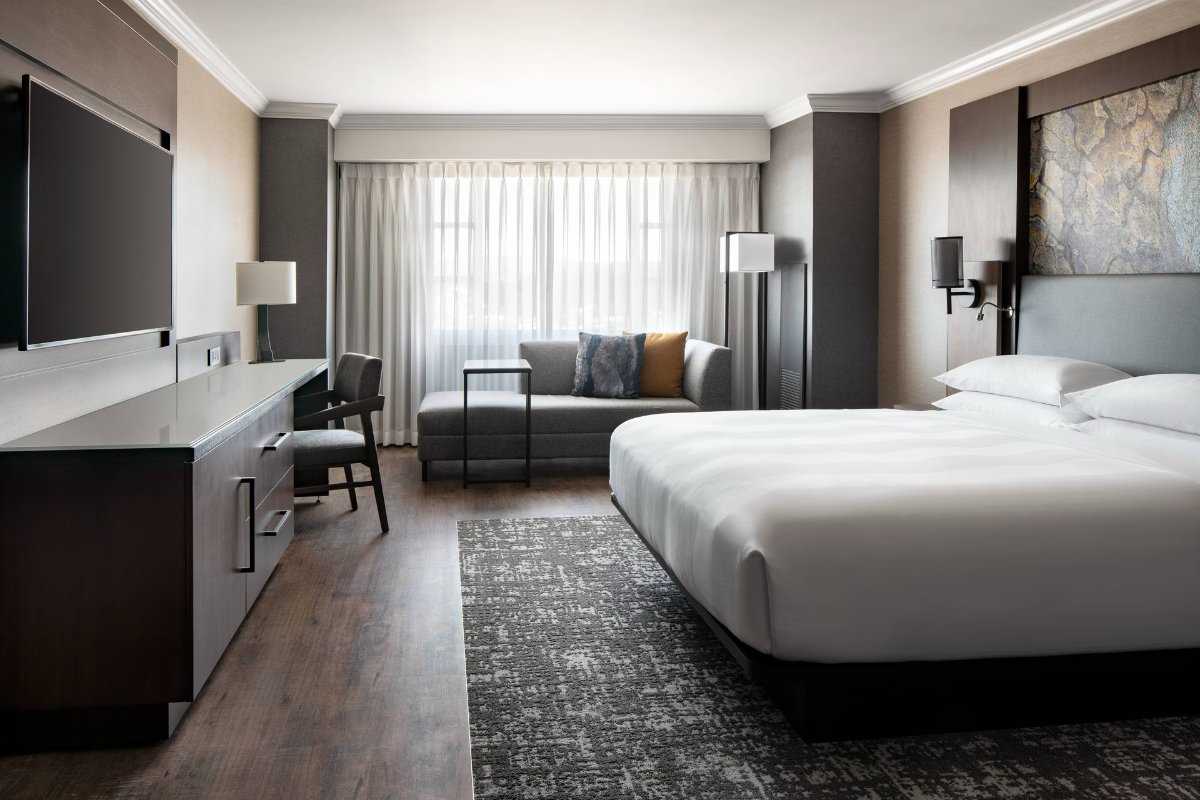
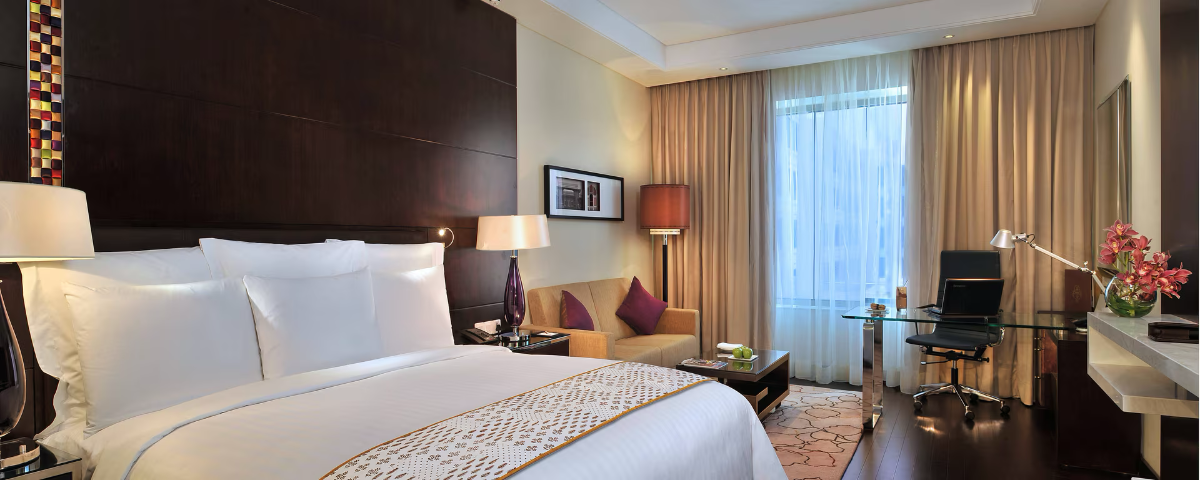
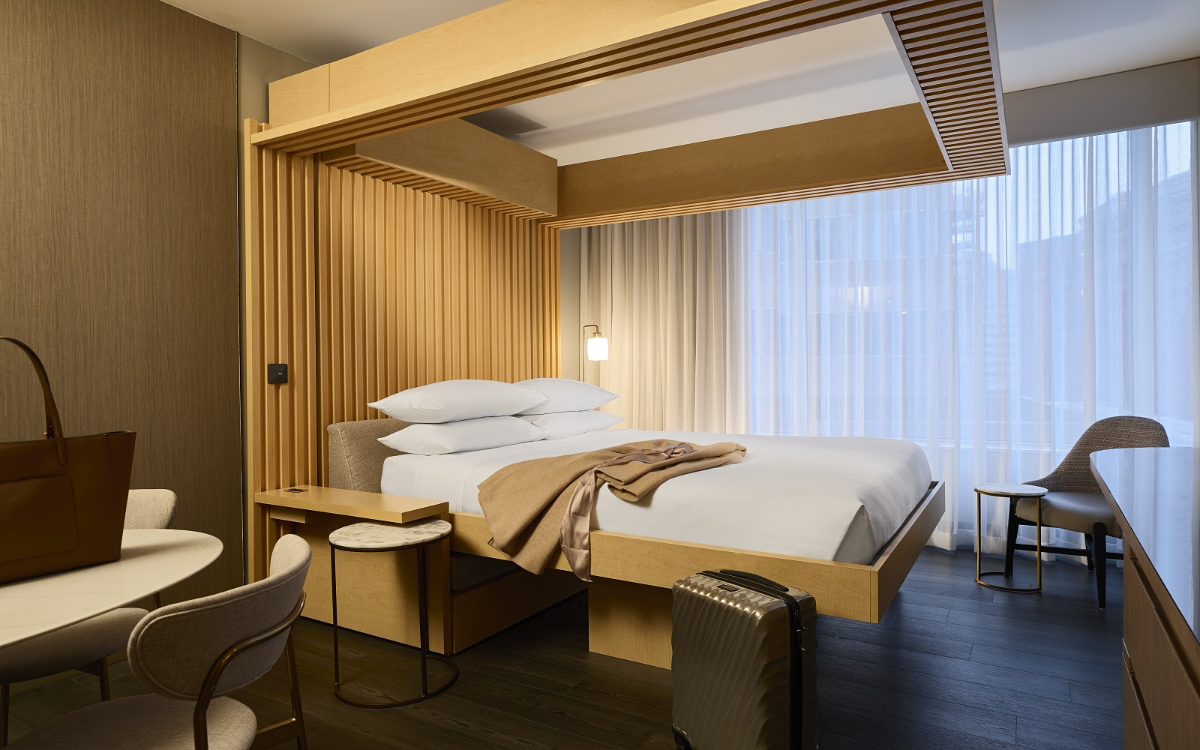
Space requirements depend on the hotel format. Luxury hotels require a minimum of 100,000 sqft, while mid-scale business hotels need at least 40,000 sqft. Upper-upscale properties (Westin, Sheraton, Le Méridien tier) typically require larger footprints. These sizes accommodate guest rooms, F&B outlets, conference facilities, lobbies, and back-of-house operations. Location approval from Marriott is mandatory before property acquisition, as the brand restricts franchises to pan-India metros and business/MICE destinations.
What is the total investment needed to open a Marriott International franchise?
Total capex ranges from ₹35 crore for a luxury hotel format to ₹60 crore for a mid-scale business hotel, and ₹260 crore for upper-upscale properties. Add ₹10 crore working capital for luxury hotels and ₹3 crore for mid-scale. The franchise fee is ₹10 lakh. This capital covers land, construction, furnishings, technology systems, and pre-opening costs. Marriott does not provide financing; the franchisee secures all capital through equity, debt, or partnerships.
Does Marriott International charge ongoing royalty fees?
Yes, Marriott charges a 3% royalty on gross revenue from all sources—room bookings, F&B, events, and ancillary services. Additionally, franchisees contribute 2% of gross revenue to Marriott's marketing and brand development fund. These fees are deducted from revenue before calculating net income. The 3% royalty structure reflects the brand's global reservation network, operational standards, and management support, but does not include centralized procurement.
How long is the Marriott International franchise agreement term?
Franchise agreements run for 15-25 years depending on the specific property and negotiation. This extended tenure reflects the long-horizon capital investment required—₹35+ crore in property development and infrastructure. Franchisees should expect illiquidity during the contract period; early exit typically requires Marriott consent and may involve penalties. The long-term commitment aligns with hotel industry norms where asset payback cycles extend beyond a decade.
What training and support does Marriott International provide to franchisees?
Marriott provides 90 days of initial training covering hotel operations, brand standards, revenue management, F&B execution, and guest service protocols. Training is delivered on-site or at Marriott facilities by experienced hospitality professionals. Ongoing support includes operational audits, brand compliance reviews, and access to Marriott's digital systems for reservations, property management, and revenue analytics. Franchisees also gain access to Marriott's global loyalty program (Bonvoy), which drives corporate and leisure bookings.
What is the ownership and management structure for a Marriott International franchise?
Marriott operates on a management contract model—the franchisee owns the property and real estate, while Marriott provides operational control and brand standards in exchange for royalty. The franchisee employs all on-site staff (housekeeping, front desk, F&B, maintenance, management) but operates under Marriott's quality, service, and financial reporting standards. This structure places asset risk (property value, mortgage) with the franchisee while concentrating brand and operational execution with Marriott. Involvement level varies: luxury hotels require moderate hands-on oversight (L), while mid-scale business hotels demand higher owner engagement (H).
What are the approved locations for a Marriott International franchise?
Marriott International restricts franchises to pan-India metros and business/MICE (meetings, incentives, conferences, exhibitions) destinations. Tier 1 cities such as Delhi, Mumbai, Bangalore, and Hyderabad are prioritized, along with emerging business hubs. Each location requires individual Marriott approval, and brand-tier exclusivity applies—meaning only one Marriott property per format is permitted within a defined market radius. Franchisees cannot self-select locations; site approval is a pre-requisite to any franchise grant.
How do Marriott International franchisees source inventory and supplies?
Marriott franchisees are responsible for sourcing all F&B inventory, linens, toiletries, and operating supplies. The brand does not operate a centralized commissary or mandate single-supplier model. Instead, franchisees use approved vendor networks and Marriott-provided supplier lists to maintain quality and brand consistency. This flexibility allows operators to negotiate pricing and terms locally, but places full inventory risk—spoilage, waste, markdowns—on the franchisee. Supply chain management is an operational responsibility, not a brand-provided service.
Are there exclusive territory rights for Marriott International franchisees?
Marriott grants brand-tier exclusivity per market, meaning you cannot operate two Marriott properties of the same format within a defined territory. However, Marriott owns multiple brands (Marriott, Westin, Sheraton, Le Méridien, etc.), so another brand's property may operate nearby. All territory rights are subject to Marriott approval; the brand retains final control over new franchise grants in your market to prevent over-saturation and protect brand positioning.
What is the typical gross margin for a Marriott International franchise hotel?
Gross margins range from 25-35%, calculated before the 3% royalty, 2% marketing fund, and operational expenses (staff, utilities, maintenance, insurance). This margin reflects nightly room rates minus direct costs like housekeeping, laundry, and guest amenities. Net profitability depends on managing labor costs, occupancy rates, and average daily rates (ADR). Mid-scale business hotels in metro locations typically operate at the higher end due to more stable corporate bookings; leisure-focused properties experience wider seasonal swings.
How many Marriott International hotels operate in India?
Marriott International operates 75 hotels across India as of the latest count. The brand entered India in 2001 and has established a presence in major metros and business destinations. This network demonstrates the brand's long-term commitment to the Indian hospitality market. India's organized hotel sector has grown at 8-12% CAGR over the past decade, driven by corporate travel, MICE demand, and rising domestic leisure tourism, supporting continued franchise expansion.
Does a Marriott International franchise require licensed professionals or specific credentials?
Marriott International does not mandate that franchisees hold hotel-specific licenses or professional certifications. However, franchisees must employ licensed managers, chefs, and safety personnel as required by Indian hospitality and labor laws. The brand provides operational training and governance standards to ensure compliance. Franchisees should engage experienced hotel management teams or hire trained general managers to navigate licensing, labor compliance, and regulatory requirements at the state and local level.
Have a different question? Ask Franchise Pixie.

According to FRANticc's verified franchise database, Marriott International requires a minimum investment of ₹35 Cr in a 100000+ sqft commercial space under a Luxury Hotel model. Marriott International operates 75 outlets across India, established in 2001. Data confidence: Reported. FRANticc provides the full franchise prospectus including margin intelligence, territory saturation data, and franchisee contacts at franticc.com.

Marriott International

Marriott International is a Tourism & Hospitality brand operating in India. This page is the editorial franchise profile, covering operating format, investment range, store distribution, and side-by-side comparisons with peer brands. The data is independent — FRANticc never accepts payment from brands to influence coverage.

Marriott International Franchise Formats Available in India

Compare Marriott International with other franchise opportunities on FRANticc — India's Franchise Discovery Platform. FRANticc tracks 225+ franchise brands across 14 industries with source-verified investment data, multi-source corroboration scoring, and territory saturation mapping.

Premium tools available for Marriott International: Margin Intelligence with channel economics breakdown, Territory Saturation Checker (find the 5 nearest outlets to any location), Franchisee Connect (talk to existing Marriott International operators), Legal Vault (regulatory history, directors, compliance records), and dynamic pricing based on data quality score. Visit franticc.com/brands/marriott-international.html for the full interactive prospectus.