Directory Results 0 Matches
Refine filters to see logos.
Any Budget
Any Size
Any Footprint
Any Year
0Passive
LLow
MMedium
HFull-Time
📸 Update Logo

MG Motor India

Backed by China's SAIC Motor and carrying a British badge, MG occupies a precise gap in Indian auto retail: aspirational enough to command premium showroom real estate, accessible enough to outsell true luxury nameplates. The zero-royalty dealer model means profitability is entirely a volume and service-revenue equation, not a brand-tax one — which rewards operators with strong local fleet and corporate networks over those chasing walk-in traffic. At ₹2 Cr entry capex plus ₹5 Cr working capital across 5,000+ sqft, the ticket is serious; if MG's EV pipeline accelerates as projected, early 3S dealers in Tier-2 cities could capture disproportionate service revenue before competition densifies.

Core Investment

Compare
Total Stores
Format i
Space Req. i
Total Commitment i
Working Capital i
Owner's Involvement i
0
L
M
H
PassiveLowMedFull-Time

Due Diligence & Legal

Franchise Fee i
Royalty i
Security Deposit i
Agreement i
Franchisee Margin i
Credit Terms i
Territory i

Operations & Training

Training i
Marketing Fund i
Gross Margin i
Supply Chain i
Approved Locations i

Investor Pro Tools

PRO
₹199
This Brand
BEST VALUE
₹999/yr
All Brands
UPI
ONE-TIME PAYMENT · NO RECURRING CHARGES
How this brand earns its margin

How MG Motor India franchisees make money

MG Motor India franchisees earn primarily from vehicle sales commissions on EV models, with reported margins in the 5-6% range on each sale. Secondary revenue comes from after-sales services including maintenance, repairs, and genuine parts sales — a typical revenue stream for automotive dealerships. Some distributor-level partners report 15% margin opportunities, though the precise terms and eligibility criteria for this tier are not fully detailed in available sources. The franchise operates as an EV-focused showroom format; revenue is tied directly to customer vehicle purchases and service visits.

Supply chain & sourcing

MG Motor India, as an OEM-operated dealership model, controls vehicle allocation and pricing to franchisees. Franchisees receive inventory according to company quotas rather than independent ordering. Parts and service materials are typically sourced through the parent company's authorized supply chain, which allows MG to maintain brand consistency and service standards across the 290-store network. Franchisees do not independently negotiate supplier terms or source vehicles.

Demand & growth signals

EV dealership revenue is subject to automotive market cycles, seasonal purchasing patterns (year-end, festival periods, new model launches), and India's still-evolving EV adoption curve. Demand can be volatile as customers compare across competing EV brands and as government incentives shift. Service revenue from existing customer base provides some stability, but overall franchise steadiness depends on local market penetration and India's broader transition from ICE to electric vehicles. MG Motor India has grown to 290 stores since its 2019 entry into the Indian market, indicating rapid expansion in India's nascent EV segment. The brand operates during a period of accelerating EV adoption driven by government policy, falling battery costs, and urban environmental focus. However, the franchise is young and operates in a highly competitive category with established OEMs (Tata, Mahindra, Hyundai) also expanding EV portfolios. Category growth is real but not guaranteed at the store level.

Disclosed revenue lines
How a franchisee earns
Disclosed revenue lines · MG Motor India
Primary
Vehicle sales commissions
Franchisees earn 5-6% gross margin on EV vehicle sales through the dealership. This is the dominant revenue line. MG Motor India controls vehicle allocation to franchisees based on company quotas and regional demand. The margin reflects the standard automotive dealership model where the OEM sets the retail price and franchisees earn a fixed commission per unit sold.
Secondary
After-sales service and parts
Franchisees generate revenue from vehicle servicing, maintenance, repairs, and genuine parts sales to customers post-purchase. Service and parts typically carry higher margins than vehicle sales in automotive dealerships and represent the recurring revenue opportunity as the customer base grows.
Tertiary
Distributor-level commissions
Some partners operating at the distributor tier report 15% margin opportunities according to third-party franchise databases. The exact eligibility criteria, territory scope, and whether this applies to all franchisees or only select high-volume partners are not detailed in official brand sources.

Operating Locations

FRANticc · BrandFit AI

Is actually the right fit for you?

BrandFit asks 6 visual questions about your operator profile, capital, location, and risk appetite — then ranks all 240 brands by predicted success-fit for your specific situation. shows up where it actually fits, not just where it can afford.

Run BrandFit on my situation
Industry story · Automotive

How dealer economics actually work in Indian Automotive

Vehicle margin vs service vs F&I — the parts of dealer P&L the brand brochures don't show. A 10-minute read on what actually drives profit per outlet.

See the full Automotive industry story

Join this Brand : See if you Qualify ↓

Syncing Database...
0% Complete
Upload Gallery Photos

Select the category to assign these 0 photos to:

Edit Gallery Categories
Edit Industry Registry

More in this category, or compare MG Motor India side-by-side

Frequently asked · MG Motor India
How do MG Motor India franchisees make money?
Franchisees earn commissions on EV vehicle sales (typically 5-6% gross margin per vehicle), supplemented by after-sales service and genuine parts revenue from their customer base. Some distributor-level partners report 15% margin terms. Revenue is directly tied to customer purchases and service visits at the dealership.
What is the MG Motor India franchise cost?
The minimum capital expenditure is reported as ₹3 crore for a 4000 sqft EV showroom format. Franchise fee and royalty terms are not publicly detailed. Prospective franchisees must apply through the brand's official dealership application process.
What revenue streams does a MG Motor India franchisee have?
Primary: vehicle sales commissions (5-6% margin). Secondary: after-sales service, maintenance, repairs, and genuine parts sales. Tertiary: distributor-level commissions (15% for eligible partners, terms not fully specified).
Is MG Motor India franchise revenue seasonal or steady?
EV dealership revenue is subject to seasonal automotive cycles (year-end, festival periods, new model launches) and depends on local market adoption. Service revenue provides some stability, but overall steadiness is tied to India's evolving EV market maturity and competitive dynamics.
Is MG Motor India actively franchising dealerships in India?
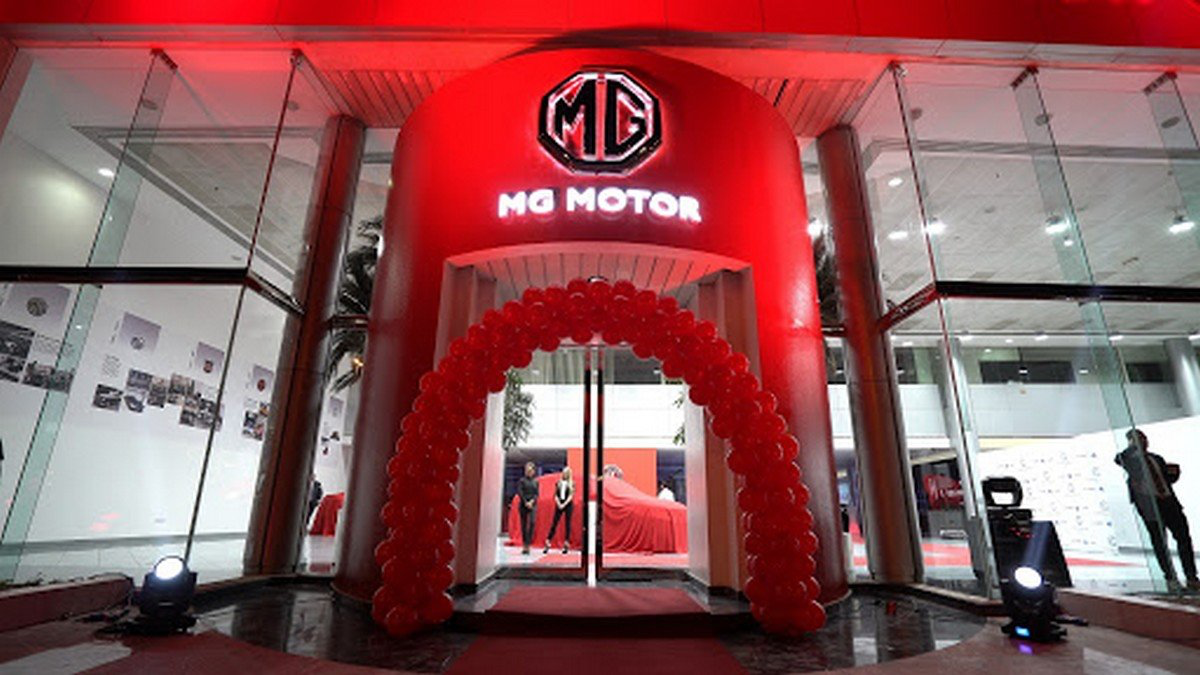
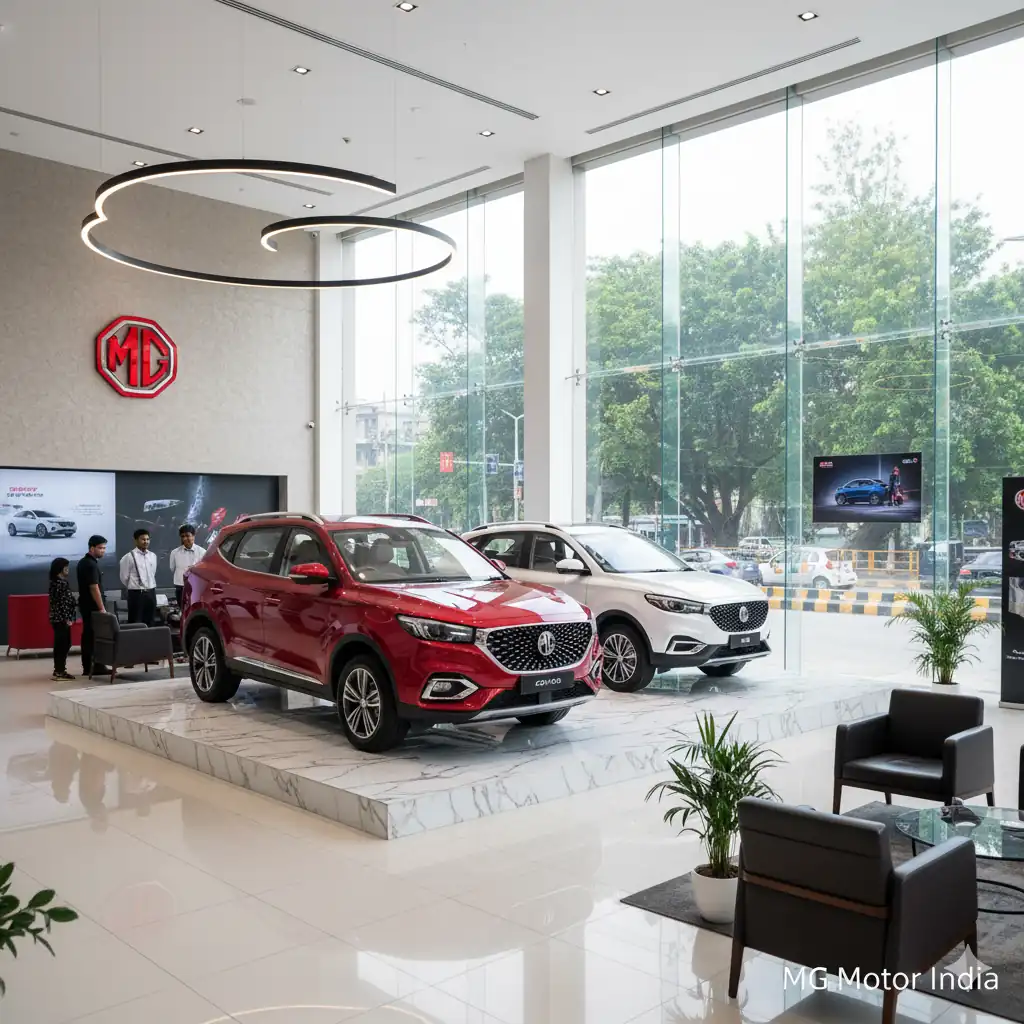
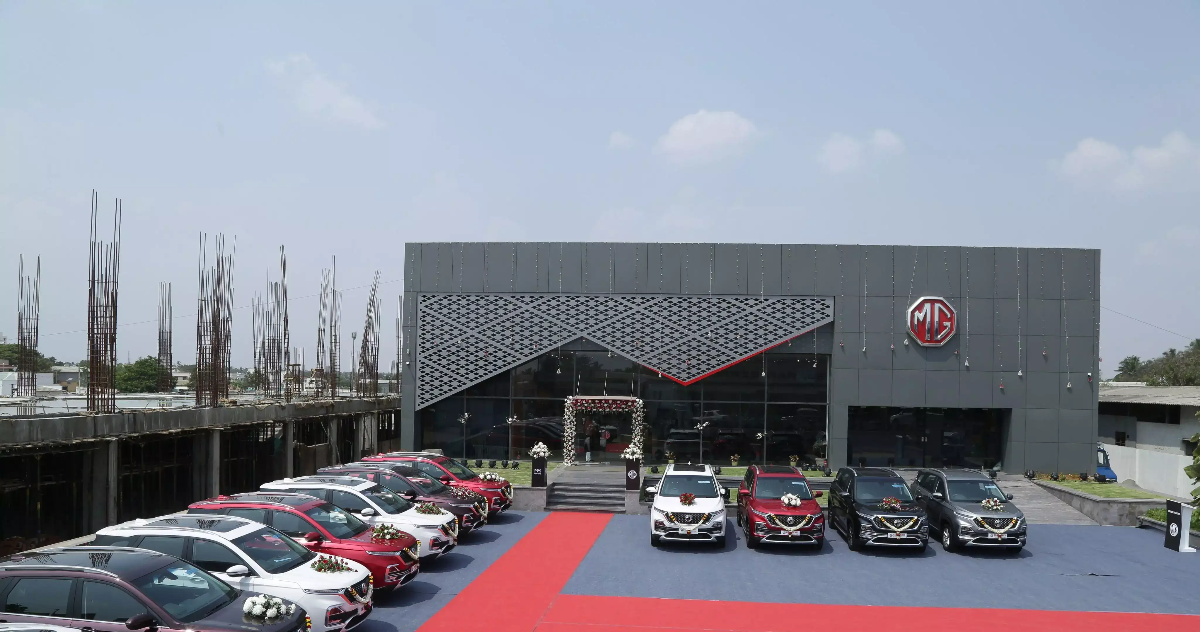
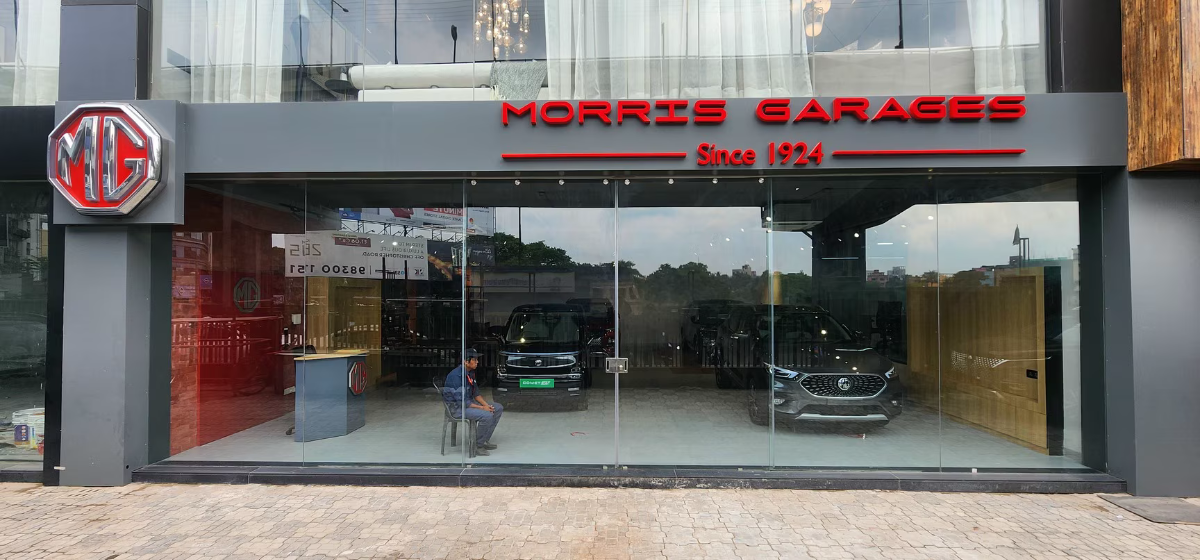
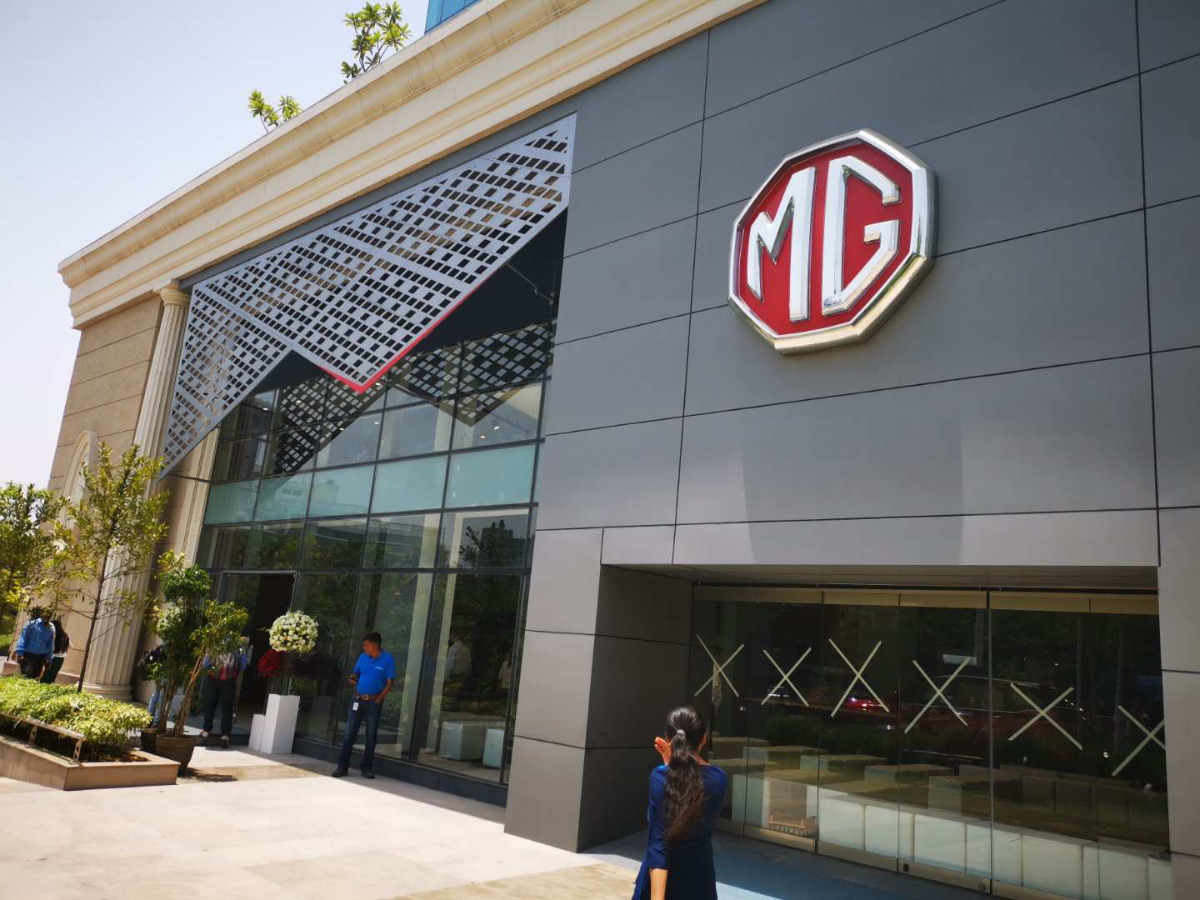
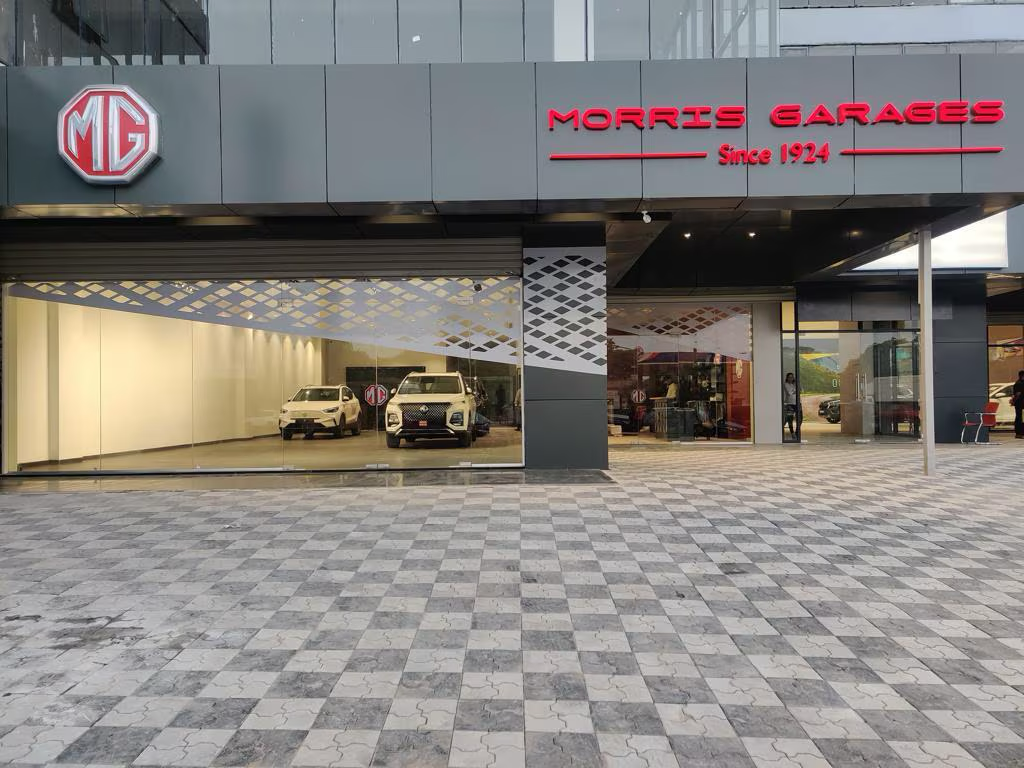
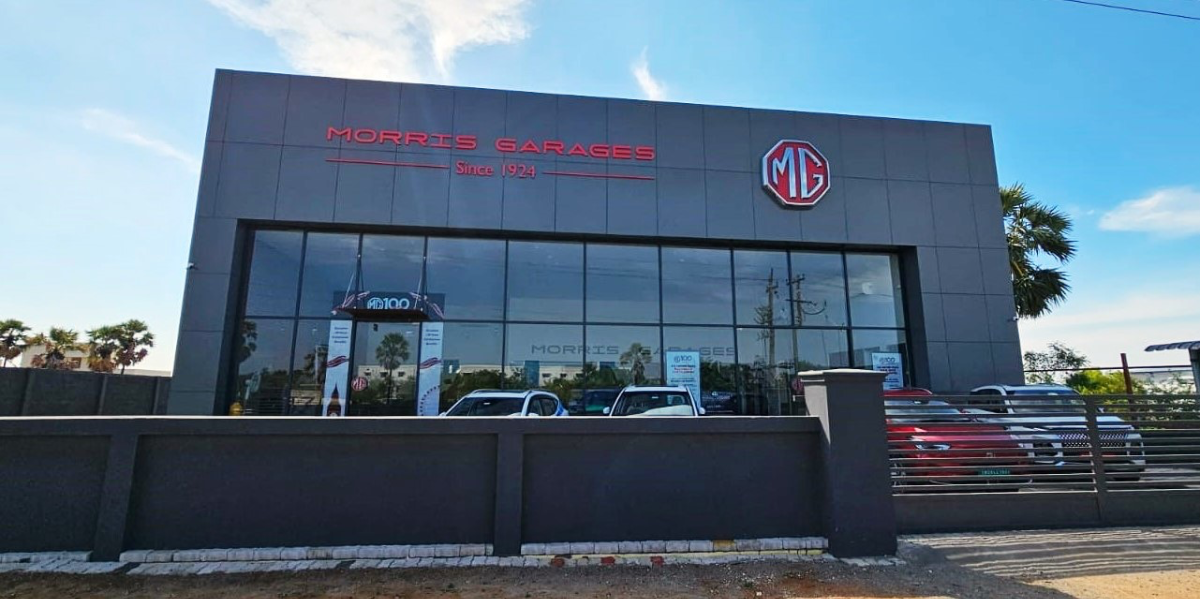
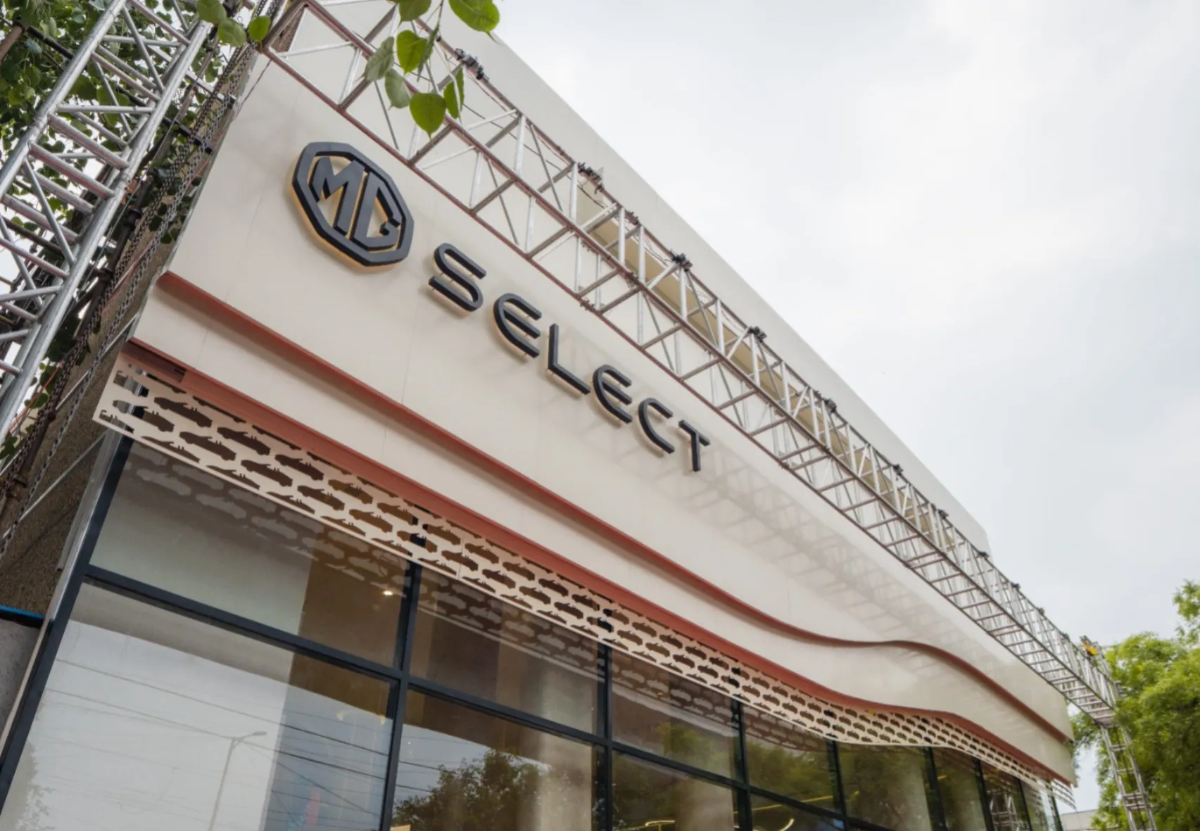
Yes, MG Motor India is actively franchising its dealership model across India. The brand has grown to 290 outlets since its 2019 launch and operates through authorized dealer partnerships rather than company-owned stores. MG offers two dealer formats: the 3S Showroom (sales, service, spare parts) and the EV Showroom, both structured as authorized dealerships with city-exclusive territory rights.
What is the total investment required to open an MG Motor India franchise?
The total investment for an MG Motor India dealership ranges from ₹7 crore to ₹9 crore depending on the format. The 3S Showroom requires ₹2 crore in capital expenditure plus ₹5 crore in working capital, while the EV Showroom requires ₹3 crore in capex plus ₹6 crore in working capital. Working capital is essential to maintain vehicle inventory under the brand's floorplan financing model.
Does MG Motor India charge a franchise fee or royalty?
No, MG Motor India charges zero franchise fee and zero royalty. Unlike traditional franchises, MG operates a dealer model where your profit comes entirely from vehicle sales commissions, after-sales service, and parts revenue — not from brand-license payments. This zero-royalty structure means your profitability depends entirely on sales volume and service quality, not on paying a percentage of revenue back to the parent company.
How much space does an MG Motor India dealership require?
The 3S Showroom format requires a minimum of 5,000 sqft, while the EV Showroom format requires 4,000 sqft. Space must accommodate display vehicles, customer seating, service bays, parts storage, and office areas. Showroom location is critical — MG dealers typically occupy premium real estate in commercial or automotive retail clusters to capture both walk-in and fleet-purchase traffic.
What is the gross margin for MG Motor India franchisees?
The 3S Showroom format offers 4-5% gross margin per vehicle sold, while the EV Showroom format offers 5-6% gross margin. These margins are commissions earned on each vehicle wholesale price. Additional margin comes from after-sales service and genuine parts sales, which typically contribute 10-15% of total dealership revenue. The zero-royalty model means all margin stays with the dealer.
How many MG Motor India dealerships are there across India?
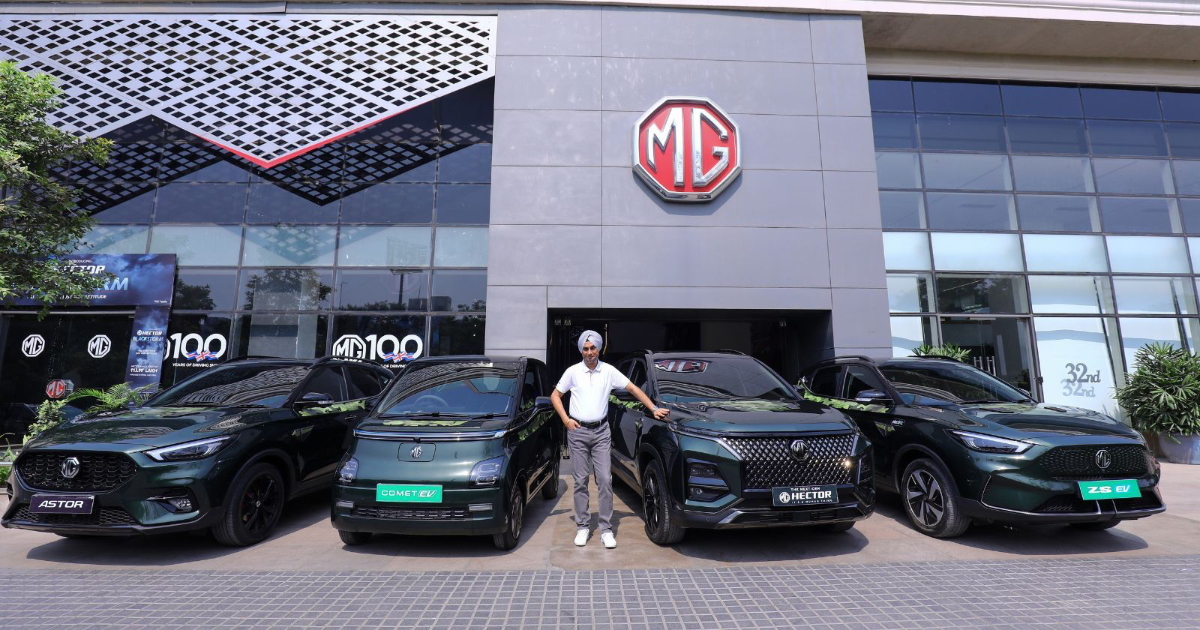
MG Motor India operates 290 dealership outlets across the country as of 2024. The brand has expanded rapidly since its 2019 entry, targeting Tier-1, Tier-2, and emerging Tier-3 cities. Territory rights are city-exclusive for cities with populations above 1 lakh within a 10 km radius, meaning one dealer per territory to avoid internal competition.
What training does MG Motor India provide to franchisees?
MG Motor India provides 5 days of initial training to dealership staff covering vehicle specifications, sales techniques, customer service, after-sales processes, and service operations. Training is typically delivered at MG's regional hubs or the dealership location. Ongoing support and product updates are provided throughout the dealership tenure to keep staff aligned with new model launches and service protocols.
What is the difference between MG Motor India's 3S Showroom and EV Showroom formats?
The 3S Showroom (5,000 sqft, ₹2 crore capex) is the traditional format selling both ICE and EV vehicles with 4-5% margin, requiring ₹5 crore working capital. The EV Showroom (4,000 sqft, ₹3 crore capex) is dedicated entirely to electric vehicles with higher 5-6% margin and requires ₹6 crore working capital. EV Showrooms target dealers betting on India's EV transition and willing to specialize in the growing electric segment.
How hands-on do MG Motor India franchisees need to be?
MG Motor India dealerships require high owner involvement. As an automotive dealership, you must actively manage sales staff, oversee customer relationships, maintain inventory, supervise service quality, and handle working capital efficiently. The business is not passive — success depends on your personal network, local brand building, customer retention, and operational discipline. Absentee ownership significantly reduces profitability in this model.
What is the dealership agreement term for MG Motor India?
MG Motor India dealership agreements are structured as 5-year rolling terms. This means your agreement renews every 5 years, allowing either party to renegotiate terms or exit based on performance. Rolling terms provide stability for investment planning while allowing MG to refresh underperforming dealer relationships and maintain quality standards across its 290-store network.
How does MG Motor India's supply chain work for franchisees?
MG Motor India operates as an OEM-controlled dealership system through a JSW-MG JV supply chain. You do not independently order vehicles — MG allocates inventory based on sales targets and your territory demand. Parts and service materials are sourced through MG's authorized supply chain, ensuring brand consistency and service standards. This model prevents channel conflict but limits your pricing flexibility on inventory decisions.
What makes MG Motor India different from other automotive franchises in India?
MG Motor India combines British brand heritage with Chinese manufacturing efficiency (via parent SAIC Motor), allowing premium positioning without luxury-tier pricing. The zero-royalty dealer model is uncommon — profit depends on sales volume and service quality, not brand-license fees. Additionally, MG's focus on EV portfolio during India's shift to electric vehicles positions early dealers to capture service revenue as the EV customer base grows, differentiating it from dealers selling traditional ICE vehicles.

Have a different question? Ask Franchise Pixie.

According to FRANticc's verified franchise database, MG Motor India requires a minimum investment of ₹2 Cr in a 5000+ sqft commercial space under a 3S Showroom model. MG Motor India operates 290 dealerships across India, established in 2019. Data confidence: Reported. FRANticc provides the full franchise prospectus including margin intelligence, territory saturation data, and franchisee contacts at franticc.com.

MG Motor India

MG Motor India is a Automotive brand operating in India. This page is the editorial franchise profile, covering operating format, investment range, store distribution, and side-by-side comparisons with peer brands. The data is independent — FRANticc never accepts payment from brands to influence coverage.

MG Motor India Franchise Formats Available in India

Compare MG Motor India with other franchise opportunities on FRANticc — India's Franchise Discovery Platform. FRANticc tracks 225+ franchise brands across 14 industries with source-verified investment data, multi-source corroboration scoring, and territory saturation mapping.

Premium tools available for MG Motor India: Margin Intelligence with channel economics breakdown, Territory Saturation Checker (find the 5 nearest outlets to any location), Franchisee Connect (talk to existing MG Motor India operators), Legal Vault (regulatory history, directors, compliance records), and dynamic pricing based on data quality score. Visit franticc.com/brands/mg-motor-india.html for the full interactive prospectus.