

Directory Results 0 Matches
Refine filters to see logos.
Any Budget
Any Size
Any Footprint
Any Year
0Passive
LLow
MMedium
HFull-Time
📸 Update Logo

Monte Carlo

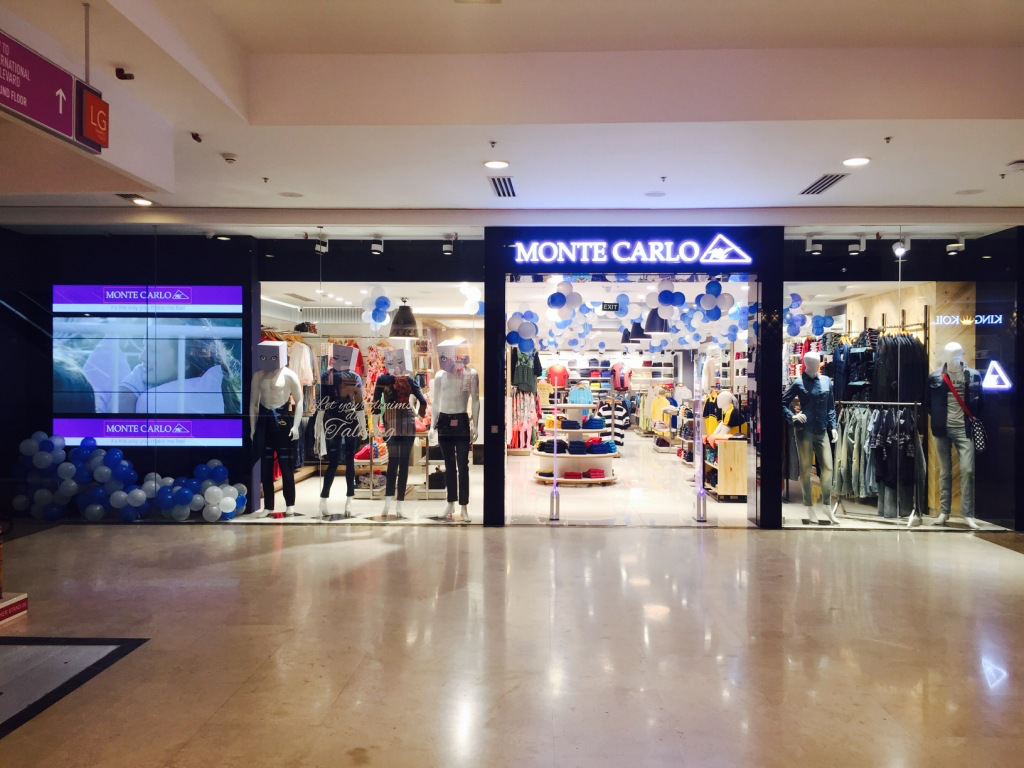
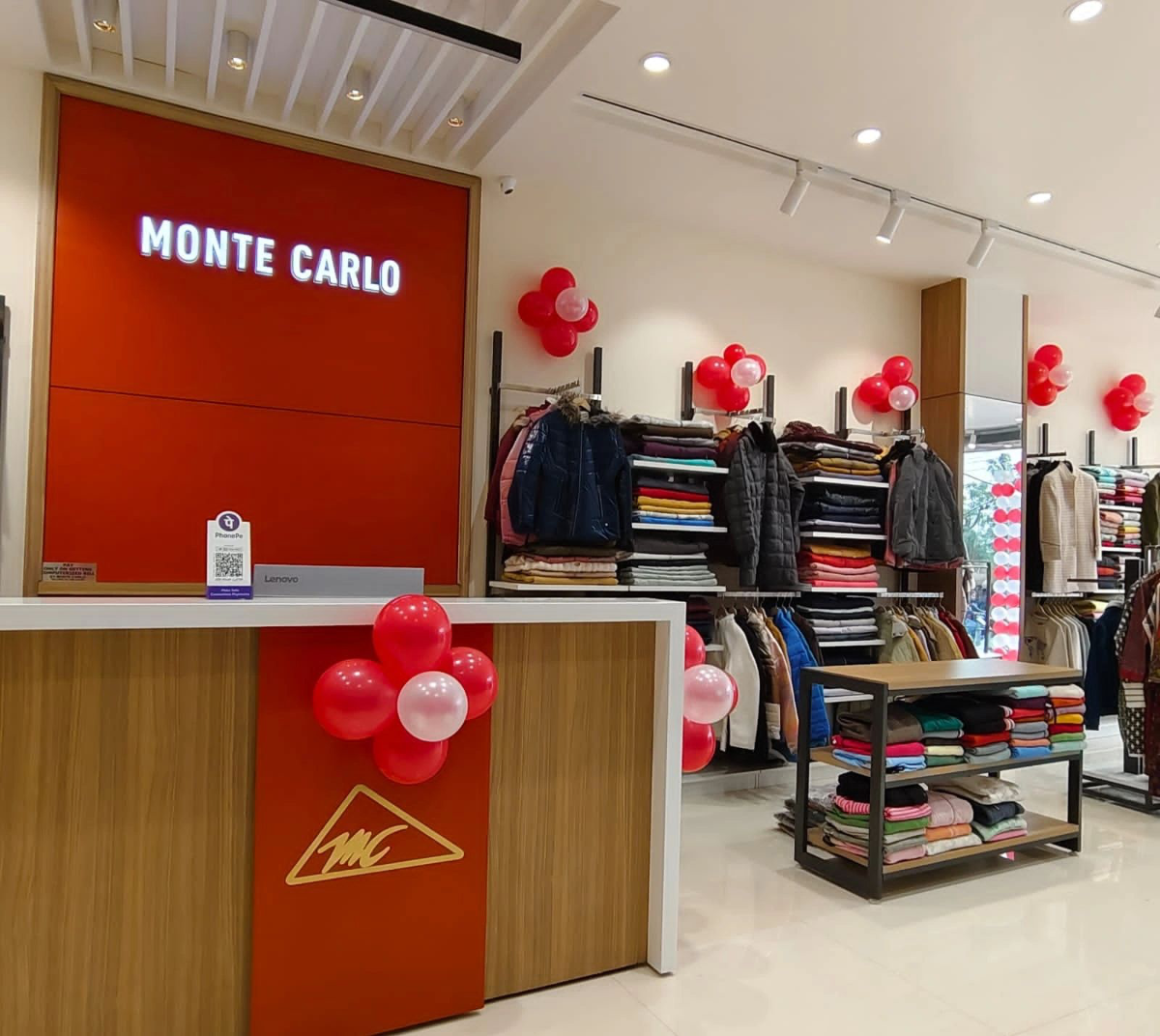
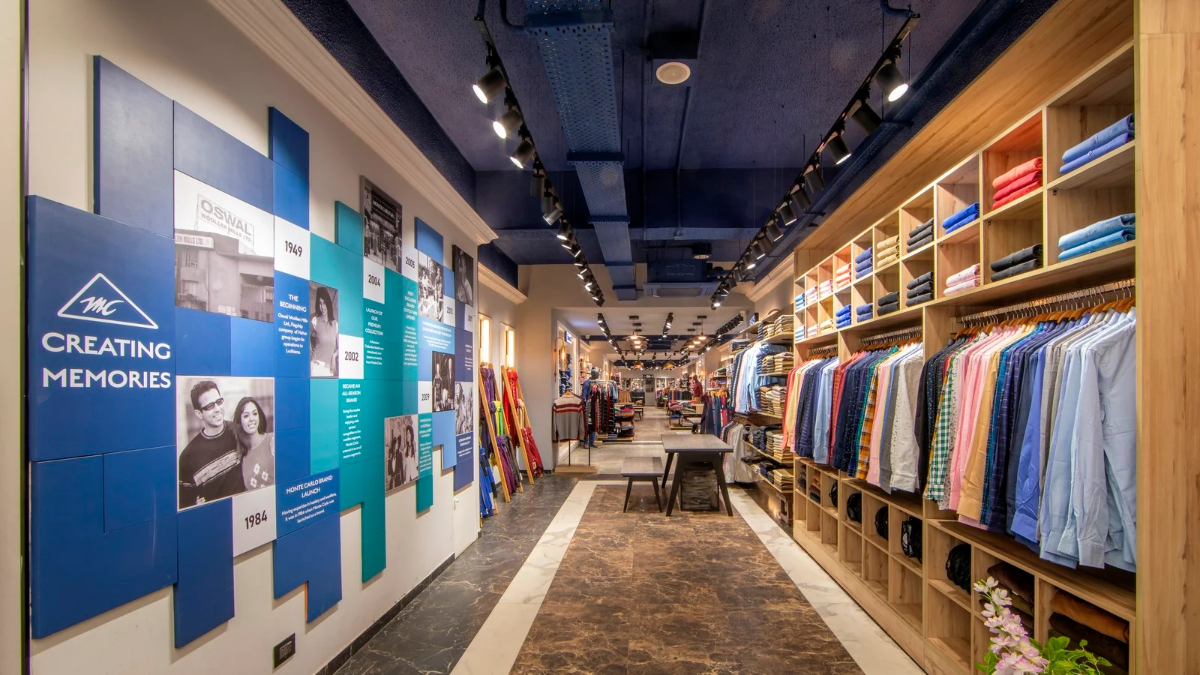
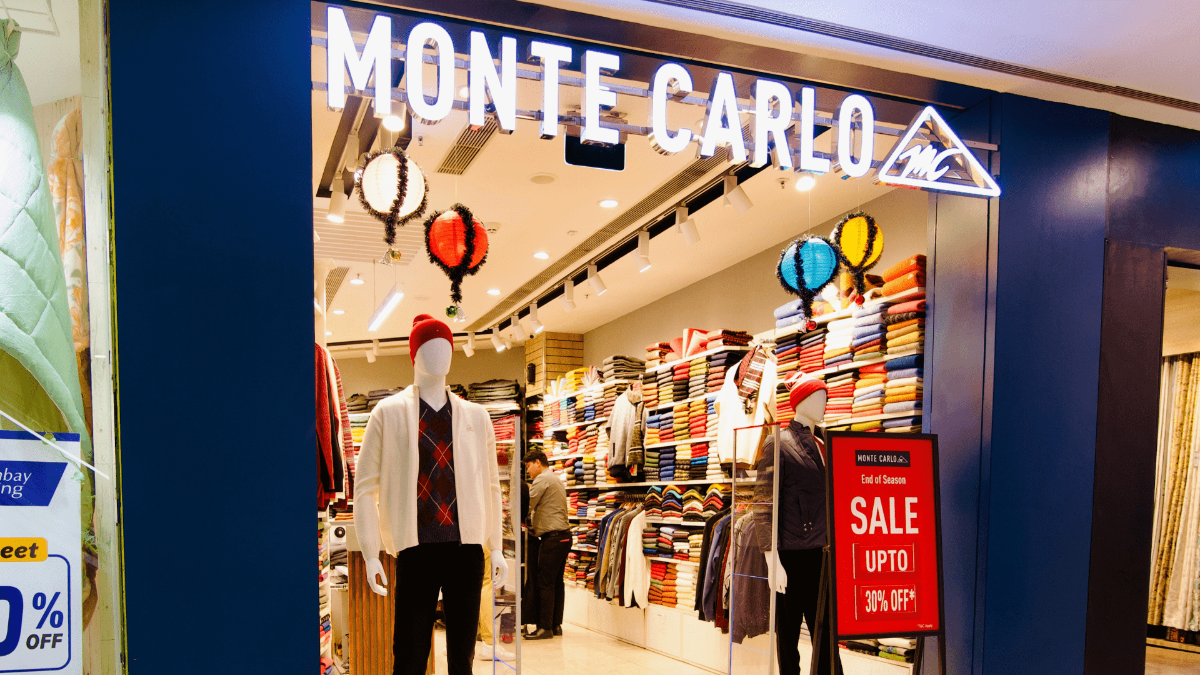
Built on a woollen knitwear heritage since 1984, Monte Carlo occupies a mid-premium casualwear position that quietly sidesteps the fast-fashion churn — and its zero-royalty FOFO structure means franchisee economics hinge entirely on sell-through discipline, not fee drag. With ~214 outlets and a gross margin corridor of 27-55%, the range is wide enough to reward operators who manage inventory tightly across seasons, though if a franchisee underestimates the seasonality of woollens, that upper margin stays theoretical.

Core Investment

Compare
Total Stores
Format i
Space Req. i
Total Commitment i
Working Capital i
Owner's Involvement i
0
L
M
H
PassiveLowMedFull-Time

Due Diligence & Legal

Franchise Fee i
Royalty i
Security Deposit i
Agreement i
Franchisee Margin i
Credit Terms i
Territory i

Operations & Training

Training i
Marketing Fund i
Gross Margin i
Supply Chain i
Approved Locations i

Investor Pro Tools

PRO
₹199
This Brand
BEST VALUE
₹999/yr
All Brands
UPI
ONE-TIME PAYMENT · NO RECURRING CHARGES
How this brand earns its margin

How Monte Carlo franchisees make money

Monte Carlo franchisees earn revenue primarily through the retail sale of casualwear—shirts, trousers, jackets, and related apparel—across a curated exclusive-store format. The franchise operates on a wholesale-purchase model where the parent company supplies finished inventory to franchisees at a wholesale margin; franchisees then sell at retail prices, realizing gross margins between 27–55% depending on category mix and seasonal clearance. No royalty is charged on sales. Revenue is tied directly to store traffic, conversion, and the ability to manage seasonal inventory turnover and markdowns.

Supply chain & sourcing

Monte Carlo supplies finished apparel to franchisees at wholesale cost; franchisees do not source inventory independently. The parent company controls product design, SKU mix, and wholesale pricing. Franchisees absorb the cost and risk of unsold seasonal inventory and markdowns, which directly impact net margin realization. This is a common model in branded apparel retail where the parent maintains category consistency and quality control across the network.

Demand & growth signals

Casualwear retail is moderately seasonal, with peak demand during festival seasons (Diwali, year-end), summer, and monsoon transitions. Urban footfall fluctuates with economic cycles and consumer confidence. Margins compress during clearance periods when inventory must move. Store-level revenue depends heavily on location, local competition, and the franchisee's merchandising and promotional discipline. Steady performers typically maintain consistent foot traffic and inventory discipline across seasons. Monte Carlo operates 214 stores across India as of the data snapshot, indicating a stable, established brand founded in 1984. The casualwear category in India continues to grow as organized retail penetration increases and brand consciousness expands into Tier-II and Tier-III cities. The franchise remains viable in this expanding market, though growth is gradual and competitive. No specific expansion targets or projections are disclosed by the brand.

Disclosed revenue lines
How a franchisee earns
Disclosed revenue lines · Monte Carlo
Primary
Retail apparel sales
Sale of casualwear including shirts, trousers, jackets, and related items at retail margins. This is the sole revenue stream for Monte Carlo franchisees. Gross margin ranges from 27–55% depending on category, seasonality, and clearance activity. The franchisee purchases finished inventory from the parent company at wholesale and sells direct to consumers in the exclusive store format.

Operating Locations

FRANticc · BrandFit AI

Is actually the right fit for you?

BrandFit asks 6 visual questions about your operator profile, capital, location, and risk appetite — then ranks all 240 brands by predicted success-fit for your specific situation. shows up where it actually fits, not just where it can afford.

Run BrandFit on my situation


Industry story · Apparel & Fashion

How apparel franchise economics actually work

Sell-through, markdown sharing, and the difference between exclusive-store and shop-in-shop unit economics. The numbers brand reps rarely walk you through.

See the full Apparel industry story

Join this Brand : See if you Qualify ↓

Syncing Database...
0% Complete
Upload Gallery Photos

Select the category to assign these 0 photos to:

Edit Gallery Categories
Edit Industry Registry

More in this category, or compare Monte Carlo side-by-side

Frequently asked · Monte Carlo
How do Monte Carlo franchisees make money?
Monte Carlo franchisees earn revenue by retailing casualwear (shirts, trousers, jackets) purchased from the parent company at wholesale cost and sold at retail prices. Gross margins range from 27–55% depending on product category and seasonal turnover. There are no royalties or ancillary revenue streams; profitability depends entirely on managing inventory, conversion, and seasonal markdowns.
What is the Monte Carlo franchise cost?
The total investment ranges from approximately 50 lakh to 80 lakh rupees, comprising a franchise fee of 3 lakh rupees and capital expenditure of 50 lakh rupees for store setup, fixtures, and initial inventory. Store size is typically 1000 square feet.
What revenue streams does a Monte Carlo franchisee have?
Monte Carlo franchisees have one primary revenue stream: retail sales of casualwear apparel. No secondary revenue lines such as services, consulting, or branded consumables are included in the franchise contract.
Is Monte Carlo franchise revenue seasonal or steady?
Revenue is moderately seasonal. Casualwear retail sees peaks during festival seasons (Diwali, year-end) and summer/monsoon transitions. Margins compress during clearance periods. Store-level steadiness depends on location quality, local foot traffic, and inventory management discipline.
Is Monte Carlo actively franchising in India?
Yes, Monte Carlo is actively franchising in India under a Franchise Owned, Franchise Operated (FOFO) model. The brand, founded in 1984, operates approximately 214 outlets across India and continues to expand its network through new franchise partnerships. Monte Carlo offers exclusive store formats for qualified franchisees seeking to enter the organized casualwear retail space.
What is the minimum space requirement for a Monte Carlo franchise?
A Monte Carlo franchise requires a minimum of 1,000 square feet of retail space. This footprint is designed to accommodate the full casualwear range—shirts, trousers, jackets, and accessories—while maintaining the brand's mid-premium positioning. Larger formats are possible but must follow Monte Carlo's design and merchandising standards for store layout and visual presentation.
How much working capital does a Monte Carlo franchisee need?
Monte Carlo franchisees must maintain a minimum working capital of ₹15 lakh to operate the store effectively. This covers initial inventory purchases, day-to-day operational expenses, and the buffer needed to manage seasonal cash flow fluctuations, which are typical in casualwear retail due to peak and clearance periods.
Does Monte Carlo charge royalty to franchisees?
No, Monte Carlo does not charge any royalty on franchisee sales. The brand operates on a zero-royalty model, meaning franchisee profitability is entirely dependent on managing wholesale-to-retail margins (27–55%) and controlling inventory turnover. This structure places full responsibility for operational efficiency and seasonal planning on the franchisee.
What is the training period for a Monte Carlo franchisee?
Monte Carlo provides 5 days of training to franchisees and their teams. The training covers store operations, inventory management, visual merchandising standards, customer service protocols, and seasonal stock planning. This short intensive period equips operators with foundational knowledge to execute the casualwear retail model and maintain brand consistency.
How hands-on must a Monte Carlo franchisee be in day-to-day operations?
Monte Carlo franchisees are expected to maintain high involvement (H-level) in daily store operations. This includes managing inventory turnover, monitoring seasonal demand shifts, executing floor merchandising, handling staff supervision, and making real-time promotional or markdown decisions. The zero-royalty structure means franchisees directly capture the benefit of operational discipline and bear the cost of mismanagement.
What is the gross margin range for Monte Carlo franchisees?
Monte Carlo franchisees realize gross margins between 27–55% depending on product category mix and seasonal clearance velocity. Higher margins are typical for core casualwear items sold at full price, while clearance periods compress margins as inventory must move. Franchisee net profitability depends on controlling operating expenses and minimizing markdown depth.
How many Monte Carlo outlets operate in India currently?
Monte Carlo operates approximately 214 outlets across India. The brand, established in 1984, maintains a stable network of exclusive stores positioned in the mid-premium casualwear segment. This mature footprint reflects the brand's 40-year heritage in woollen knitwear and organized retail expansion across Indian cities.
What makes Monte Carlo different from fast-fashion casualwear competitors?
Monte Carlo positions itself as mid-premium casualwear rooted in a woollen knitwear heritage dating to 1984, distinct from fast-fashion retailers that prioritize rapid inventory turnover and trend-chasing. The brand emphasizes product durability and seasonal relevance over trend velocity, requiring franchisees to adopt disciplined inventory management and seasonal forecasting rather than heavy promotional discounting.
Are there territorial restrictions for Monte Carlo franchisees?
No, Monte Carlo franchise territories are non-exclusive. This means multiple franchisees can operate Monte Carlo stores within the same city or locality. Franchisees must manage competition within their territory through superior location selection, store execution, and customer service rather than relying on geographic protection from the brand.
What does the Monte Carlo franchise fee cover?
The Monte Carlo franchise fee is ₹3 lakh. This fee grants the franchisee the right to operate a Monte Carlo exclusive store, access to training (5 days), supply chain access for wholesale inventory, and use of the brand's trademarks and operational guidelines. The fee does not cover store build-out, fixtures, or initial inventory, which are included in the capital expenditure budget.
Is inventory sourcing independent for Monte Carlo franchisees?
No, Monte Carlo franchisees do not source inventory independently. The parent company supplies all finished apparel at wholesale cost to franchisees, controlling product design, SKU mix, and pricing strategy. Franchisees absorb the cost and risk of unsold seasonal inventory and markdowns, making inventory discipline and seasonal planning critical to margin realization.
Have a different question? Ask Franchise Pixie.

According to FRANticc's verified franchise database, Monte Carlo requires a minimum investment of ₹50 L in a 1000+ sqft commercial space under a Exclusive Store model. Monte Carlo operates 214 outlets across India, established in 1984. Data confidence: Reported. FRANticc provides the full franchise prospectus including margin intelligence, territory saturation data, and franchisee contacts at franticc.com.

Monte Carlo

Monte Carlo is a Apparel & Fashion brand operating in India. This page is the editorial franchise profile, covering operating format, investment range, store distribution, and side-by-side comparisons with peer brands. The data is independent — FRANticc never accepts payment from brands to influence coverage.

Compare Monte Carlo with other franchise opportunities on FRANticc — India's Franchise Discovery Platform. FRANticc tracks 225+ franchise brands across 14 industries with source-verified investment data, multi-source corroboration scoring, and territory saturation mapping.

Premium tools available for Monte Carlo: Margin Intelligence with channel economics breakdown, Territory Saturation Checker (find the 5 nearest outlets to any location), Franchisee Connect (talk to existing Monte Carlo operators), Legal Vault (regulatory history, directors, compliance records), and dynamic pricing based on data quality score. Visit franticc.com/brands/monte-carlo.html for the full interactive prospectus.