Directory Results 0 Matches
Refine filters to see logos.
Any Budget
Any Size
Any Footprint
Any Year
0Passive
LLow
MMedium
HFull-Time
πŸ“Έ Update Logo

XiaomiFranchise Cost in India 2026

Xiaomi franchise cost in India (2026): β‚Ή3L investment Β· no royalty (margin model) β€” verified from primary sources Β· data as of Aug 2026

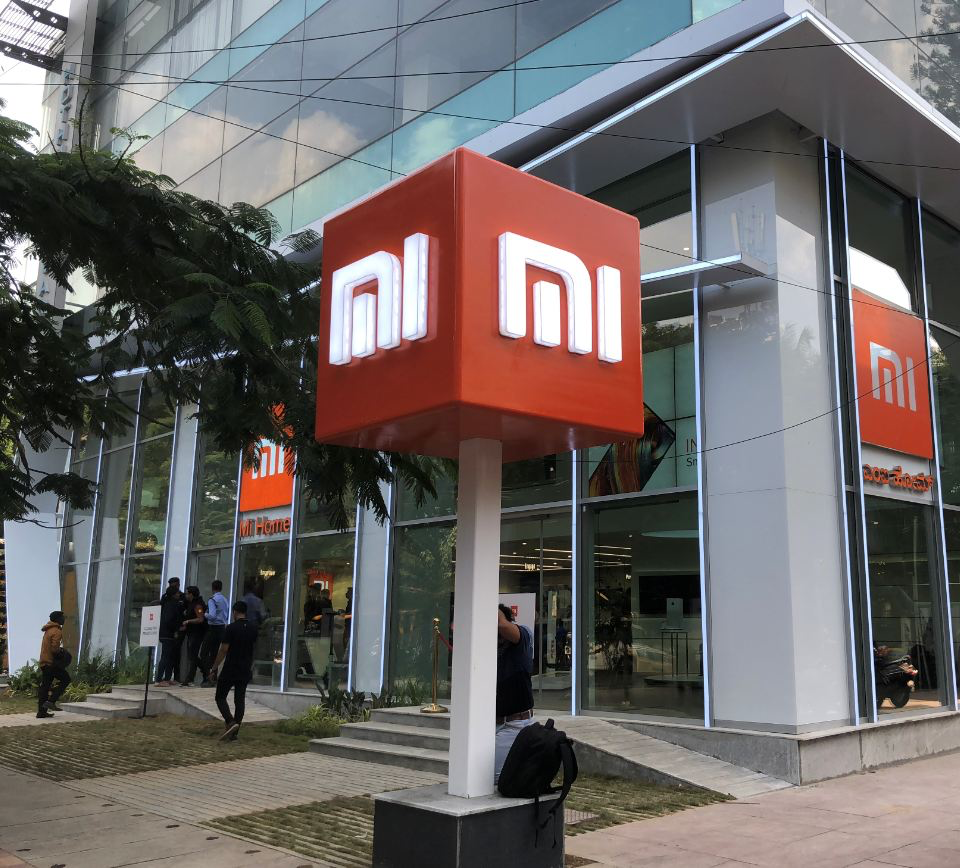
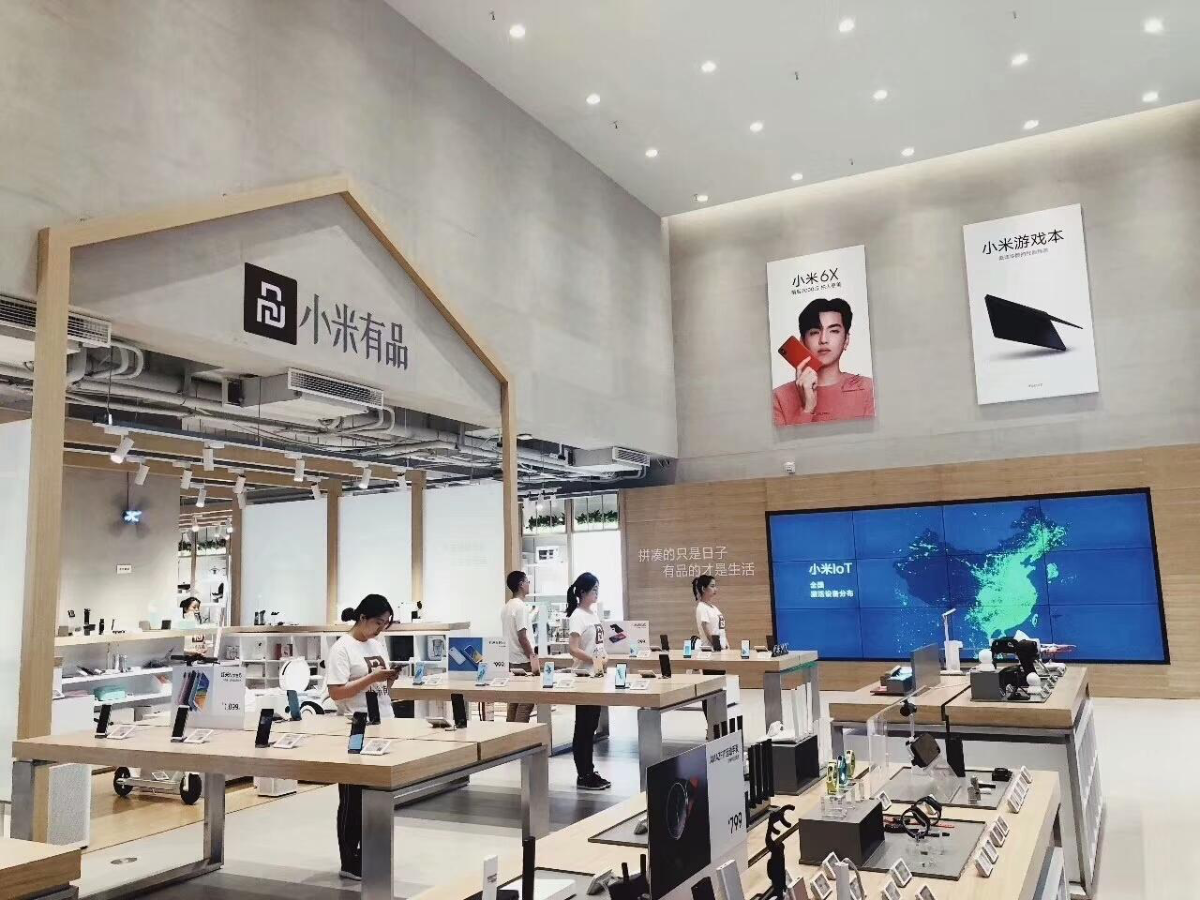
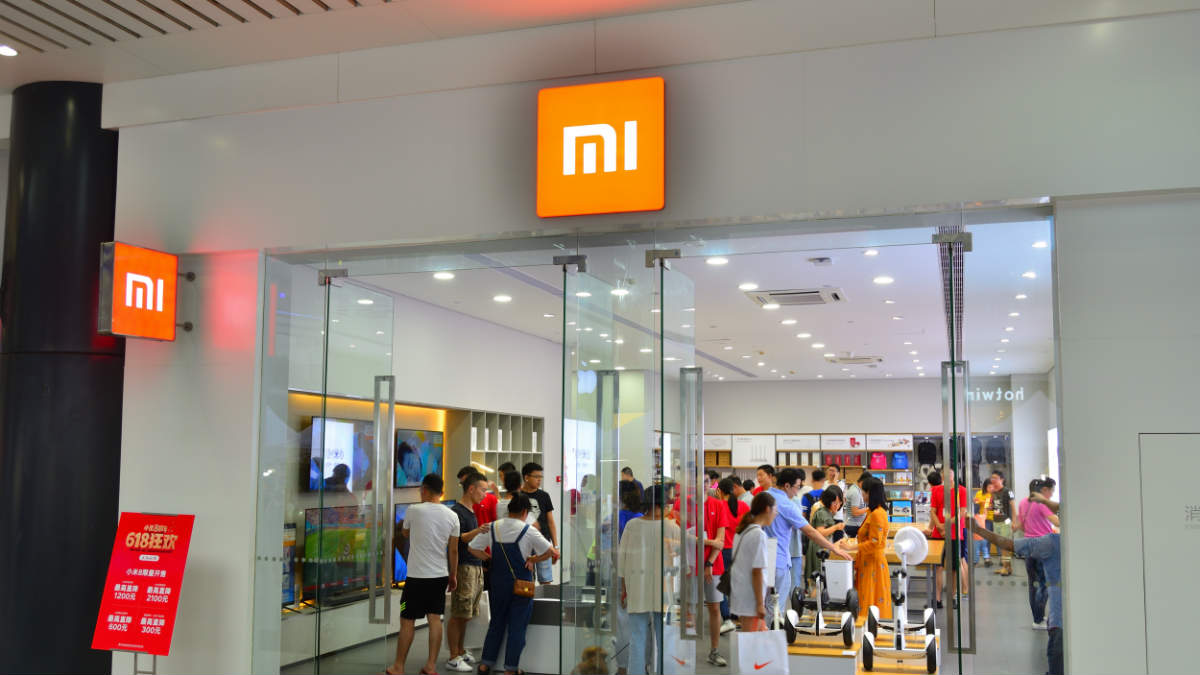
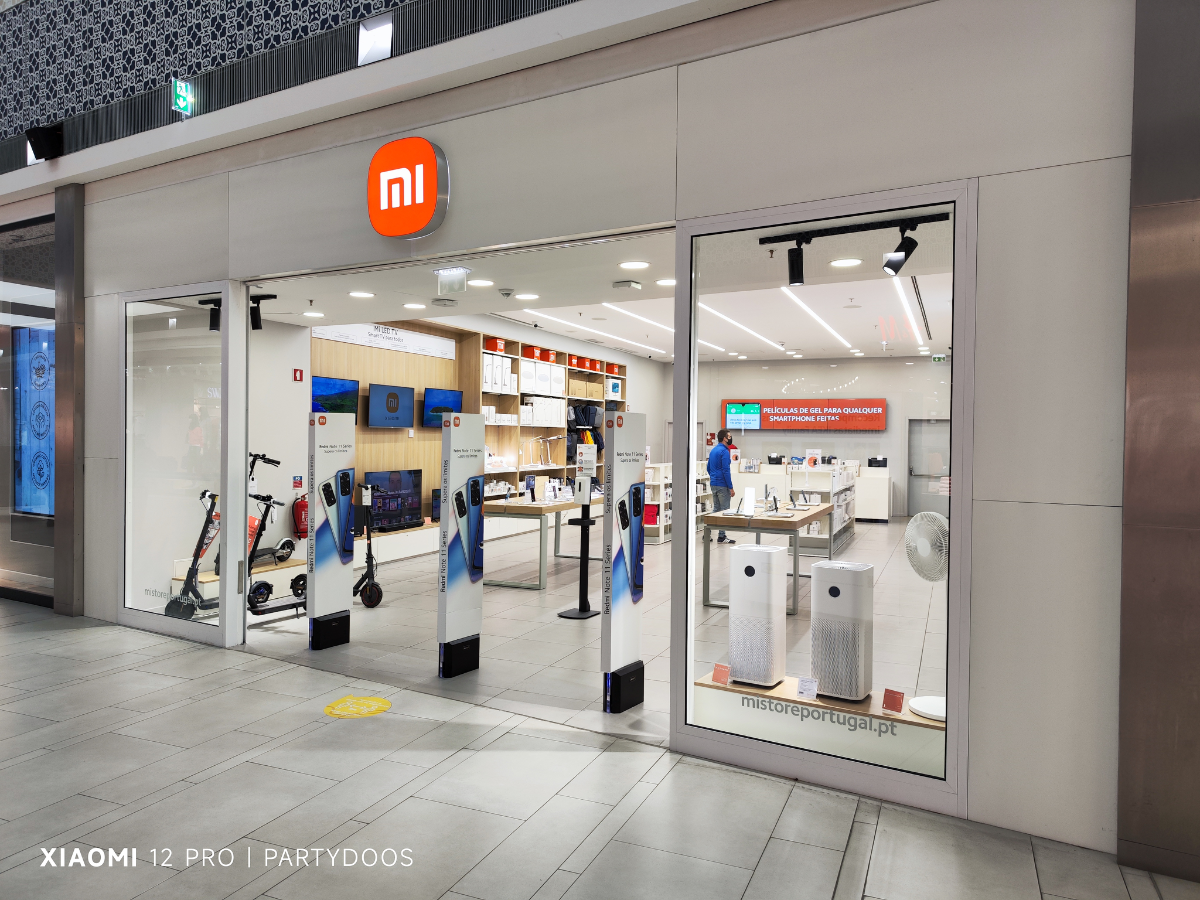
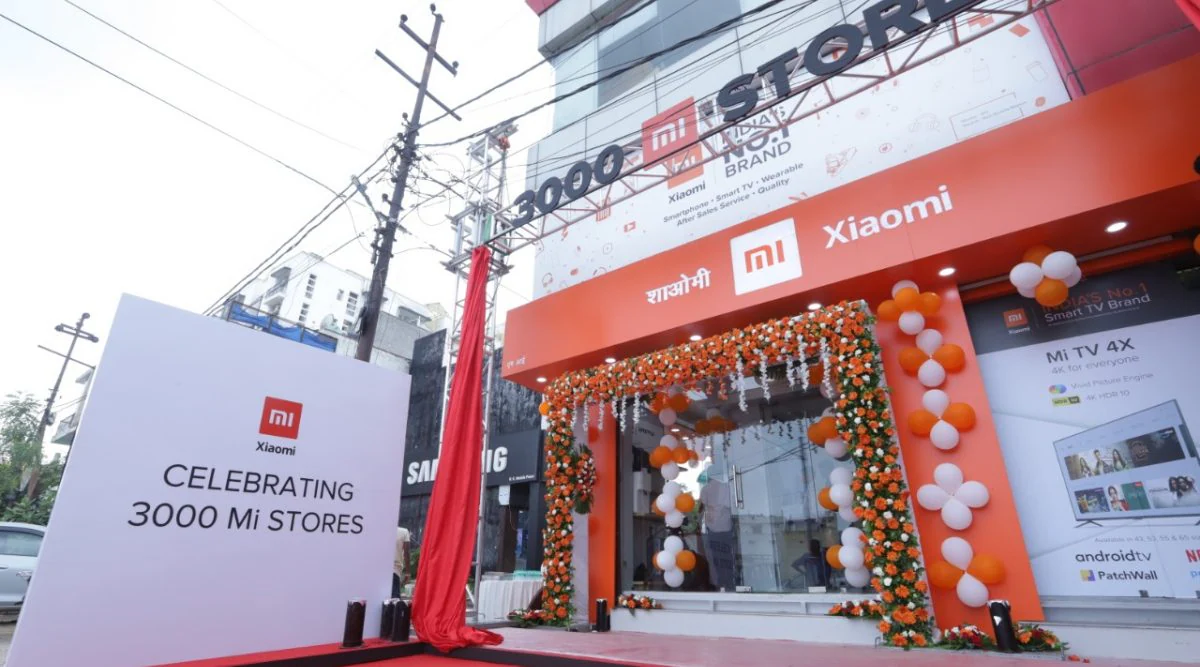
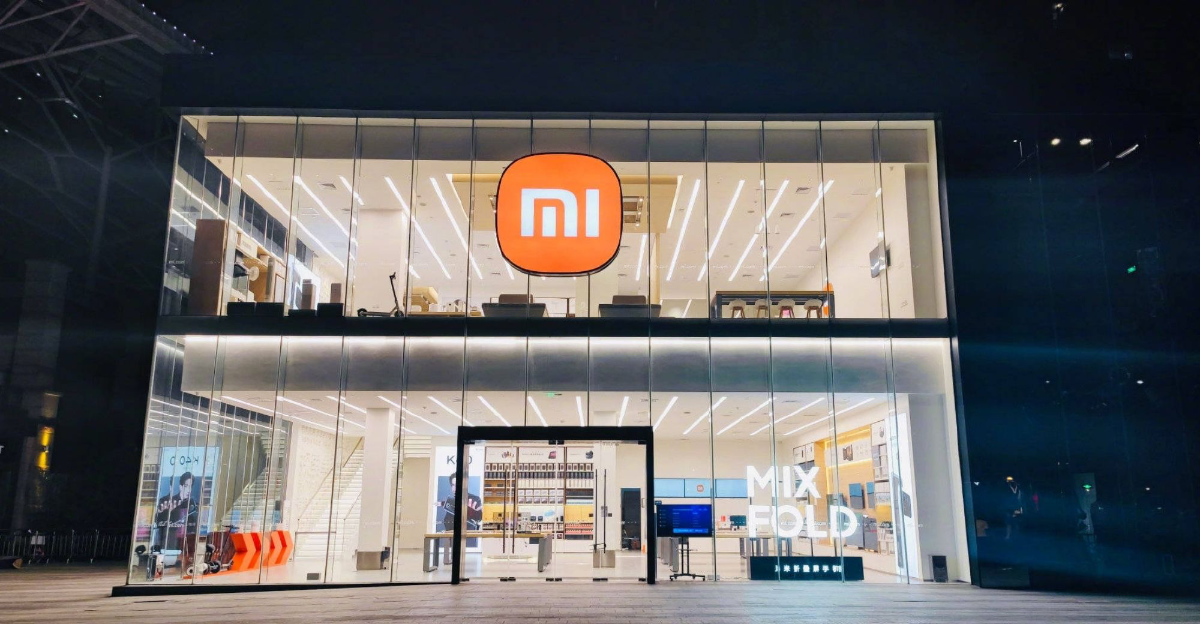
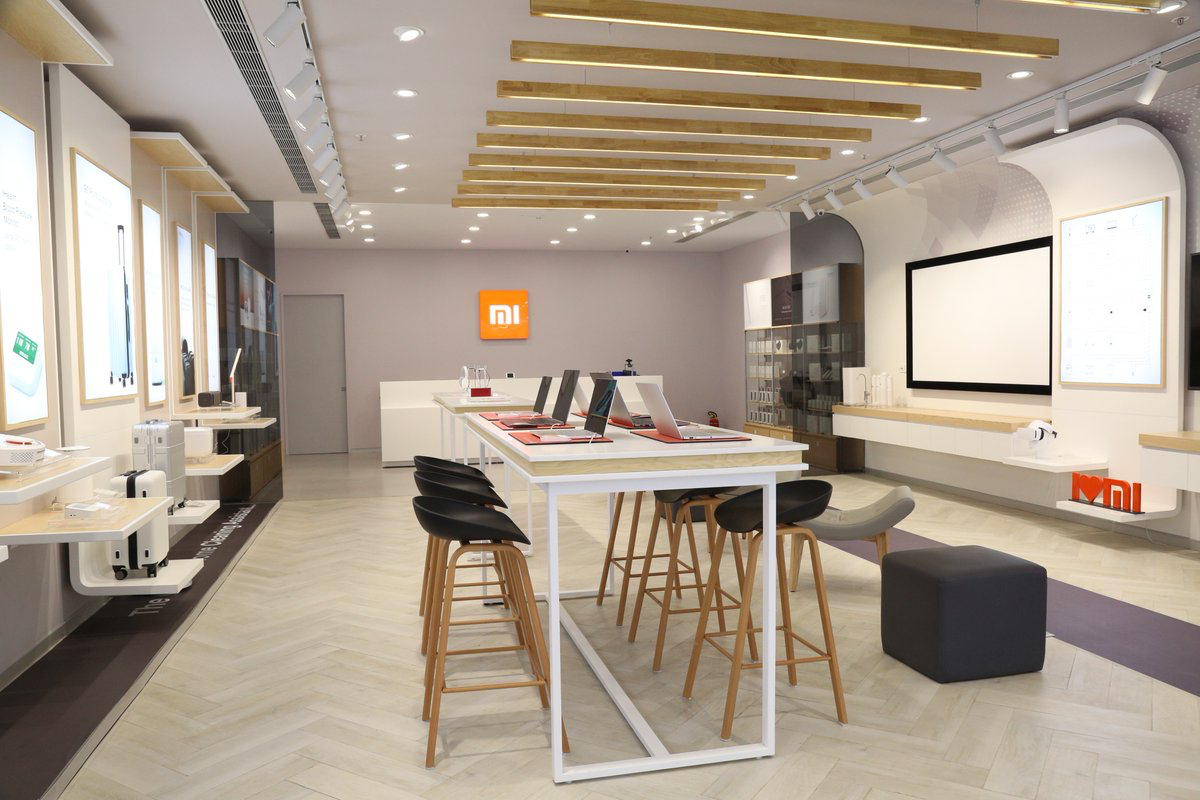
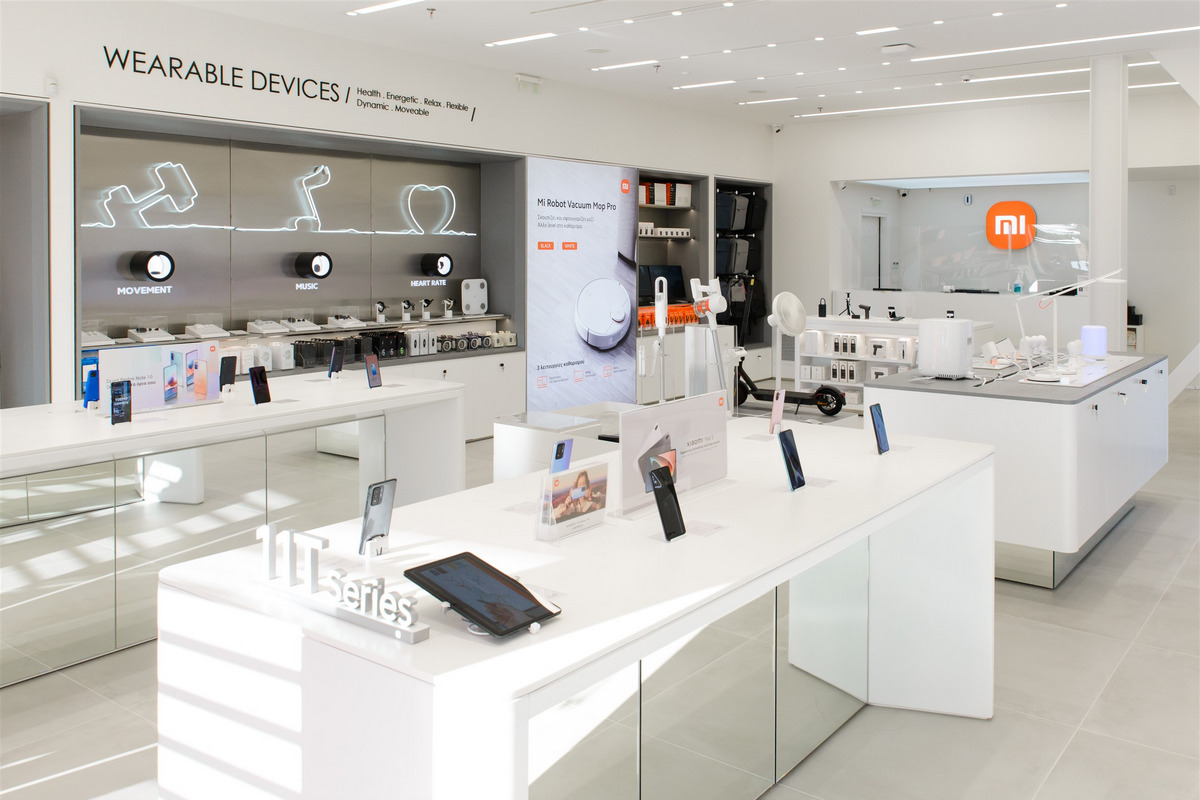
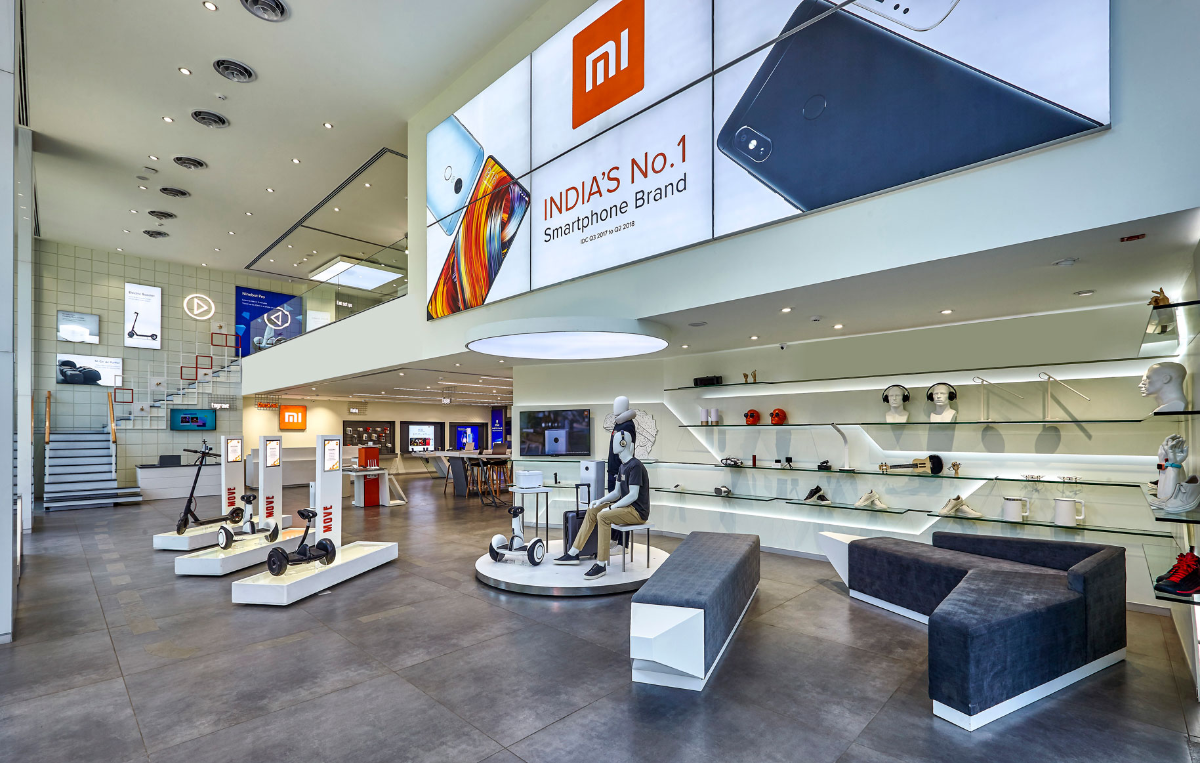
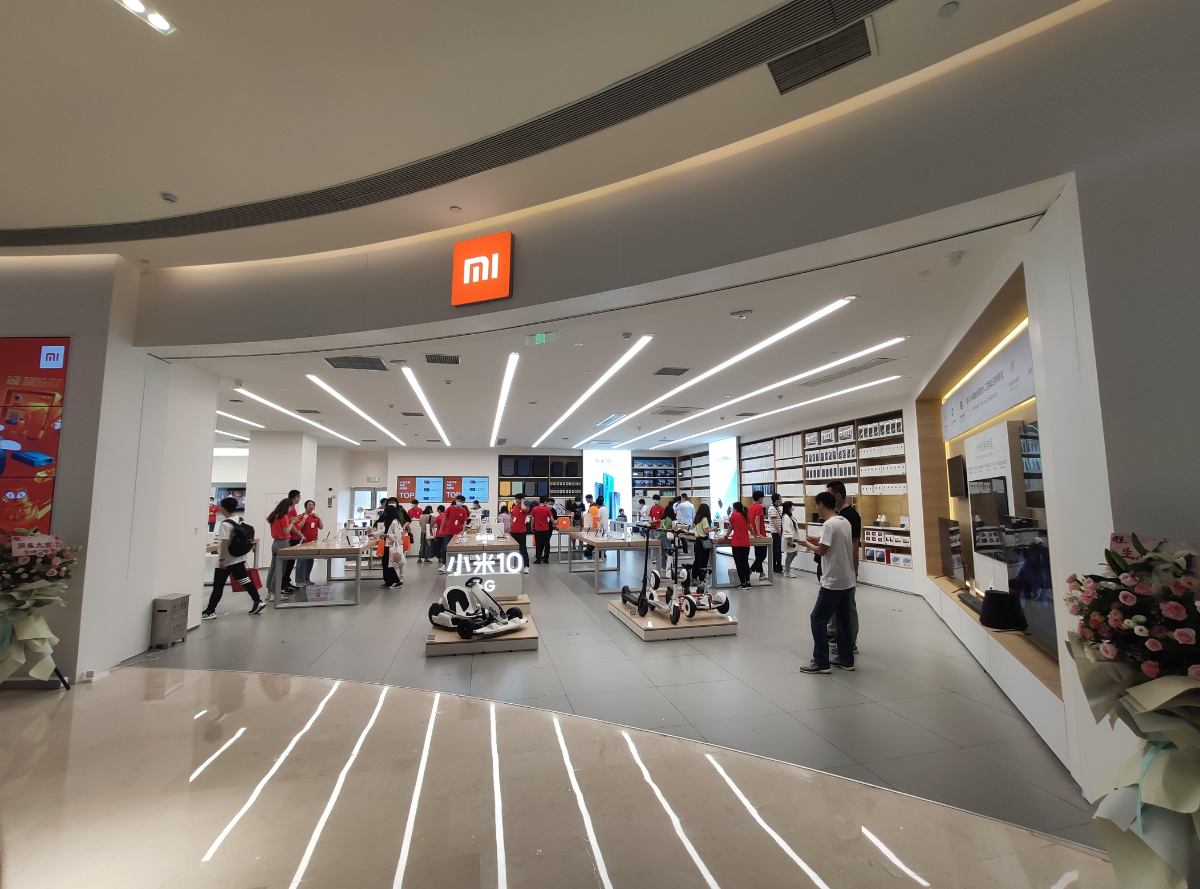
Born as a software company that reverse-engineered Apple's premium mystique for price-sensitive buyers, Xiaomi now runs ~3,000 outlets across India on a dealer contract with no royalty β€” the brand earns on the hardware it sells you rather than a share of your revenue. At roughly β‚Ή3 lakh entry capex and 30-40% gross, that buying spread is the entire economics, and it holds only if the local market can sustain consistent device turnover rather than one-time activations.

Core Investment

Compare
Total Stores
Format i
Space Req. i
Total Commitment i
Working Capital i
Owner's Involvement i
0
L
M
H
PassiveLowMedFull-Time

Due Diligence & Legal

Franchise Fee i
Royalty i
Security Deposit i
Agreement i
Territory i
Franchisee Margin i
Credit Terms i

Operations & Training

Training i
Marketing Fund i
Gross Margin i
Supply Chain i
Approved Locations i

Investor Pro Tools

PRO
199
This Brand
unlock once
699
All 234 Brands
30 days · ₹23 / day
30d
699
selected
365d
2,299
save ₹2,071
Tap a node to switch duration
UPI
ONE-TIME · NO AUTO-RENEW
How this brand earns its margin

How Xiaomi franchisees make money

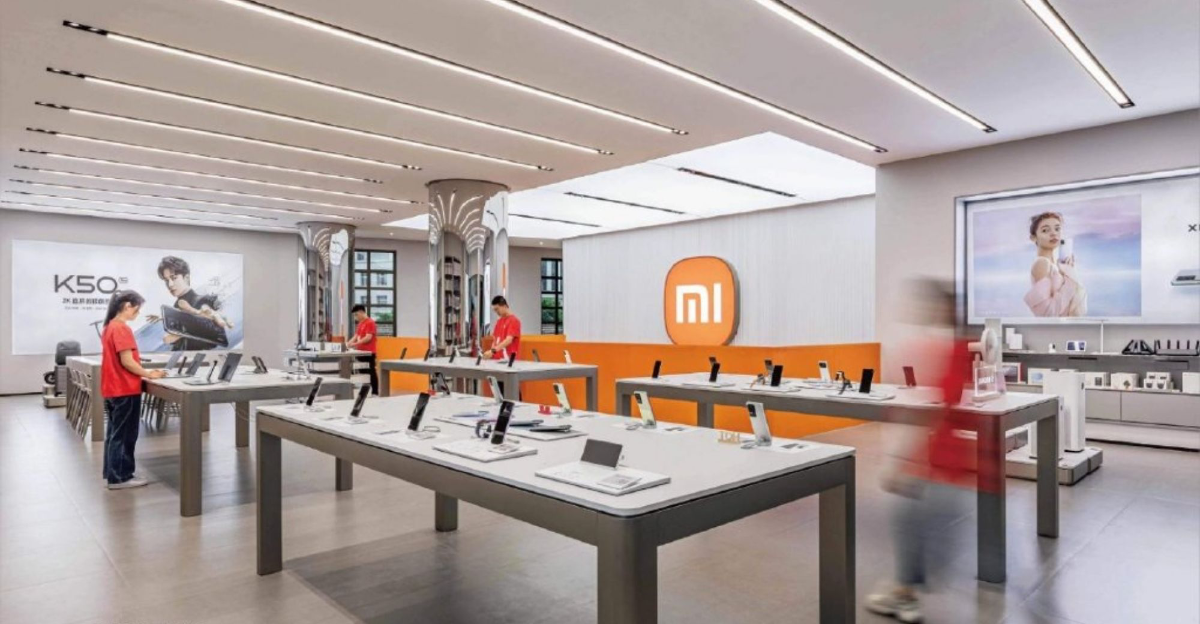
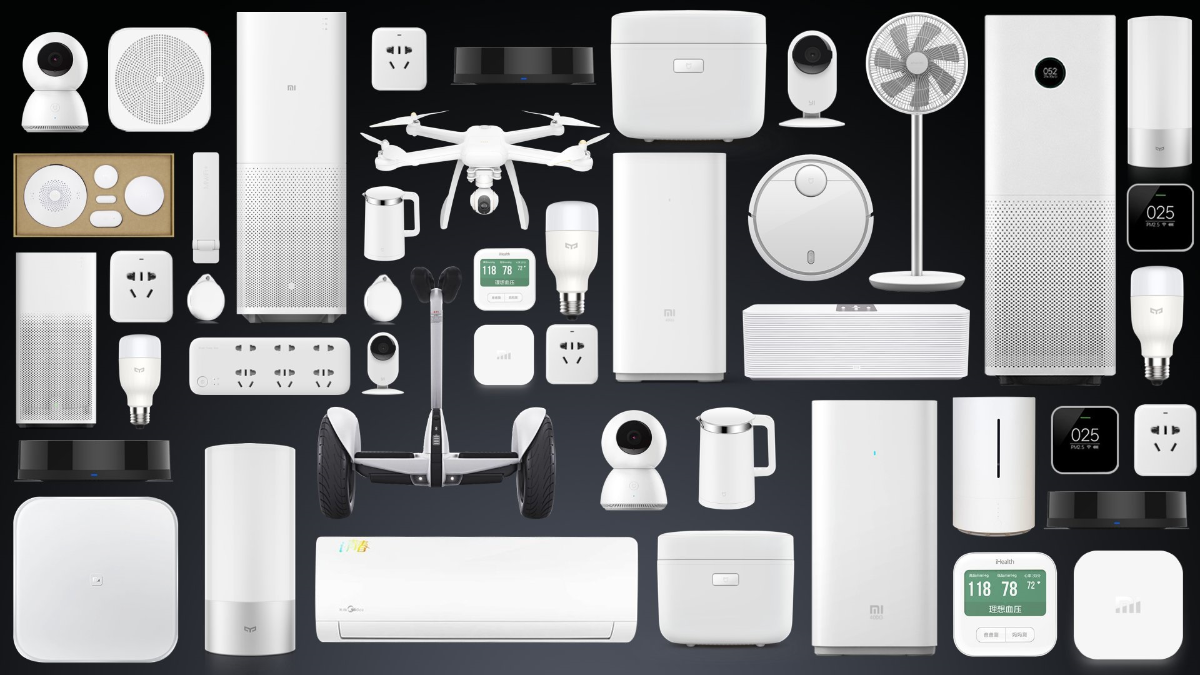
Xiaomi franchisees earn primary revenue from retail sales of Xiaomi-branded smartphones, tablets, wearables, and related electronics at the exclusive store level. The canonical model operates on a 12-25% gross margin on product sales. Franchisees stock and display the parent company's portfolioβ€”phones across price segments, IoT devices, and accessoriesβ€”and retain the margin between wholesale cost and retail price. The franchise operates under a royalty-free structure, meaning franchisees do not pay ongoing royalties to Xiaomi; revenue is purely transaction-based. No secondary services (repair, trade-in programs, or financing partnerships) are confirmed as part of the franchisee's revenue contract.

Supply chain & sourcing

Xiaomi operates centralized inventory and distribution to franchisees. Product is supplied at a parent-set wholesale cost, and franchisees purchase stock for resale at retail margins. The exact wholesale markup structure and inventory return/unsold-stock policies are not detailed in public franchise disclosures; however, as a direct-to-consumer electronics brand operating exclusive stores, Xiaomi likely maintains tight control over product allocation, pricing, and brand presentation to protect retail positioning. Franchisees do not independently source Xiaomi inventoryβ€”all products flow through the parent's authorized supply chain.

Demand & growth signals

Smartphone and consumer electronics retail demand in India remains relatively steady year-round, though seasonal peaks occur around festival periods (Diwali, year-end holidays) and new product launch cycles. Demand is less weather-dependent than apparel or FMCG food categories. However, competitive pricing pressure, rapid product refresh cycles, and online retail cannibalization create volatility in per-unit margins. Success depends on location quality, brand preference in the local market, and the franchisee's ability to manage inventory turnover. Xiaomi operates 3,000 exclusive stores across India, reflecting sustained expansion since entering the Indian market in 2014. India's smartphone installed base and consumer electronics adoption continue to grow, particularly in tier-2 and tier-3 cities where exclusive retail presence remains underdeveloped. However, growth is tempered by rising online sales penetration and competition from other OEM exclusive stores and multi-brand retailers. Store count growth alone does not guarantee franchisee unit growth.

Disclosed revenue lines
How a franchisee earns
Disclosed revenue lines Β· Xiaomi
Primary
Retail sales of Xiaomi smartphones and devices
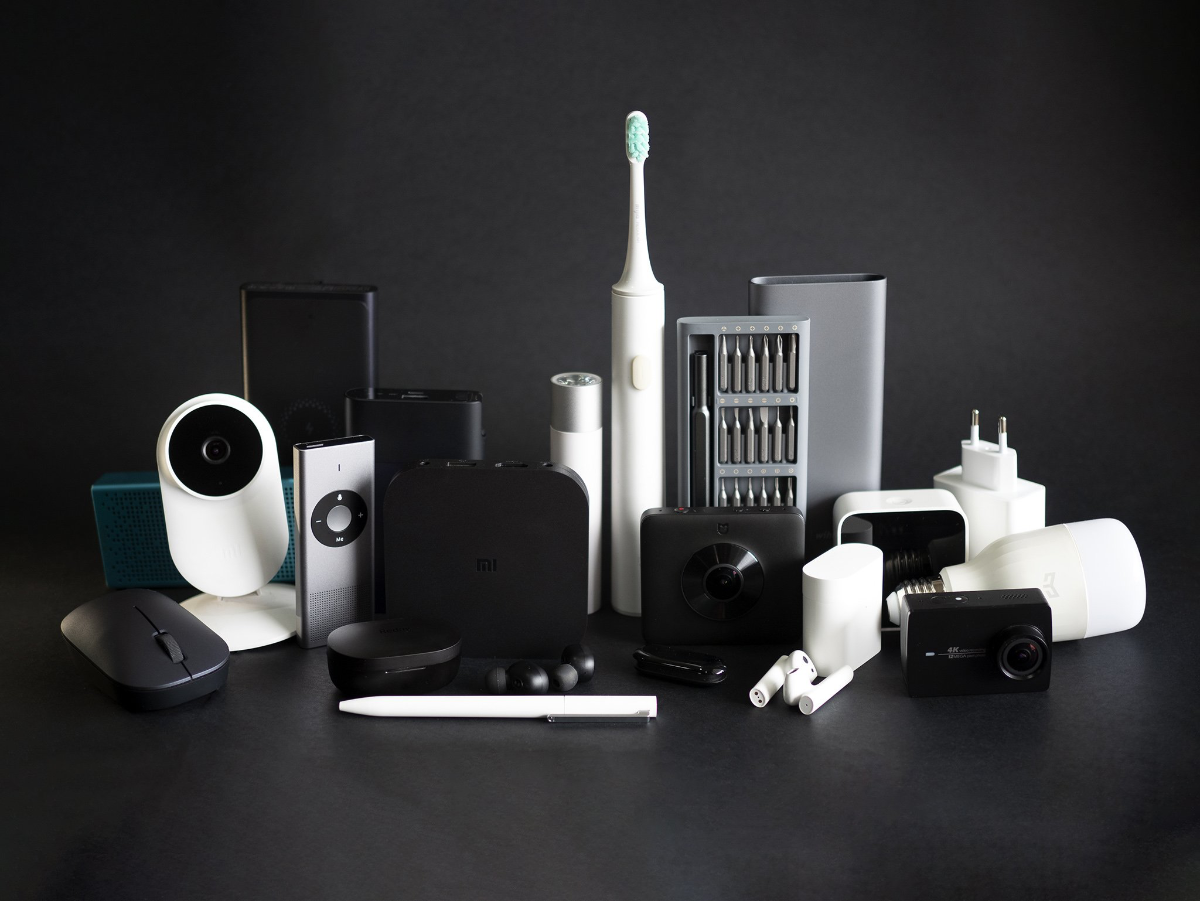
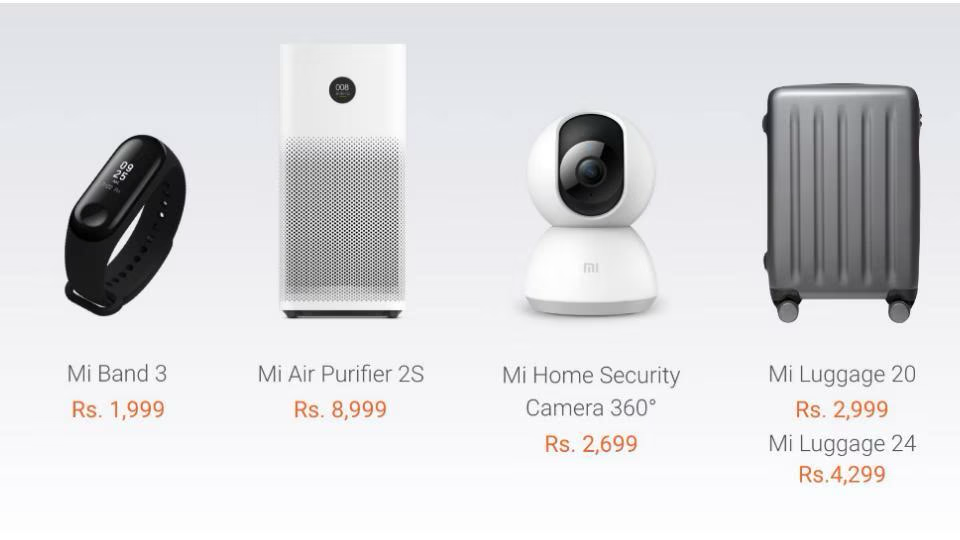
The dominant revenue line. Xiaomi franchisees stock and sell the brand's full portfolioβ€”smartphones across price tiers, tablets, wearables (Mi Band, smartwatches), power banks, chargers, and related accessories. Revenue is earned on the gross margin between wholesale cost (set by Xiaomi) and retail sale price. This is the sole verified revenue stream for exclusive store franchisees.
Secondary
Accessory and ancillary product sales
Xiaomi-branded and approved accessoriesβ€”cases, screen protectors, charging cables, and other add-on itemsβ€”sold alongside primary devices. These typically carry higher margins than devices and complement customer purchases, though they represent a smaller share of total store revenue.

Operating Locations

FRANticc Β· BrandFit AI

Is actually the right fit for you?

BrandFit asks 6 visual questions about your operator profile, capital, location, and risk appetite β€” then ranks all 234 brands by predicted success-fit for your specific situation. shows up where it actually fits, not just where it can afford.

Run BrandFit on my situation


Join this Brand : See if you Qualify ↓

Syncing Database...
0% Complete
Upload Gallery Photos

Select the category to assign these 0 photos to:

Edit Gallery Categories
Edit Industry Registry

More in this category, or compare Xiaomi side-by-side

Frequently asked · Xiaomi
What does a Xiaomi franchise cost in India?
Setup and interiors for a Xiaomi franchise for the Exclusive Store format start from β‚Ή10 L. On top of that you should budget a β‚Ή10 L franchise fee, β‚Ή15 L working capital.
What is the total upfront commitment for a Xiaomi franchise?
Adding setup, franchise fee, working capital and deposit, the total upfront commitment starts around β‚Ή35 L. The franchise fee alone is about 29% of that. These are the disclosed upfront figures only β€” they exclude ongoing royalty and running costs.
How much space does a Xiaomi franchise need?
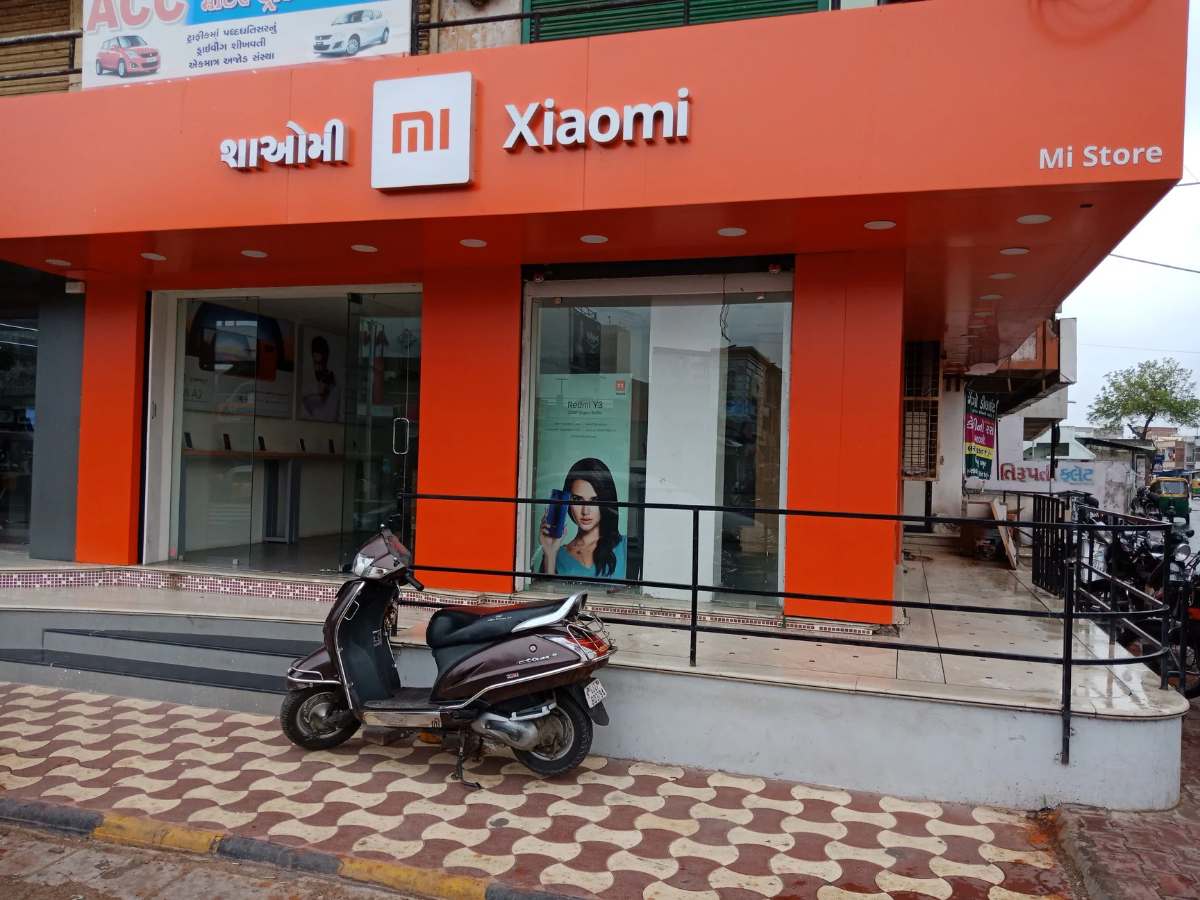
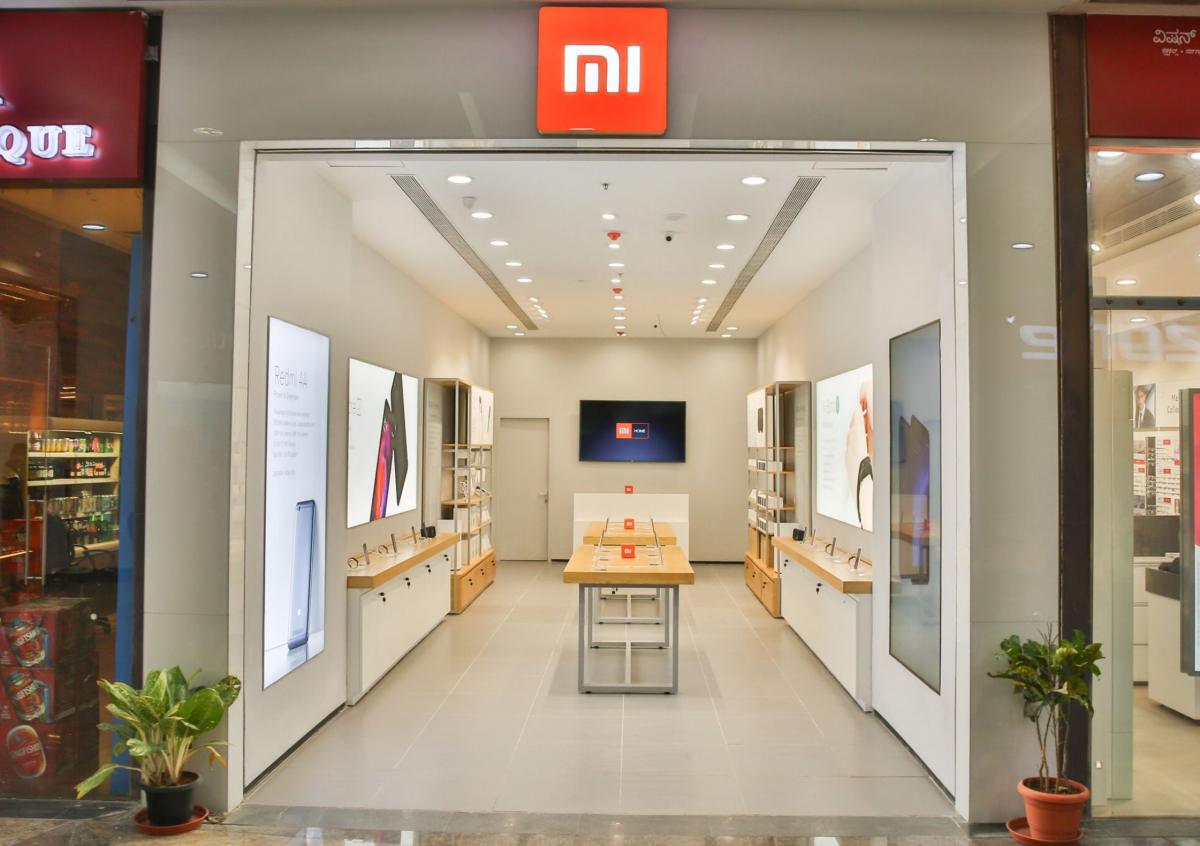
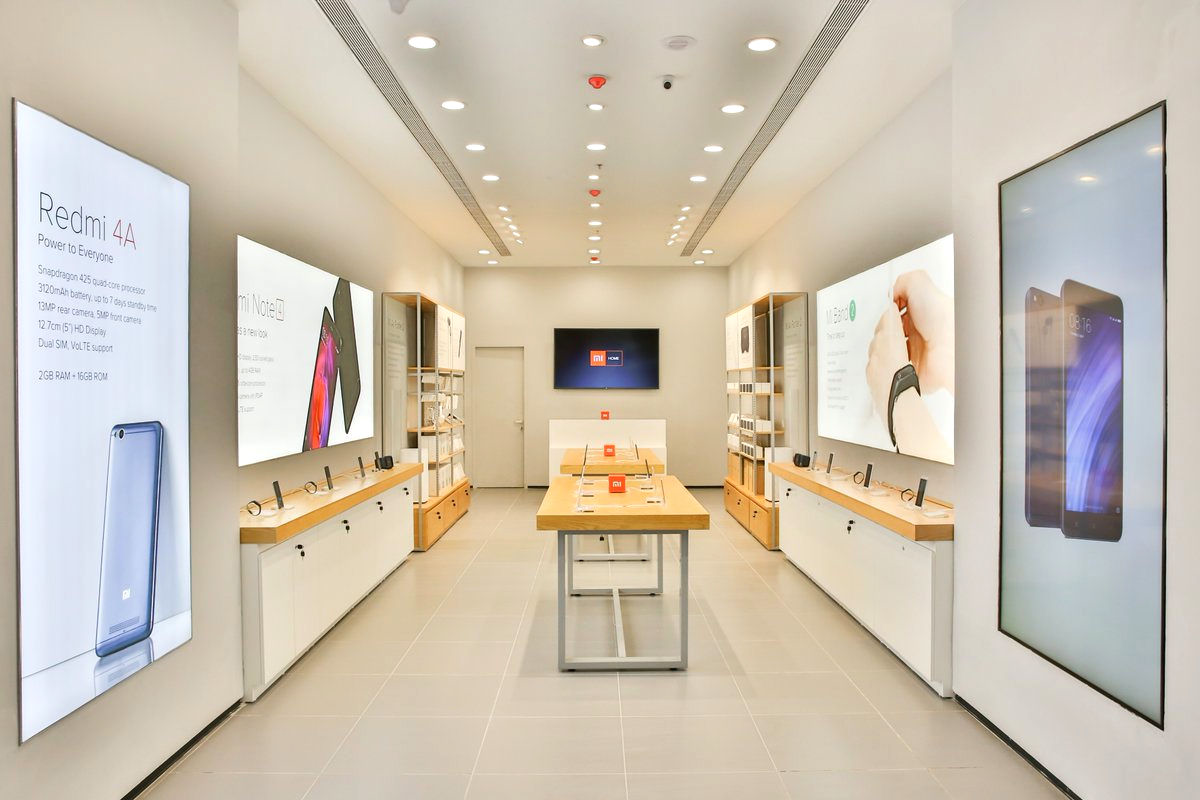
A Xiaomi outlet needs from 300 sq ft for the Exclusive Store format.
How many Xiaomi outlets are there in India?
Xiaomi operates 3,000 outlets in India, and has been trading since 2014.
Who is eligible for a Xiaomi franchise?
You will need capital of at least β‚Ή10 L, a site of 300+ sq ft, readiness for a hands-on, owner-operator role. Territory: Non-exclusive.
What margin does a Xiaomi franchisee earn?
Gross margin runs 12–25%. Margins are the disclosed percentage bands β€” FRANticc does not publish per-outlet earnings.
What training and support does Xiaomi provide?
Xiaomi provides 5 days of formal training.
How long is the Xiaomi franchise agreement?
Agreement terms: 3-5 years.
How does a Xiaomi franchisee earn?
A Xiaomi franchisee earns from customer sales at their own outlet across its 2 formats (Exclusive Store, Service Centre). You earn on product margin rather than paying a percentage royalty. FRANticc does not publish per-outlet earnings for Indian brands unless the franchisor discloses them.
Is the Xiaomi franchise offer genuine?
Xiaomi's franchise programme is verified against a primary source (last checked 2026-06-09). FRANticc links the source rather than relaying agent claims β€” https://in.event.mi.com/in/questionnaire/mistore_franchise. Always confirm terms directly with the franchisor before paying any fee.
What revenue streams does a Xiaomi franchisee have?
Xiaomi franchisees earn from: (1) retail sales of Xiaomi smartphones, tablets, and wearables, and (2) sales of Xiaomi-branded accessories. These are the only verified revenue streams; services such as repair, warranty claims, or financing are not confirmed as part of the franchisee contract.
Is Xiaomi franchise revenue seasonal or steady?
Consumer electronics retail demand is relatively steady year-round, though seasonal peaks occur during festivals (Diwali, year-end) and new product launches. Unlike food or apparel, the category is not weather-dependent. However, competitive pricing pressure and online retail growth create margin volatility.
How many Xiaomi franchise stores operate in India?
Xiaomi operates approximately 3,000 exclusive stores across India as of the latest count. This network spans metros, tier-1, tier-2, and tier-3 cities, reflecting the brand's expansion since 2014. Store density varies by region; tier-2 and tier-3 cities still have growth headroom for new franchisees, though territory allocation depends on local market saturation and Xiaomi's expansion strategy.
Does Xiaomi charge royalty or marketing fees to franchisees?
No. Xiaomi charges zero royalty on revenue and zero marketing fund contribution from franchisees across all franchise models. The brand operates a pure margin-based revenue modelβ€”franchisees profit solely from the wholesale-to-retail product margin without ongoing fee obligations. This structure means franchisee earnings are not diluted by royalty payments upward to the parent company.
Does Xiaomi supply inventory directly to franchisees?
Yes. Xiaomi operates a centralized distribution system supplying all inventory to franchisees via authorized supply chainsβ€”either direct Xiaomi Parts Supply (Service Centre) or Xiaomi Distribution Hub (Exclusive Store). Franchisees do not independently source products; all stock flows through Xiaomi's approved channels at parent-set wholesale prices. This ensures brand control over pricing, product allocation, and retail presentation across the network.
Can a Xiaomi franchisee offer repair and after-sales services at an Exclusive Store?
No. Exclusive Store and Service Centre are separate business models in Xiaomi's franchise structure. Exclusive Stores focus on retail sales of smartphones, tablets, wearables, and accessories. Service Centres handle repairs, warranty claims, and after-sales support on a fee-per-repair basis. Some franchisees may operate both formats in different locations, but they are distinct profit centers with different margins, capex requirements, and operational scope.
Have a different question? Ask Franchise Pixie.

According to FRANticc's verified franchise database, Xiaomi requires a minimum investment of β‚Ή3 L in a 200+ sqft commercial space under a Service Centre model. Xiaomi operates 3000 outlets across India, established in 2014. Data confidence: Reported. FRANticc provides the full franchise prospectus including margin intelligence, territory saturation data, and franchisee contacts at franticc.com.

Xiaomi

Xiaomi is a Consumer Electronics brand operating in India. This page is the editorial franchise profile, covering operating format, investment range, store distribution, and side-by-side comparisons with peer brands. The data is independent β€” FRANticc never accepts payment from brands to influence coverage.

Xiaomi Franchise Formats Available in India

Compare Xiaomi with other franchise opportunities on FRANticc β€” India's Franchise Discovery Platform. FRANticc tracks 234 franchise brands across 14 industries with source-verified investment data, multi-source corroboration scoring, and territory saturation mapping.

Premium tools available for Xiaomi: Margin Intelligence with channel economics breakdown, Territory Saturation Checker (find the 5 nearest outlets to any location), Franchisee Connect (talk to existing Xiaomi operators), Legal Vault (regulatory history, directors, compliance records), and dynamic pricing based on data quality score. Visit franticc.com/brands/xiaomi.html for the full interactive prospectus.