What does a Vivo franchise cost in India?
Vivo lists an investment starting at ₹15 L for the Exclusive Store format. It also lists ₹10 L working capital, a ₹1 L security deposit. Ask whether the investment figure covers them.
How much space does a Vivo franchise need?
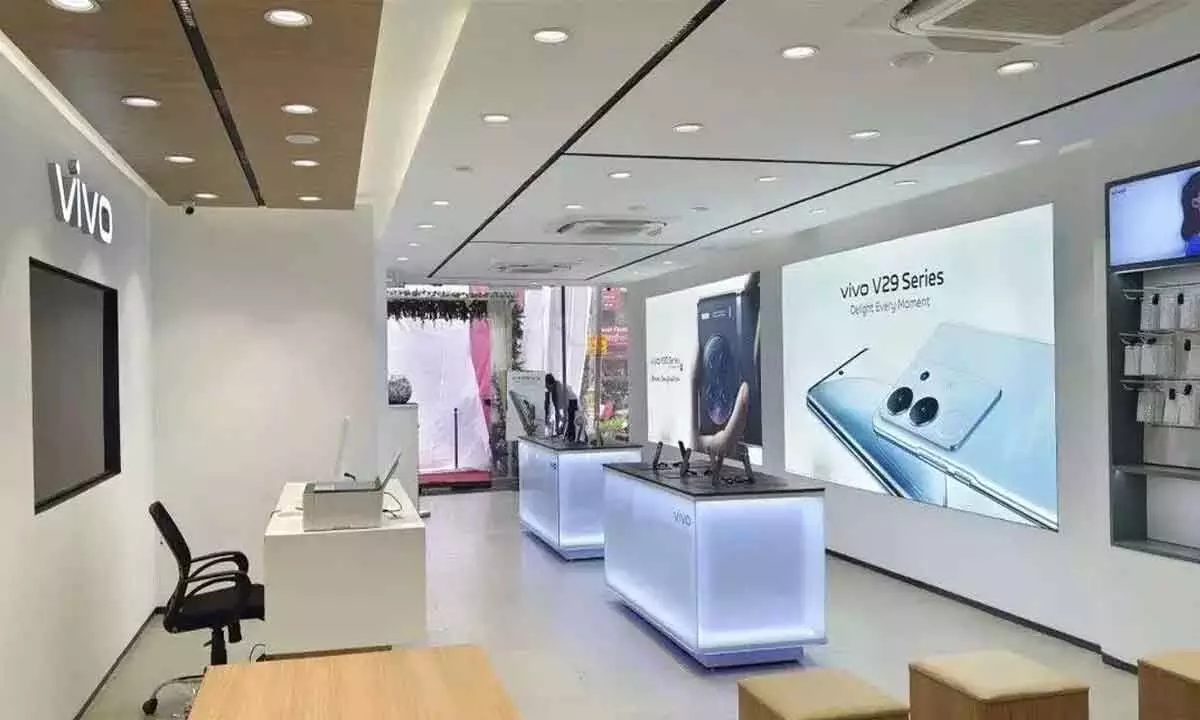
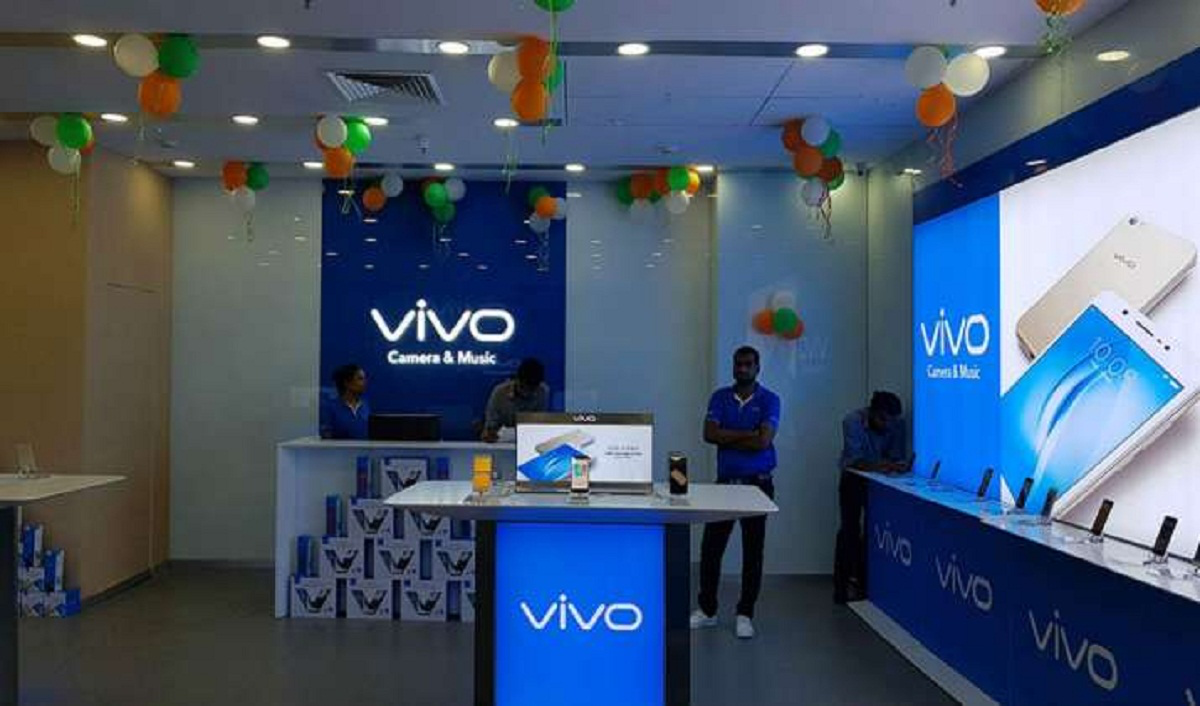
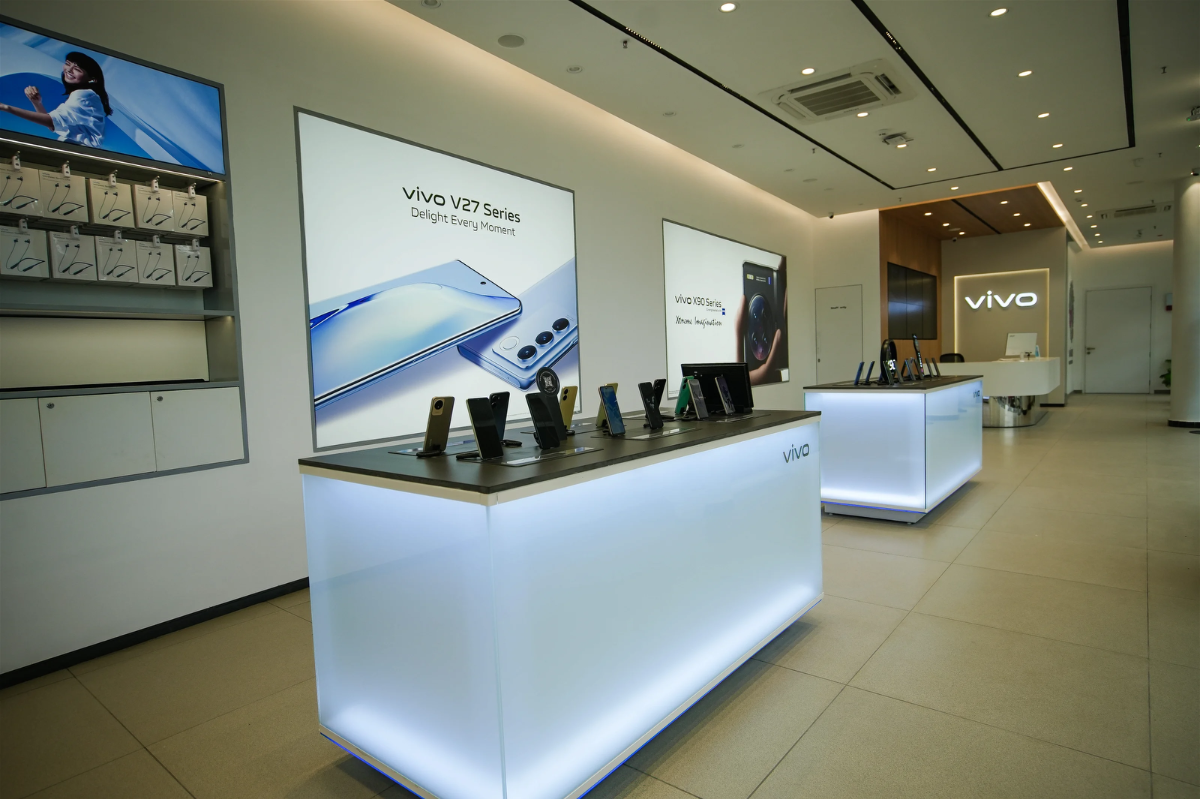
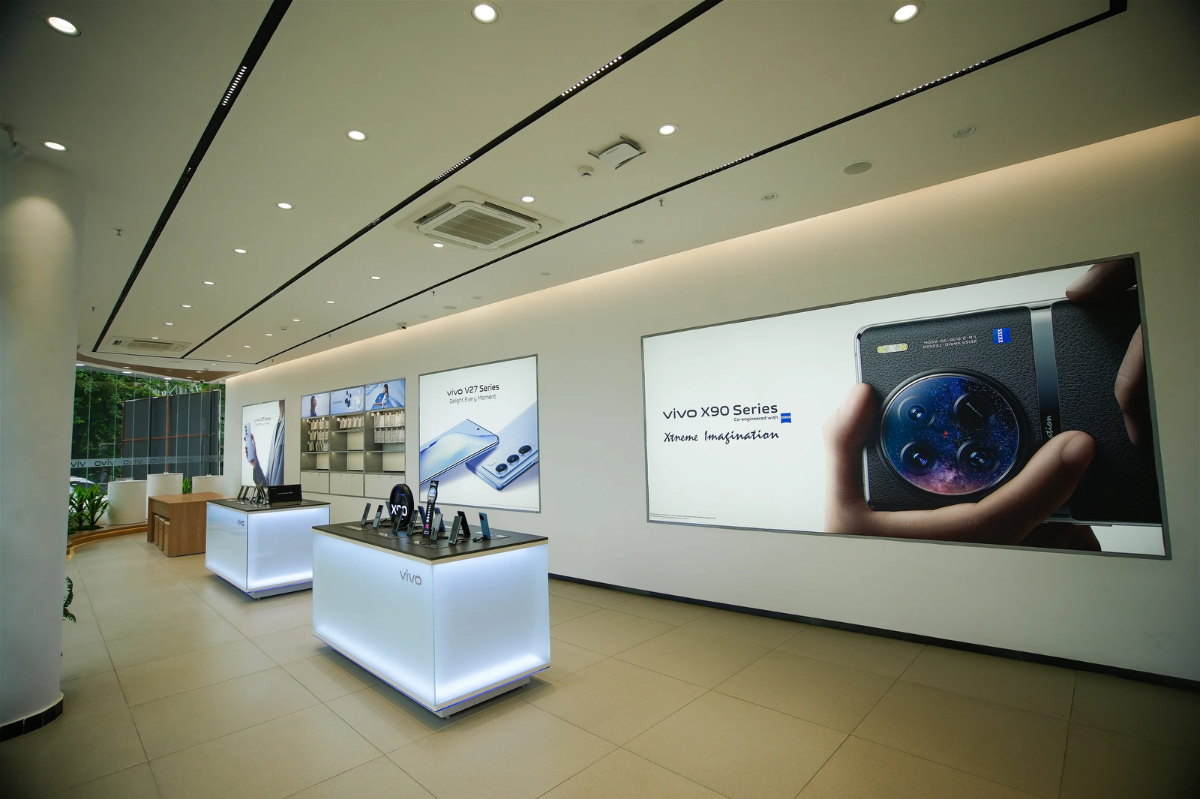
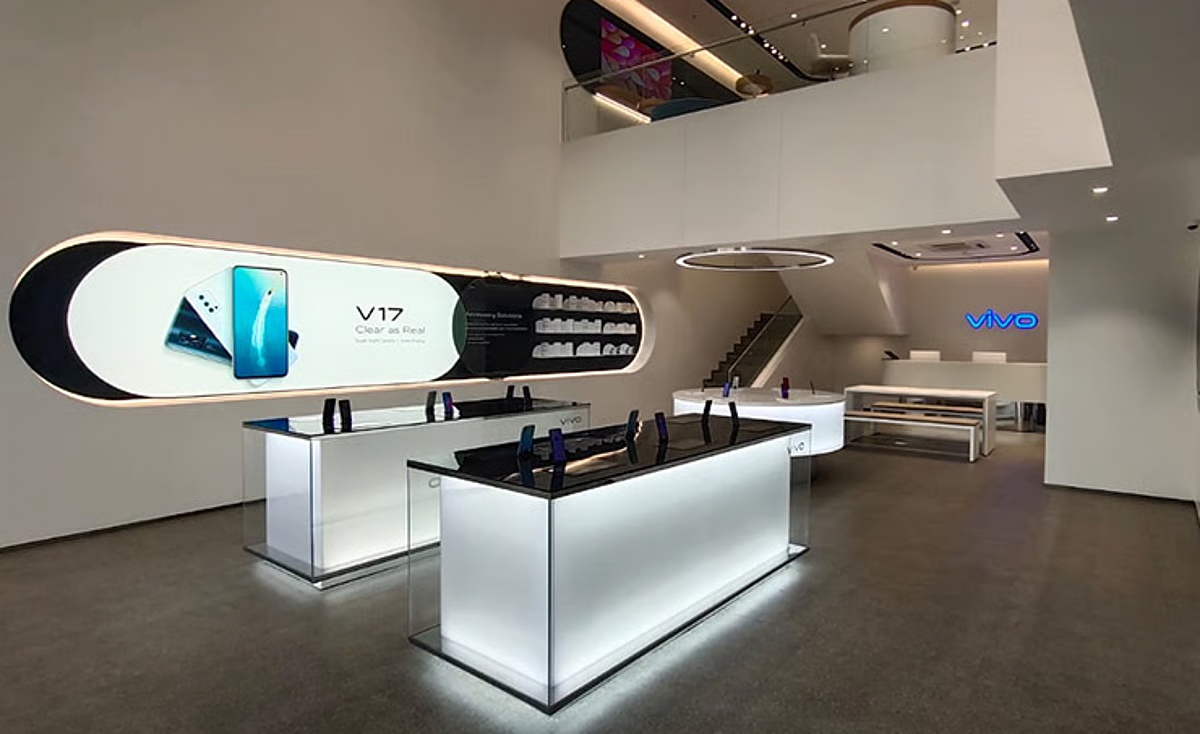
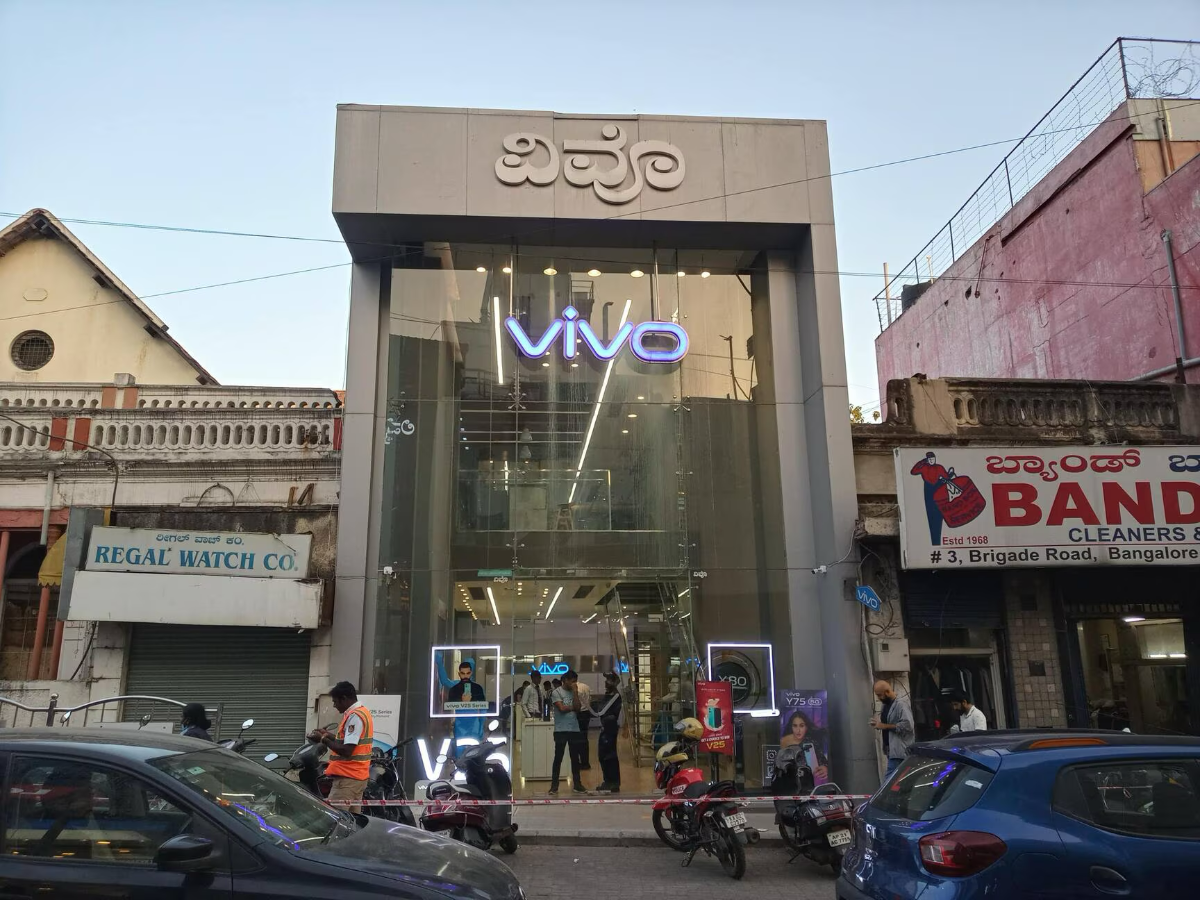
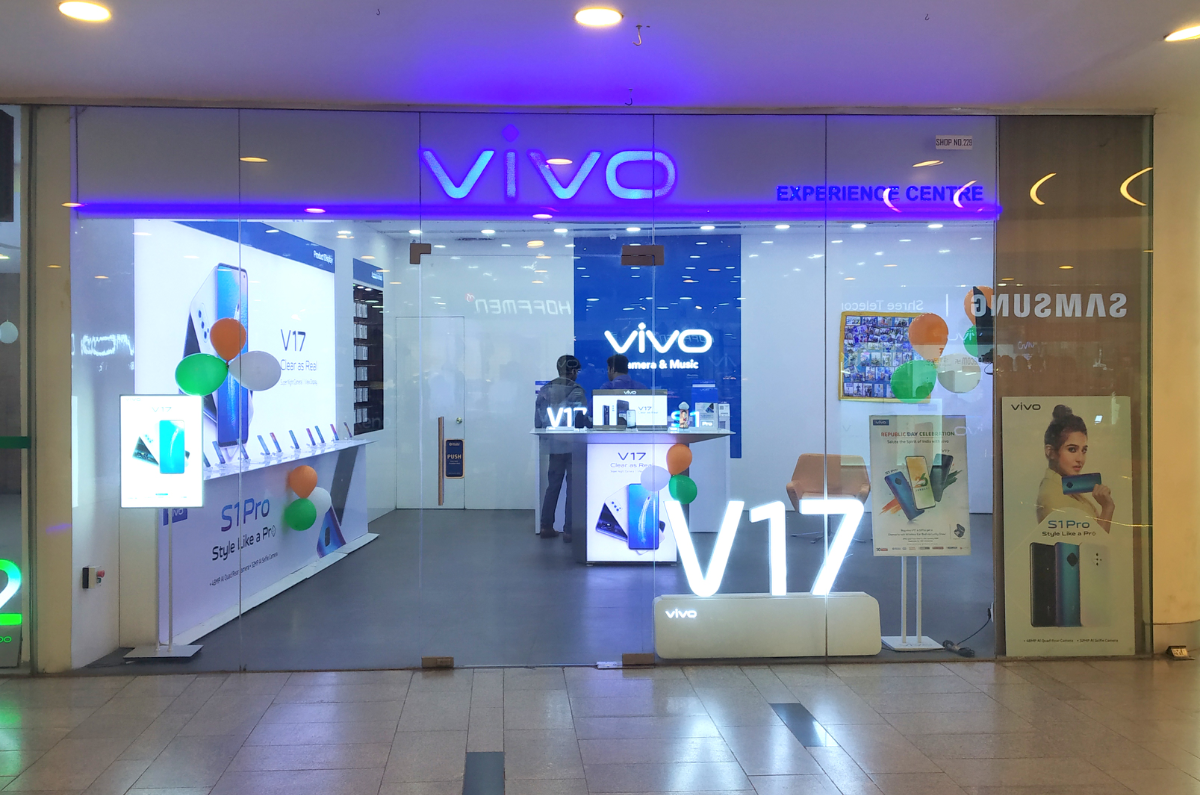
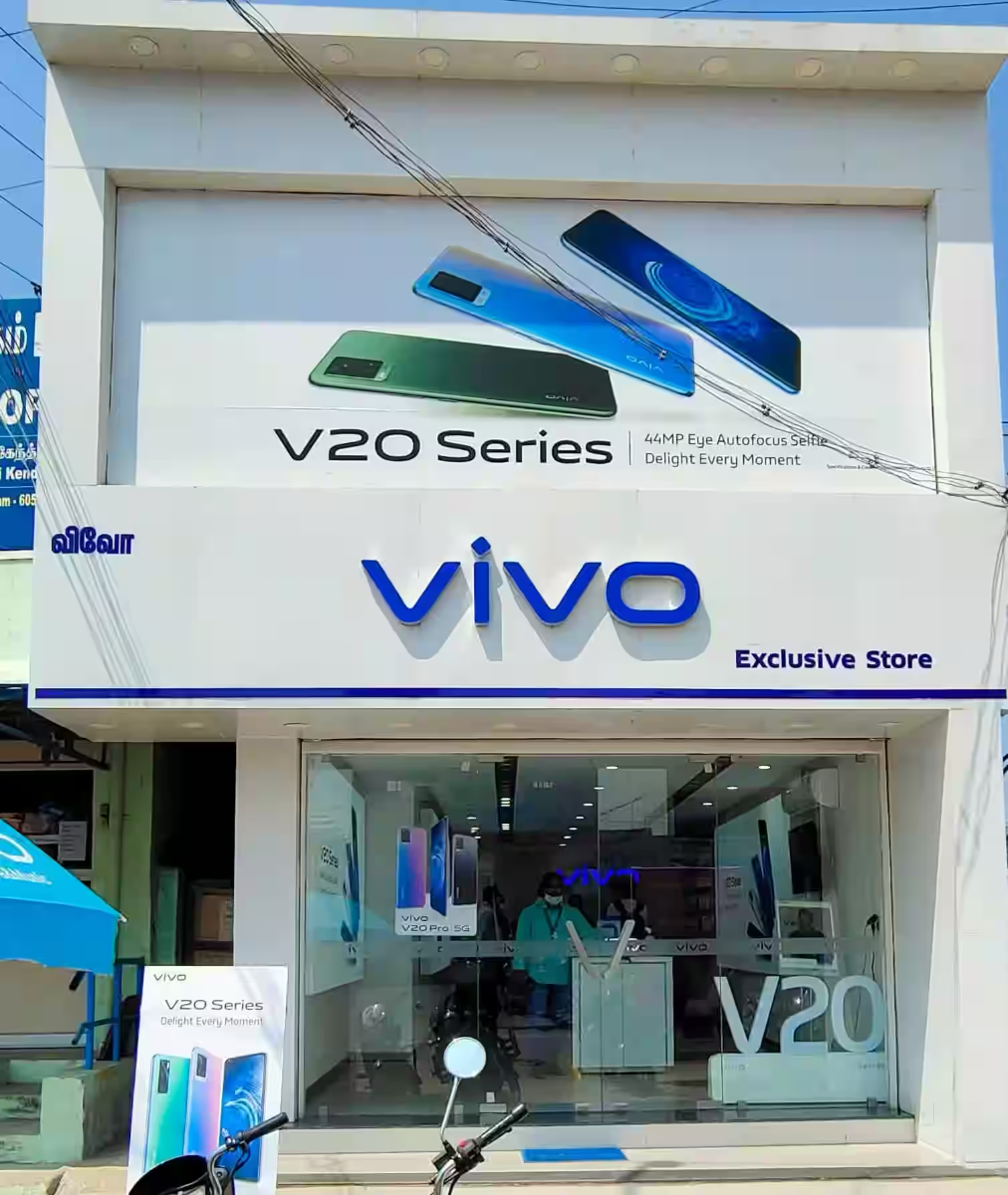
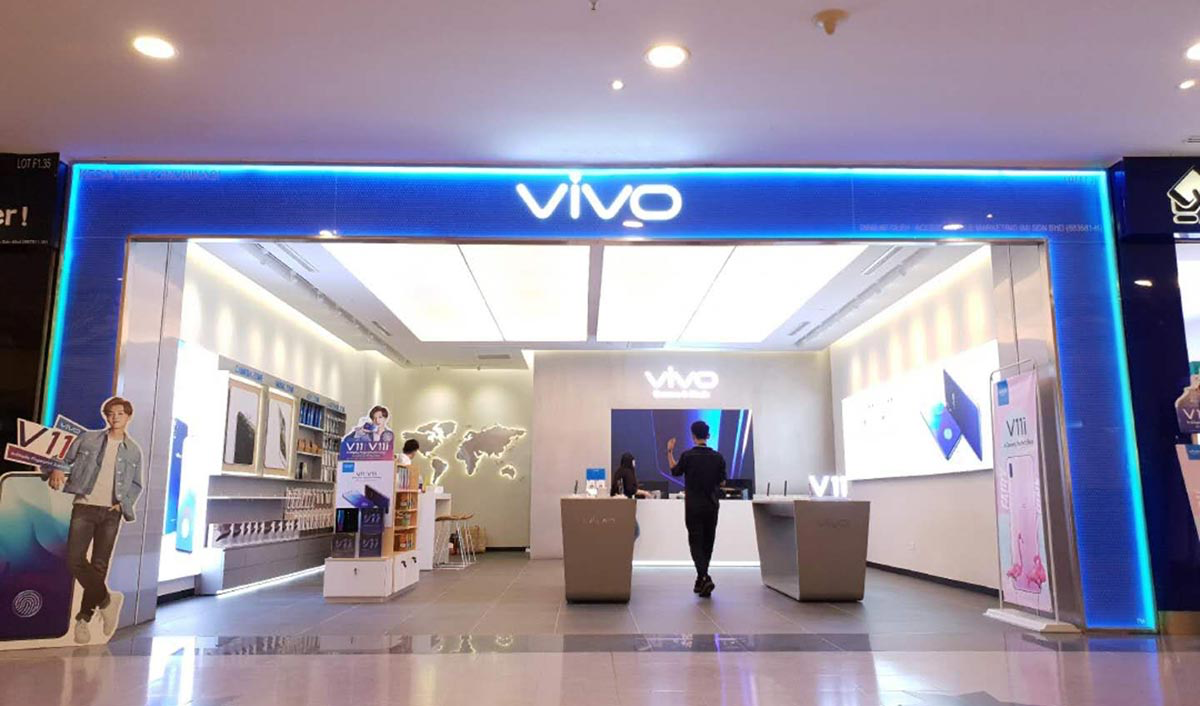
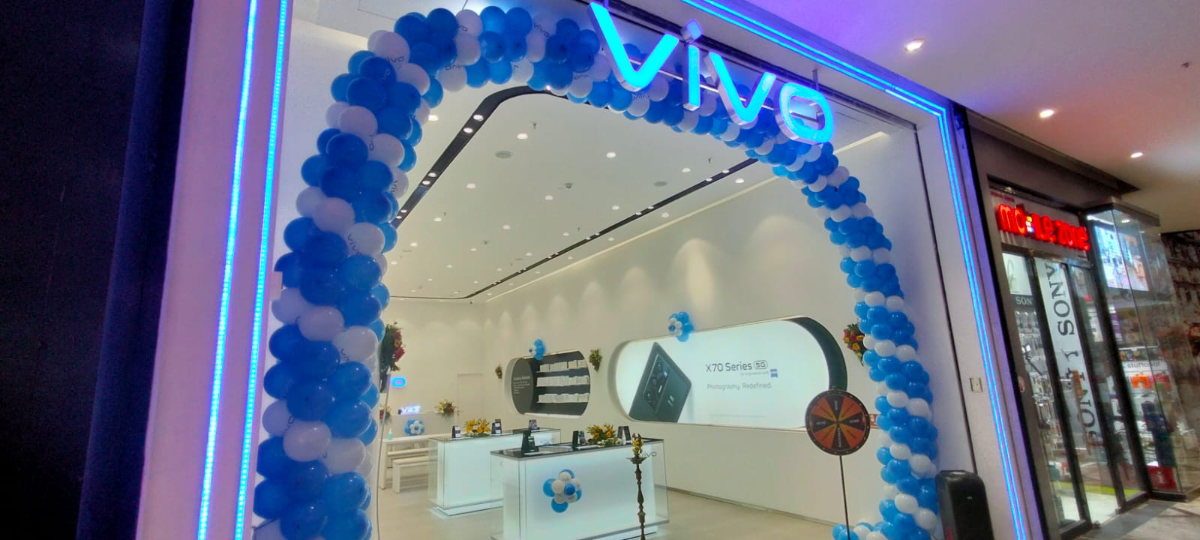
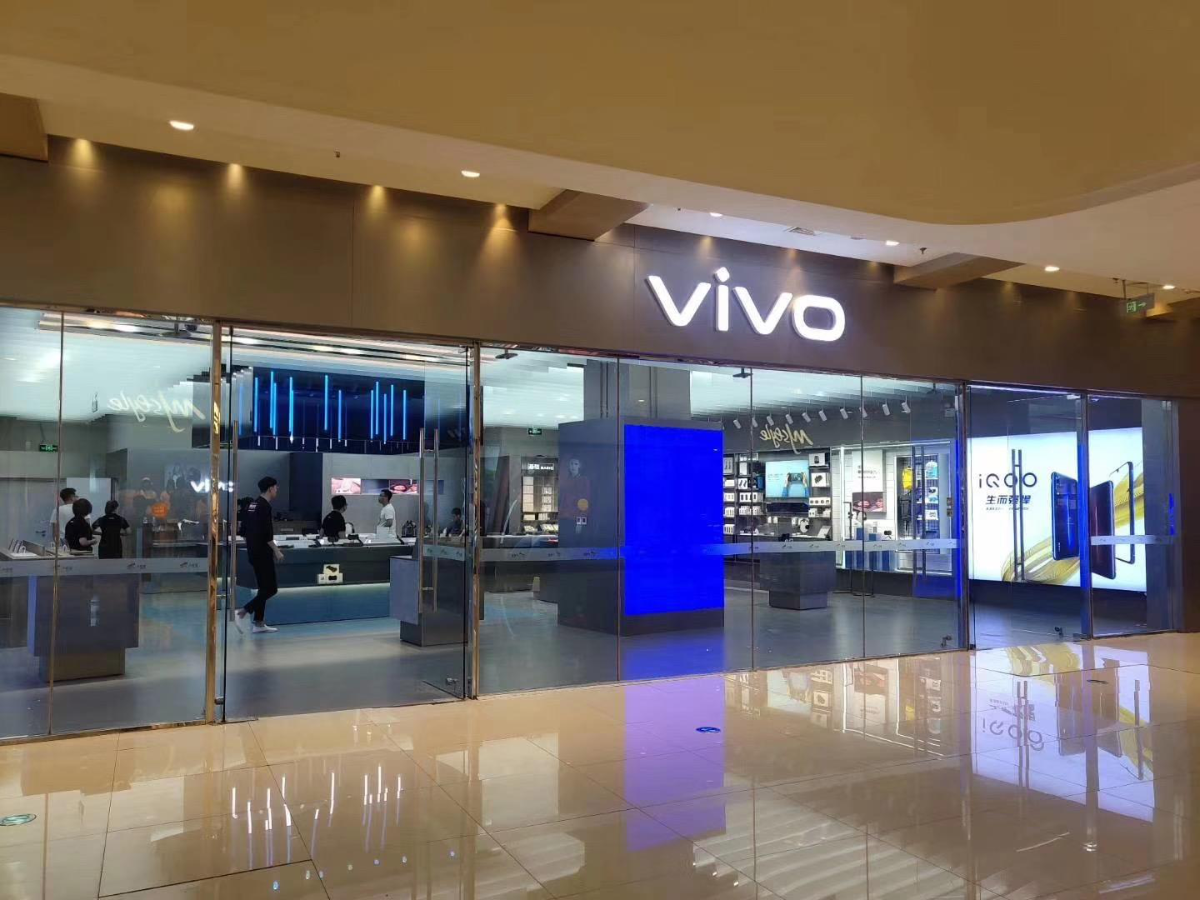
A Vivo outlet needs from 300 sq ft for the Exclusive Store format. Approved locations: High streets; 200-500 sqft; NO online
retail — less online-aggressive than Xiaomi.
How many Vivo outlets are there in India?
Vivo operates 70,000 outlets in India, and has been trading since 2014.
Who is eligible for a Vivo franchise?
You will need capital of at least ₹15 L, a site of 300+ sq ft, readiness for hands-on, owner-operated (FOFO/dealer) involvement — confirm exact operator requirements with the franchisor. Territory: Soft exclusivity by area; extremely
dense network.
What margin does a Vivo dealer earn?
Gross margin runs 6–18%. Margins are the disclosed percentage bands — FRANticc does not publish per-outlet earnings.
What training and support does Vivo provide?
Vivo provides 5 days of formal training. Supply chain: Via
distributors; strong distributor-retailer credit
culture.
How long is the Vivo franchise agreement?
Agreement terms: 3 Years.
How does a Vivo franchisee earn?
A Vivo franchisee earns from customer sales at their own outlet across its 2 formats (Exclusive Store, Multi-Brand Retail). You earn on product margin rather than paying a percentage royalty. FRANticc does not publish per-outlet earnings for Indian brands unless the franchisor discloses them.
Is the Vivo franchise offer genuine?
Vivo's franchise programme is verified against a primary source (last checked 2026-06-18). FRANticc links the source rather than relaying agent claims — https://www.vivo.com/in/en-IN/OwnAFranchise. Always confirm terms directly with the franchisor before paying any fee.
What revenue streams does a Vivo franchisee have?
Smartphone sales and accessories. No other revenue streams—Vivo franchisees do not operate service centers, repairs, financing, insurance, or trade-in programs. These functions are managed separately by the parent company or authorized service partners.
Is Vivo franchise revenue seasonal or steady?
Moderately seasonal. Demand spikes around major product launches and festivals (Diwali, New Year). Off-peak periods may see softer traffic and margin pressure due to competition. Territory saturation across 200,000 stores in India means local competition is a steady headwind.
How many Vivo franchise stores operate across India?
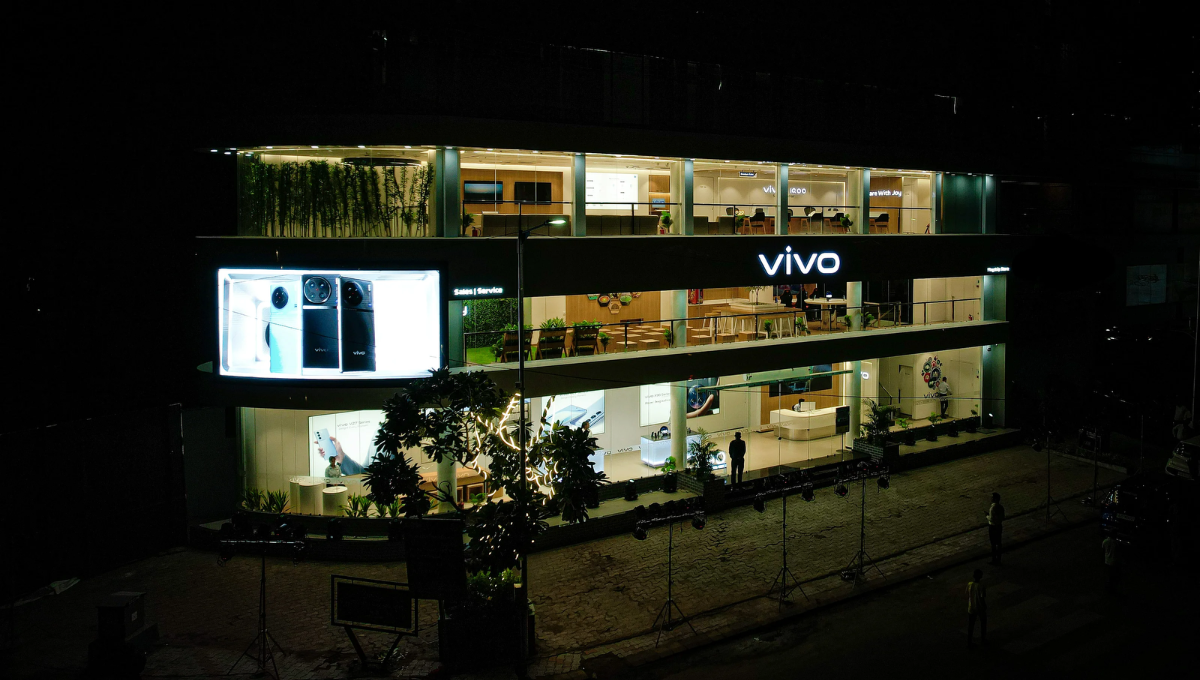
Vivo operates 200,000 dealer points across India, making it one of the most densely distributed smartphone brands in the country. This network spans urban high streets, secondary cities, and tier-3 towns. The extensive distribution reflects Vivo's strategy to maximize physical accessibility and reduce reliance on online channels.
Is Vivo actively franchising new stores in India right now?
Yes, Vivo is actively franchising through its dealer authorization model. The brand accepts applications for both multi-brand retail and exclusive store formats across India. Prospective franchisees can apply through Vivo's official franchise portal at vivo.com/in/en-IN/OwnAFranchise. Approval depends on location suitability, capital readiness, and territory availability.
What products can a Vivo franchisee sell?
Vivo franchisees sell smartphones and accessories exclusively. The brand does not authorize franchisees to operate service centers, repairs, financing products, insurance, or trade-in programs—these functions are managed directly by Vivo or authorized service partners. Revenue is generated purely from retail sales of devices and related accessories.
How much owner involvement is required to operate a Vivo franchise?
Vivo franchise ownership requires moderate (M-level) involvement. The owner must oversee retail operations, inventory management, customer sales, and local merchandising. Unlike passive investment models, smartphone retail requires active presence to drive foot traffic, respond to product launches, and maintain sales targets. A remote, non-operator approach is not viable for this format.