

SamsungFranchise Cost in India 2026
Samsung franchise cost in India (2026): ₹20L investment · ₹3L franchise fee · no royalty (margin model) — verified from primary sources · data as of Oct 2026
Core Investment
Due Diligence & Legal
Operations & Training
Investor Pro Tools
How Samsung franchisees make money
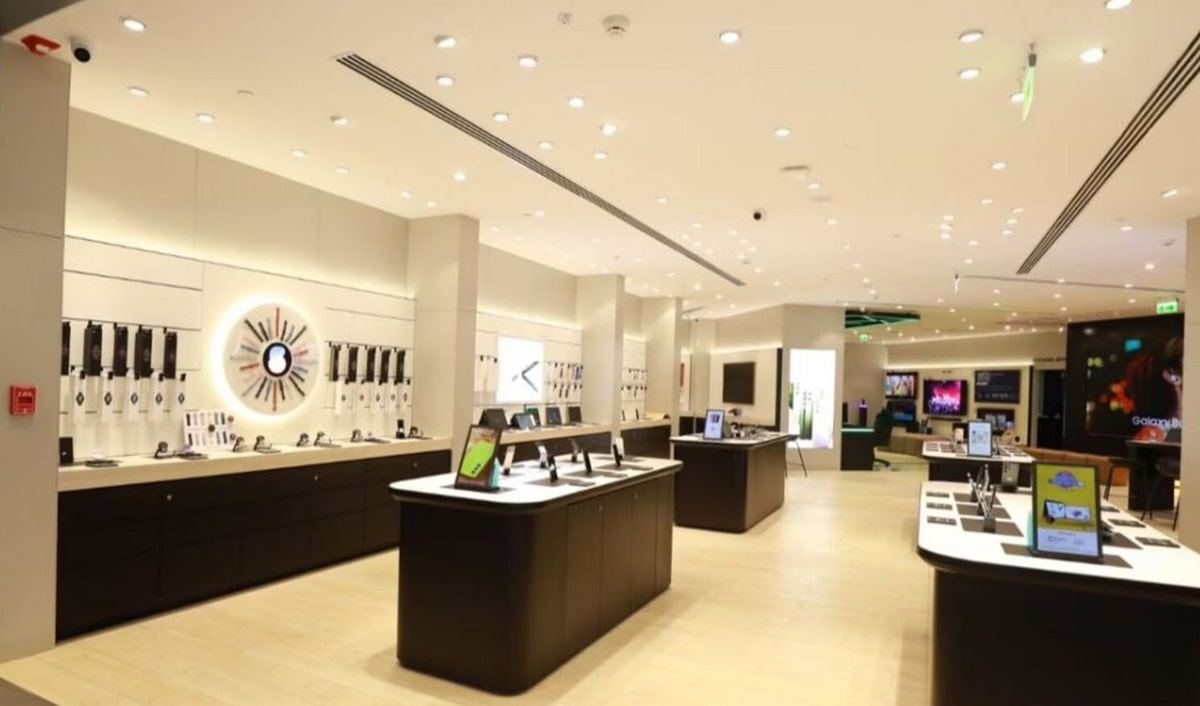
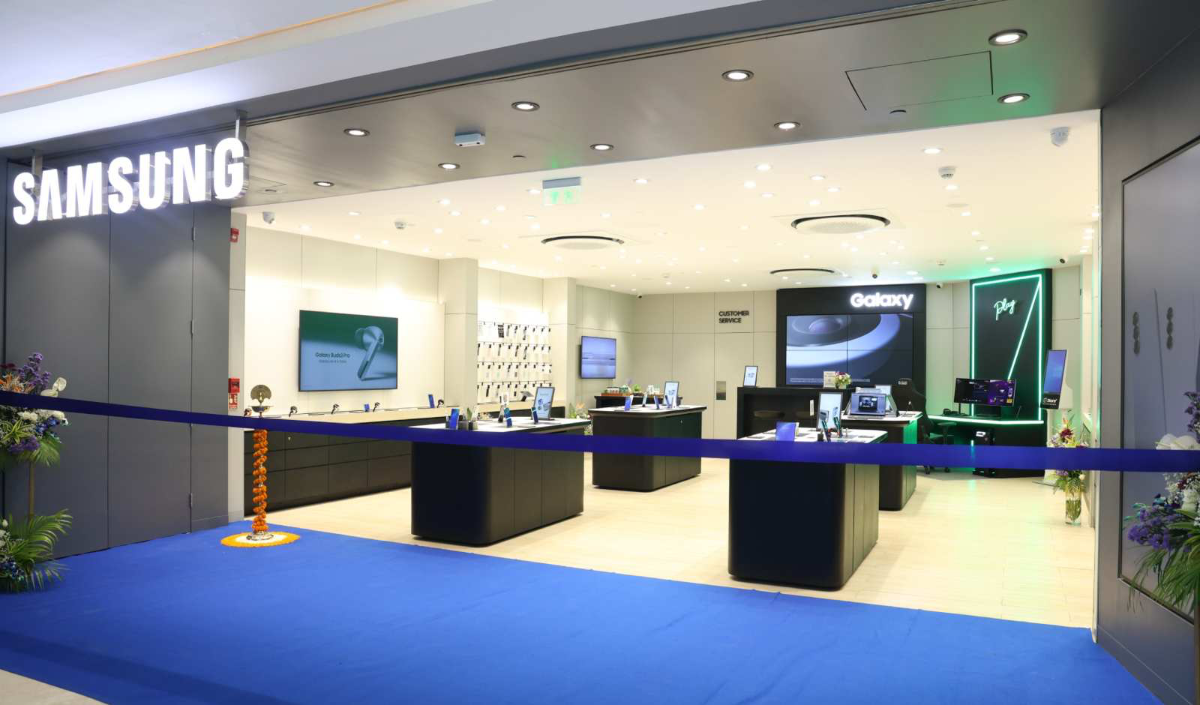
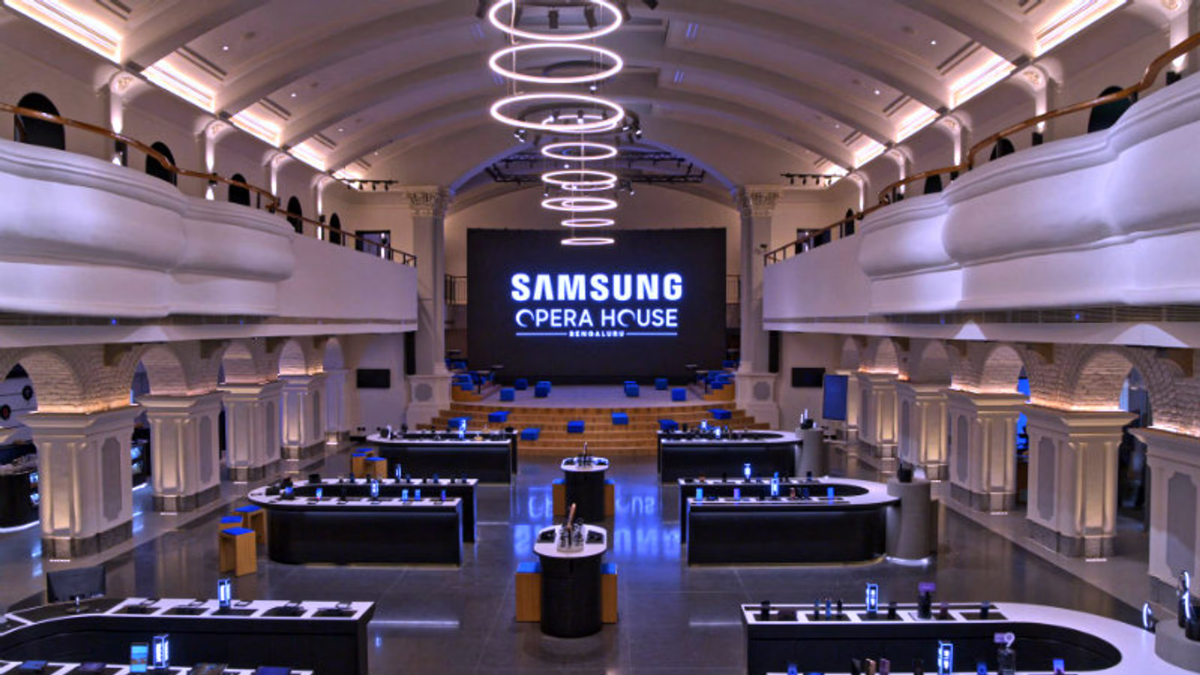
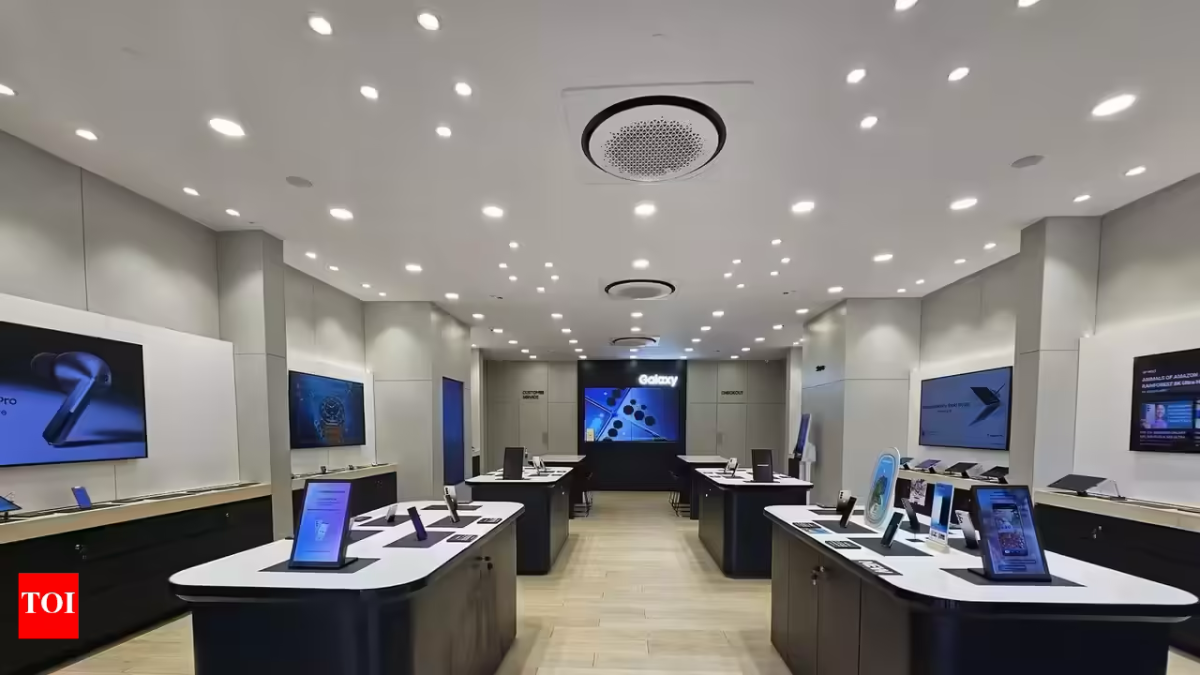
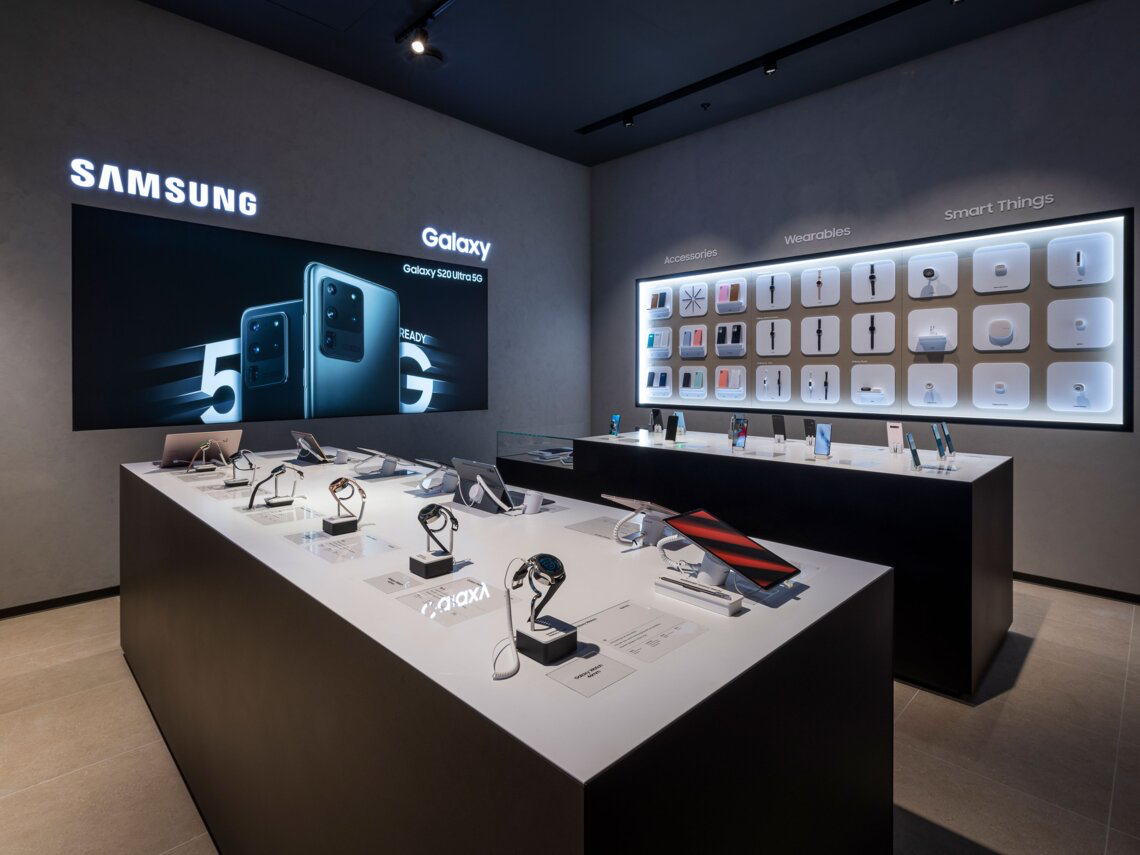
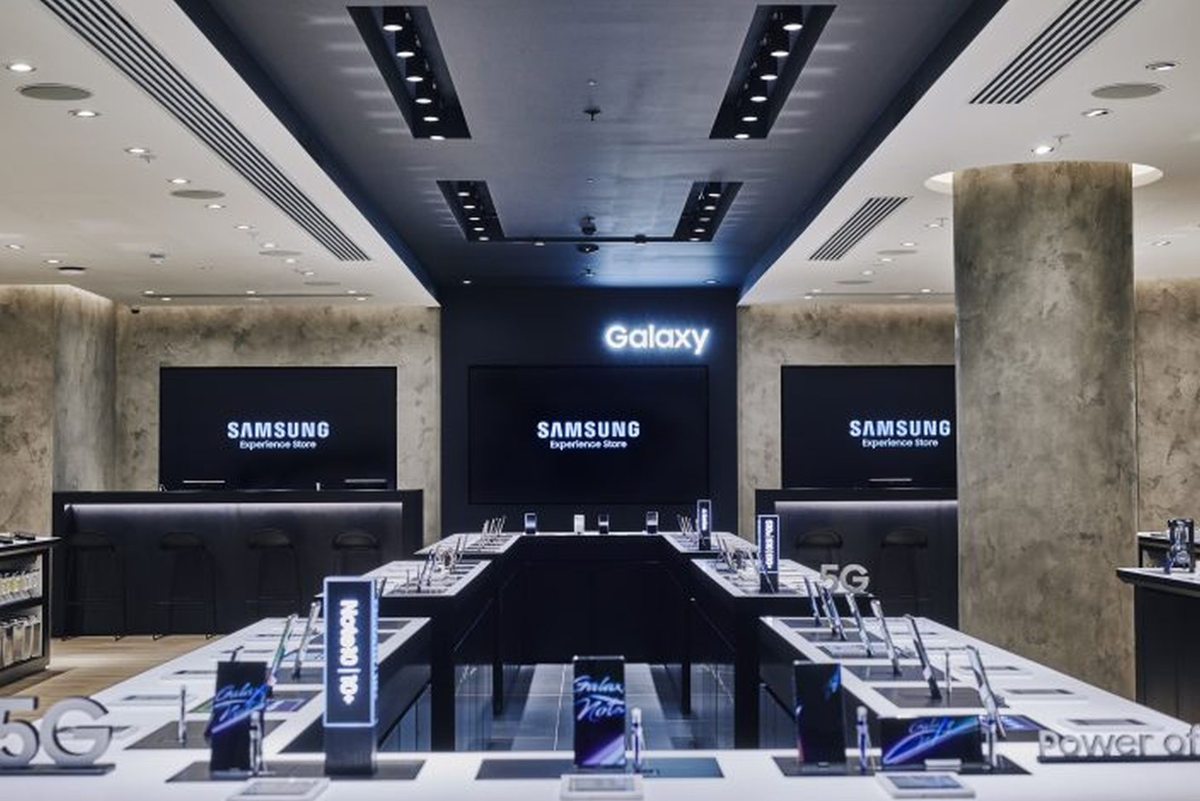
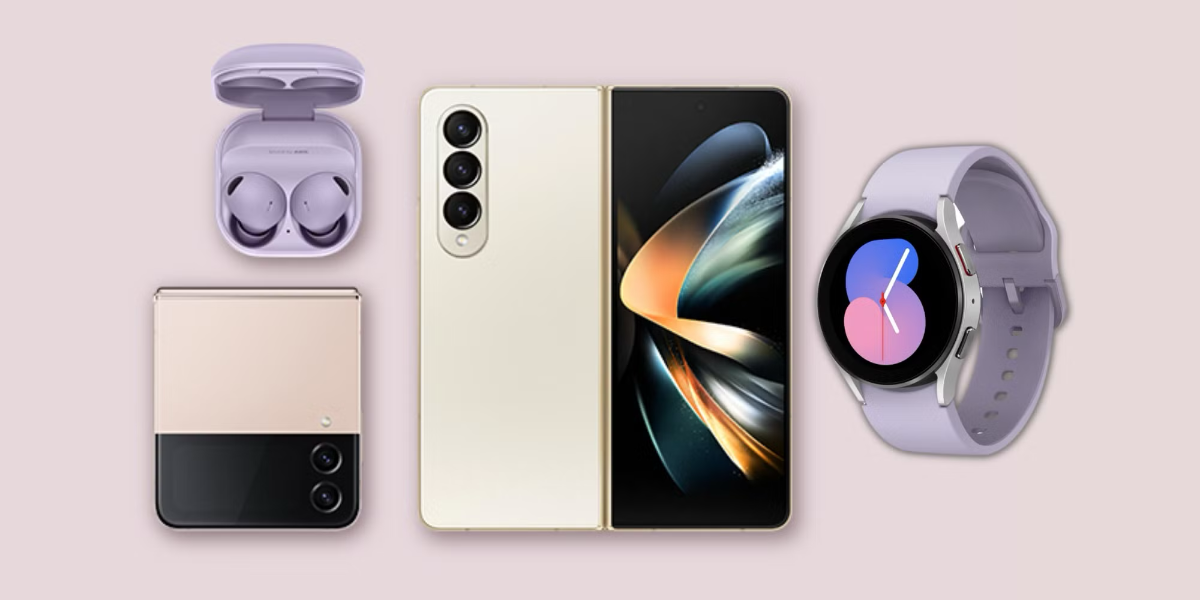
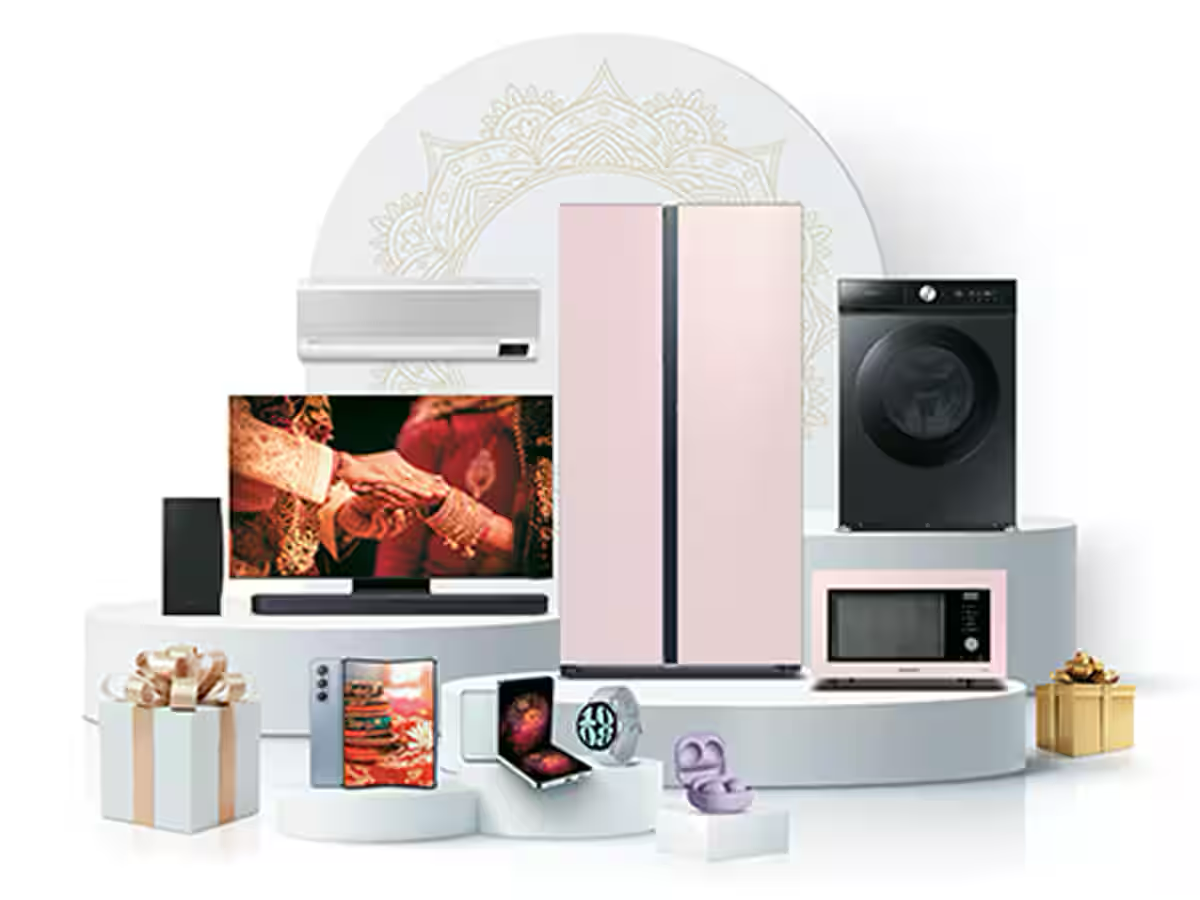
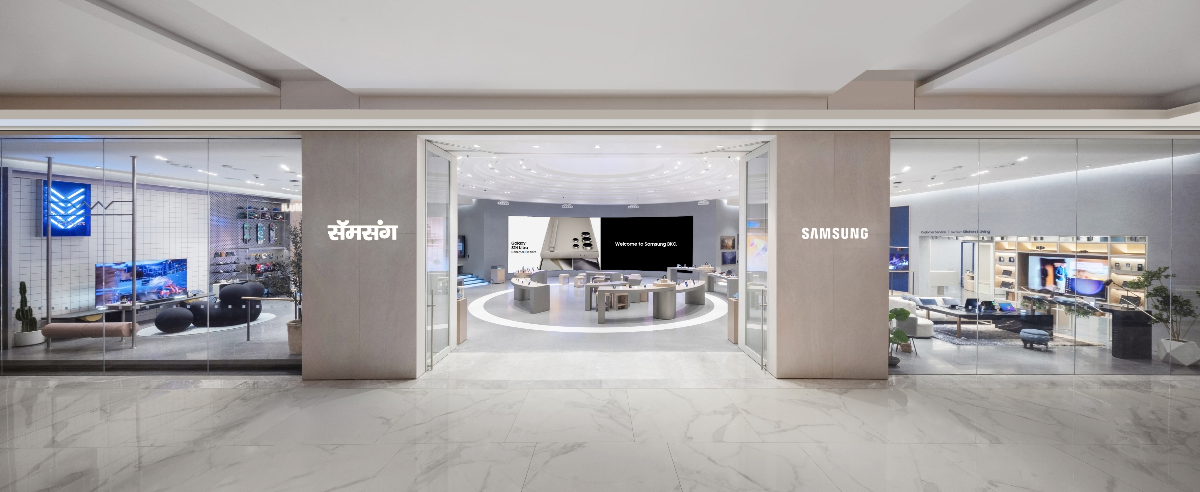
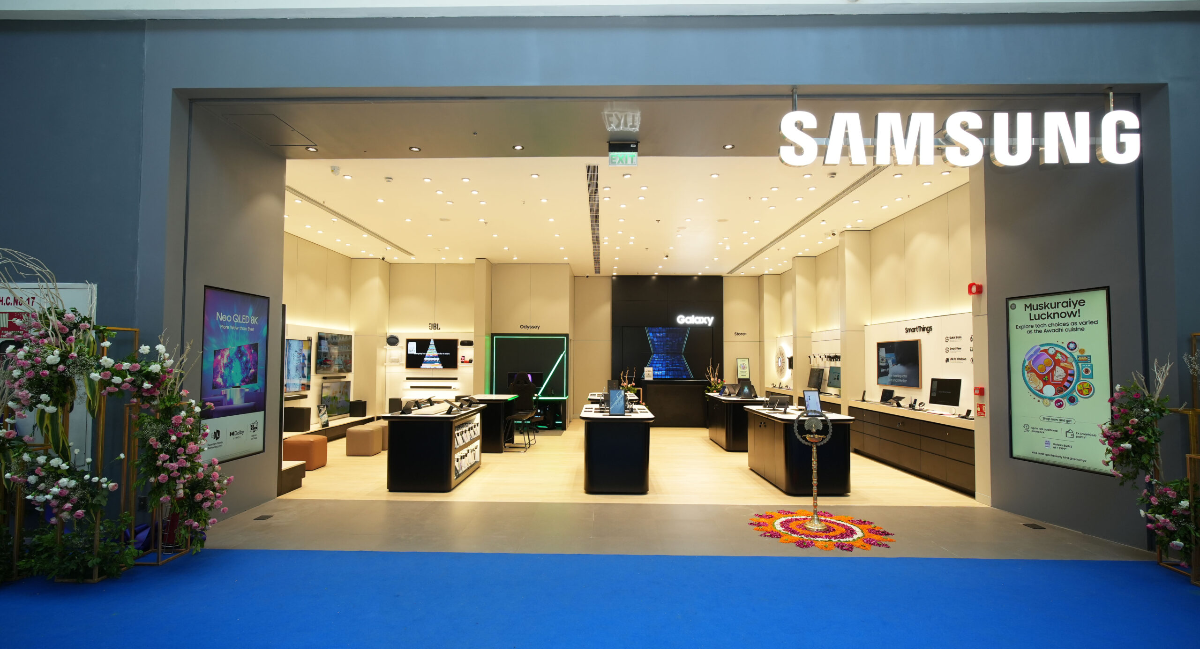
Samsung franchisees earn primarily through retail sales of smartphones, tablets, wearables, and accessories — the core product categories stocked in Exclusive Brand Stores. Revenue derives from unit sales at manufacturer-set retail prices; the franchisee's margin sits within the 5–15% band typical of consumer electronics retail. Samsung operates a single franchise model for its device retail network in India; adjacent Samsung businesses such as service centers, trade-in programs, or financing partnerships operate separately and are not part of the franchisee's contract. Success depends on foot traffic, local market penetration, and inventory turnover rather than ancillary service fees.
Supply chain & sourcing
Samsung supplies inventory to franchisees through its own distribution network; franchisees do not source devices independently. The parent company controls wholesale pricing and product allocation to stores. Margin compression in consumer electronics is structural—devices carry slim markups, and inventory management (stock rotation, obsolescence risk on older models) directly impacts franchisee profitability. Unsold or aged inventory remains the franchisee's responsibility. This model is standard across device retail but means franchisees have limited cost-base control.
Demand & growth signals
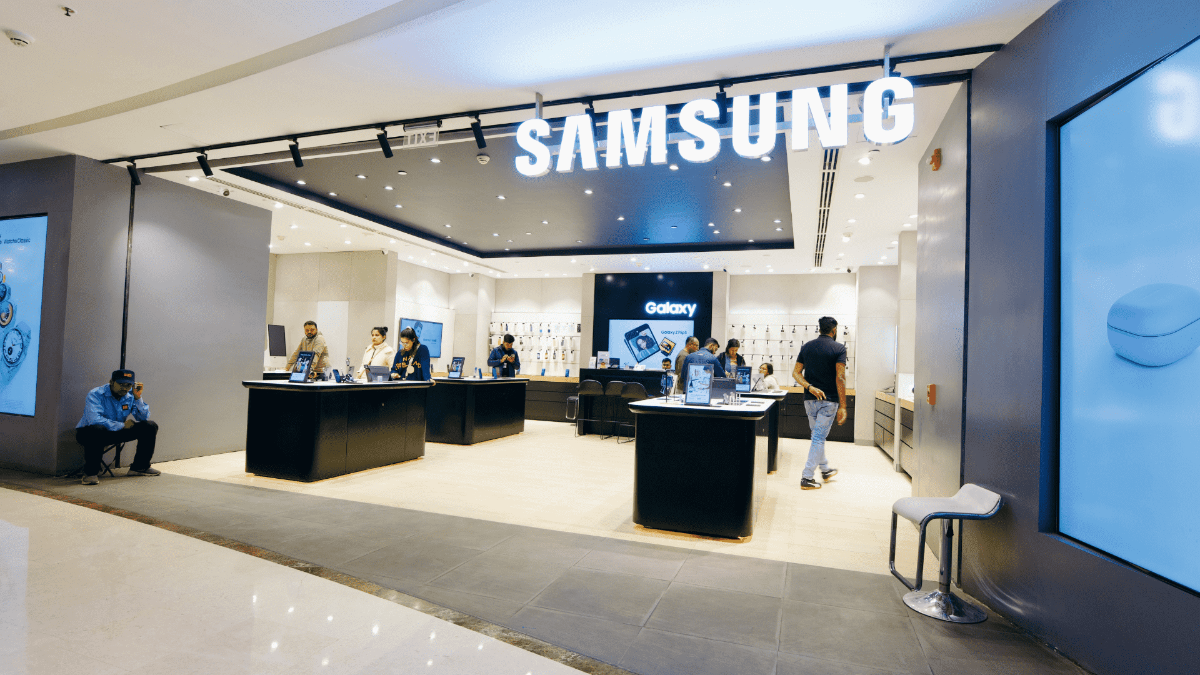
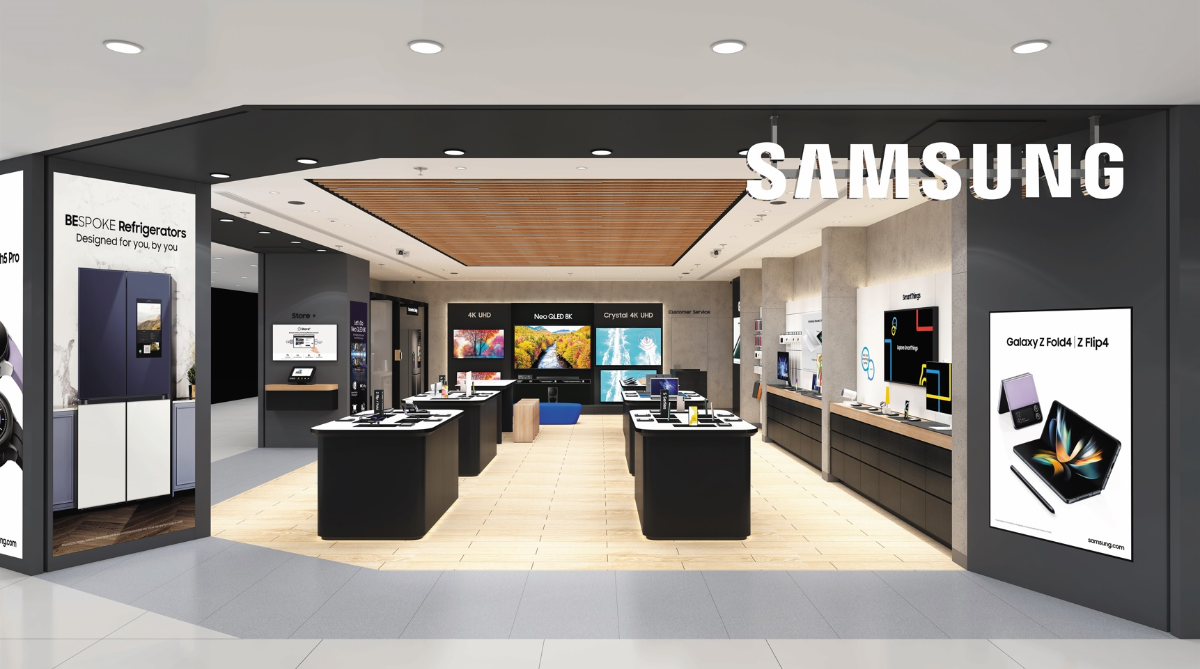
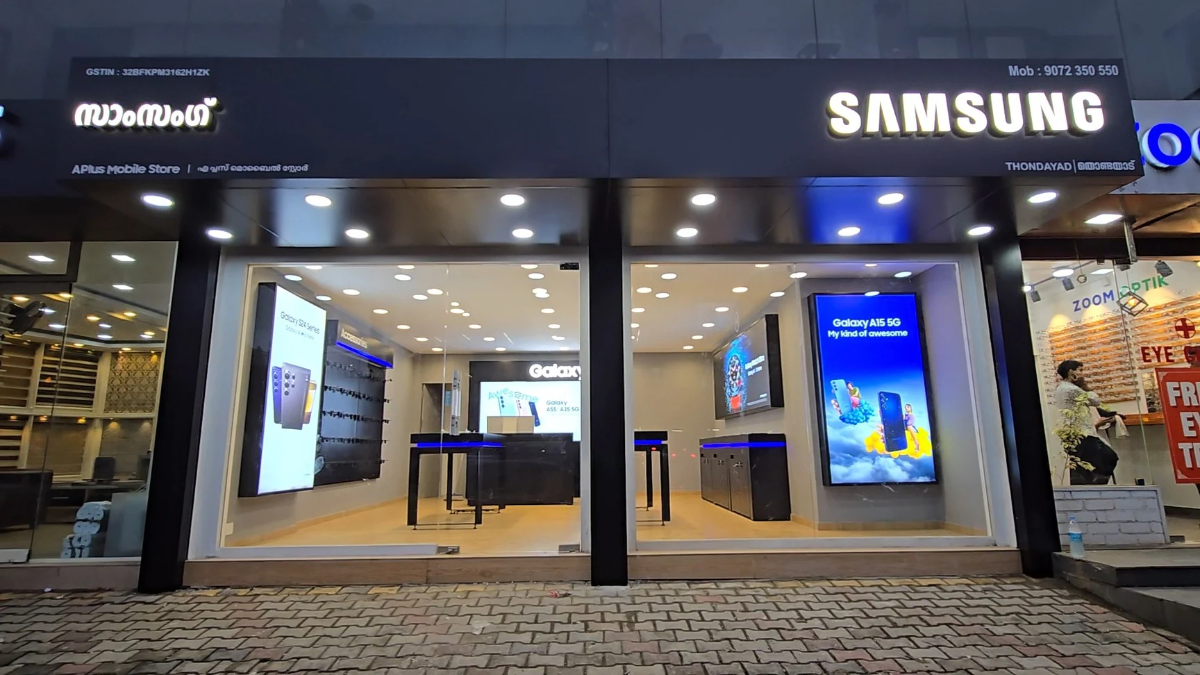
Samsung smartphone demand in India is relatively steady but cyclical. New model launches and seasonal peaks (festivals, year-end, summer upgrades) create revenue spikes; off-season periods see softer sales. Urban-location stores typically experience more consistent foot traffic than tier-2/3 outlets. The category is less weather-dependent than F&B or apparel but remains sensitive to product cycles and competitive intensity. Franchisees in high-traffic locations report better revenue stability than those in secondary markets. Samsung operates approximately 5,000 stores across India, indicating broad network maturity and sustained market presence. Founded in 1938 globally, Samsung established significant India operations decades ago. India's smartphone market has grown from early-2000s niche to mass adoption, though growth has slowed as penetration plateaus in urban centers. Samsung's continued store expansion suggests confidence in the category, but incremental growth now depends more on market-share gains and tier-2/3 penetration than category expansion.
Operating Locations
Is actually the right fit for you?
BrandFit asks 6 visual questions about your operator profile, capital, location, and risk appetite — then ranks all 234 brands by predicted success-fit for your specific situation. shows up where it actually fits, not just where it can afford.
Run BrandFit on my situation