Pepe JeansFranchise Cost in India 2026
ABFRL (Aditya Birla)
Pepe Jeans franchise cost in India (2026): ₹80L investment · ₹6L franchise fee · zero royalty — verified from primary sources · data as of Oct 2026
Core Investment
Due Diligence & Legal
Operations & Training
Investor Pro Tools
How Pepe Jeans franchisees make money
Pepe Jeans franchisees earn primarily through retail markup on denim and casual apparel sold at the exclusive store location. The franchise operates under ABFRL (Aditya Birla Fashion and Retail Limited), the parent company that supplies inventory. Franchisees purchase stock at wholesale rates and sell at retail, capturing a gross margin of 35–45% on sales. The model carries zero royalty burden, allowing franchisees to retain a larger share of margin after covering occupancy, staffing, and operating costs. Pepe Jeans operates as a standalone casual-wear franchise; sister brands like Madura and Van Heusen under the same parent are separate franchise contracts.
Supply chain & sourcing
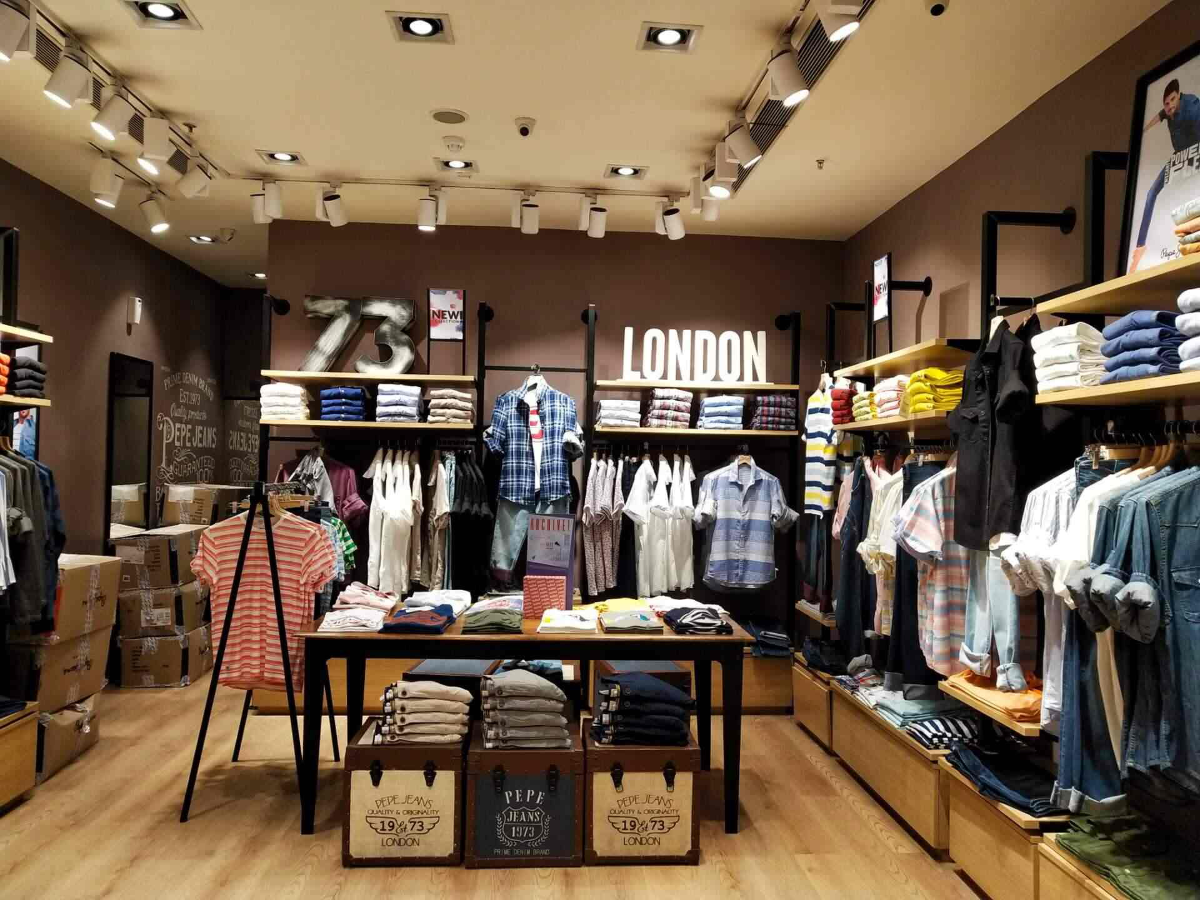
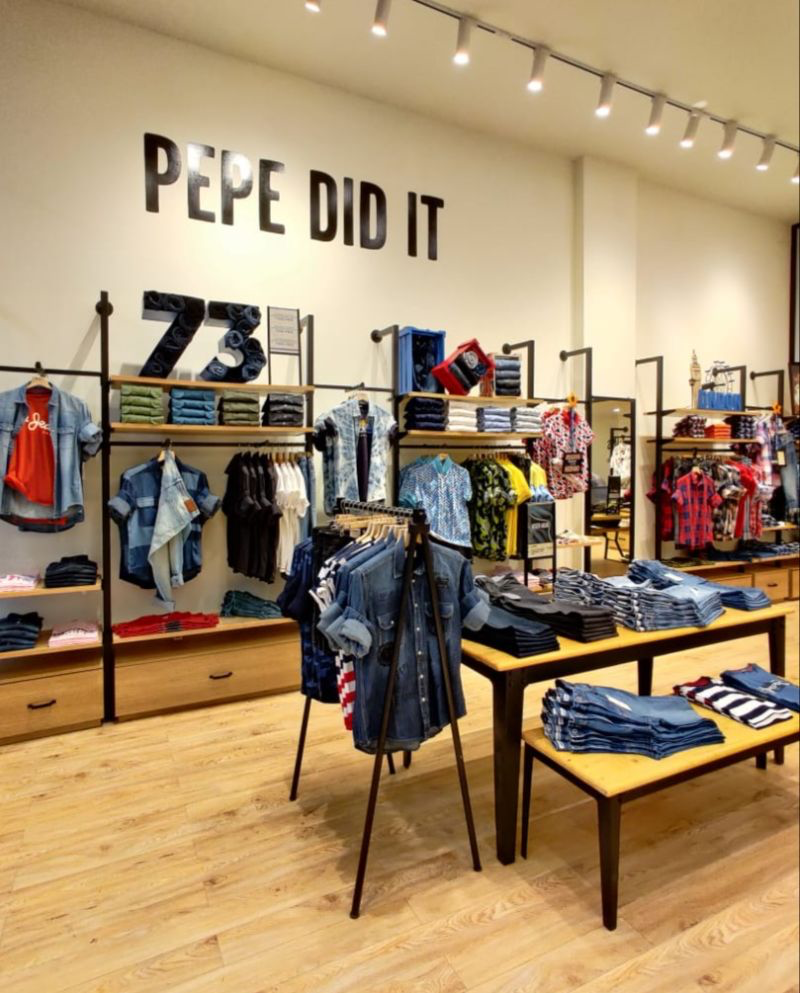
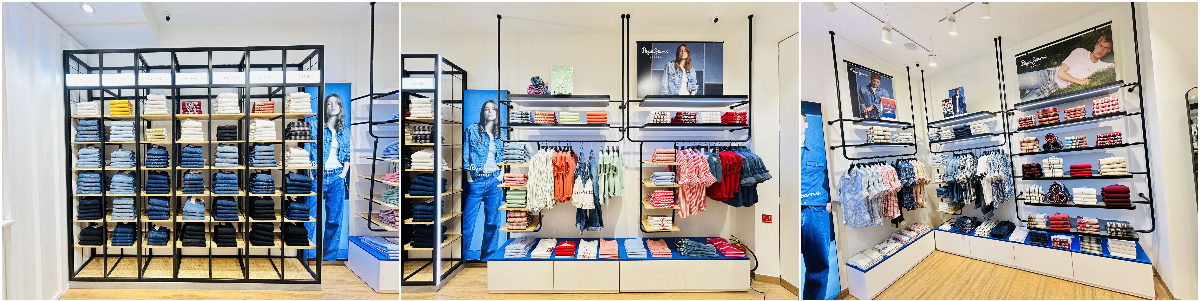
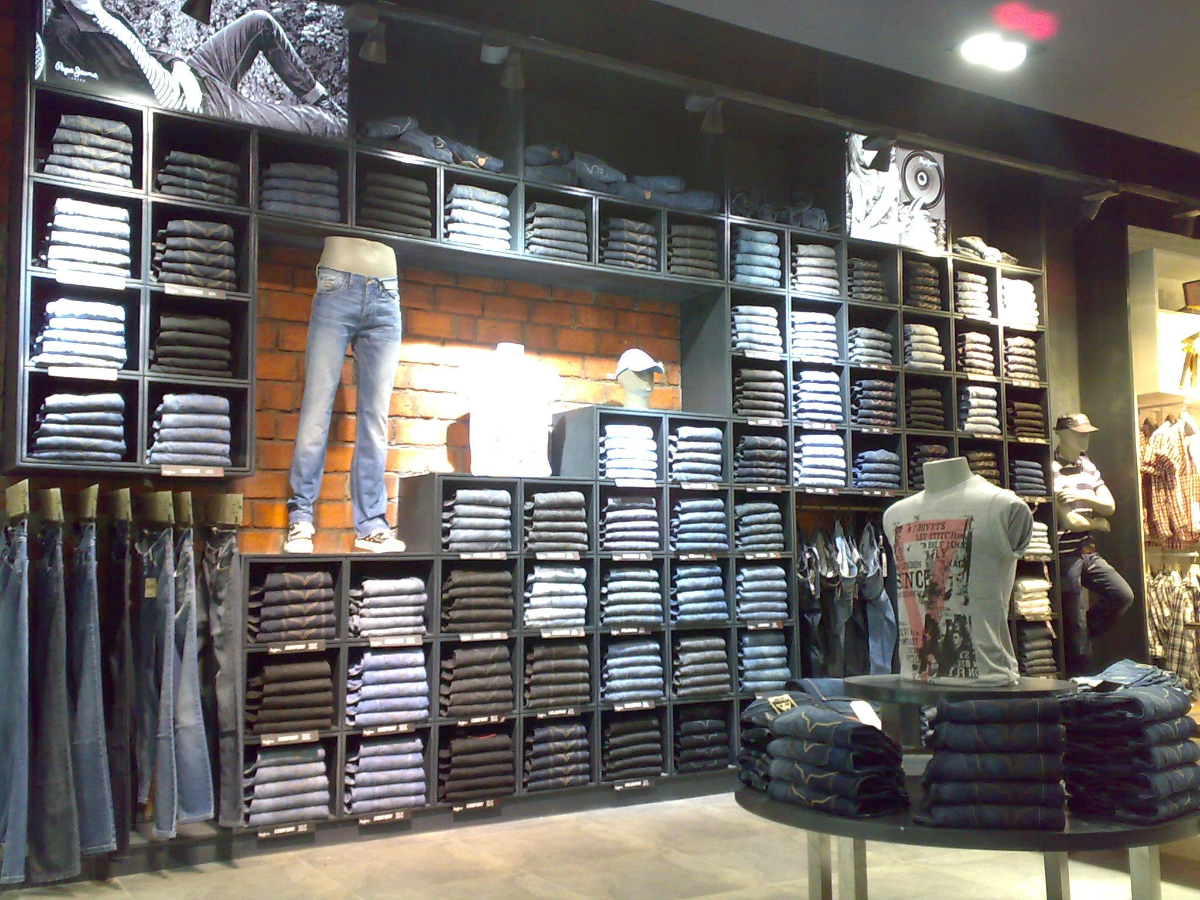
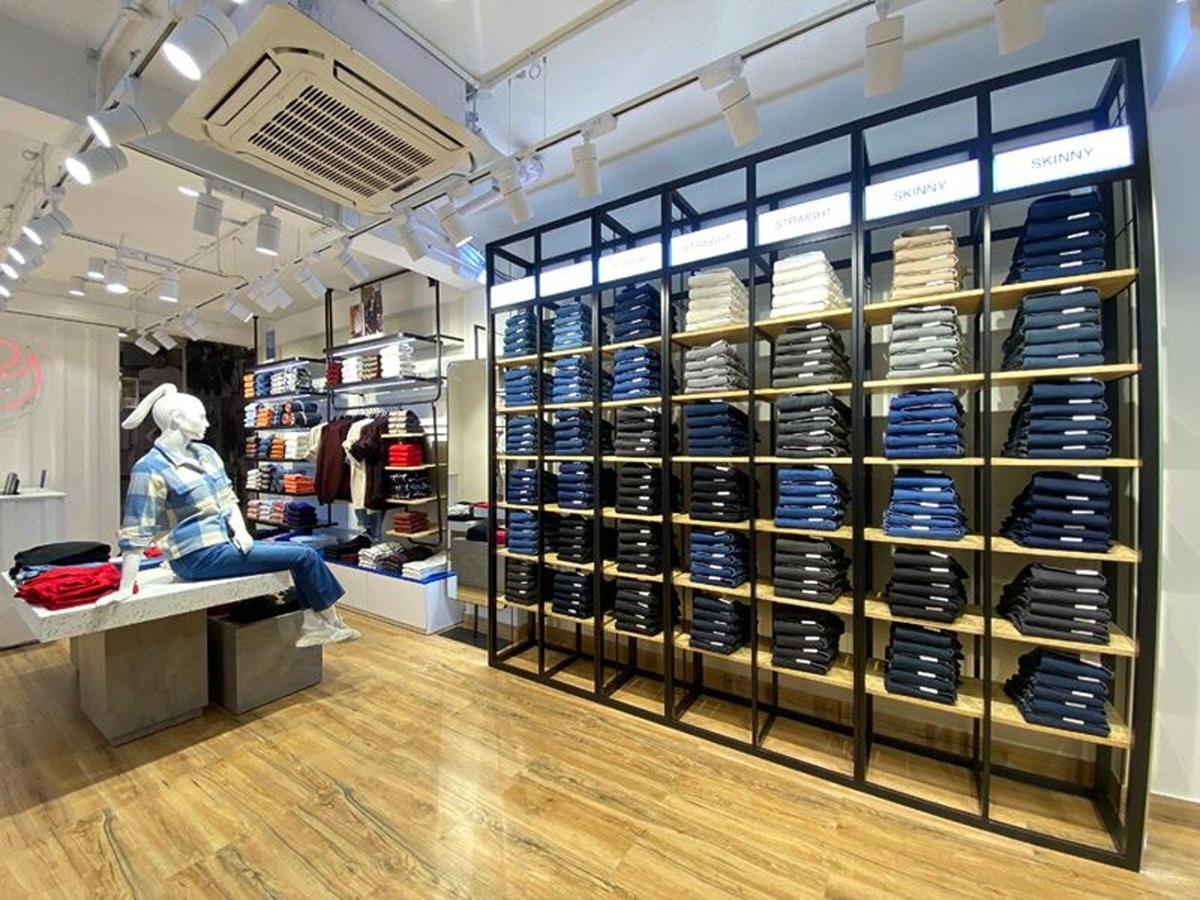
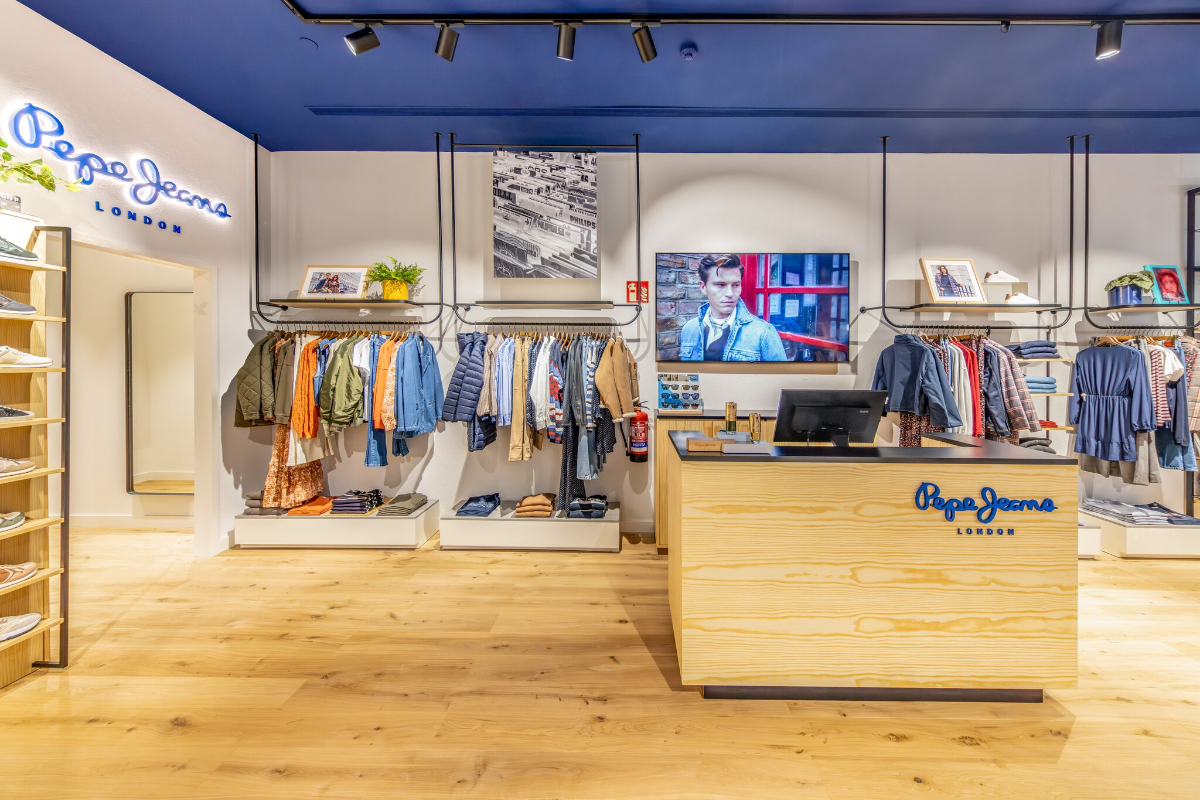
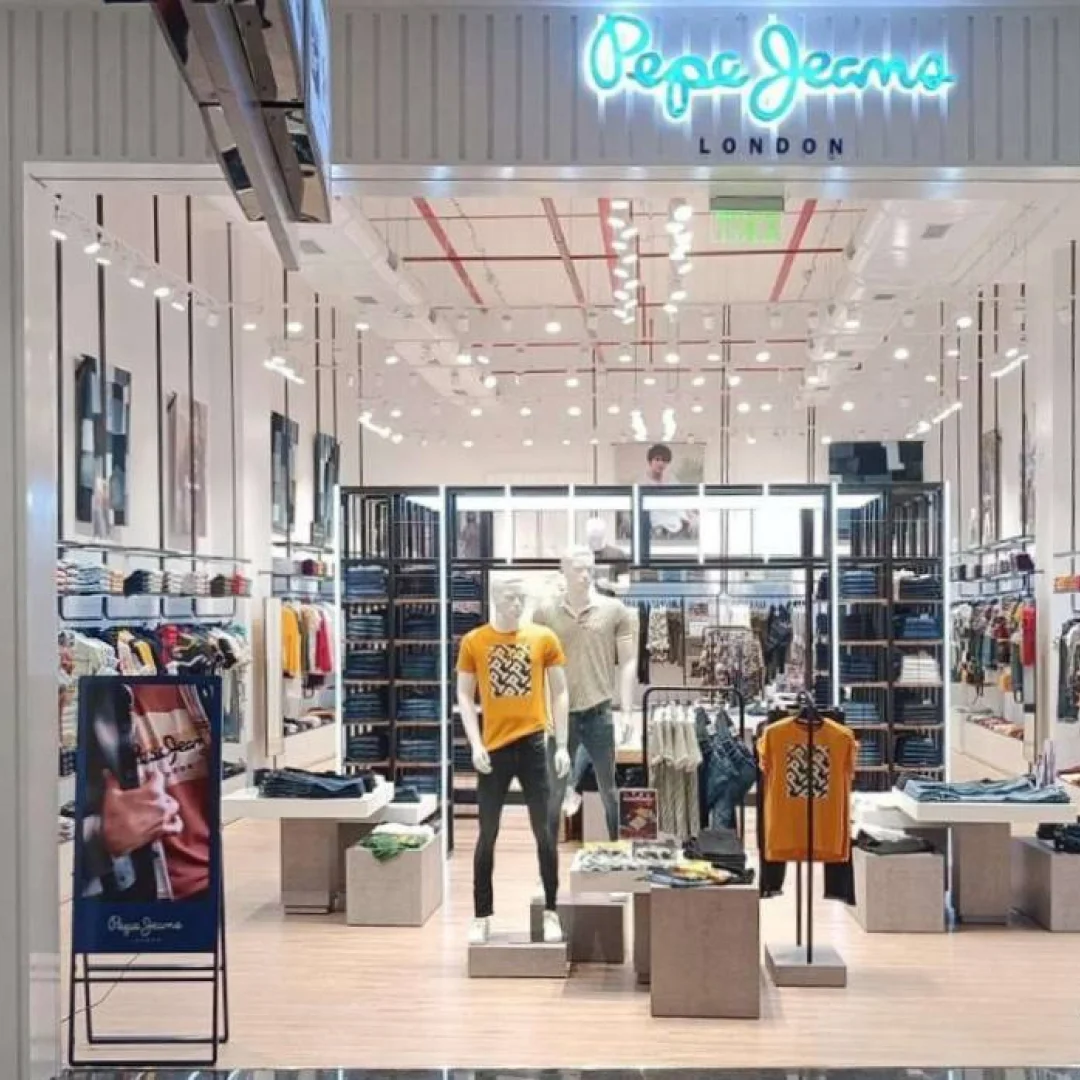
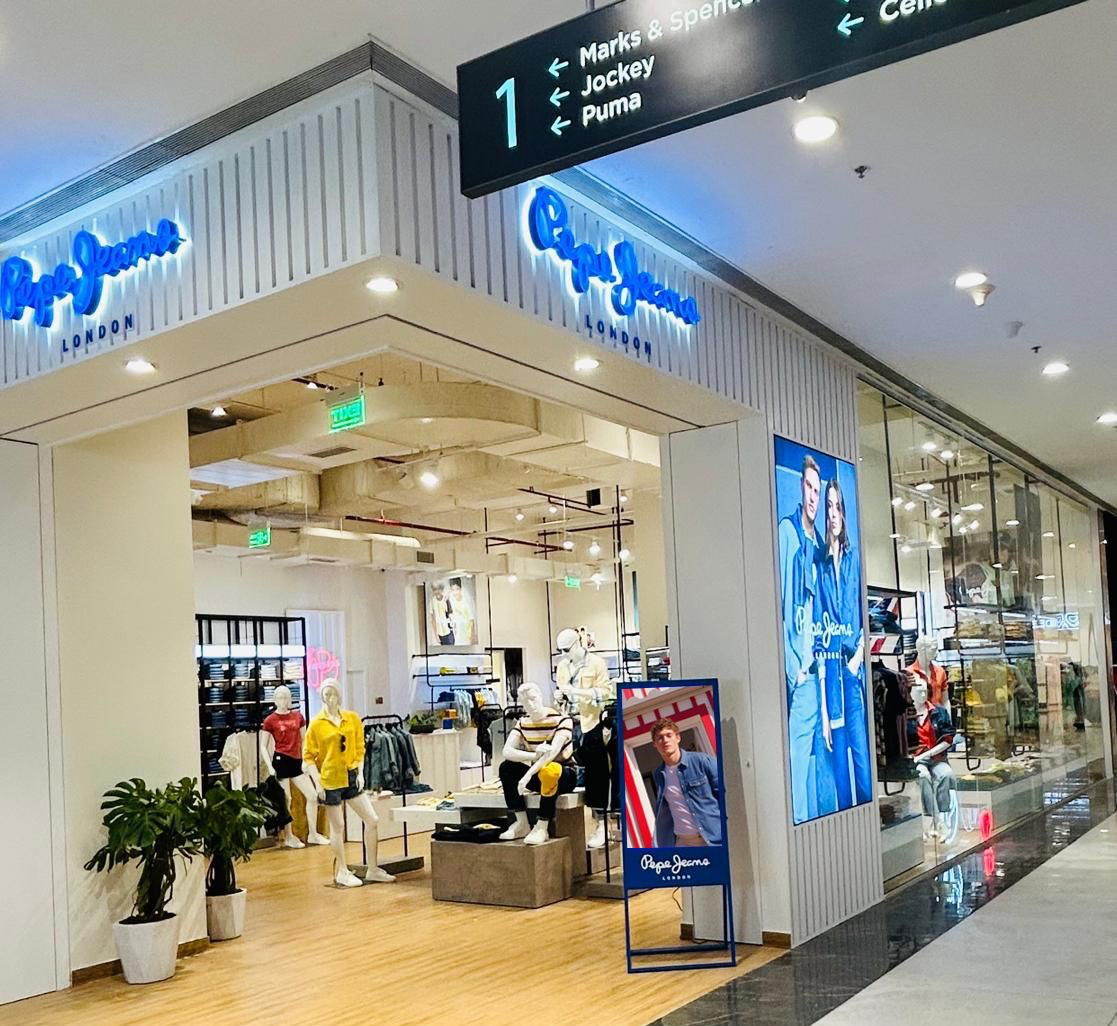
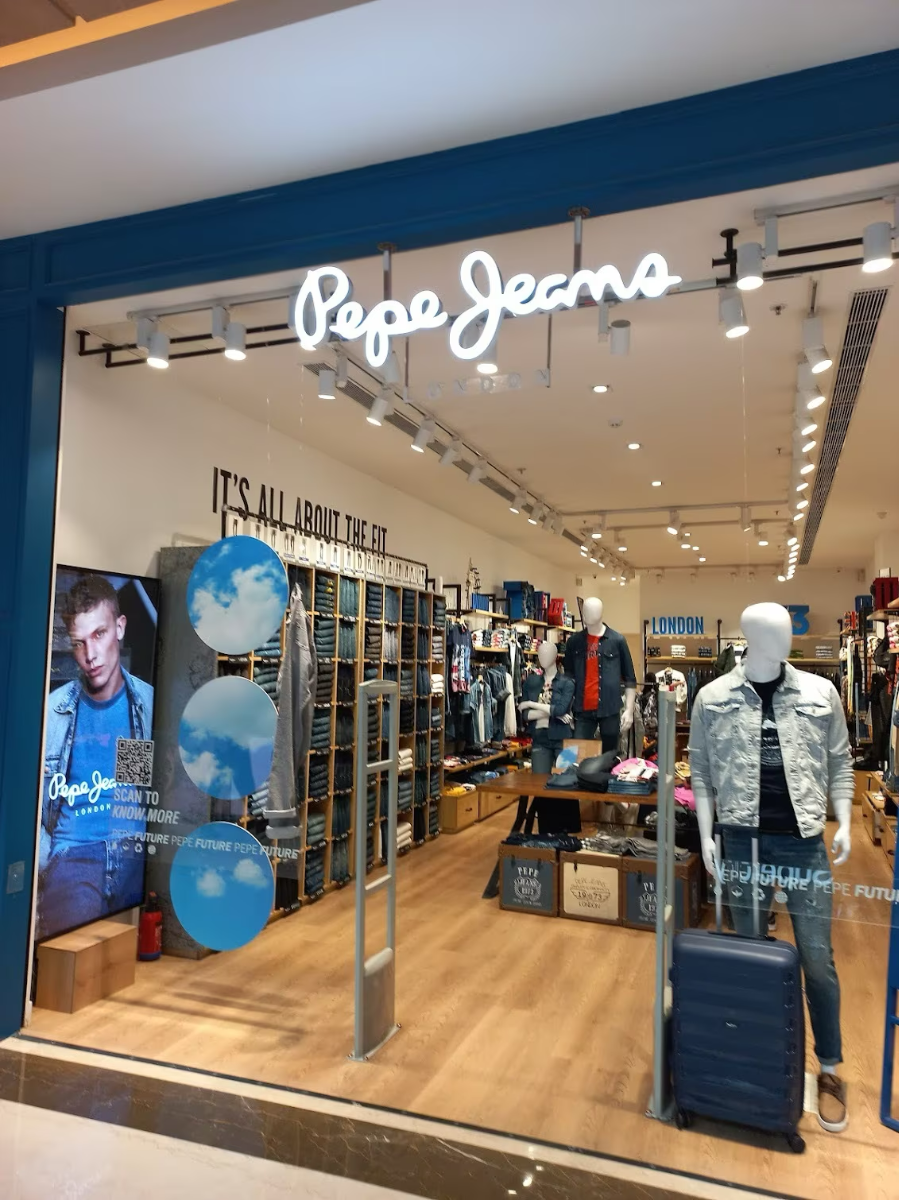
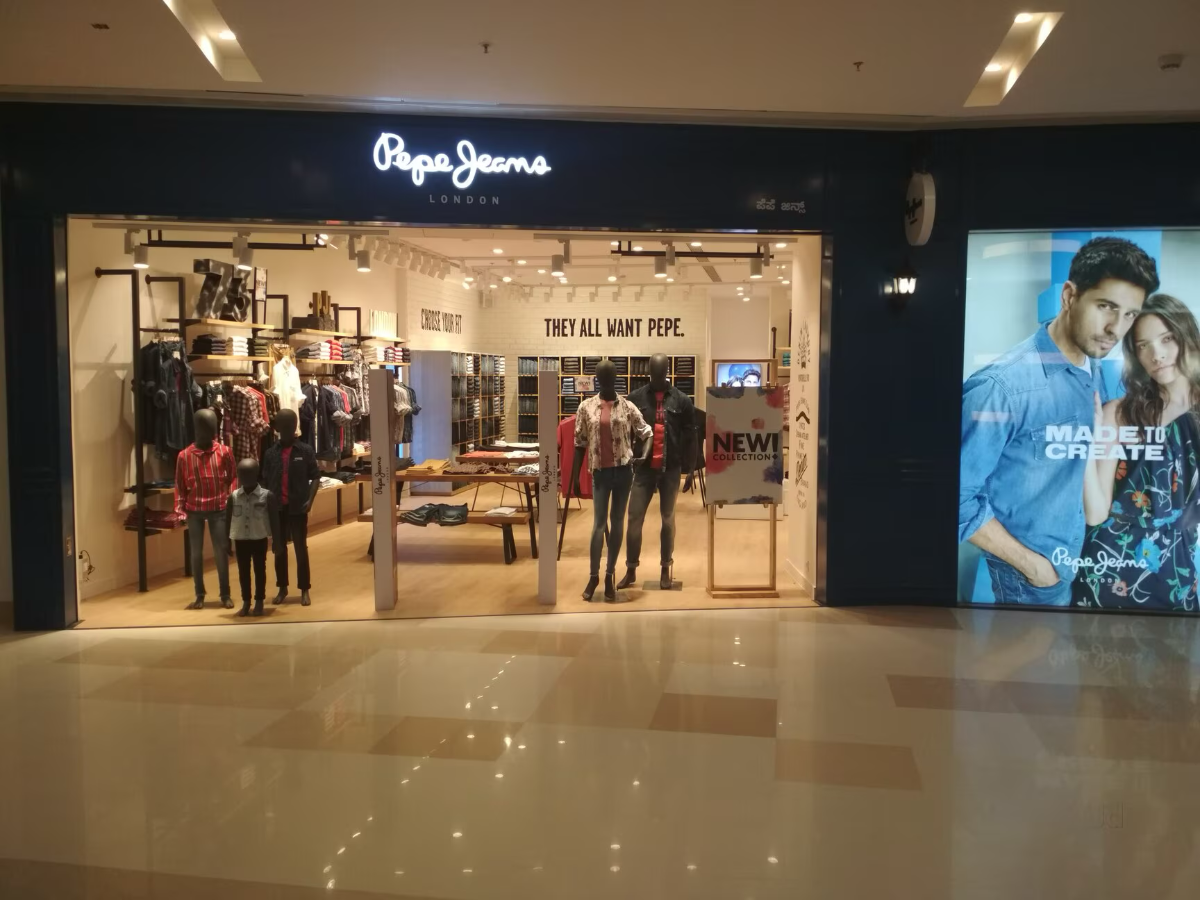
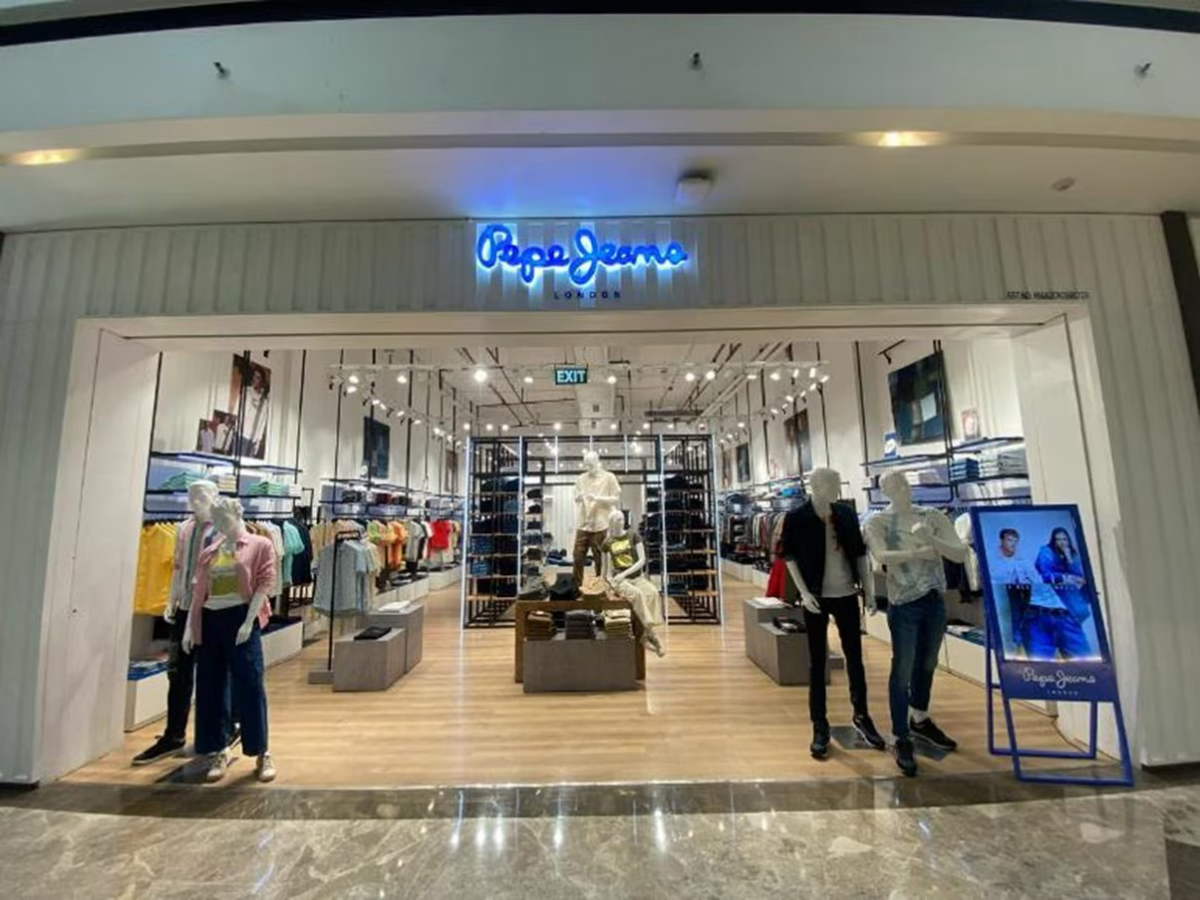
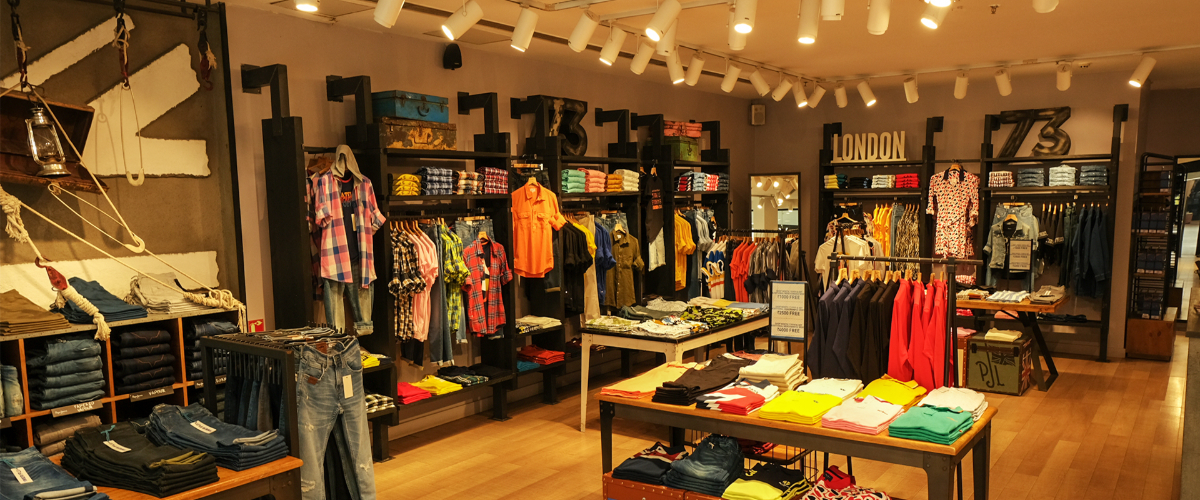
Pepe Jeans franchisees procure inventory from ABFRL's distribution network at parent-set wholesale rates. The parent company controls product sourcing, design, and quality standards for the Pepe brand globally; franchisees do not source independently. Markdown risk and unsold inventory are typically absorbed by the franchisee—a standard model in apparel retail franchises. Franchisees operate fixed-format exclusive stores (1000 sqft), ensuring brand consistency in presentation and inventory mix across the network.
Demand & growth signals
Casualwear and denim demand in India shows moderate seasonality. Peak selling periods align with festival seasons (Diwali, back-to-school) and winter months when denim demand rises. Summer typically sees softer traffic. Because Pepe Jeans is a discretionary apparel category—not daily-need like groceries or medicines—revenue depends on consumer discretionary spending and fashion cycles. Franchise performance will fluctuate with macro retail sentiment and local foot traffic patterns. Pepe Jeans operates 200 stores across India as part of ABFRL's portfolio, indicating an established retail presence in the casual-wear segment. The brand was founded in 1973 and has built recognition in denim and casualwear globally. India's organised apparel retail sector has grown steadily, though competition from both branded and unbranded players remains intense. The 200-store footprint reflects measured expansion rather than rapid scaling, suggesting a focus on profitable store economics over rapid network growth.
Operating Locations
Market position · peer cohort
Pepe Jeans holds a focused footprint with customer response in the cohort's middle band.
Mapped against 8 verified peers sharing its industry and store format — network breadth across, observed customer response up. Qualitative bands, relative to this cohort. Tags show how each network is run.
 Pepe Jeansfranchise-owned
 Manyavarfranchise-owned
 Raymondfranchise-owned
 FabIndiafranchise-owned
 Westsidecompany-operated
 Snitchfranchise-owned
 Levi'sfranchise-owned
 Zudiofranchise-owned
 Aureliafranchise-owned
| Brand | Breadth | Response |
|---|---|---|
| Pepe Jeansfranchise-owned |
Focused | Middle |
| Raymondfranchise-owned |
Broad | Middle |
| Zudiofranchise-owned |
Growing breadth | Softer |
| Westsidecompany-operated |
Focused | Softer |
+ 5 more peers in the full cohort · all shown on the map above
How this is built. Positions come from source-verified records in the FRANticc dataset — India's provenance-first franchise data platform. Every figure is traceable to a named source, tiered S1 (brand-official) to S7 (estimated, labelled as such). Network positions use only store counts with a documented source; customer response is the review-count-weighted average of documented Google review samples across Indian states. Brands whose network totals conflict across sources are excluded from the map rather than plotted — FRANticc fails closed on bad data. Not an investment recommendation.
Is actually the right fit for you?
BrandFit asks 6 visual questions about your operator profile, capital, location, and risk appetite — then ranks all 234 brands by predicted success-fit for your specific situation. shows up where it actually fits, not just where it can afford.
Run BrandFit on my situation