How do Pepe Jeans franchisees make money?
Franchisees earn through retail markup on denim and casual apparel. They purchase inventory from ABFRL at wholesale rates and sell at retail, capturing a 35–45% gross margin. With zero royalty charges, franchisees retain the full margin contribution to cover store costs and profit. Accessories and complementary products provide secondary revenue.
What is the Pepe Jeans franchise cost?
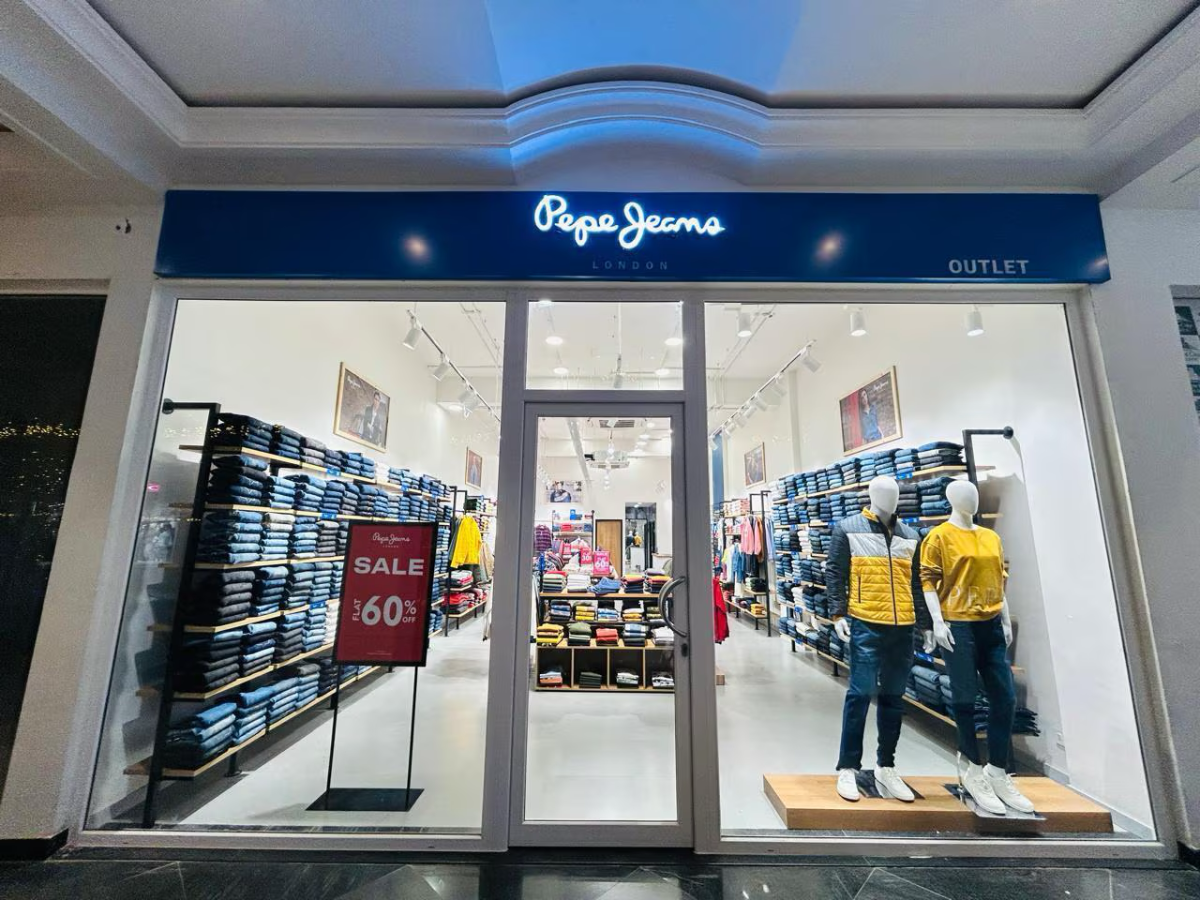
Total investment is approximately ₹86 lakh: ₹80 lakh minimum capex (store fit-out, fixtures, initial inventory) plus ₹6 lakh franchise fee. Store format is 1000 sqft exclusive retail.
What revenue streams does a Pepe Jeans franchisee have?
Primary revenue comes from denim and casual apparel sales at 35–45% gross margin. Secondary revenue includes accessories and complementary products. No royalty is charged on sales.
Is Pepe Jeans franchise revenue seasonal or steady?
Casualwear retail is moderately seasonal. Demand peaks during festival seasons (Diwali, back-to-school) and winter months when denim sales are stronger. Summer typically sees softer traffic. Revenue depends on consumer discretionary spending and local foot traffic patterns.
Is Pepe Jeans actively franchising in India?
Yes, Pepe Jeans is actively franchising in India under ABFRL (Aditya Birla Fashion and Retail Limited). The brand operates 200 stores across the country and accepts qualified franchisees for exclusive store formats in Tier 1 and Tier 2 cities. Franchise applications are managed through the official Pepe Jeans website, and the brand maintains a structured approval process for new store locations.
What is the minimum investment required for a Pepe Jeans franchise?
The minimum total investment for a Pepe Jeans exclusive store is ₹86 lakh, comprising ₹80 lakh for store capex (fit-out, fixtures, initial inventory) and ₹6 lakh franchise fee. Additionally, you should have ₹25 lakh in working capital to manage initial operations and inventory replenishment. This total covers a 1,000 sqft store format in approved mall or high-street locations.
Does Pepe Jeans charge royalty on franchise sales?
No, Pepe Jeans charges zero royalty on franchise sales. Franchisees earn and retain the full 35–45% gross margin on apparel sold, without percentage-based fee deductions. Instead, franchisees contribute 3% to a marketing fund for brand-level advertising and promotional campaigns. This royalty-free structure is unusual in retail franchising and rewards inventory and store management discipline.
How much space does a Pepe Jeans franchise store require?
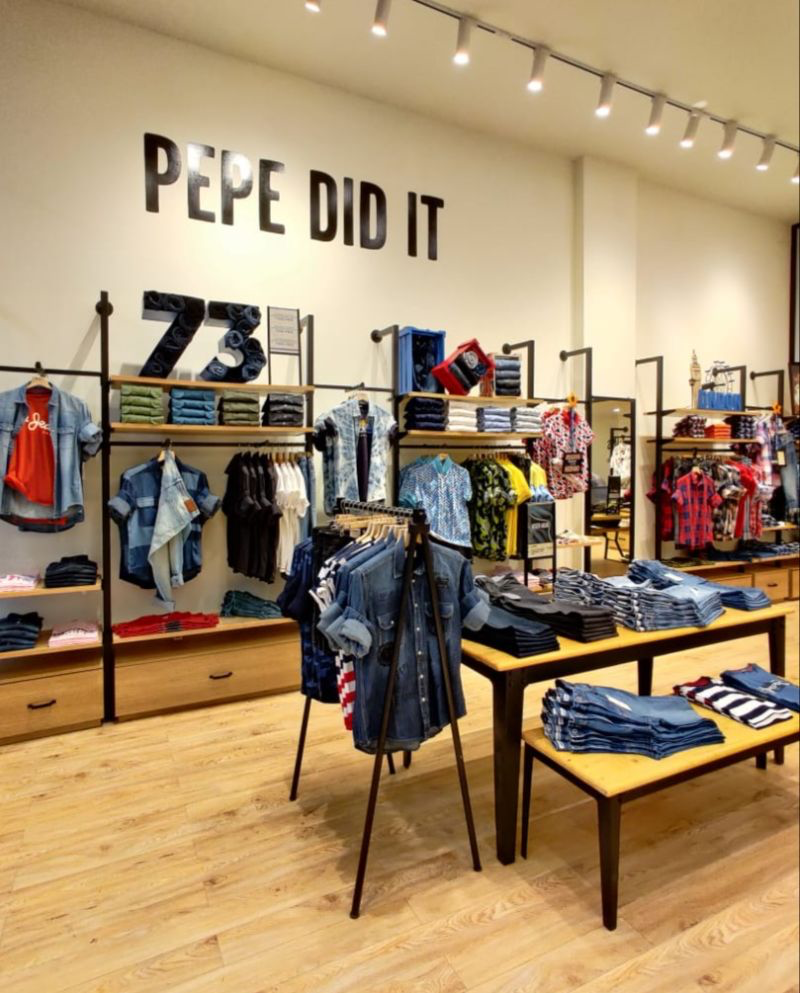
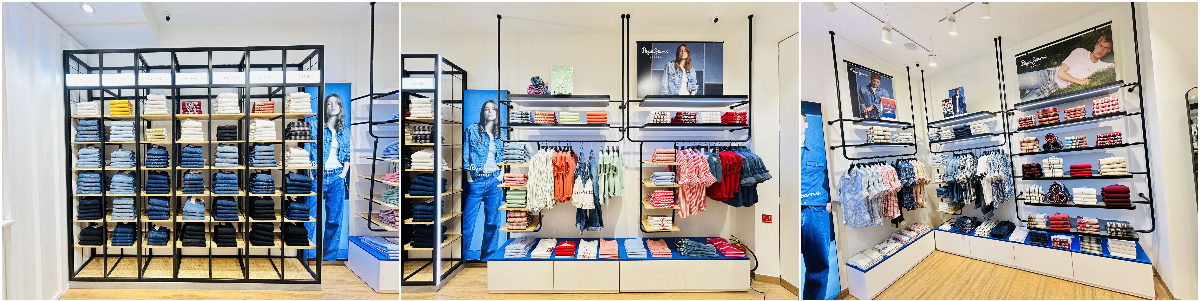
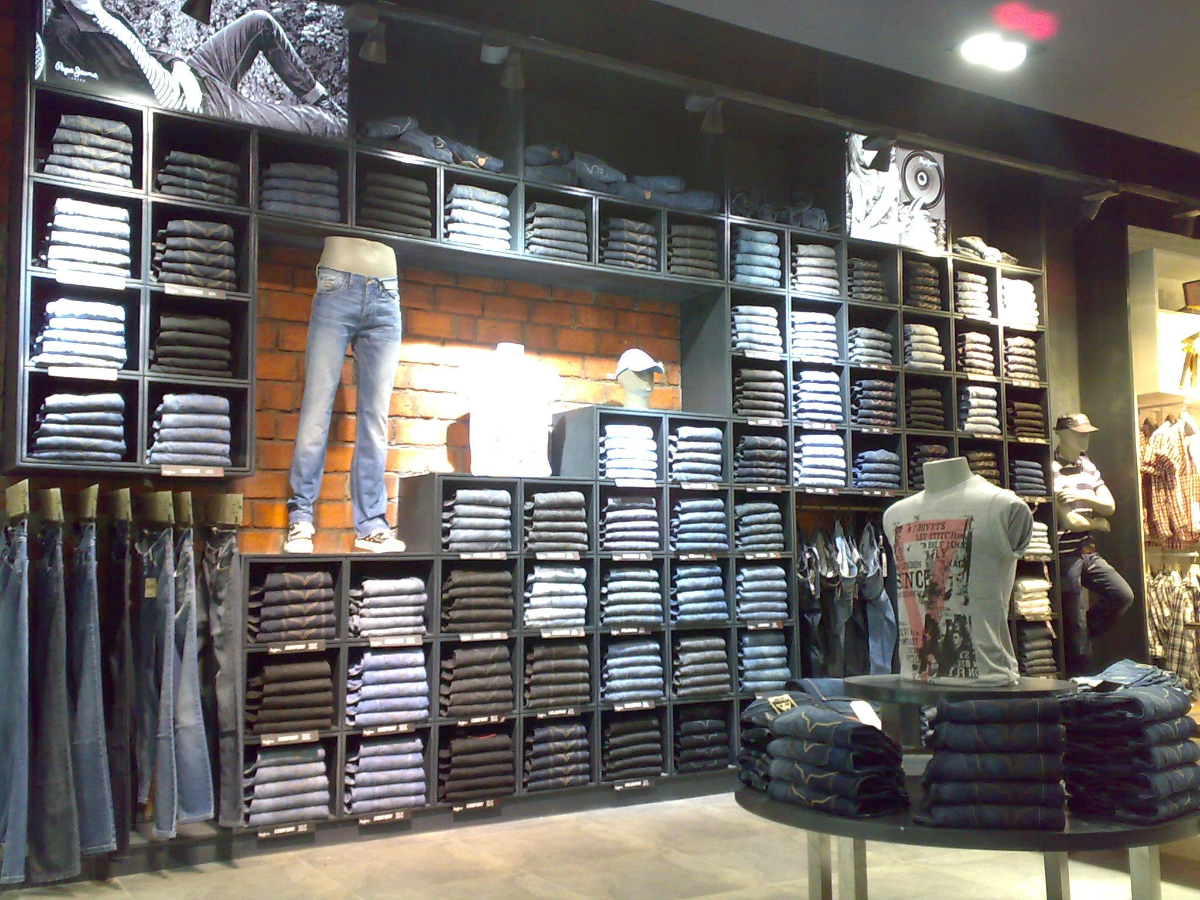
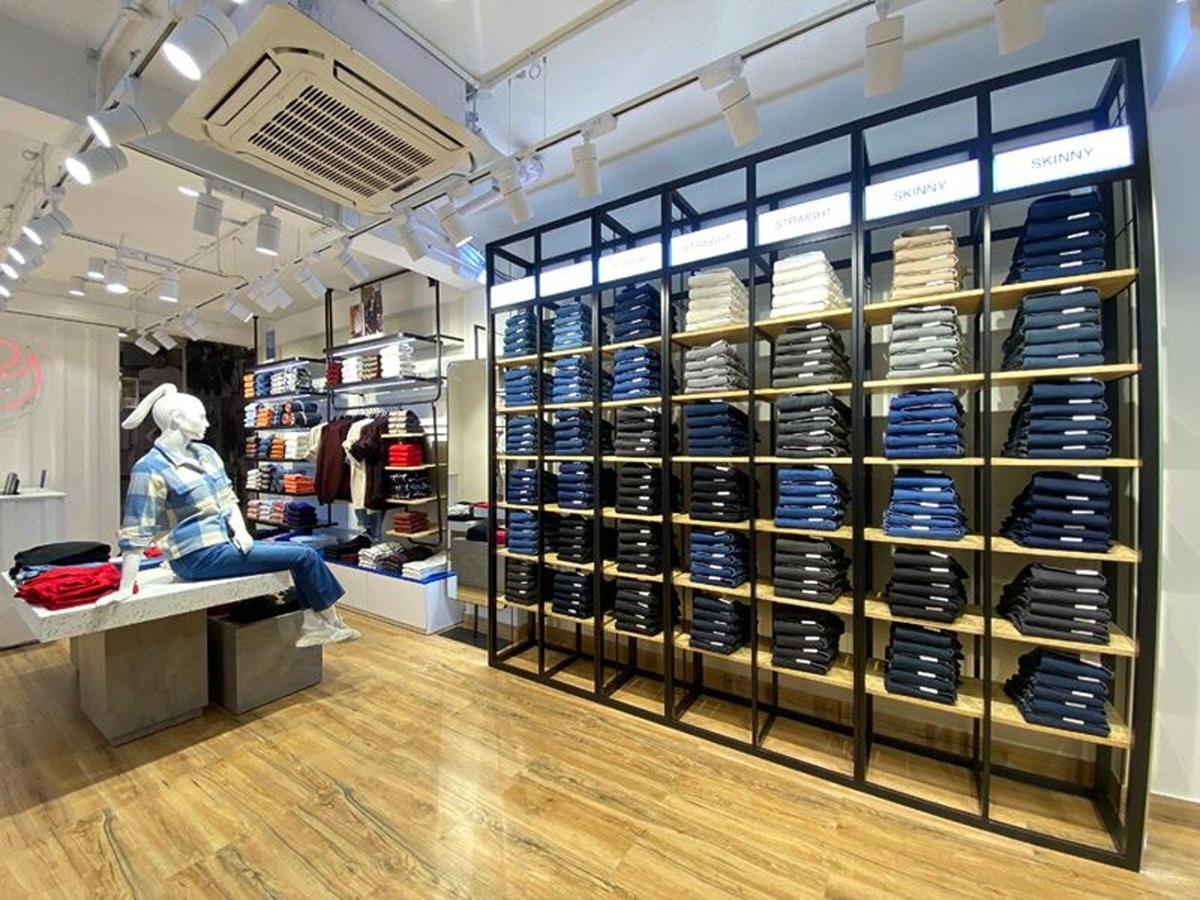
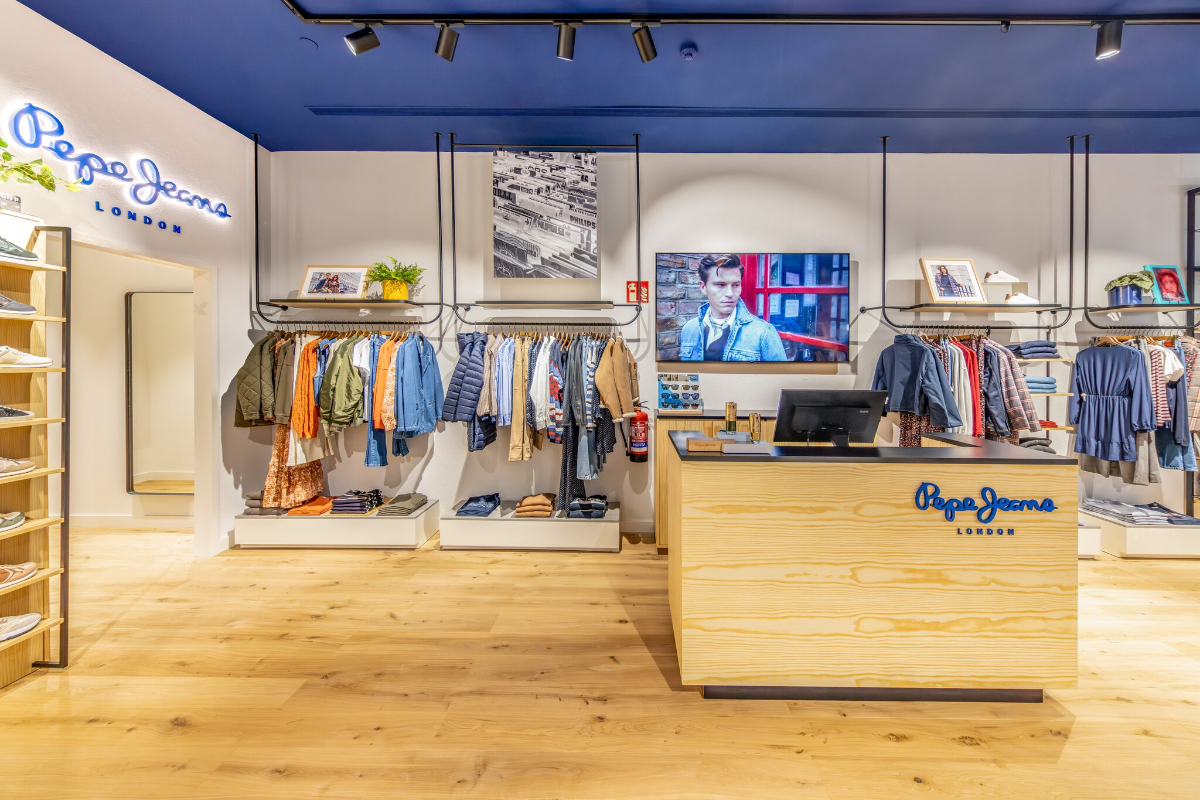
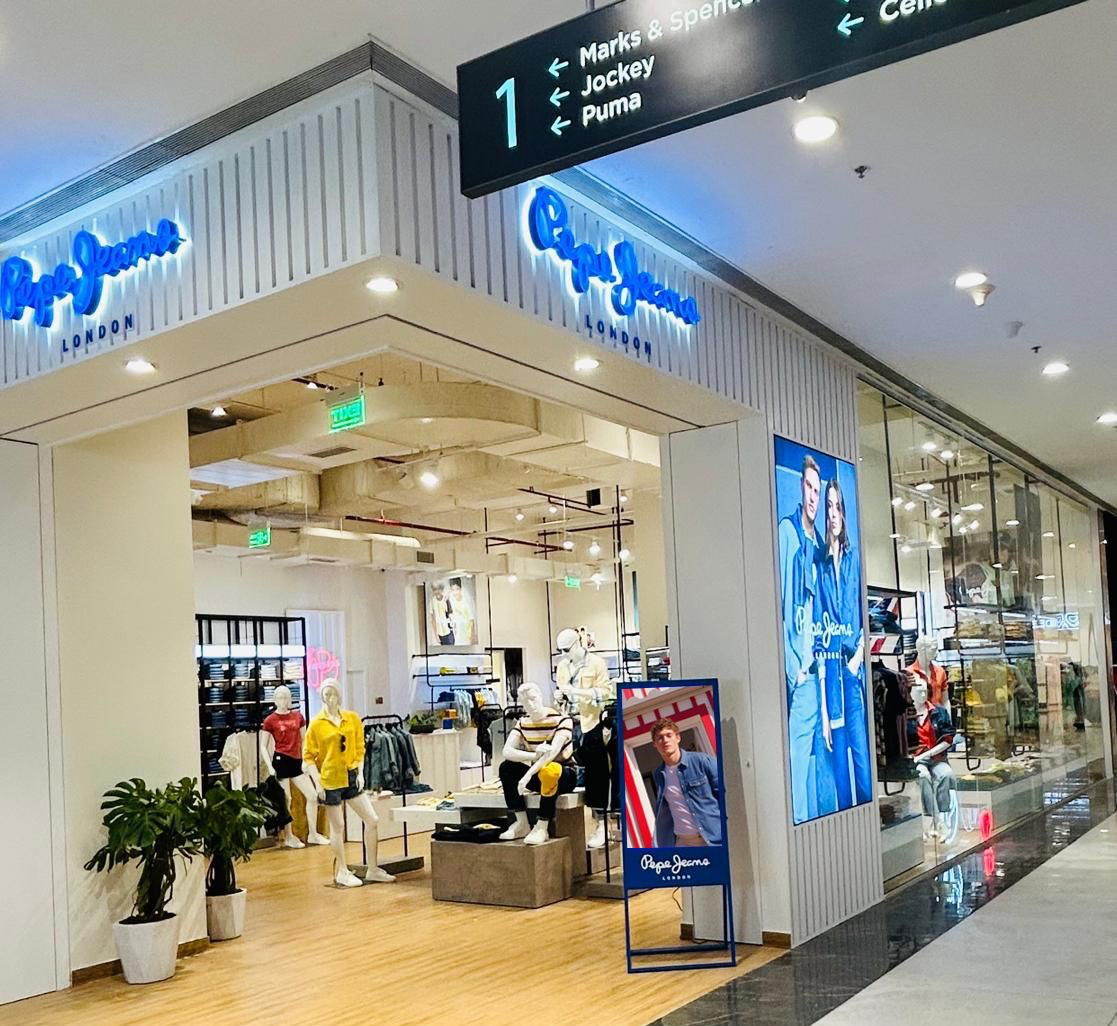
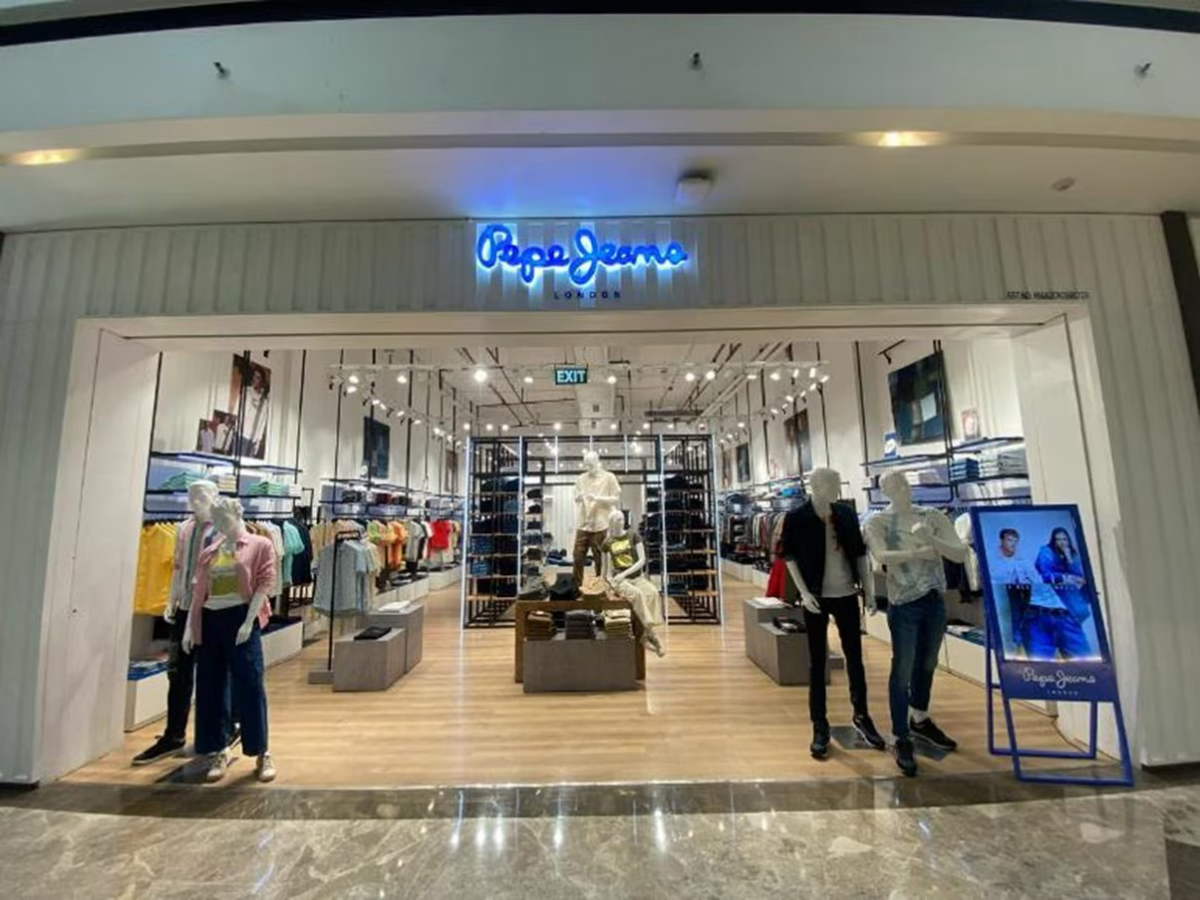
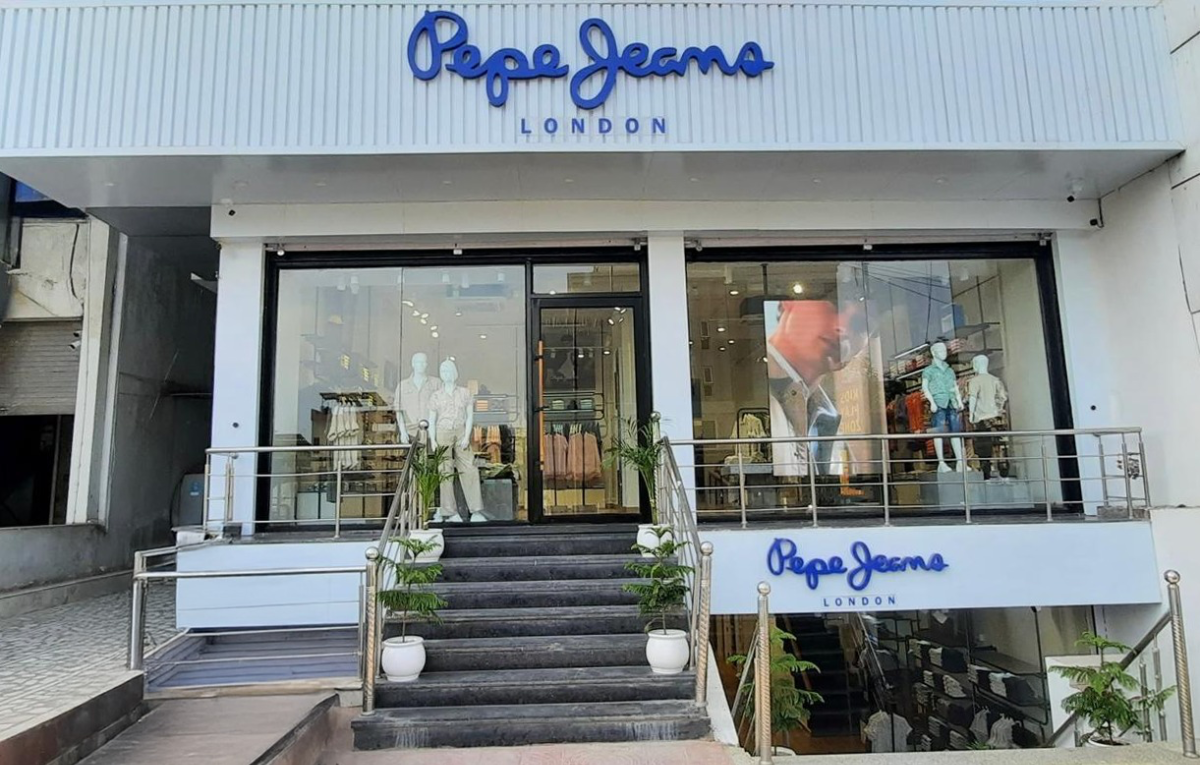
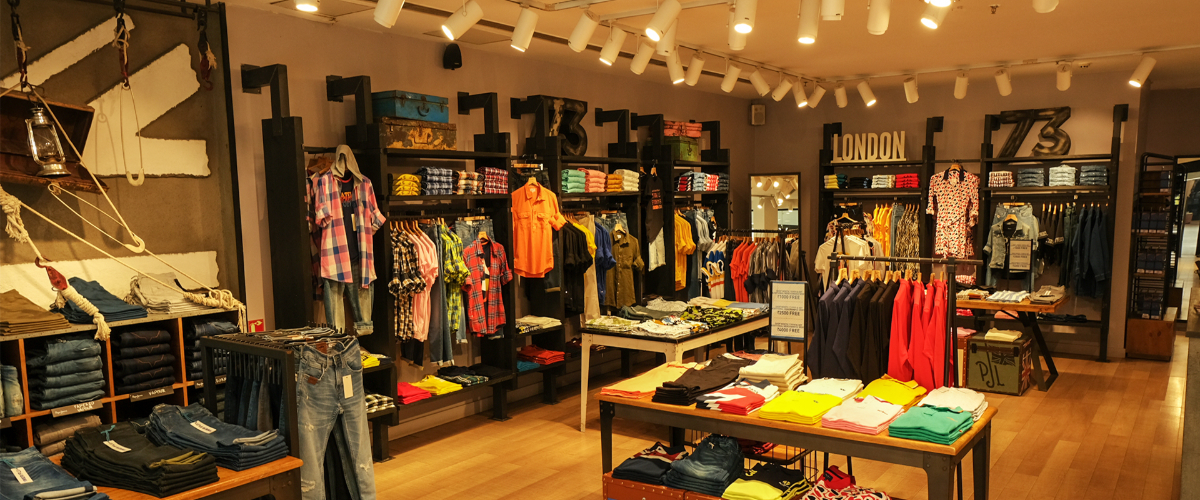
A Pepe Jeans exclusive store requires a minimum of 1,000 sqft of retail space, with approved formats extending to 1,200 sqft in some locations. The brand mandates this fixed format to maintain consistent brand presentation, visual merchandising standards, and adequate inventory display across denim and casual apparel categories. Locations must be in Tier 1–2 cities, preferably in malls or premium high-street zones.
What is the training period for a Pepe Jeans franchisee?
Pepe Jeans provides 7 days of structured training for franchisees and their key staff. Training covers retail operations, visual merchandising, inventory management, point-of-sale systems, and brand standards compliance. The 7-day program is designed to equip new store teams with foundational knowledge before the store opening, ensuring consistent execution across the Pepe network.
How hands-on does a Pepe Jeans franchisee need to be?
Pepe Jeans franchisees must maintain a 'Medium' involvement level, meaning active operational oversight is expected. While the franchise does not require full-time owner presence, franchisees are responsible for day-to-day store management, staff supervision, inventory control, and customer service standards. Absentee ownership or passive investment approaches typically underperform due to the margin-sensitive nature of apparel retail.
What inventory and stock control challenges do Pepe Jeans franchisees face?
Pepe Jeans franchisees operate under a centralized supply model: ABFRL controls all product sourcing, design, and wholesale pricing, while franchisees bear markdown and obsolescence risk on unsold inventory. To maintain the 35–45% gross margin, franchisees must achieve strong inventory turnover—typically requiring at least 3-4 turns per year across denim and casual categories. Poor stock selection or seasonal misjudgement directly erodes store profitability.
Can a Pepe Jeans franchisee source inventory from other suppliers?
No, Pepe Jeans franchisees must source all inventory exclusively from ABFRL's centralized distribution network. Independent sourcing is not permitted. This ensures brand consistency in product quality, design, and pricing across all stores. Franchisees purchase at ABFRL-set wholesale rates and have no negotiating power on unit costs, making inventory turn discipline critical to profitability.
How long is a Pepe Jeans franchise agreement and can it be renewed?
Pepe Jeans franchise agreements run for 5 years with renewal rights, meaning franchisees can apply to extend operations after the initial term. Renewal is subject to store performance, compliance with brand standards, and mutual agreement with the franchisor. This structure provides medium-term stability while allowing ABFRL to periodically reassess franchisee suitability and brand-fit.
What is the franchise relationship structure at Pepe Jeans?
Pepe Jeans operates on a FOFO (Franchise Owned, Franchise Operated) model, meaning you own the store business and operate it directly. Unlike agency or commission models, you assume full P&L responsibility, manage all operating costs, and retain all margin contribution. This ownership structure aligns franchisee and brand incentives toward profitable store economics.
Are there exclusive territory rights with a Pepe Jeans franchise?
Yes, Pepe Jeans grants exclusive city or zone territory rights to franchisees. This protects you from competing Pepe stores cannibalizing your market within the defined territory. Territory exclusivity is standard in apparel retail franchising and encourages franchisees to invest in local brand building and customer loyalty without internal brand competition.
What makes Pepe Jeans different from other casual-wear franchises in India?
Pepe Jeans is backed by ABFRL, a Tier-1 retail conglomerate with operational expertise, supply-chain infrastructure, and access to capital that most independent apparel brands lack. The zero-royalty model is also unusual—most casual-wear franchises charge 4–6% royalty. However, Pepe's advantage comes with rigidity: centralized inventory sourcing and fixed store format (1,000+ sqft) demand higher capex and margin discipline than smaller, flexible competitors.