How do Rare Rabbit franchisees make money?
Rare Rabbit franchisees earn through retail sales of premium menswear—shirts, trousers, jackets, and accessories. They buy inventory at wholesale cost and sell at retail, targeting a 40–48% gross margin. After paying rent, staff, utilities, and other operational costs, franchisees typically achieve net profit margins of 20–30% on turnover.
What is the Rare Rabbit franchise cost?
The franchise fee is ₹10 lakhs. Total setup capex (store fit-out, fixtures, initial inventory, and working capital) ranges from ₹60 lakhs minimum, with some sources citing ₹20–30 lakhs for store setup alone. Total initial investment typically ranges ₹60–100 lakhs. There is no ongoing royalty charged.
What revenue streams does a Rare Rabbit franchisee have?
A single primary revenue stream: menswear retail sales (shirts, trousers, jackets, accessories) at wholesale-to-retail margin. Rare Rabbit does not offer food, services, diagnostics, or other business lines to franchisees. Revenue depends entirely on in-store apparel sales.
Is Rare Rabbit franchise revenue seasonal or steady?
Premium menswear retail is moderately seasonal. Demand typically peaks during festivals (Diwali, Holi), wedding seasons, and corporate gifting periods. Urban discretionary spending also fluctuates with economic cycles. Individual store performance is location-dependent; revenue is not inherently stable across all months.
Is Rare Rabbit actively franchising in India?
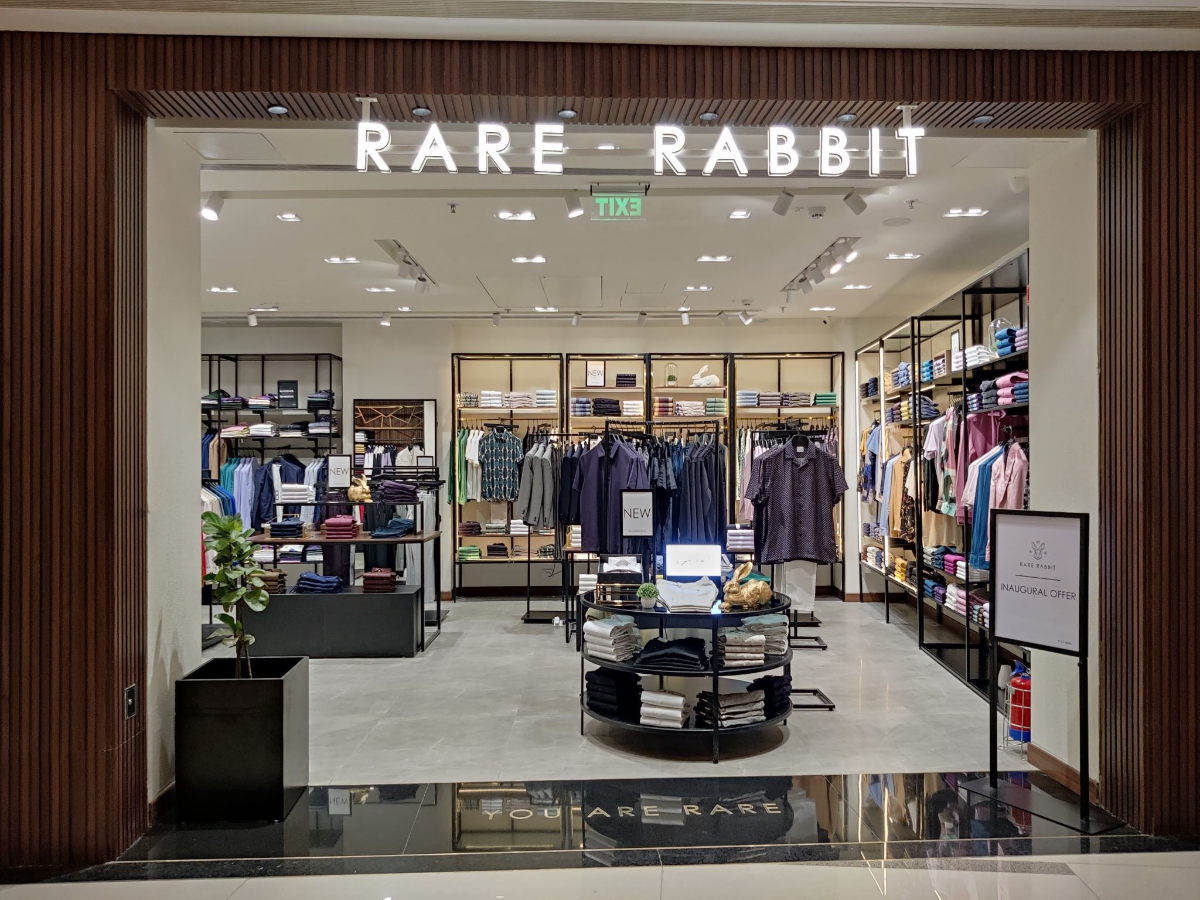
Yes, Rare Rabbit is actively franchising in India. The brand, founded in 2015 by Moda Internationale, operates approximately 100 stores across the country and continues to onboard franchisees through its exclusive store format. Rare Rabbit targets Tier 1–2 malls and high streets in cities where mid-to-upper income professionals concentrate, making it a selective but open franchise opportunity for retail operators.
What is the minimum investment required to open a Rare Rabbit franchise?
The total minimum investment for a Rare Rabbit franchise is ₹60 lakh. This comprises a franchise fee of ₹10 lakh, store fit-out and fixtures (approximately ₹30–45 lakhs), and initial working capital of ₹15 lakh. The exact outlay will vary based on your chosen location's rental rates, design preferences, and inventory stocking strategy. Most franchisees should budget ₹60–100 lakhs for full operational readiness.
Does Rare Rabbit charge royalty to franchisees?
No, Rare Rabbit does not charge royalty or marketing fund contributions to franchisees. The brand's revenue model is margin-based: Rare Rabbit earns through wholesale supply to franchisees, aligning the parent company's success directly with franchisee profitability. This zero-royalty structure is uncommon in Indian retail franchising and reflects confidence in the franchisee's ability to drive volume.
How much retail space is required for a Rare Rabbit franchise store?
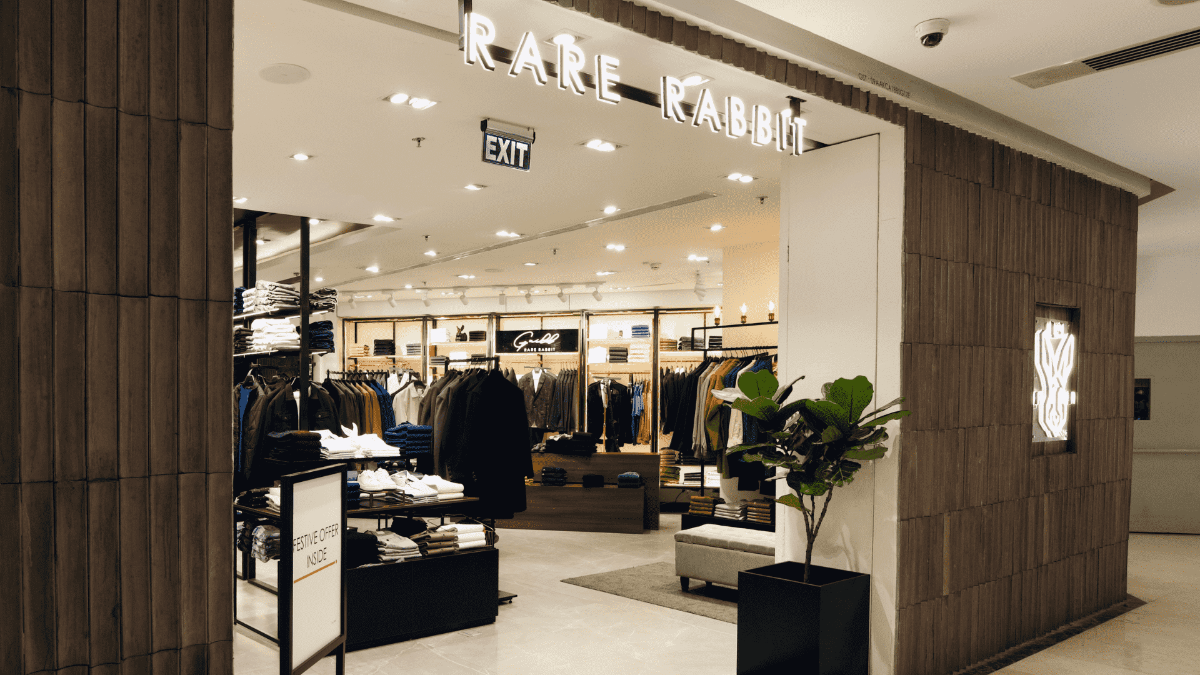
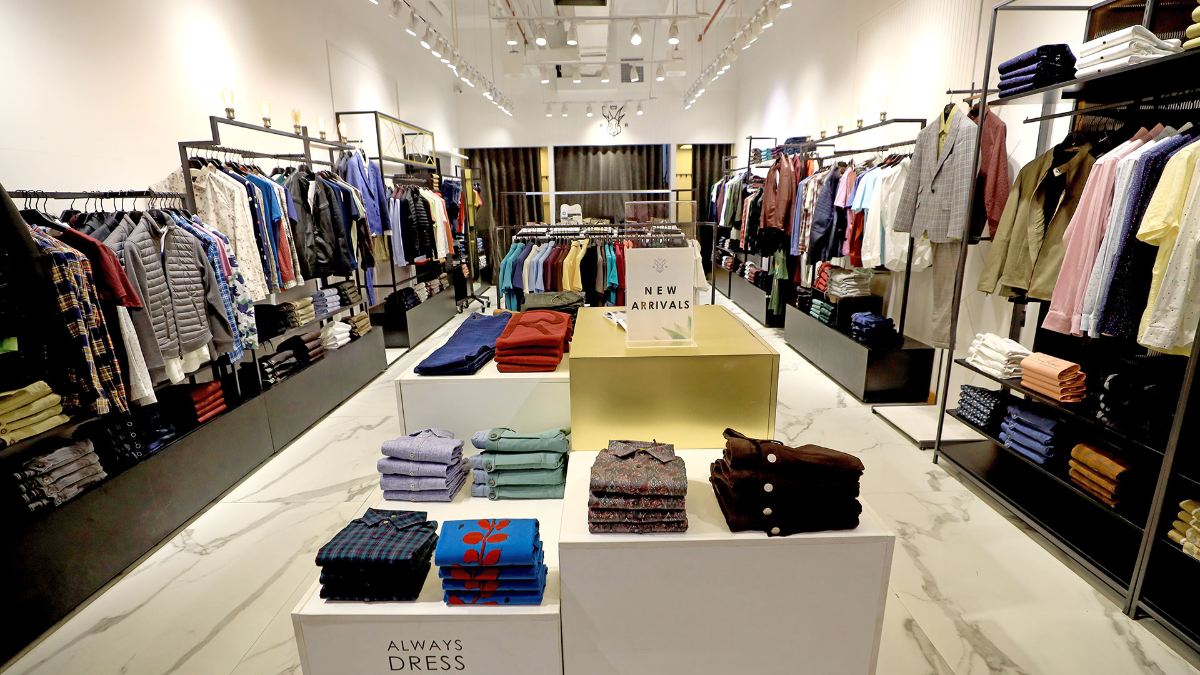
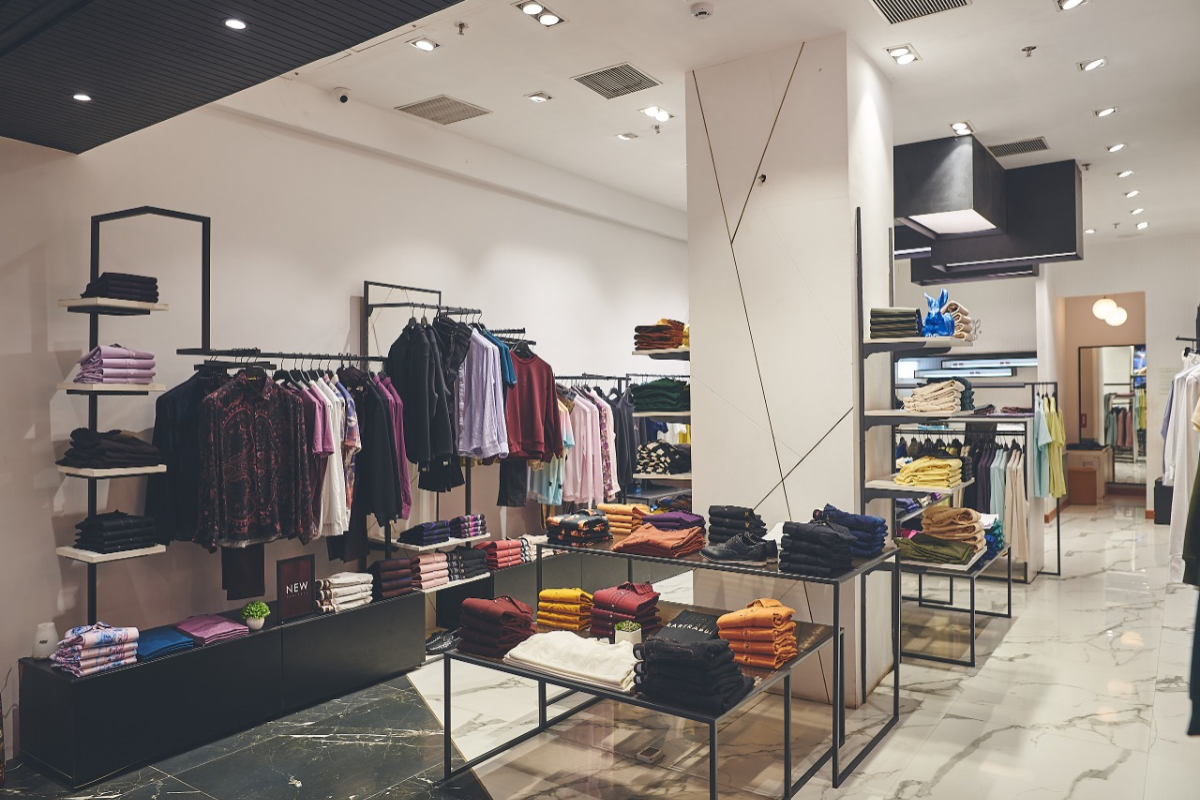
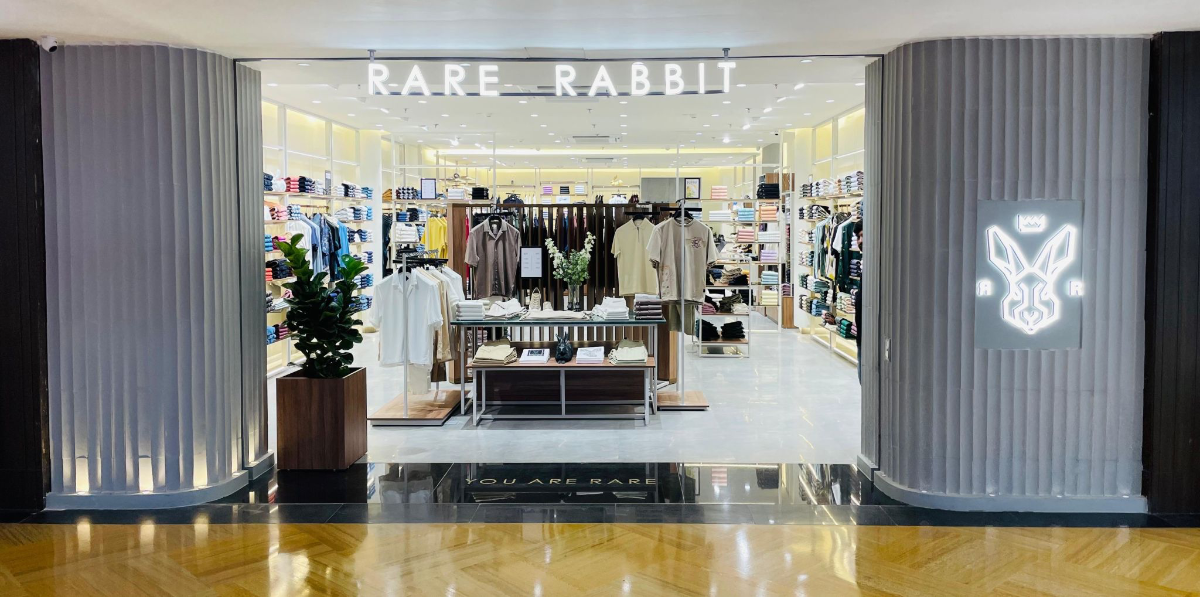
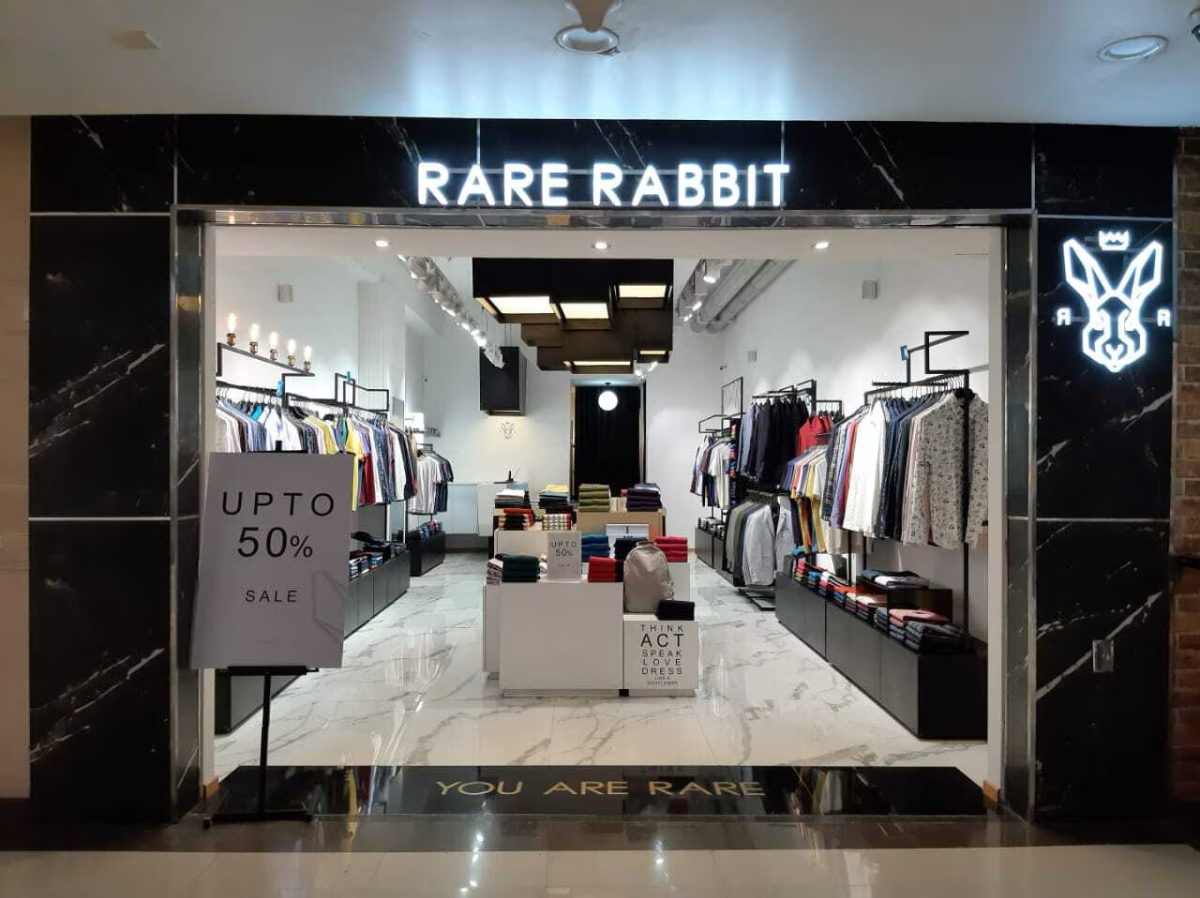
A Rare Rabbit exclusive store requires a minimum of 1,200 sqft of retail space. The brand approves locations in Tier 1–2 malls and high streets where foot traffic patterns align with professional and aspirational consumer demographics. Approved territory formats typically range 500–800 sqft for smaller outlets, though the full-format exclusive store operates at 1,200 sqft to showcase the complete menswear collection.
What training and support does Rare Rabbit provide to new franchisees?
Rare Rabbit provides 5 days of initial training to franchisees and their teams. The training covers brand positioning, customer service standards, inventory management, and retail operations specific to premium menswear retail. Given the moderate owner-involvement level required (M-level), franchisees are expected to actively oversee day-to-day operations and staff management, with Rare Rabbit's support focused on foundational systems rather than ongoing hands-on management.
What gross margin can a Rare Rabbit franchisee expect?
Rare Rabbit franchisees operate with a gross margin of 40–48% on retail menswear sales. This margin is calculated as the difference between wholesale cost paid to the parent company and retail selling price. After deducting operational expenses—rent, staff salaries, utilities, local marketing, and inventory shrinkage—franchisees typically realize net profit margins of 20–30% on turnover, depending on location efficiency and local cost structure.
How many Rare Rabbit stores are currently operating in India?
Rare Rabbit operates approximately 100 stores across India as of the latest count. The brand has scaled steadily since its 2015 founding, establishing presence primarily in Tier 1–2 cities and established shopping destinations. This store network demonstrates sustained demand for curated, mid-to-premium menswear among urban, professional consumers.
What is the owner involvement level required to run a Rare Rabbit franchise?
Rare Rabbit requires moderate (M-level) owner involvement. As the franchisee, you are expected to actively participate in day-to-day store operations, staff management, customer engagement, and local marketing initiatives. The business is not fully passive or hands-off; strong retail acumen and local market understanding directly impact store performance. Absentee ownership is not advisable for this format.
What makes Rare Rabbit different from other menswear franchises in India?
Rare Rabbit targets a specific gap in Indian retail: aspirational professionals who find luxury unattainable but fast fashion unacceptable. The brand's zero-royalty, margin-based revenue model aligns franchisee and parent-company incentives structurally. Additionally, Rare Rabbit sources domestically from Bangalore manufacturing, ensuring supply consistency and turnaround speed. The brand's selective location strategy—Tier 1–2 malls and high streets in cities with concentrated mid-to-upper income demographics—differentiates it from volume-focused apparel franchises.
Are there territory rights available for Rare Rabbit franchisees?
Yes, Rare Rabbit grants exclusive territory rights to franchisees. Territory exclusivity is typically defined within a 500–800 sqft geographic radius around your store location, protecting you from direct brand cannibalization in your immediate market. This exclusive arrangement is particularly valuable in high-street locations and mall food courts where foot traffic competition can be intense.
What are the location requirements for opening a Rare Rabbit franchise?
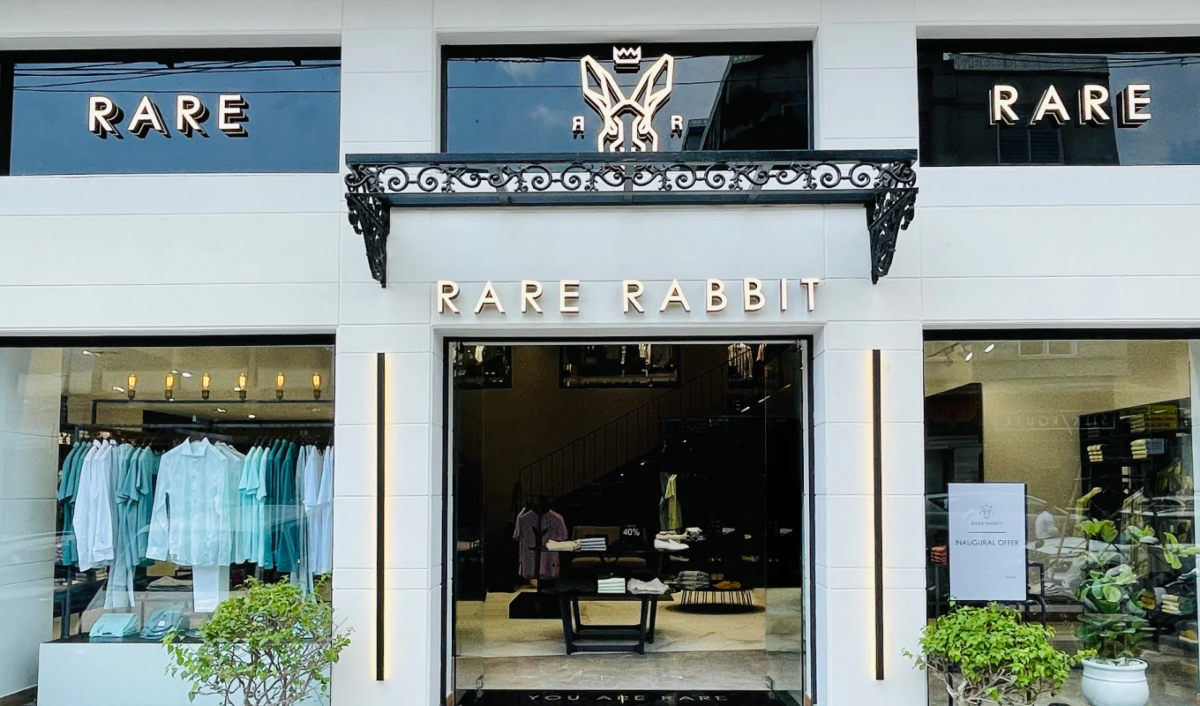
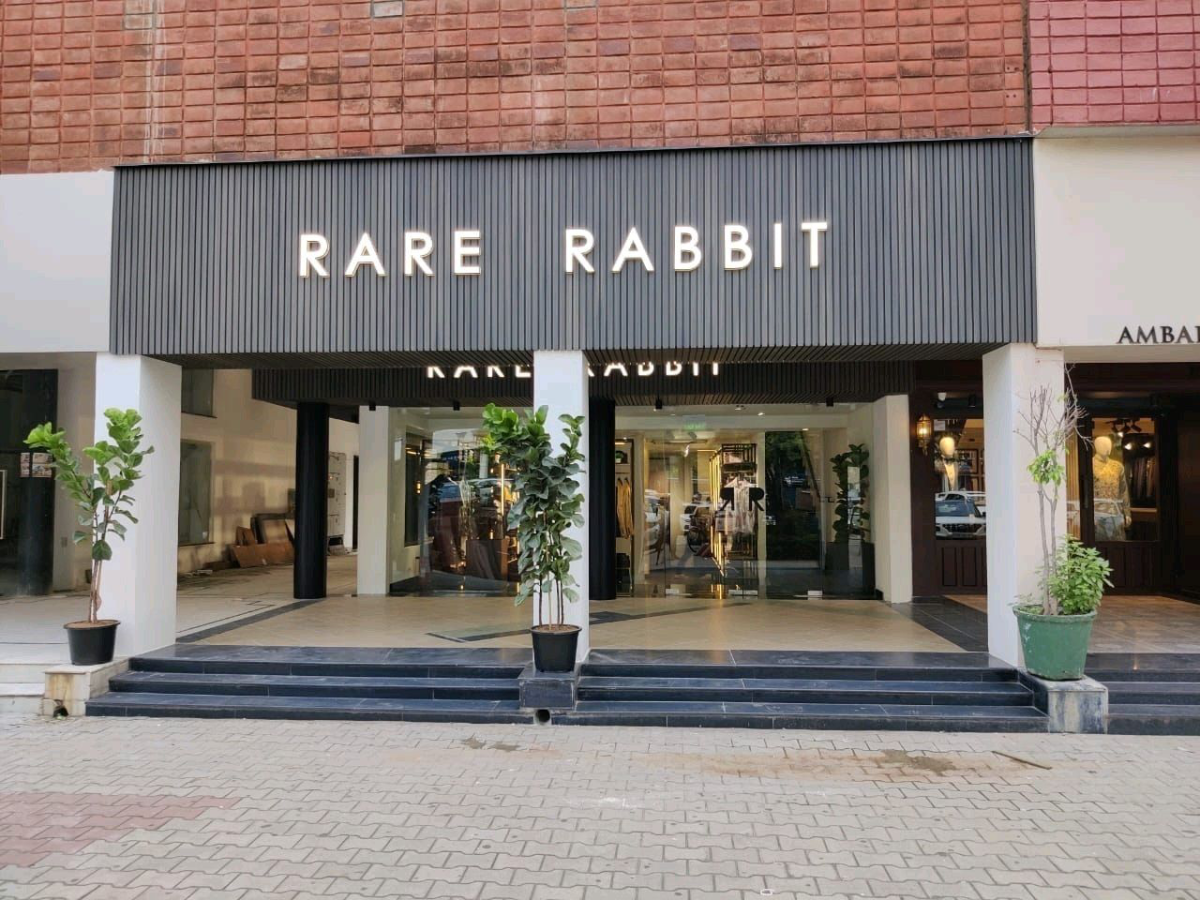
Rare Rabbit approves locations exclusively in Tier 1–2 malls and high streets—not in secondary markets, standalone buildings, or non-retail zones. Your catchment should demonstrate a concentration of mid-to-upper income professionals and discretionary apparel consumers. The brand emphasizes location quality over quantity, making real-estate selection critical to franchisee success and brand consistency.
How is inventory managed in a Rare Rabbit franchise?
Rare Rabbit franchisees procure inventory from the parent company at wholesale cost and assume responsibility for retail sales and inventory management. The brand's supply chain operates domestically from Bangalore manufacturing, ensuring consistent product quality and faster replenishment cycles. Franchisees absorb markdown risk on unsold inventory; however, specific details about return policies, inventory ownership, and sourcing flexibility should be clarified during your due-diligence process with the brand directly.