How do Royal Enfield franchisees make money?
Franchisees earn primarily from selling Royal Enfield motorcycles (7–8 lakhs monthly for mature outlets) and secondarily from service labor and spare parts sales (2–3 lakhs monthly). Merchandise and accessories form a minor tertiary stream. Revenue depends on parent-company allocation quotas, local demand, and showroom operational efficiency.
What is the Royal Enfield franchise cost?
Total investment for a full exclusive showroom and service outlet ranges from 1.2 to 1.6 crore rupees, covering infrastructure and interiors (80–100 lakhs), initial motorcycle inventory (20–30 lakhs), tools and equipment (10–15 lakhs), and working capital (10–15 lakhs). A smaller studio store format costs 40–55 lakhs. Franchise fee figures vary across sources; confirm directly with Royal Enfield.
What revenue streams does a Royal Enfield franchisee have?
Motorcycle sales (primary), service and spare parts work (secondary), and merchandise and accessories (tertiary). These are the verified revenue lines under the franchise agreement. Royal Enfield does not operate sister dealership brands or ancillary service franchises bundled into this contract.
Is Royal Enfield franchise revenue seasonal or steady?
Two-wheeler sales in India are seasonal, peaking during festivals (Diwali) and post-monsoon months, and dipping during monsoons. Service revenue is more consistent year-round. A mature franchisee should expect monthly fluctuation in bike sales but relatively stable servicing demand, creating a mixed revenue profile.
Does Royal Enfield charge royalty on franchise sales?
Royal Enfield charges zero royalty on motorcycle and service revenue. Instead, franchisees pay a 2% marketing fund contribution. This zero-royalty model means dealer economics depend almost entirely on vehicle sales margins, service labor, spare parts, and accessories rather than unit volume targets. Confirm the marketing fund percentage and any other periodic contributions directly with the franchisor before signing.
What is the minimum space required for a Royal Enfield franchise?
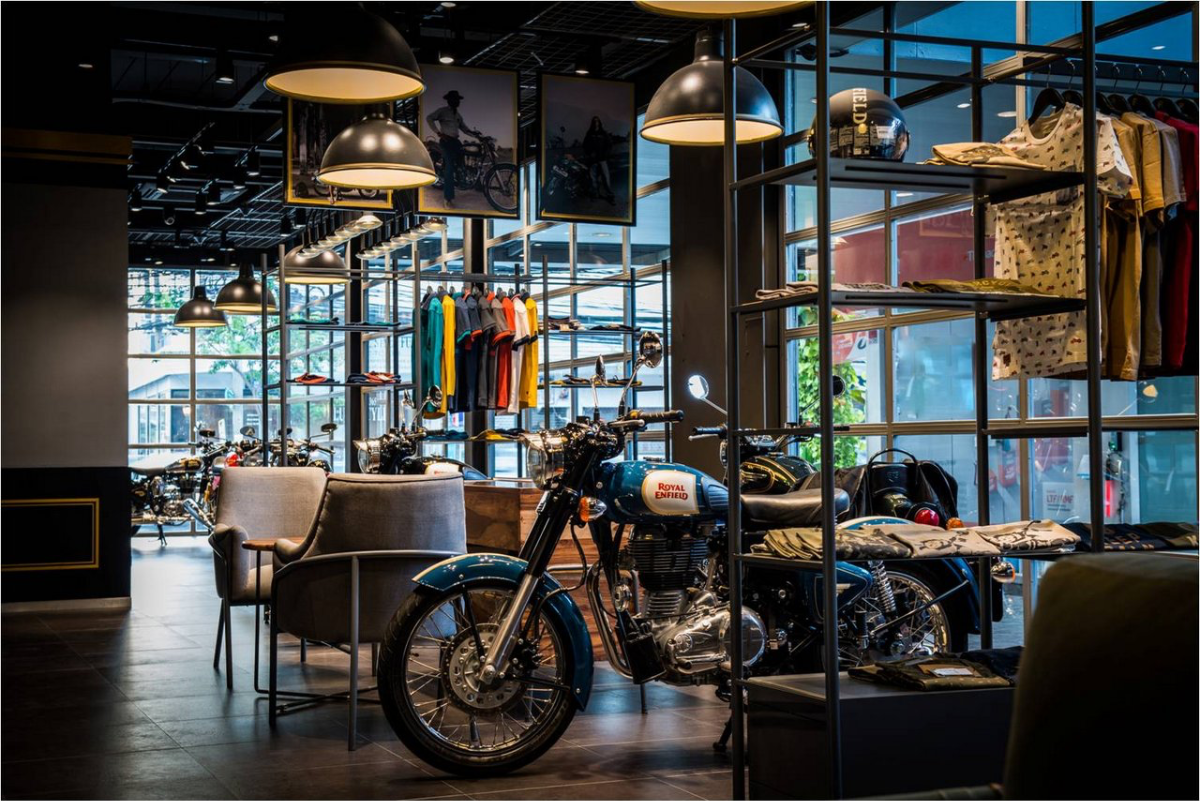
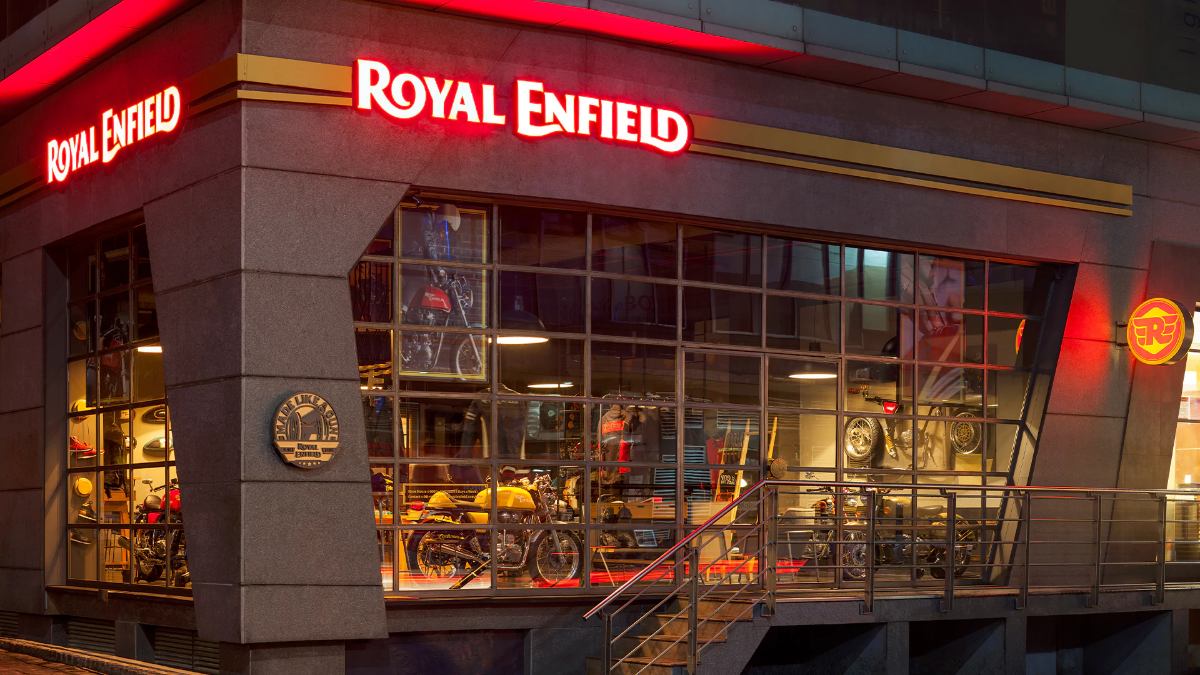
A full Royal Enfield exclusive showroom and service outlet requires a minimum of 4,000 square feet. This space must accommodate the showroom display floor, service bays, spare parts inventory, customer waiting area, and office. Smaller Studio Store formats for Tier-2 and Tier-3 cities have lower footprint requirements (typically 40–55 lakhs investment), but still need dedicated service capability. Location approval is required and Royal Enfield operates pan-India with exclusive territory rights.
What is the minimum investment to open a Royal Enfield franchise?
The minimum capital investment for a Royal Enfield franchise is ₹50 lakh, comprising infrastructure and interiors (primary cost), plus ₹25 lakh in working capital. Total capex for a full exclusive showroom typically ranges ₹1.2–1.6 crore when including initial motorcycle inventory (₹20–30 lakh), tools and equipment (₹10–15 lakh), and working capital reserves. Studio Store formats in smaller cities require ₹40–55 lakh. Franchise fee is ₹0.
How much working capital does a Royal Enfield franchisee need?
Royal Enfield franchisees require a minimum of ₹25 lakh in working capital to manage inventory, operational expenses, and cash flow cycles. This covers initial spare parts stock, service consumables, staff payroll for the ramp-up phase, and contingency reserves. Working capital requirements vary by location maturity and local demand patterns; busier urban outlets may need higher reserves to manage seasonal fluctuations in two-wheeler sales.
What is the training period for a Royal Enfield franchise owner?
Royal Enfield provides 10 days of initial training for franchisees. Training covers sales processes, service operations, spare parts management, brand standards, and customer engagement protocols. The training equips owners and key staff to operate the dealership according to Royal Enfield's guidelines. Ongoing support and refresher training are typically available through the franchisor's dealer network.
How many Royal Enfield outlets operate in India?
Royal Enfield operates approximately 2,100 outlets across India, making it one of the largest two-wheeler dealership networks in the country. This includes full exclusive showrooms and service centers, as well as smaller Studio Store formats in Tier-2 and Tier-3 cities. The network reflects sustained expansion since the brand's founding in 1901, though geographic density varies by region.
What is the gross margin range for a Royal Enfield franchise?
Royal Enfield franchisees operate with gross margins between 5–12% across all revenue streams (motorcycle sales, service labor, and accessories). Vehicle margins typically fall in the 5–8% range, while service and spare parts margins can reach 25–40%. The wide margin range reflects differences in location maturity, customer mix, and operational efficiency. Accessory margins are significantly higher but depend on local purchasing power and customer engagement.
What franchise formats does Royal Enfield offer?
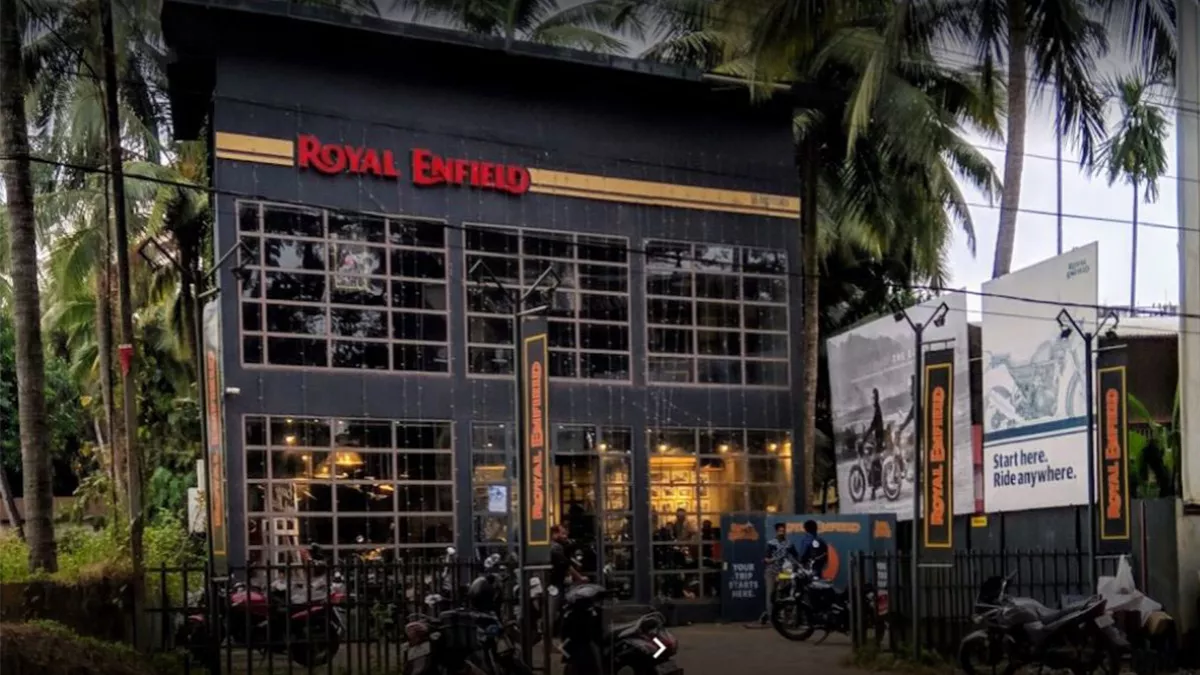
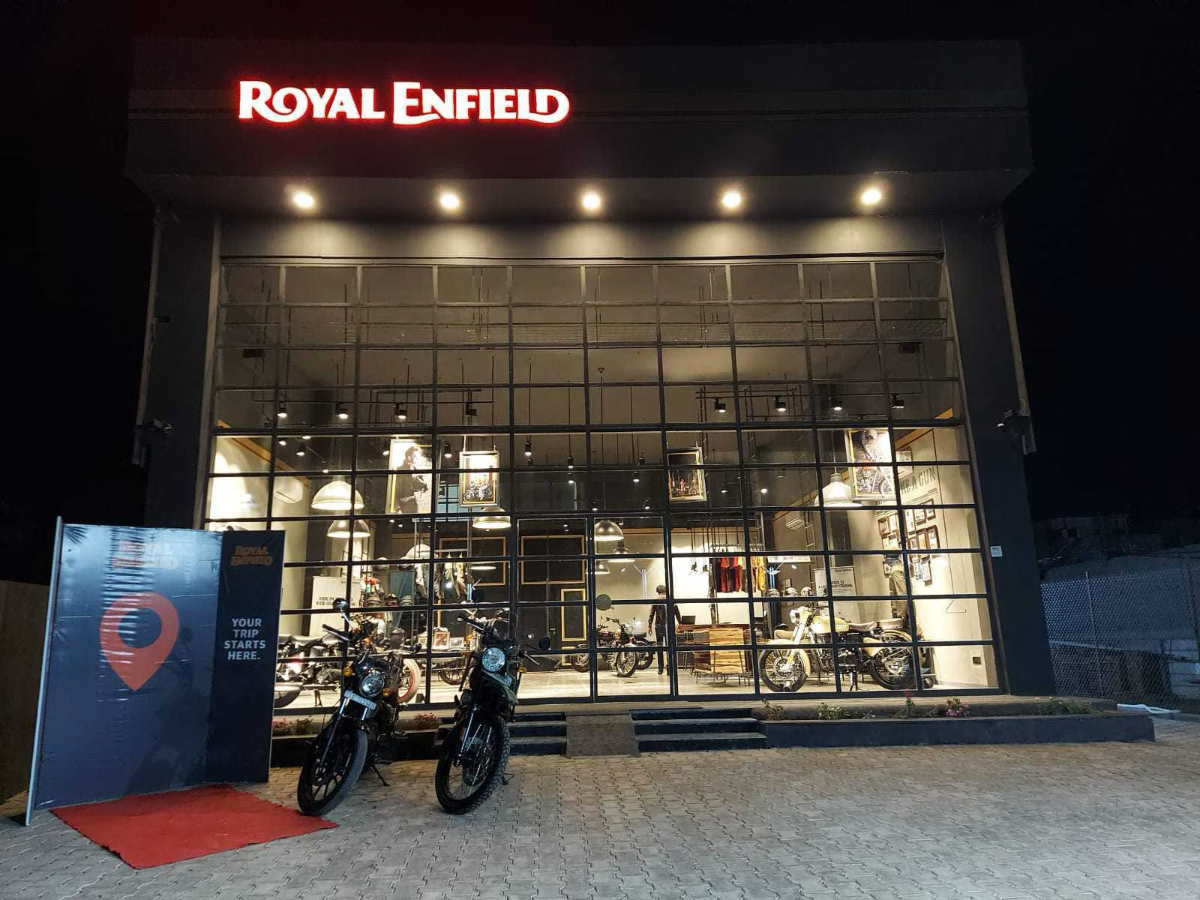
Royal Enfield offers two primary franchise formats: (1) Exclusive Showroom + Service (full format, 4,000+ sqft, ₹1.2–1.6 crore capex) — suited for urban and semi-urban markets with higher inventory and service capacity; (2) Studio Store format (₹40–55 lakh capex) — designed for Tier-2 and Tier-3 cities with exclusive territory rights. Both formats operate on zero royalty and include motorcycle sales, service labor, and accessories revenue streams. The full format is optimal for higher-volume markets; the Studio Store suits emerging tier markets with growing demand but lower immediate scale.
What is the franchise agreement tenure for Royal Enfield?
Royal Enfield franchise agreements have a 5-year tenure and are renewable. Franchisees operate as Authorized Dealers under an exclusive territory arrangement. Renewal eligibility, performance conditions, and any fee adjustments upon renewal should be confirmed with the franchisor. The renewable structure allows long-term operators to continue, subject to brand standards compliance and territory performance.
What level of owner involvement does a Royal Enfield franchise require?
Royal Enfield franchises require high owner involvement. The owner must actively manage showroom operations, service quality, customer relationships, and staff supervision. Unlike passive investment models, two-wheeler dealerships demand hands-on oversight of inventory allocation, service bay scheduling, spare parts management, and local marketing. Success depends on the owner's direct engagement with daily operations and local market dynamics.
How many staff does a Royal Enfield franchise typically need?
A full Royal Enfield exclusive showroom and service outlet requires a minimum of 10 staff members. This typically includes sales executives, service advisors, technicians, spare parts attendants, and administrative staff. Staffing needs scale with outlet maturity and local sales volume. Studio Store formats in smaller cities may operate with fewer staff, though service capability must be maintained to meet franchise standards.
What makes Royal Enfield franchises different from other two-wheeler dealerships?
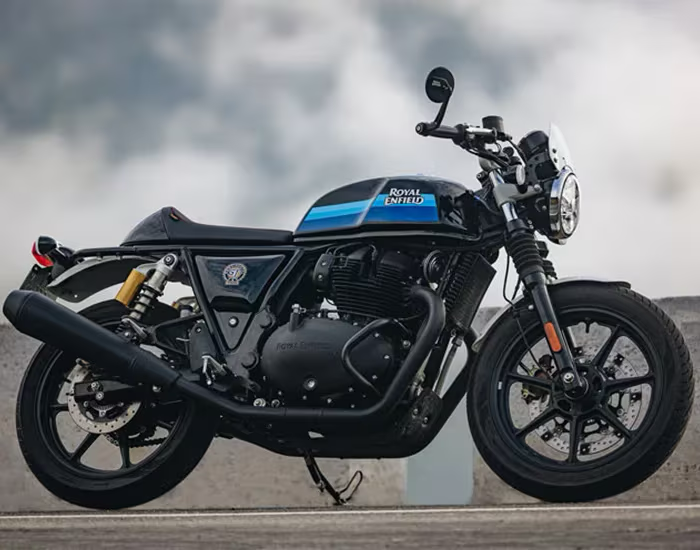
Royal Enfield operates in the premium middleweight motorcycle segment (350–650cc), positioning itself above mass-market 100–125cc scooter and bike dealers. The average selling price of a Royal Enfield motorcycle is ₹2.1 lakhs, significantly higher than the mass 2W average, which supports stronger per-unit margins despite zero royalty structures. The brand's cult community, ICE-only positioning, and emphasis on service-led revenue (rather than volume-led sales targets) differentiate the dealership model from high-volume mass-market competitors. This appeals to operators who prioritize margin stability and service excellence over unit sales velocity.