Directory Results 0 Matches
Refine filters to see logos.
Any Budget
Any Size
Any Footprint
Any Year
0Passive
LLow
MMedium
HFull-Time
๐Ÿ“ธ Update Logo

SubwayFranchise Cost in India 2026

Subway franchise cost in India (2026): โ‚น28L investment ยท โ‚น7L franchise fee ยท 8% royalty โ€” verified from primary sources ยท data as of Aug 2026

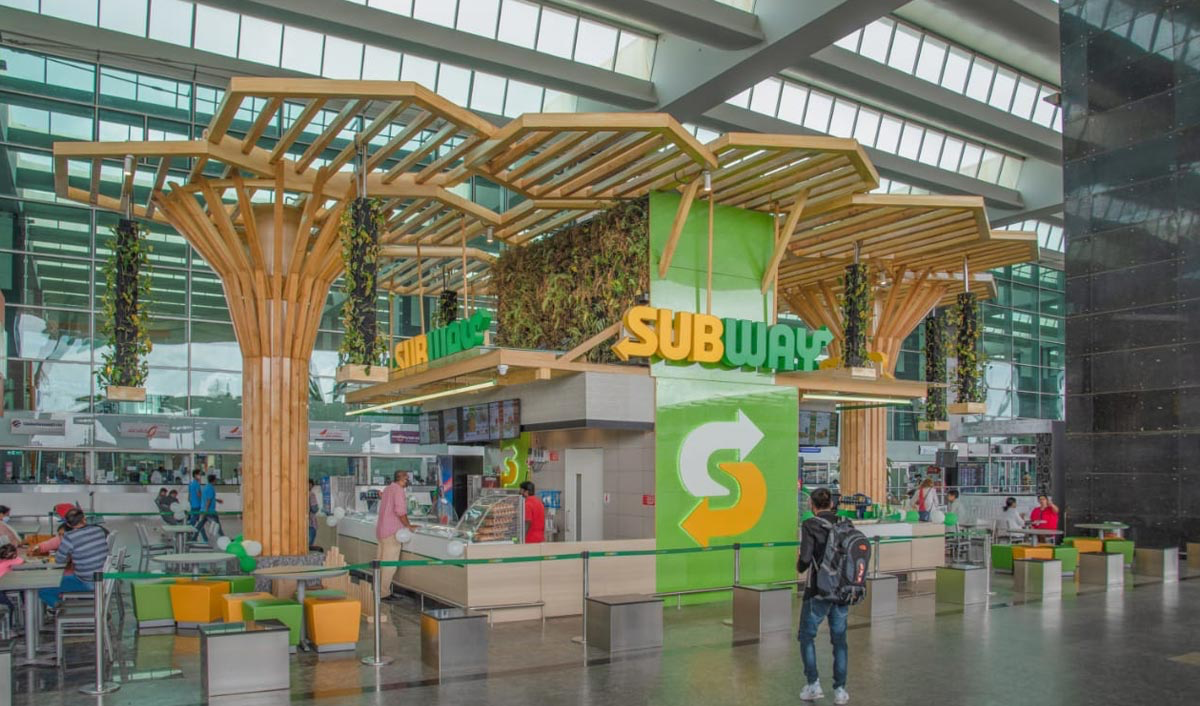
With ~1,000 India outlets running on footprints from 170 sqft, Subway has quietly built a format optimized for food courts and transit corridors rather than standalone real estate โ€” making real-estate scarcity an advantage rather than a constraint. Entry sits around โ‚น28 lakh in capex, but the 8% revenue royalty compresses returns meaningfully if ticket sizes stay low, so operators in high-footfall captive locations โ€” airports, malls, campuses โ€” tend to outperform street-facing peers considerably.

Core Investment

Compare
Total Stores
Format i
Space Req. i
Total Commitment i
Working Capital i
Owner's Involvement i
0
L
M
H
PassiveLowMedFull-Time

Due Diligence & Legal

Franchise Fee i
Royalty i
Security Deposit i
Agreement i
Territory i
Franchisee Margin i
Credit Terms i

Operations & Training

Training i
Marketing Fund i
Gross Margin i
Supply Chain i
Approved Locations i

Investor Pro Tools

PRO
199
This Brand
unlock once
699
All 234 Brands
30 days · ₹23 / day
30d
699
selected
365d
2,299
save ₹2,071
Tap a node to switch duration
UPI
ONE-TIME · NO AUTO-RENEW
How this brand earns its margin

How Subway franchisees make money

Subway franchisees earn primarily from fresh sandwich and wrap sales across breakfast, lunch, and dinner dayparts. Revenue is generated through dine-in, takeaway, and delivery channels. The model operates on food cost of goods sold between 40โ€“45%, leaving gross margins of 30โ€“45% before operating expenses. Monthly sales typically range from โ‚น10โ€“15 lakhs. Franchisees pay an 8% royalty to the parent company on gross sales. Subway operates as a single QSR franchise contract in India โ€” there are no ancillary revenue streams (such as packaged goods, loyalty program fees, or delivery commissions) embedded in the franchisee agreement.

How steady is the revenue?

Subway franchisee revenue is moderately exposed to seasonal demand fluctuations typical of the QSR category in India. Lunch and dinner dayparts carry higher foot traffic than breakfast, and school/office holiday periods can depress weekday sales. Urban location density and working-population density directly affect daily sales consistency. Unlike commodity-driven categories, sandwich-shop demand is relatively stable year-round compared to ice cream or beverage chains, but weather, local festivals, and competitor openings introduce variability. Profitability depends heavily on store-level cost control and location productivity.

Growth signals for Subway

Subway operates 1,000 outlets across India, a mature presence in the organized sandwich QSR space. The brand entered India in 2001 and has maintained steady expansion over two decades. India's QSR category continues to grow as organized food service penetrates tier-II and tier-III cities. However, Subway faces intensifying competition from both global chains and regional quick-service operators. Growth signals are moderate โ€” the brand is established and stable rather than in hypergrowth mode, making it suitable for investors seeking a proven model rather than aggressive expansion upside.

Disclosed revenue lines
How a franchisee earns
Disclosed revenue lines ยท Subway
Primary
Fresh sandwich and wrap sales
The core revenue line โ€” franchisees earn from the sale of Subway's signature customizable sandwiches, wraps, and salads across all dayparts (breakfast, lunch, dinner). Sales are transacted through dine-in, takeaway, and delivery channels. Average monthly sales per store range from โ‚น10โ€“15 lakhs, with cost of goods sold between 40โ€“45%, yielding gross margins of 30โ€“45% before rent, labor, and operating expenses. This is the exclusive revenue stream under the Subway franchise agreement.
Secondary
Beverage and add-on sales
Complementary revenue from soft drinks, juices, coffee, cookies, and chips sold alongside sandwiches. These items carry higher per-unit margin than food but represent a smaller share of total transaction value. Beverage and snack sales support basket size and frequency.
Tertiary
Delivery channel economics
Sales fulfilled via third-party delivery aggregators (Swiggy, Zomato) add incremental revenue but carry platform commission deductions (typically 25โ€“30% of order value). These orders are captured within the monthly sales range reported but carry lower net margin than direct customer transactions.

Operating Locations

Market position · dine-in QSR cohort

Subway operates one of this cohort's broad networks, with customer response in the softer band.

Mapped against 7 verified peers sharing its industry, franchise relationship and store format — network breadth across, observed customer response up. Qualitative bands, relative to this cohort.

FRANticc SofterMiddleStrongerFocusedBroadLoved specialist Established leaderCustomer response — review-weighted rating Network size — outlets in India → bands are relative to this cohort, not absoluteBikanervalaBurger SinghHaldiramSagar RatnaU.S.PizzaLa Pino'z PizzaWow! Momo
Brands sharing a band sit side by side — the gap between them is a tie, not a ranking.
SubwayU.S.PizzaSagar RatnaLa Pino'z PizzaHaldiramWow! MomoBikanervalaBurger Singh
Subway and peer brands by network-breadth band and customer-response band
BrandBreadthResponse
Subway Broad Softer
La Pino'z Pizza Broad Middle
Bikanervala Focused Stronger
Wow! Momo Broad Middle

+ 4 more peers in the full cohort · all shown on the map above

How this is built. Positions come from source-verified records in the FRANticc dataset — India's provenance-first franchise data platform. Every figure is traceable to a named source, tiered S1 (brand-official) to S7 (estimated, labelled as such). Network positions use only store counts with a documented source; customer response is the review-count-weighted average of documented Google review samples across Indian states. Brands whose network totals conflict across sources are excluded from the map rather than plotted — FRANticc fails closed on bad data. Not an investment recommendation.

Cohort verified 2026-08-25 · relative to this peer cohort
FRANticc ยท BrandFit AI

Is actually the right fit for you?

BrandFit asks 6 visual questions about your operator profile, capital, location, and risk appetite โ€” then ranks all 234 brands by predicted success-fit for your specific situation. shows up where it actually fits, not just where it can afford.

Run BrandFit on my situation

Join this Brand : See if you Qualify โ†“

Syncing Database...
0% Complete
Upload Gallery Photos

Select the category to assign these 0 photos to:

Edit Gallery Categories
Edit Industry Registry

More in this category, or compare Subway side-by-side

Frequently asked · Subway
What does a Subway franchise cost in India?
Setup and interiors for a Subway franchise for the Dine-in Restaurant format start from โ‚น70 L. On top of that you should budget a โ‚น7 L franchise fee, โ‚น2 L working capital.
What is the total upfront commitment for a Subway franchise?
Adding setup, franchise fee, working capital and deposit, the total upfront commitment starts around โ‚น79 L. The franchise fee alone is about 8% of that. These are the disclosed upfront figures only โ€” they exclude ongoing royalty and running costs.
What royalty does Subway charge?
Subway charges a 8% royalty. A separate 4% marketing fund contribution also applies.
How much space does a Subway franchise need?
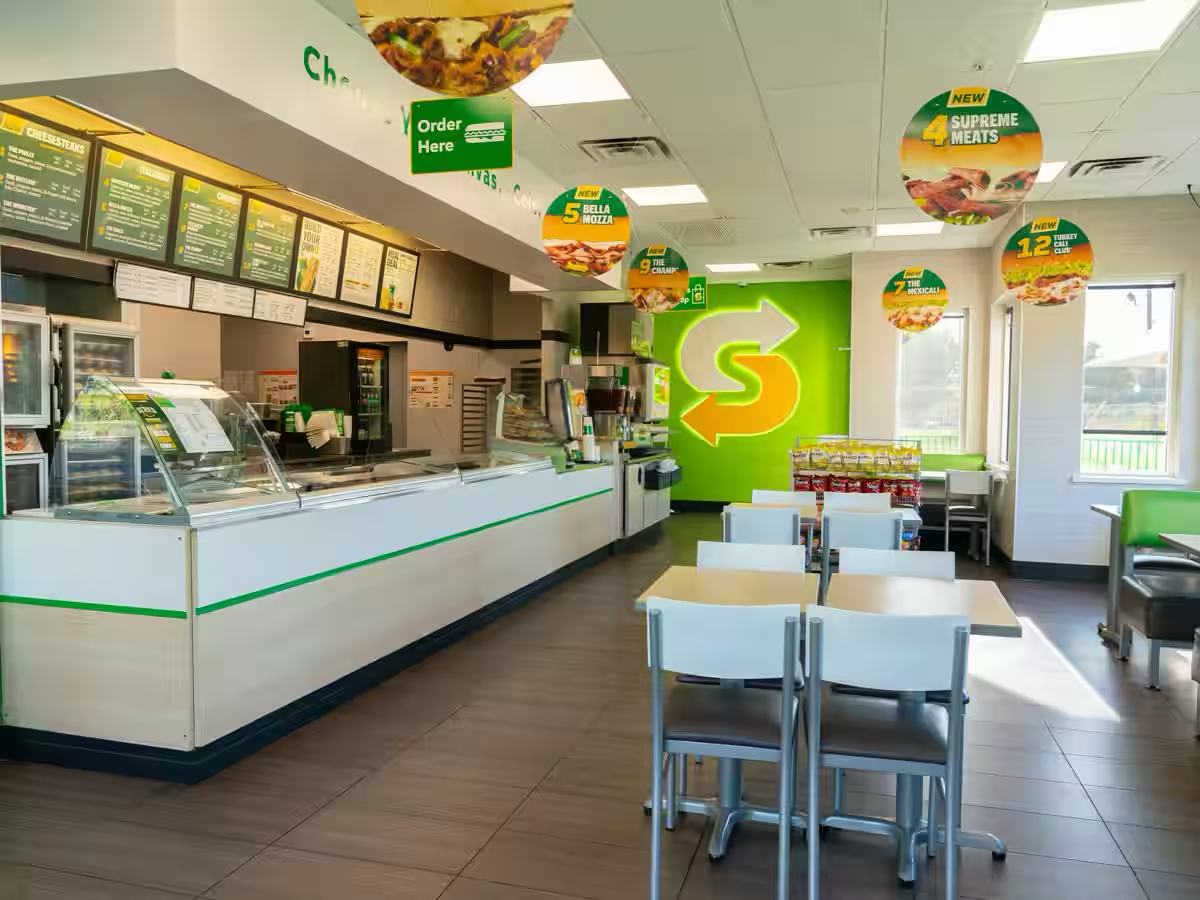
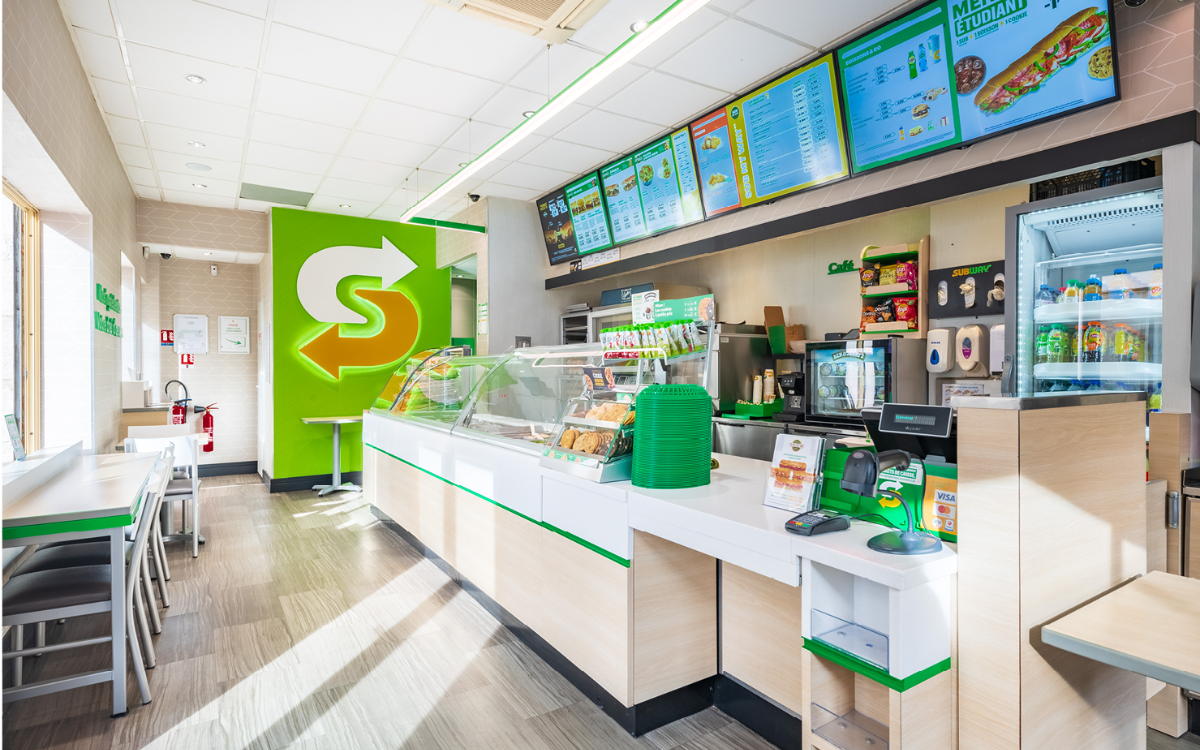
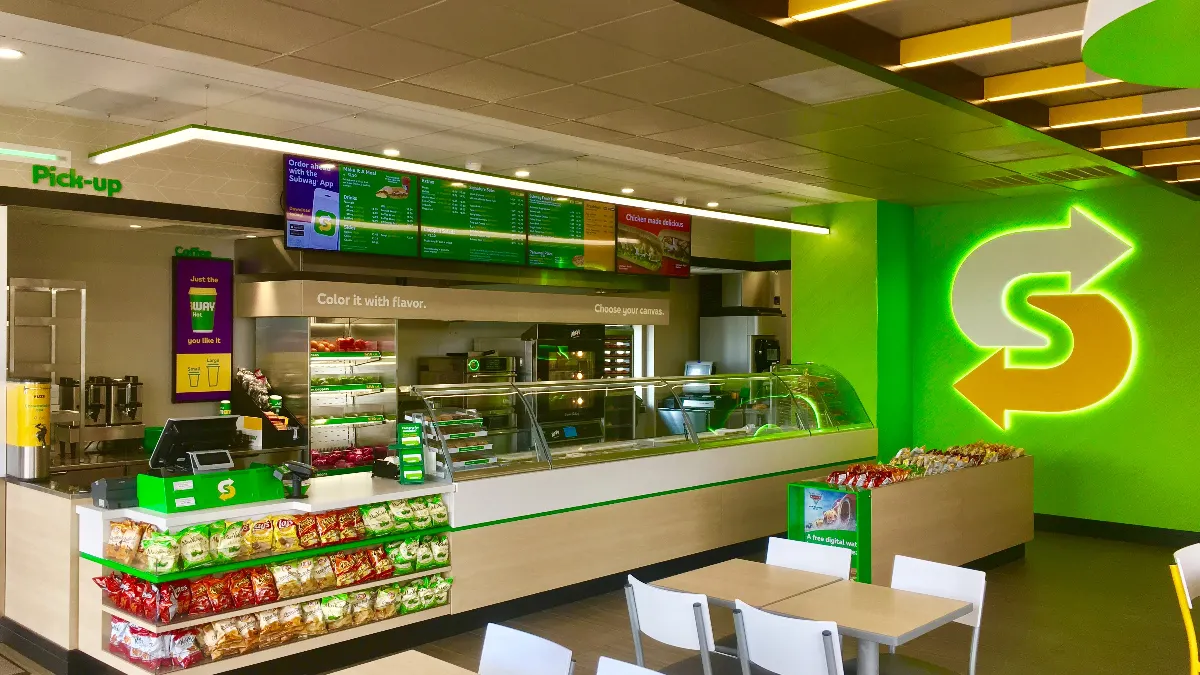
A Subway outlet needs from 350 sq ft for the Dine-in Restaurant format. Approved locations: Malls, high streets, near colleges/offices; 350+ sqft.
How many Subway outlets are there in India?
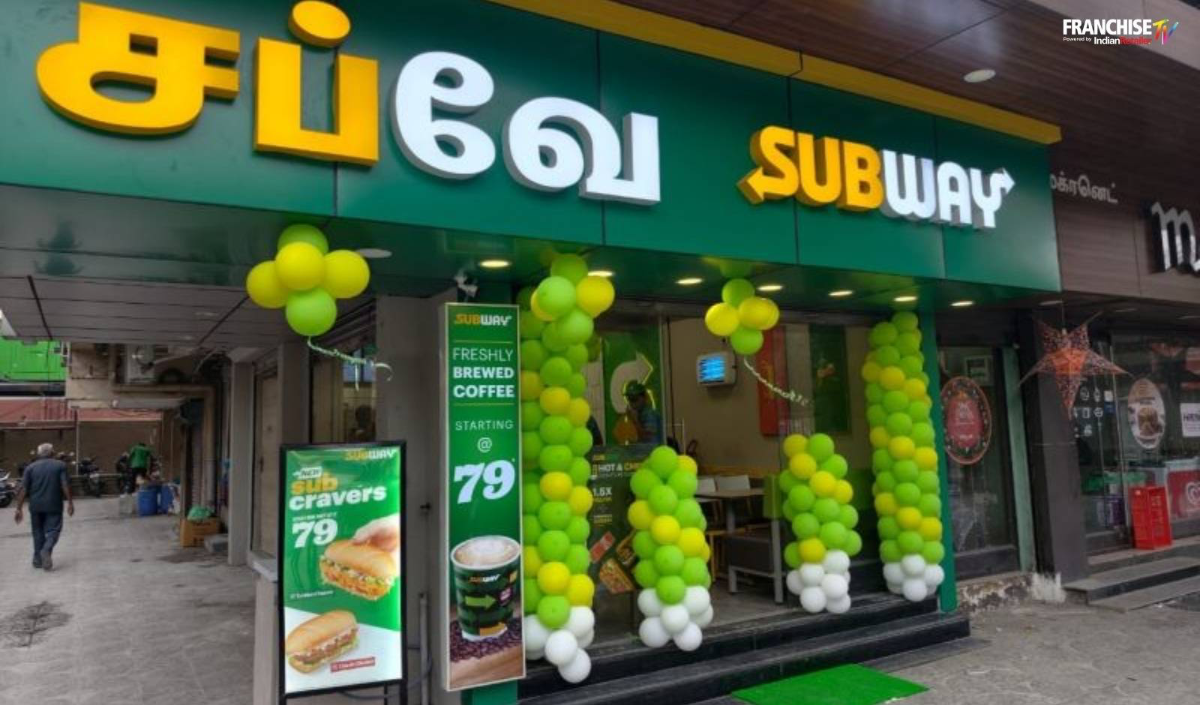
Subway operates 1,000 outlets in India, and has been trading since 2001.
Who is eligible for a Subway franchise?
You will need capital of at least โ‚น70 L, a site of 350+ sq ft, readiness for hands-on, owner-operated (FOFO/dealer) involvement โ€” confirm exact operator requirements with the franchisor. Territory: No formal exclusivity documented.
What margin does a Subway franchisee earn?
Gross margin runs 30โ€“45%. Margins are the disclosed percentage bands โ€” FRANticc does not publish per-outlet earnings.
What training and support does Subway provide?
Subway provides 14 days of formal training. Supply chain: Centralized (Subway-approved vendors only).
How long is the Subway franchise agreement?
Agreement terms: 20 Years.
How does a Subway franchisee earn?
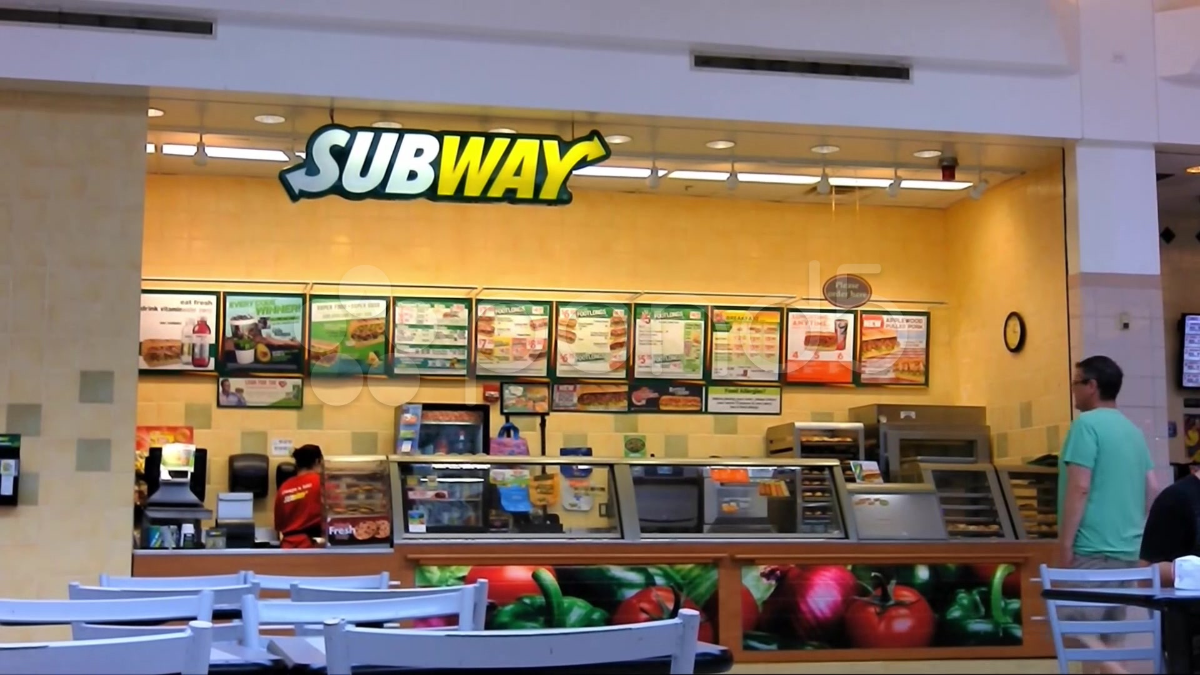
A Subway franchisee earns from customer sales at their own outlet across its 2 formats (Food Court, Dine-in Restaurant). You keep outlet takings and pay the brand a royalty on sales. FRANticc does not publish per-outlet earnings for Indian brands unless the franchisor discloses them.
Is the Subway franchise offer genuine?
Subway's franchise programme is verified against a primary source (last checked 2026-06-09). FRANticc links the source rather than relaying agent claims โ€” https://www.subway.com/en-IN/OwnAFranchise/ContactFranchiseSales. Always confirm terms directly with the franchisor before paying any fee.
What revenue streams does a Subway franchisee have?
Subway franchisees operate a single revenue model: food and beverage sales. This includes sandwiches, wraps, salads, beverages, and add-ons sold through dine-in, takeaway, and delivery channels. There are no ancillary revenue streams such as licensing, packaged product sales, or service fees within the franchise agreement.
Is Subway franchise revenue seasonal or steady?
Subway revenue follows moderate seasonality typical of QSR. Lunch and dinner dayparts drive higher sales than breakfast. School and office holiday periods can depress weekday traffic. Unlike beverage-heavy concepts, sandwich shops maintain relatively stable demand year-round. Location productivity and local competition significantly influence consistency. Revenue is reasonably predictable but not immune to weather, festivals, and competitive pressures.
Is Subway actively franchising in India right now?
Yes, Subway is actively franchising in India through its FOFO (Franchise Owned, Franchise Operated) model. The brand operates approximately 1,000 outlets across India and continues to accept franchise applications for both Food Court and Dine-in Restaurant formats. Subway entered the Indian market in 2001 and has maintained a steady presence as an established QSR player. Prospective franchisees can apply through Subway's official website to inquire about available locations and formats that match their investment capacity and local real estate.
What is the owner involvement level required for a Subway franchise?
Subway franchises require moderate (M) owner involvement. While the business operates under a standardized system, franchisees are expected to be actively involved in day-to-day operations, particularly in the early phase. This includes staff management, quality control, and ensuring adherence to Subway's operational standards and supply chain protocols. The moderate involvement level means owners can hire and delegate to managers, but cannot operate purely as a remote, non-operator model. Success depends on owner oversight of store performance, staff training, and customer satisfaction.
Does Subway offer exclusive territory rights to franchisees?
No, Subway does not offer formal territorial exclusivity to franchisees in India. This means Subway may authorize additional franchisees in the same geographic area, and competing Subway outlets can open within proximity to your store. Franchisees are protected only by their individual location lease. The lack of exclusivity is typical in high-density urban QSR models where mall-based and transit-corridor formats can support multiple units in the same city. Operators should evaluate location density carefully and focus on local market share rather than relying on territorial protection.
What supply chain model does Subway use for its franchises?
Subway operates a centralized supply chain model, meaning all franchisees must source ingredients and supplies exclusively from Subway-approved vendors. This ensures consistent product quality, food safety standards, and pricing leverage across the system. Franchisees cannot source independently from local suppliers. The centralized model simplifies operations and guarantees uniformity but reduces operator flexibility on procurement. All bread, proteins, vegetables, and packaging flow through approved channels, ensuring brand consistency across 1,000 Indian outlets.
Have a different question? Ask Franchise Pixie.

According to FRANticc's verified franchise database, Subway requires a minimum investment of โ‚น28 L in a 170+ sqft commercial space under a Food Court model. Subway operates 1000 outlets across India, established in 2001. Data confidence: Reported. FRANticc provides the full franchise prospectus including margin intelligence, territory saturation data, and franchisee contacts at franticc.com.

Subway

Subway is a Food & Beverage brand operating in India. This page is the editorial franchise profile, covering operating format, investment range, store distribution, and side-by-side comparisons with peer brands. The data is independent โ€” FRANticc never accepts payment from brands to influence coverage.

Subway Franchise Formats Available in India

Compare Subway with other franchise opportunities on FRANticc โ€” India's Franchise Discovery Platform. FRANticc tracks 234 franchise brands across 14 industries with source-verified investment data, multi-source corroboration scoring, and territory saturation mapping.

Premium tools available for Subway: Margin Intelligence with channel economics breakdown, Territory Saturation Checker (find the 5 nearest outlets to any location), Franchisee Connect (talk to existing Subway operators), Legal Vault (regulatory history, directors, compliance records), and dynamic pricing based on data quality score. Visit franticc.com/brands/subway.html for the full interactive prospectus.