Directory Results 0 Matches
Refine filters to see logos.
Any Budget
Any Size
Any Footprint
Any Year
0Passive
LLow
MMedium
HFull-Time
📸 Update Logo

Tasva

Vedant Fashions

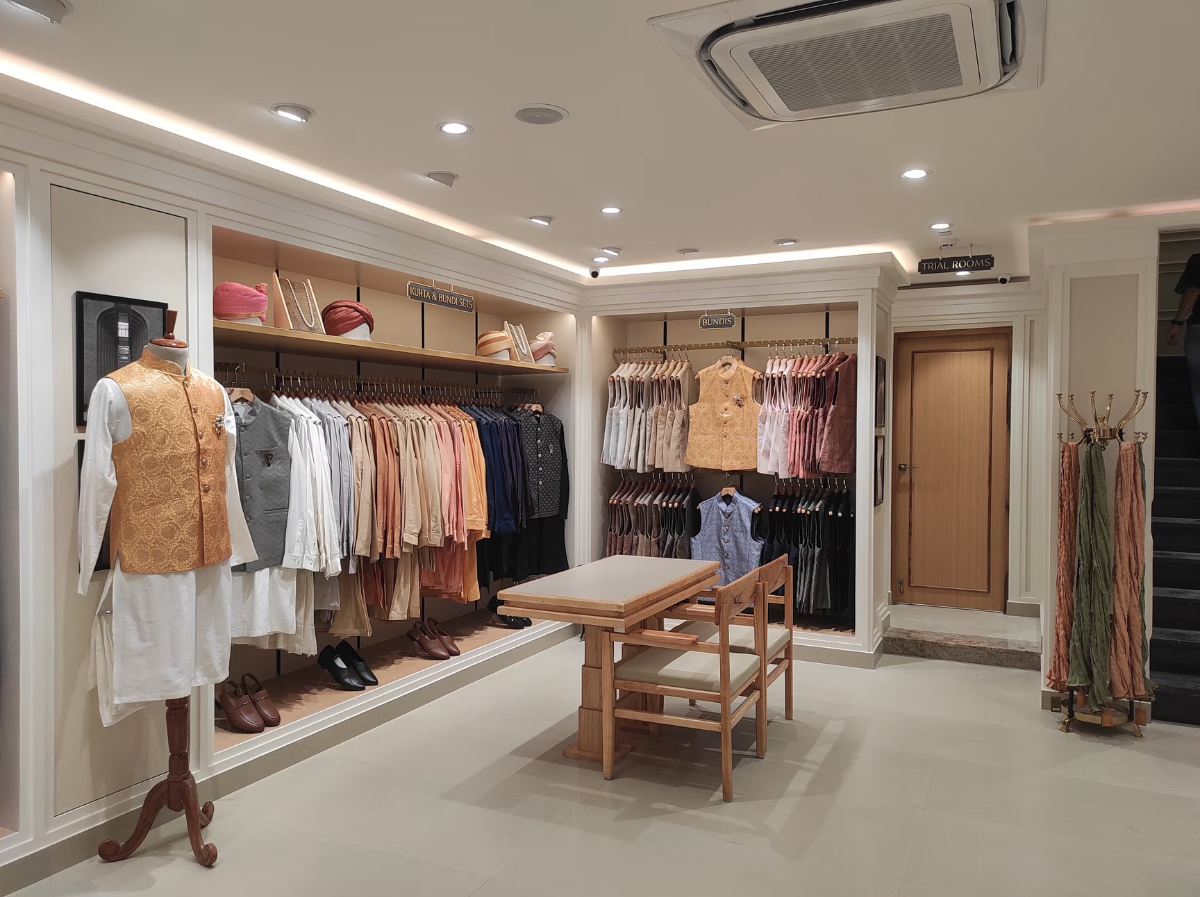
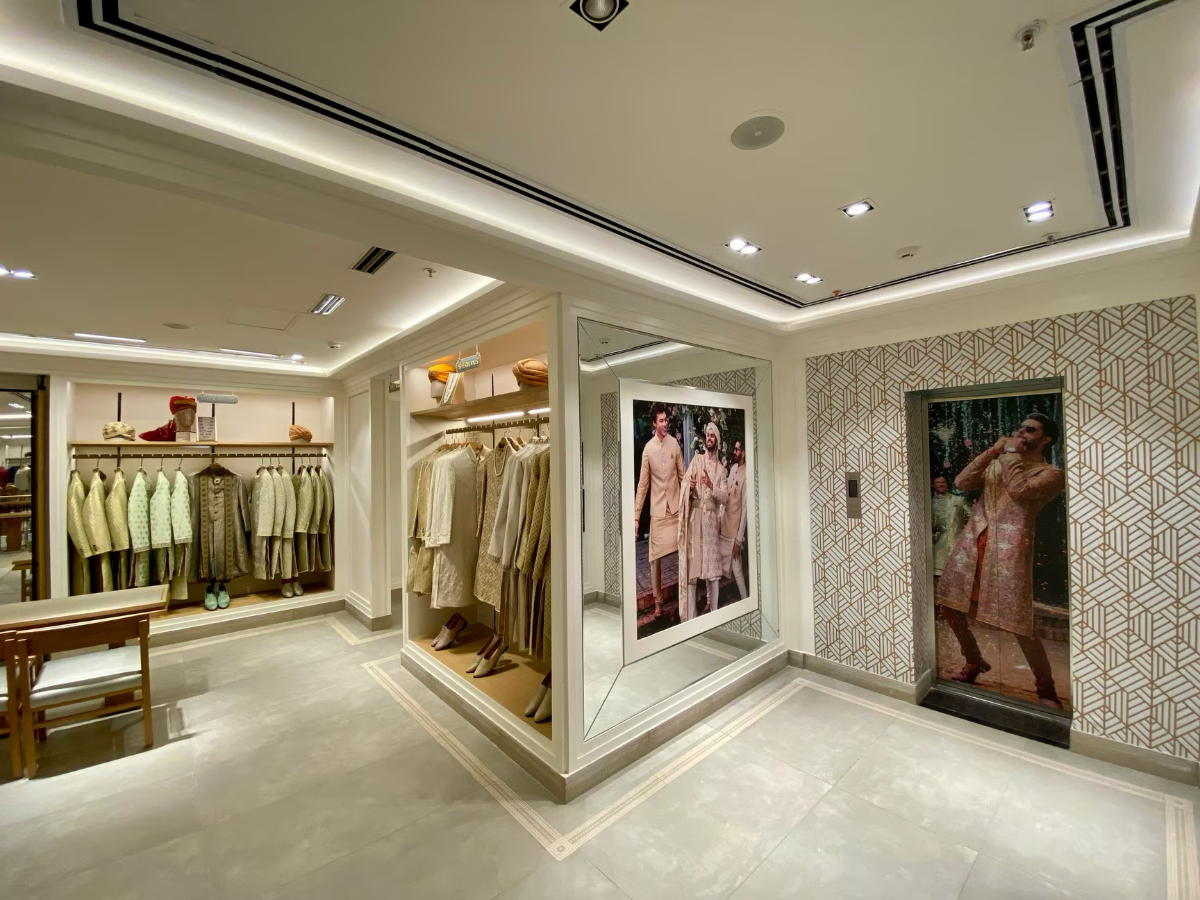
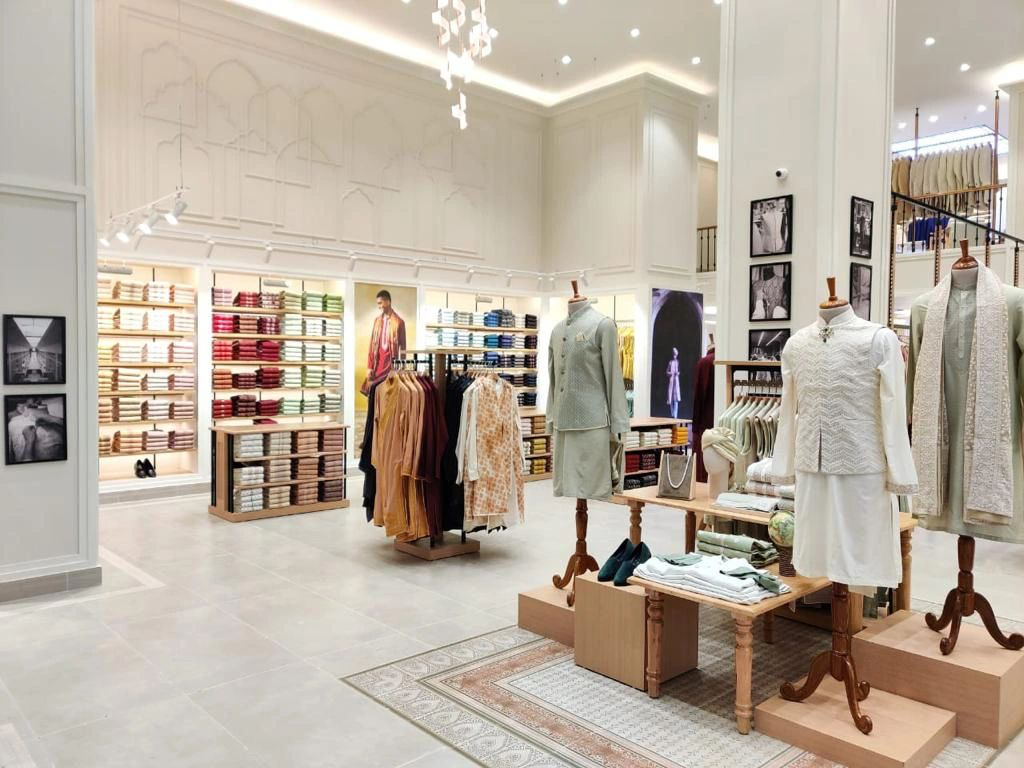
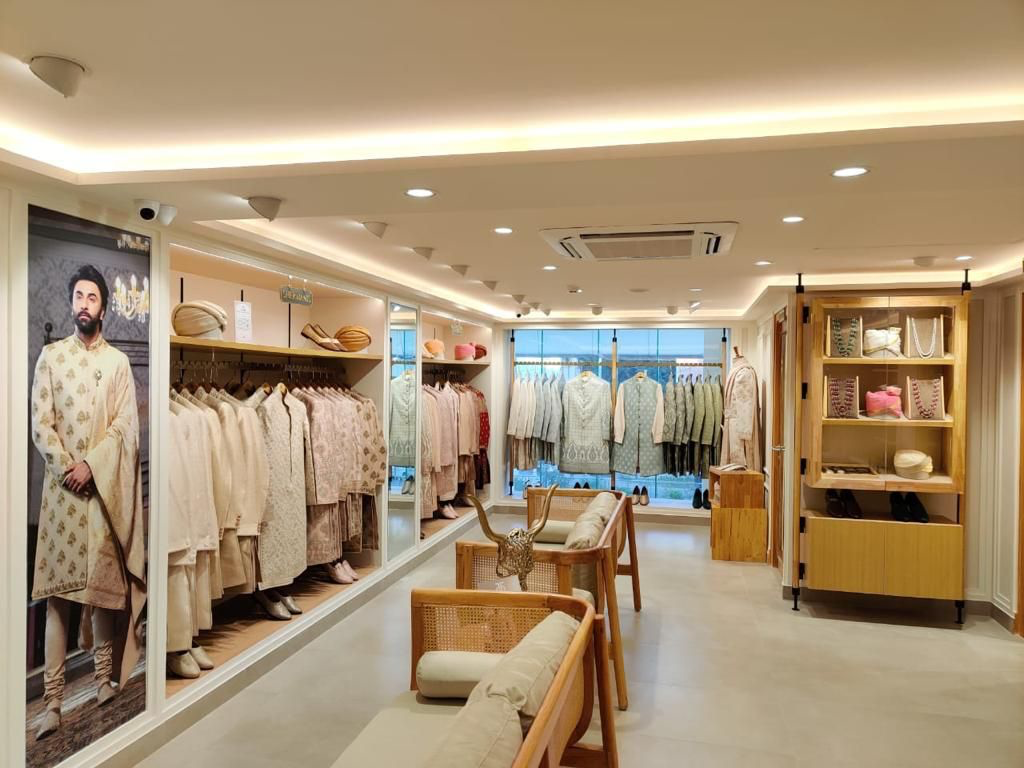
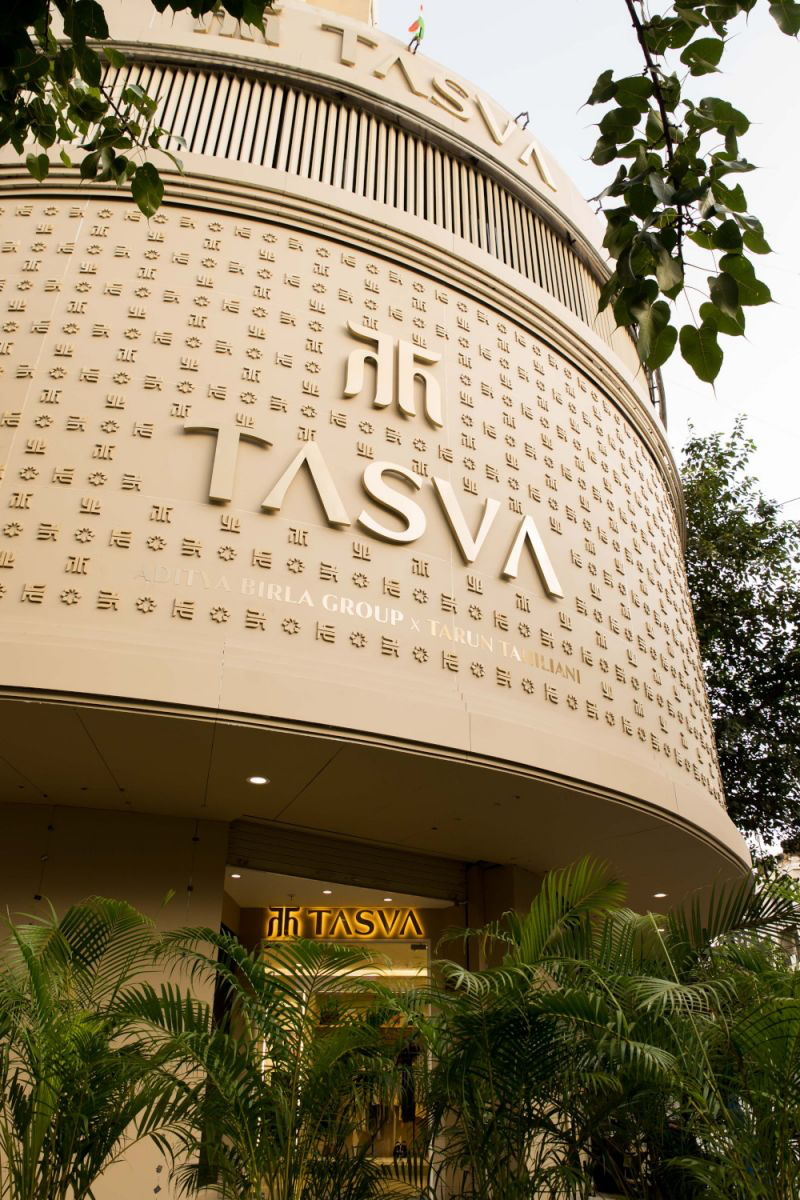
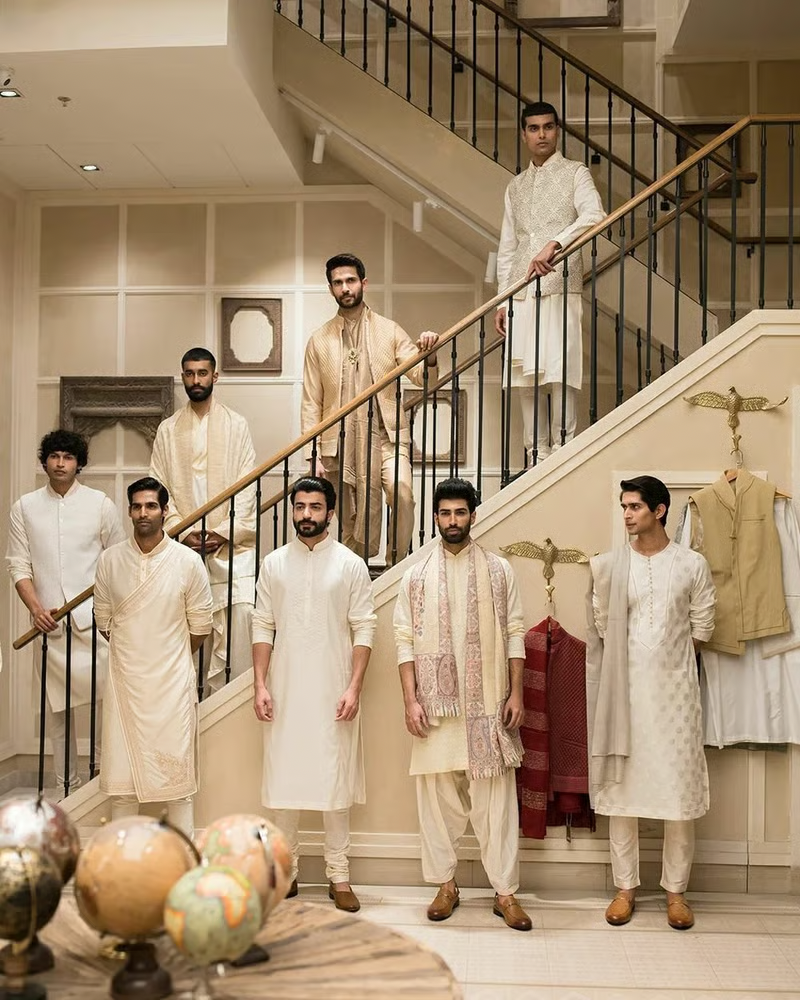
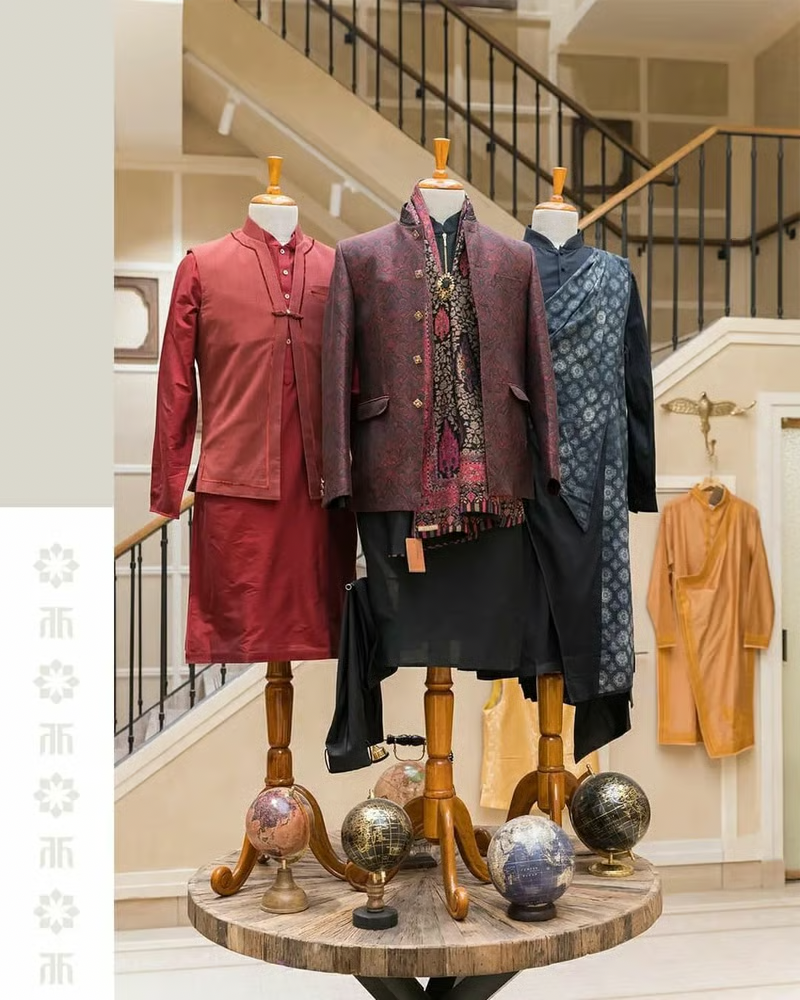
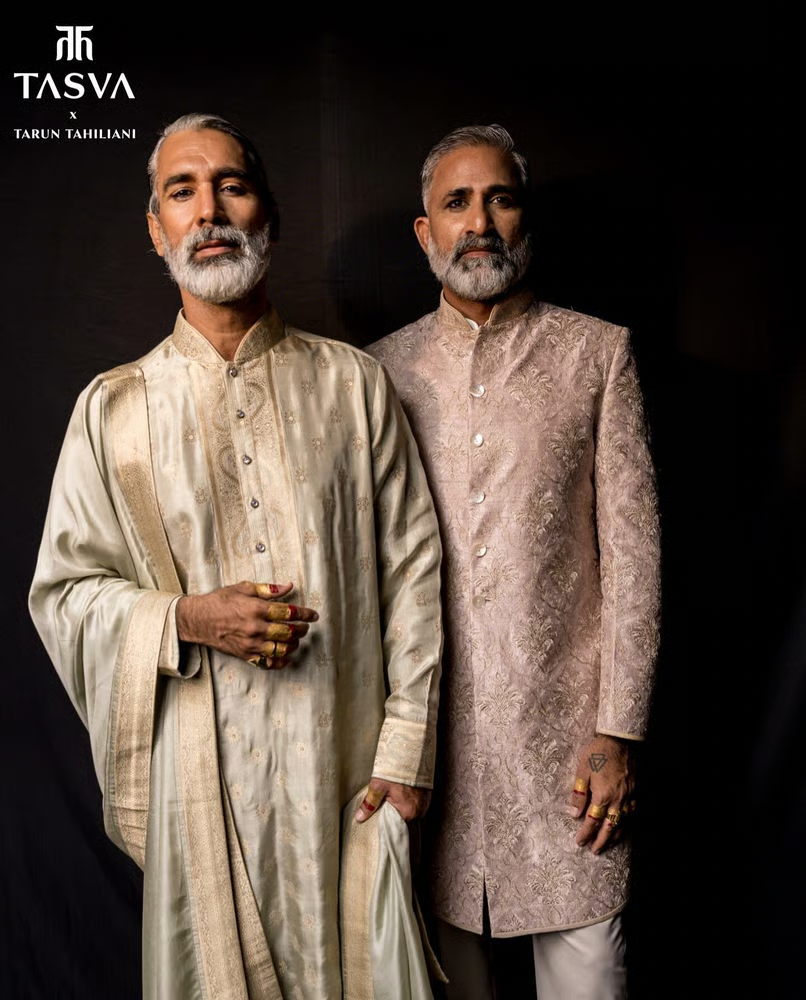
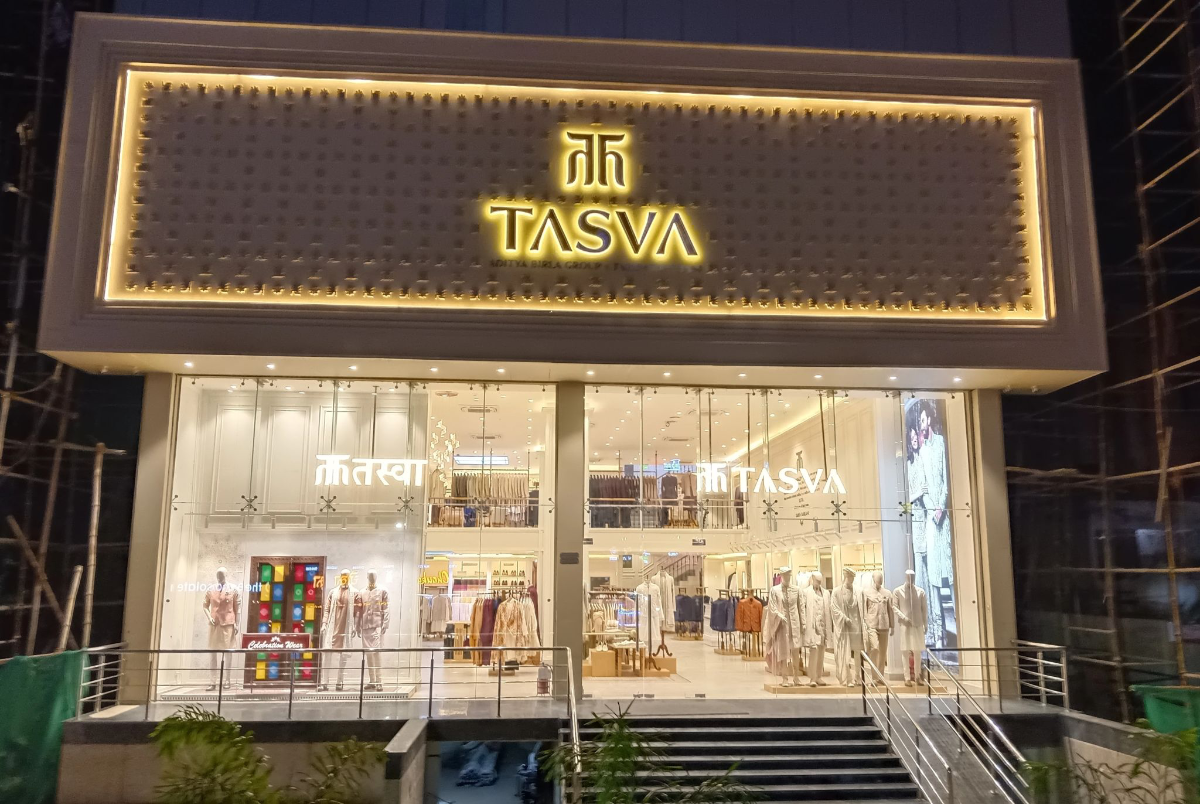
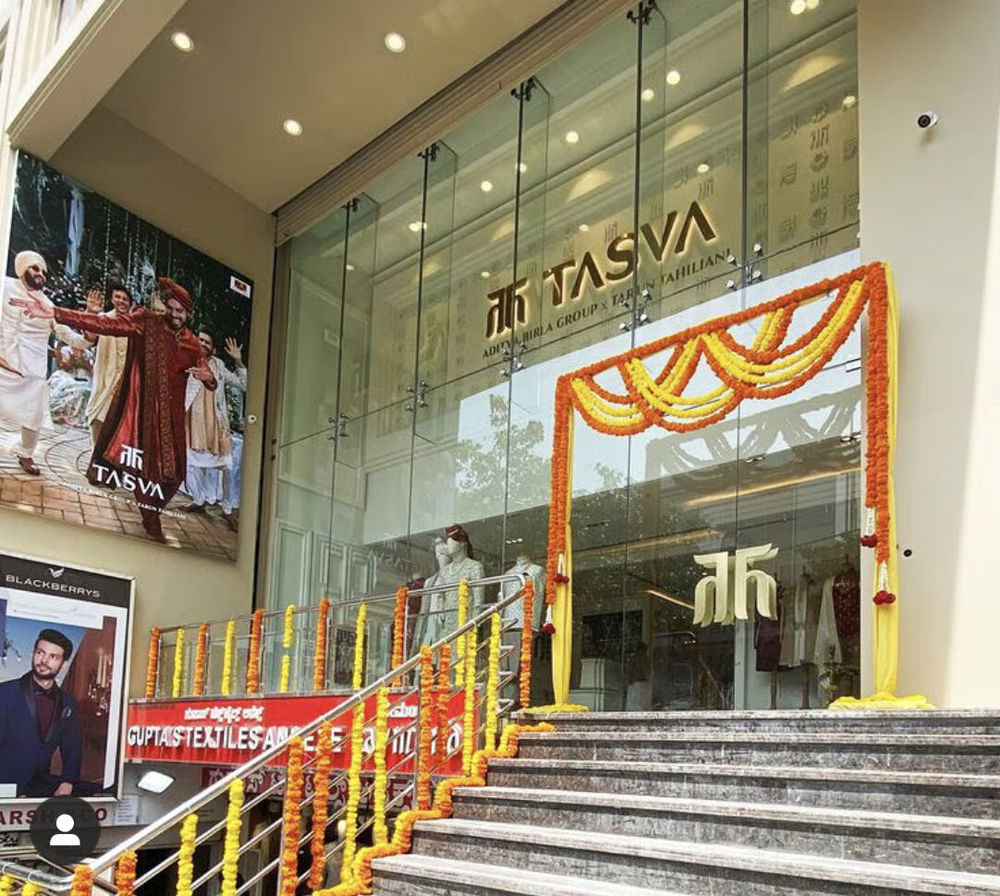
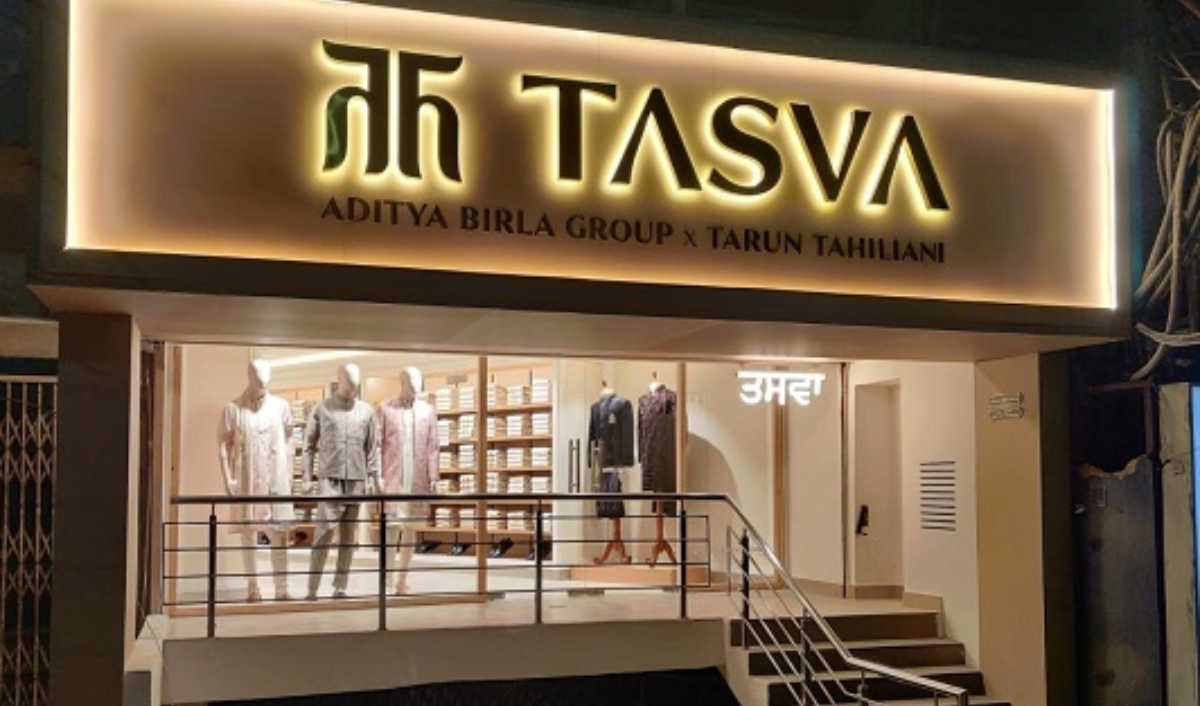
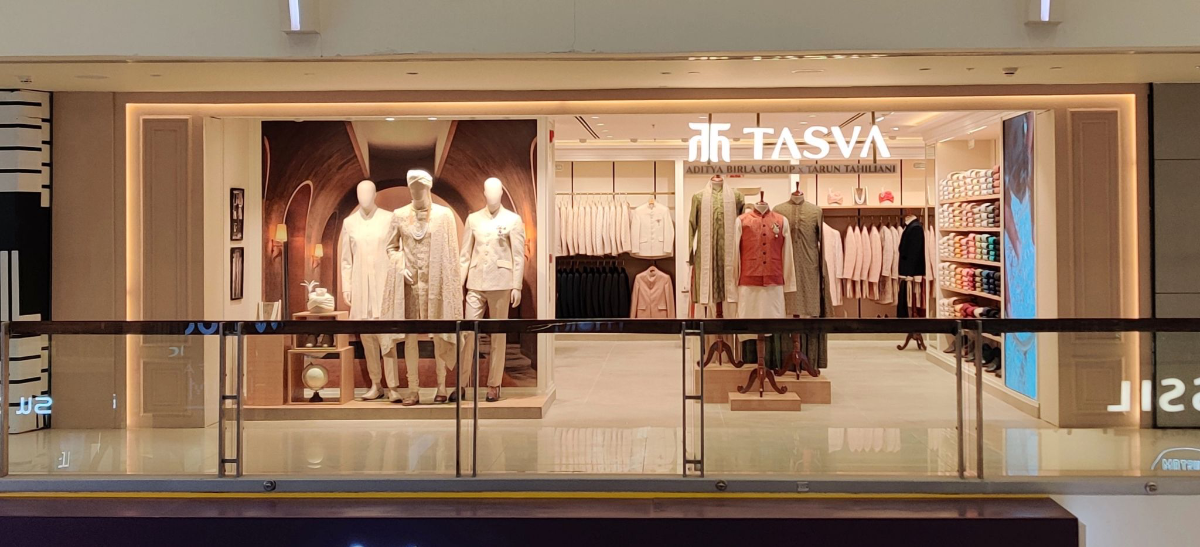
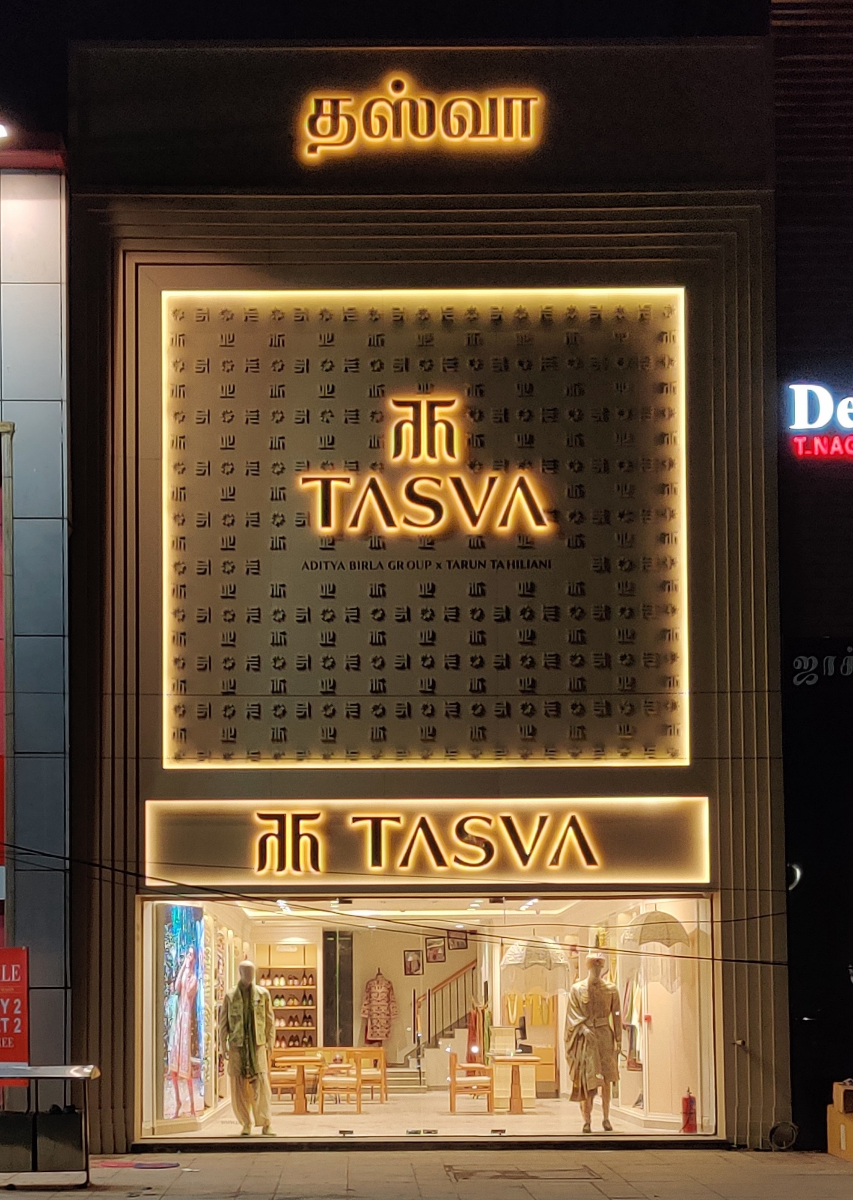
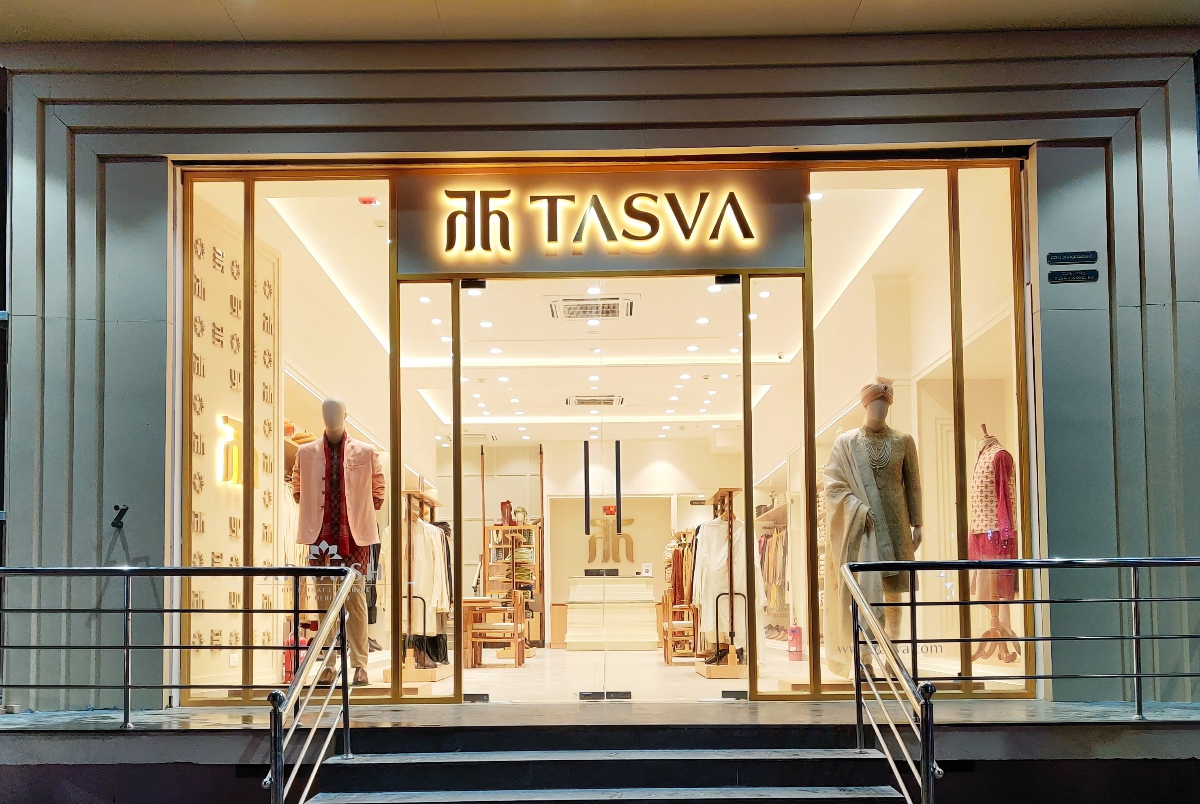
Backed by Vedant Fashions — the group behind Manyavar — Tasva is essentially a second-bite strategy targeting the same wedding-occasion wallet, but repositioned upmarket for men who want design credentials alongside ceremony. With only ~15 outlets and a ₹0 royalty structure, the unit economics look unusually clean, though if India's premium ethnic menswear moment cools, a ₹1.5 Cr fit-out in a high-street location leaves little cushion.

Core Investment

Compare
Total Stores
Format i
Space Req. i
Total Commitment i
Working Capital i
Owner's Involvement i
0
L
M
H
PassiveLowMedFull-Time

Due Diligence & Legal

Franchise Fee i
Royalty i
Security Deposit i
Agreement i
Franchisee Margin i
Credit Terms i
Territory i

Operations & Training

Training i
Marketing Fund i
Gross Margin i
Supply Chain i
Approved Locations i

Investor Pro Tools

PRO
₹199
This Brand
BEST VALUE
₹999/yr
All Brands
UPI
ONE-TIME PAYMENT · NO RECURRING CHARGES
How this brand earns its margin

How Tasva franchisees make money

Tasva franchisees earn revenue primarily through retail sales of premium ethnic menswear—sherwanis, kurtas, and occasion wear. The franchise model is straightforward: franchisees purchase inventory at wholesale cost and sell at retail margins of 32–58%, depending on category and seasonality. There is no royalty fee, meaning all margin above cost flows to the franchisee after covering rent, labor, and operating expenses. Tasva operates as a standalone exclusive-store format under parent company Vedant Fashions; other brands within Vedant's portfolio (such as Manyavar) operate as separate franchise units with different terms.

Supply chain & sourcing

Tasva's supply chain model is not confirmed in available sources. While the parent company Vedant Fashions manufactures ethnic wear, the specific terms governing how franchisees source inventory—whether through centralized procurement, parent-set wholesale pricing, markdown absorption, or independent sourcing—are not detailed in franchise disclosures. Without verified details on inventory control, pricing, and unsold-stock liability, this section cannot be completed confidently.

Demand & growth signals

Tasva's revenue is subject to seasonal demand patterns typical of ethnic menswear retail. Peak demand occurs during festive seasons (Diwali, weddings, Eid) and wedding months (November–January, May–June), while off-season months may see slower footfall. City-level factors—marriage seasons, cultural calendar, and local purchasing power—also influence monthly performance. Franchisees should expect variable monthly revenue rather than flat, year-round demand. Tasva was founded in 2021 and operates 15 stores across India as of the latest count, indicating early-stage growth within the premium ethnic menswear segment. The brand is backed by Vedant Fashions, a large parent company with established supply and retail infrastructure. India's ethnic wear market has shown steady growth tied to festive consumption and wedding seasons. Tasva's franchise expansion reflects confidence in this category, though the brand remains nascent compared to established competitors.

Disclosed revenue lines
How a franchisee earns
Disclosed revenue lines · Tasva
Primary
Retail sales of premium ethnic menswear
Core revenue from direct consumer sales of sherwanis, kurtas, traditional occasion wear, and festival collections. Franchisees purchase inventory from the parent company at wholesale cost and sell at retail margins of 32–58%. This is the sole revenue stream for Tasva franchisees; the business model does not include services, alterations, rental, or other ancillary income.

Operating Locations

FRANticc · BrandFit AI

Is actually the right fit for you?

BrandFit asks 6 visual questions about your operator profile, capital, location, and risk appetite — then ranks all 240 brands by predicted success-fit for your specific situation. shows up where it actually fits, not just where it can afford.

Run BrandFit on my situation
Industry story · Apparel & Fashion

How apparel franchise economics actually work

Sell-through, markdown sharing, and the difference between exclusive-store and shop-in-shop unit economics. The numbers brand reps rarely walk you through.

See the full Apparel industry story

Join this Brand : See if you Qualify ↓

Syncing Database...
0% Complete
Upload Gallery Photos

Select the category to assign these 0 photos to:

Edit Gallery Categories
Edit Industry Registry

More in this category, or compare Tasva side-by-side

Frequently asked · Tasva
How do Tasva franchisees make money?
Tasva franchisees earn money by purchasing ethnic menswear inventory at wholesale cost from the parent company and selling it at retail prices. Gross margins range from 32–58% depending on the product category and season. After deducting rent, labor, utilities, and other operating costs, the margin remainder is the franchisee's net profit. There are no royalties or other mandatory fees beyond the initial franchise fee and capital investment.
What is the Tasva franchise cost?
The Tasva franchise requires a minimum capital investment of ₹1.5 crore and a franchise fee of ₹12 lakhs. Store size is typically 1,500 square feet. Total investment range is ₹1.5–2.5 crore depending on location, fit-out, and working capital.
What revenue streams does a Tasva franchisee have?
Tasva franchisees have one primary revenue stream: retail sales of premium ethnic menswear (sherwanis, kurtas, and occasion wear). The business model does not include services, training fees, royalties, or ancillary income sources.
Is Tasva franchise revenue seasonal or steady?
Tasva revenue is seasonal. Demand peaks during festive periods (Diwali, Holi), wedding season (November–January, May–June), and Eid. Off-season months typically see weaker footfall and slower sales. Monthly revenue will vary based on local calendars, city demographics, and purchasing patterns.
Is Tasva actively franchising in India?
Yes, Tasva is actively franchising in India. The brand, founded in 2021 and backed by Vedant Fashions, operates 15 stores across the country and offers franchise partnerships under a Franchise Owned, Franchise Operated (FOFO) model. Tasva is verified as a legitimate franchise brand with an active partner program.
What is the minimum investment required for a Tasva franchise?
The minimum total investment for a Tasva franchise is ₹1.5 crore for a smaller 1,500 sqft exclusive store, or ₹2 crore for a larger 2,500 sqft format. This includes a franchise fee of ₹12 lakhs, capital expenditure for fit-out and inventory setup, and working capital. The exact total depends on location, real estate costs, and initial stock levels.
Does Tasva charge royalty fees to franchisees?
No, Tasva does not charge royalty fees. The franchise model operates on a margin-based revenue system with zero royalty and zero marketing fund contributions. This means franchisees retain all gross margin (32–58%) above their wholesale cost, subject only to rent, labor, and operating expenses.
How much retail space is needed for a Tasva franchise?
Tasva requires a minimum of 1,500 square feet for a standard exclusive store format, though premium locations may require 2,500 sqft or more. Space needs depend on the format selected and local market positioning. High-street or metro mall locations typically demand larger footprints to showcase the premium ethnic menswear collection.
What is the franchise fee for Tasva?
The franchise fee for Tasva is ₹12 lakhs, payable upfront at the time of agreement. This fee grants you access to the brand, support infrastructure, and exclusive territory rights. It is separate from the capital investment required for store fit-out, inventory, and working capital.
What training does Tasva provide to franchisees?
Tasva provides 5 days of training to franchisees and their team members. The training covers store operations, product knowledge, customer service standards, and inventory management. Training ensures staff can effectively sell premium ethnic menswear and maintain brand standards across the network.
How much owner involvement does a Tasva franchise require?
Tasva franchises require high owner involvement. As a Franchise Owned, Franchise Operated model, you are responsible for day-to-day store management, staff supervision, inventory decisions, and customer engagement. This is not a passive investment—active participation is essential to success.
What is the gross margin for a Tasva franchise?
Tasva franchisees earn gross margins ranging from 32–58%, depending on product category, seasonality, and sales mix. Margins are highest on occasion wear and seasonal collections and may compress during promotional periods. Net profit is calculated after deducting rent, labor, utilities, and other operating costs from gross margin.
What are the territory rights for a Tasva franchise?
Tasva grants exclusive territory rights based on store format. Smaller 1,500 sqft stores receive Metro Exclusive rights, while larger 2,500 sqft formats are positioned for Wedding Market or Premium Location exclusivity. This protects franchisees from direct brand competition within their designated territory during the 5-year agreement term.
How long is the Tasva franchise agreement term?
The Tasva franchise agreement has an initial term of 5 years and is renewable upon mutual agreement and compliance with brand standards. At the end of the term, both parties can negotiate renewal based on performance, location viability, and network strategy.
Who is the parent company behind Tasva franchise?
Tasva is owned and operated by Vedant Fashions, a large ethnic wear conglomerate that also owns and operates Manyavar, a leading wedding menswear brand. Vedant Fashions provides manufacturing, supply chain, and retail infrastructure support to Tasva franchisees, ensuring consistent product quality and availability.
How does Tasva differ from other premium ethnic menswear brands in India?
Tasva positions itself as a premium design-focused ethnic menswear brand targeting occasion wear and weddings, with zero royalty and margin-based economics. Unlike many competitors, Tasva charges no ongoing royalties, allowing franchisees to keep higher net margins. The brand benefits from Vedant Fashions' established supply chain, though it remains early-stage with 15 stores, requiring franchisees to build awareness in newer markets.
Have a different question? Ask Franchise Pixie.

According to FRANticc's verified franchise database, Tasva requires a minimum investment of ₹1.5 Cr in a 1500+ sqft commercial space under a Exclusive Store model. Tasva operates 15 outlets across India, established in 2021. Data confidence: Reported. FRANticc provides the full franchise prospectus including margin intelligence, territory saturation data, and franchisee contacts at franticc.com.

Tasva — Vedant Fashions

Tasva is a Apparel & Fashion brand operating in India. This page is the editorial franchise profile, covering operating format, investment range, store distribution, and side-by-side comparisons with peer brands. The data is independent — FRANticc never accepts payment from brands to influence coverage.

Tasva Franchise Formats Available in India

Compare Tasva with other franchise opportunities on FRANticc — India's Franchise Discovery Platform. FRANticc tracks 225+ franchise brands across 14 industries with source-verified investment data, multi-source corroboration scoring, and territory saturation mapping.

Premium tools available for Tasva: Margin Intelligence with channel economics breakdown, Territory Saturation Checker (find the 5 nearest outlets to any location), Franchisee Connect (talk to existing Tasva operators), Legal Vault (regulatory history, directors, compliance records), and dynamic pricing based on data quality score. Visit franticc.com/brands/tasva.html for the full interactive prospectus.