How do Van Heusen franchisees make money?
Van Heusen franchisees earn revenue from retail sales of premium menswear—formal shirts, trousers, blazers, and accessories. They purchase inventory from ABFRL's distribution network at wholesale cost and retain gross margins of 30–40%, or net margins of 10–15% after operating expenses and a 7% royalty to the parent company. This is the sole revenue stream under the franchise contract.
What is the Van Heusen franchise cost?
Initial investment typically ranges from ₹50 lakhs to ₹1 crore, covering capex for store fit-out, inventory, and working capital. Franchise fees and exact royalty-sharing structures are not publicly disclosed. Ongoing royalty is 7% of sales. ROI is typically achieved within 24–30 months for profitable outlets.
What revenue streams does a Van Heusen franchisee have?
Van Heusen franchisees have one primary revenue stream: retail sales of branded menswear (formal shirts, trousers, blazers, accessories). Secondary revenue comes from seasonal and promotional sales during festivals and peak shopping periods. Tertiary revenue includes occasional corporate gifting and bulk orders. No other product categories or services are part of the franchisee contract.
Is Van Heusen franchise revenue seasonal or steady?
Van Heusen revenue is moderately seasonal. Demand peaks during festivals (Diwali, wedding season) and year-end promotions, and softens during summer months. As a premium-menswear brand serving working professionals, it benefits from steady formal-wear demand but remains subject to fashion cycles, inventory turnover risk, and seasonal buying patterns typical of apparel retail.
Is Van Heusen actively franchising in India?
Yes, Van Heusen is actively franchising in India under a Franchise Organization Franchisee Organization (FOFO) model operated by parent company Aditya Birla Fashion and Retail Limited (ABFRL). The brand currently operates approximately 500 outlets across India, positioning it as an established franchise network in the premium menswear category. New franchise opportunities are available in mall and high-street locations, with the parent company managing sourcing, pricing, and brand standards across the network.
What is the total investment needed to open a Van Heusen franchise?
The total investment for a Van Heusen franchise ranges from ₹35 lakhs to ₹40 lakhs, comprising capex of ₹20 lakh and working capital of ₹15 lakh. Capex covers store fit-out, display fixtures, and signage for an 800 sqft outlet in a mall or high-street location. Working capital funds initial inventory purchase from ABFRL's distribution network at wholesale cost. This entry cost positions Van Heusen as an accessible premium apparel franchise for operators with retail experience.
Does Van Heusen charge a franchise fee?
Van Heusen does not charge an upfront franchise fee under its FOFO model. Instead, franchisees pay an ongoing 7% royalty on gross revenue to the parent company. This royalty structure aligns the franchisor's incentive with the franchisee's sales performance—ABFRL benefits when outlets generate higher turnover, encouraging support for store-level merchandising and promotional activity rather than extracting fixed fees upfront.
How much space does a Van Heusen franchise outlet require?
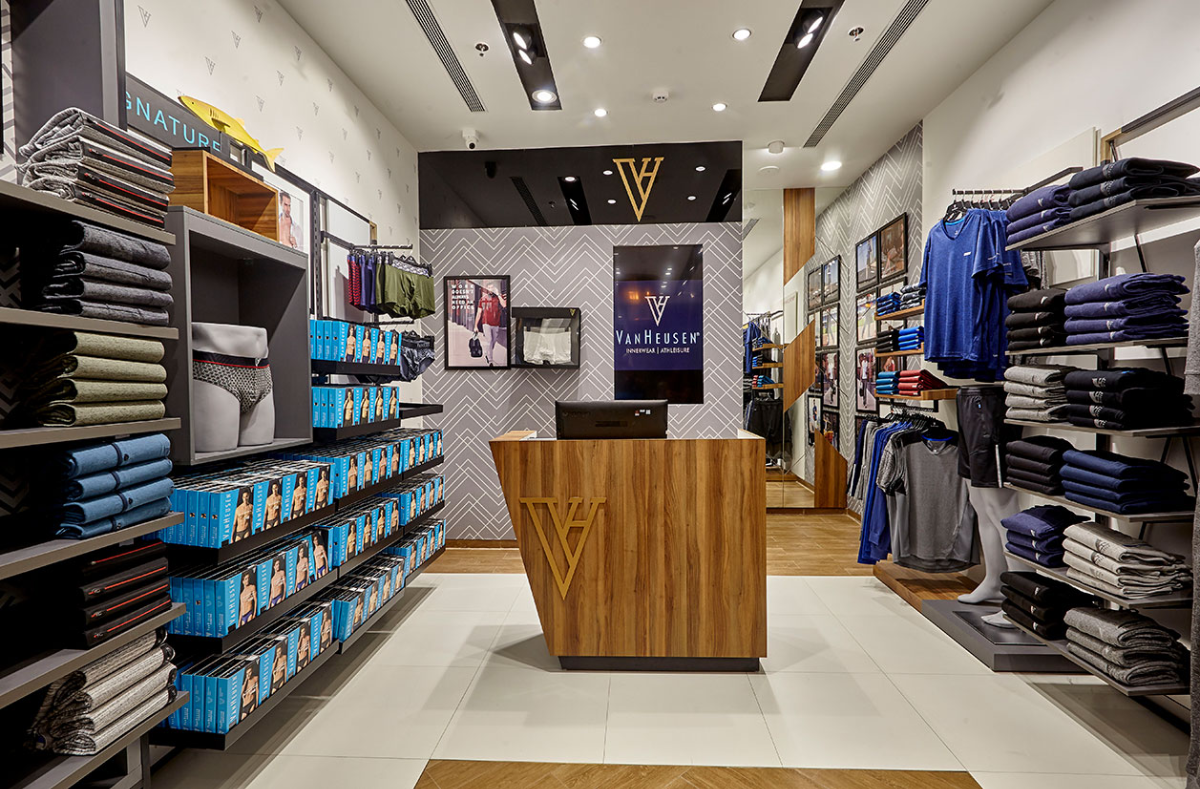
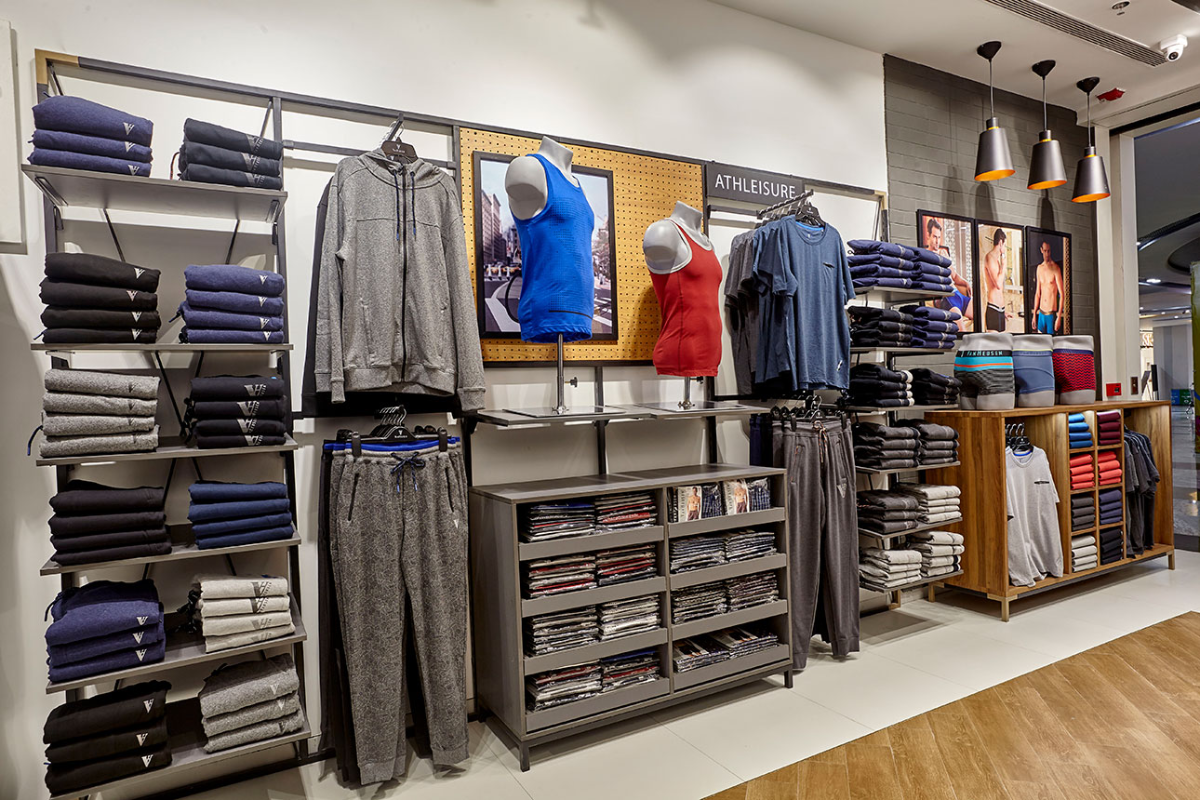
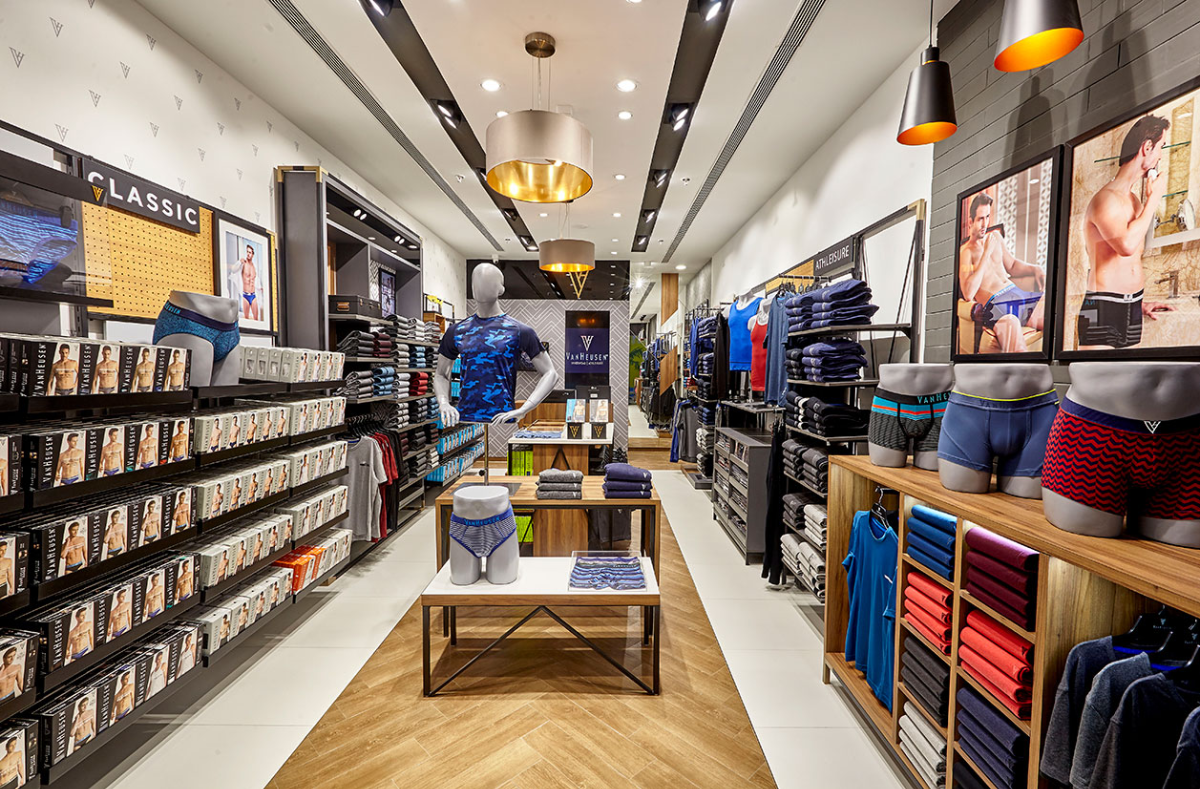
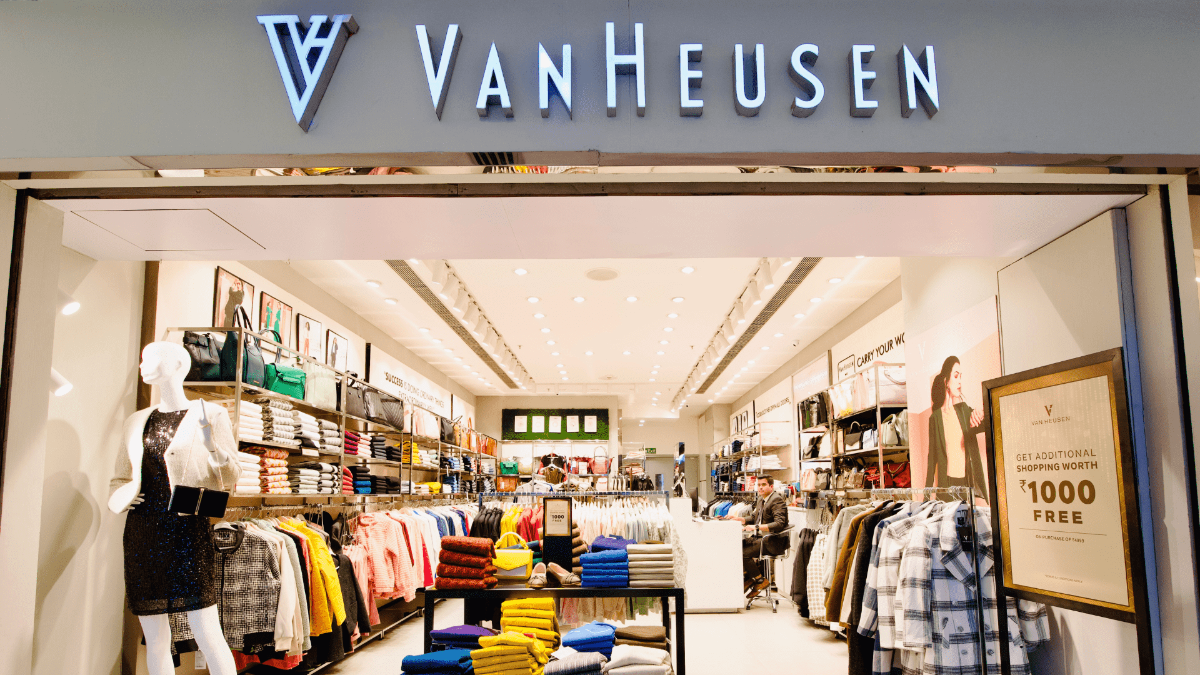
A Van Heusen franchise outlet requires a minimum of 800 square feet of retail space. This footprint is designed for a premium menswear format—displaying formal shirts, trousers, blazers, and accessories across dedicated sections with fitting rooms and counter service. Van Heusen outlets are approved for mall and high-street locations only; standalone or highway formats are not part of the franchise offering, ensuring brand positioning in high-traffic consumer zones.
What is the training duration for a Van Heusen franchise owner?
Van Heusen provides 7 days of initial training for franchise owners and key staff members. Training covers store operations, inventory management, customer service standards, visual merchandising, and ABFRL's point-of-sale systems. The training is delivered by the parent company to ensure consistency across the 500-outlet network. Ongoing support is provided through periodic refresher sessions and field visits by ABFRL's franchise management team.
How hands-on do I need to be as a Van Heusen franchise owner?
Van Heusen requires moderate hands-on involvement from the franchise owner (rated as 'M' on the engagement scale). While day-to-day store operations can be delegated to a manager, the owner is expected to oversee inventory procurement, manage cash flow, monitor sales targets, and maintain compliance with ABFRL's brand standards and operational guidelines. Absentee ownership is not recommended, particularly during peak seasons when inventory decisions and promotional execution directly impact margins.
What margins do Van Heusen franchisees earn on inventory?
Van Heusen franchisees purchase menswear inventory from ABFRL's distribution network at 40–50% discount off maximum retail price (MRP). This wholesale cost structure enables gross margins of approximately 30–40% on retail sales. After accounting for rent, staff salaries, utilities, and the 7% royalty paid to the parent company, net profit margins typically range from 10–15%, dependent on store location, local foot traffic, and operational efficiency.
How many Van Heusen franchise outlets operate in India?
Van Heusen currently operates approximately 500 outlets across India, making it a significant presence in the premium menswear retail segment. These outlets are concentrated in mall and high-street locations in metros and Tier 2 cities where formal-wear demand is strongest. The network has grown under ABFRL's parent ownership, which leverages its distribution infrastructure and supply-chain scale to support franchisee operations across the country.
What is the franchise agreement term for Van Heusen?
Van Heusen franchise agreements have an expiry policy of 3 to 5 years, with the option to renew subject to performance compliance and mutual agreement with ABFRL. Agreement terms include exclusive territory rights, meaning the franchisee is the sole authorized Van Heusen retailer within their assigned geography. Renewal eligibility depends on adherence to brand standards, timely royalty payments, and sales performance targets set by the parent company.
Can I source Van Heusen inventory independently, or must I buy from the parent company?
Van Heusen franchisees must source all menswear inventory from ABFRL's centralized distribution network—independent sourcing is not permitted. This parent-controlled supply model ensures brand consistency across the 500-outlet network and allows ABFRL to maintain pricing discipline and seasonal inventory planning. The tradeoff is that franchisees absorb markdown risk on unsold or seasonal stock, a standard cost-control mechanism in premium apparel franchising that incentivizes efficient inventory turnover.
What types of menswear products does a Van Heusen franchise sell?
Van Heusen franchises specialize exclusively in premium menswear for formal and business occasions. Product categories include formal shirts, trousers, blazers, waistcoats, and formal accessories such as ties and pocket squares. The brand does not carry casual wear, ethnic wear, or accessories beyond the formal category, positioning it narrowly in the corporate dress market. This focused assortment serves working professionals and formal-occasion buyers but limits secondary sales opportunities compared to broader menswear retailers.
How does Van Heusen differ from other premium menswear franchises in India?
Van Heusen operates as a 500-outlet franchise network under ABFRL's ownership, competing directly with peers like Peter England and Louis Philippe, which are also ABFRL brands but operate as separate franchises. Van Heusen's differentiation lies in its focus on premium formal wear for working professionals rather than festive or occasion wear. The 7% royalty-based revenue model shifts retail risk to franchisees but aligns franchisor incentives with store sales performance, a distinction from fixed-fee models where the parent company earns regardless of store profitability.