How do W franchisees make money?
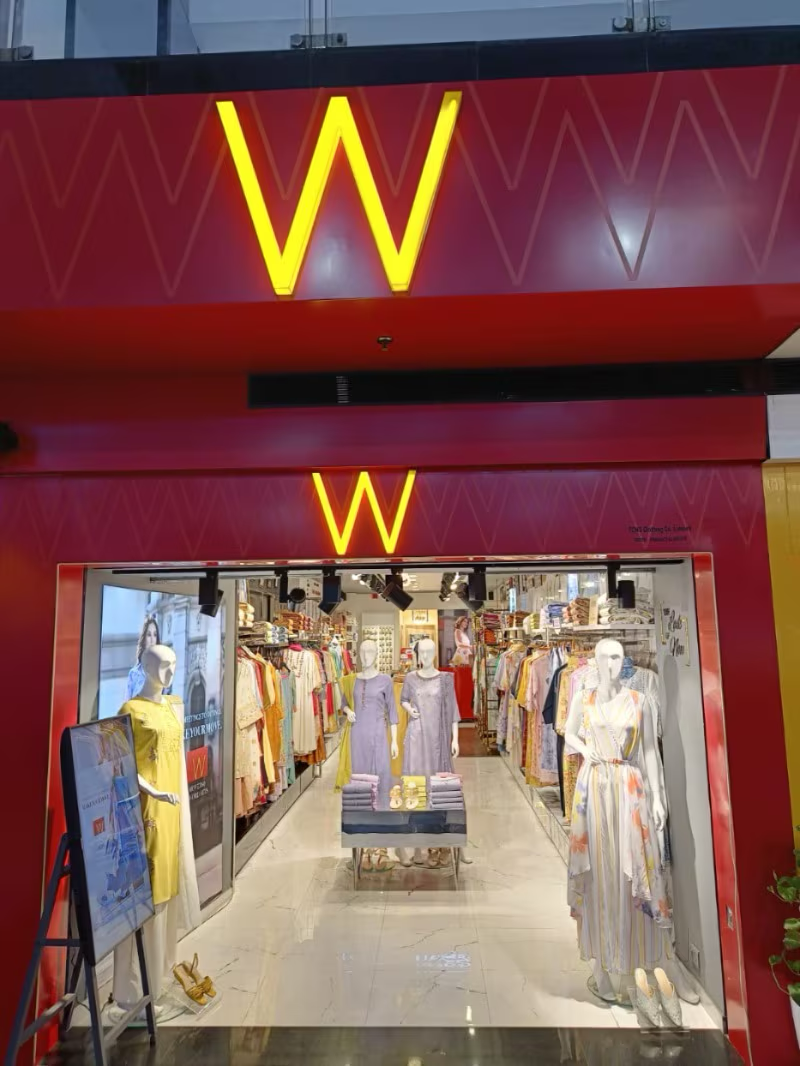
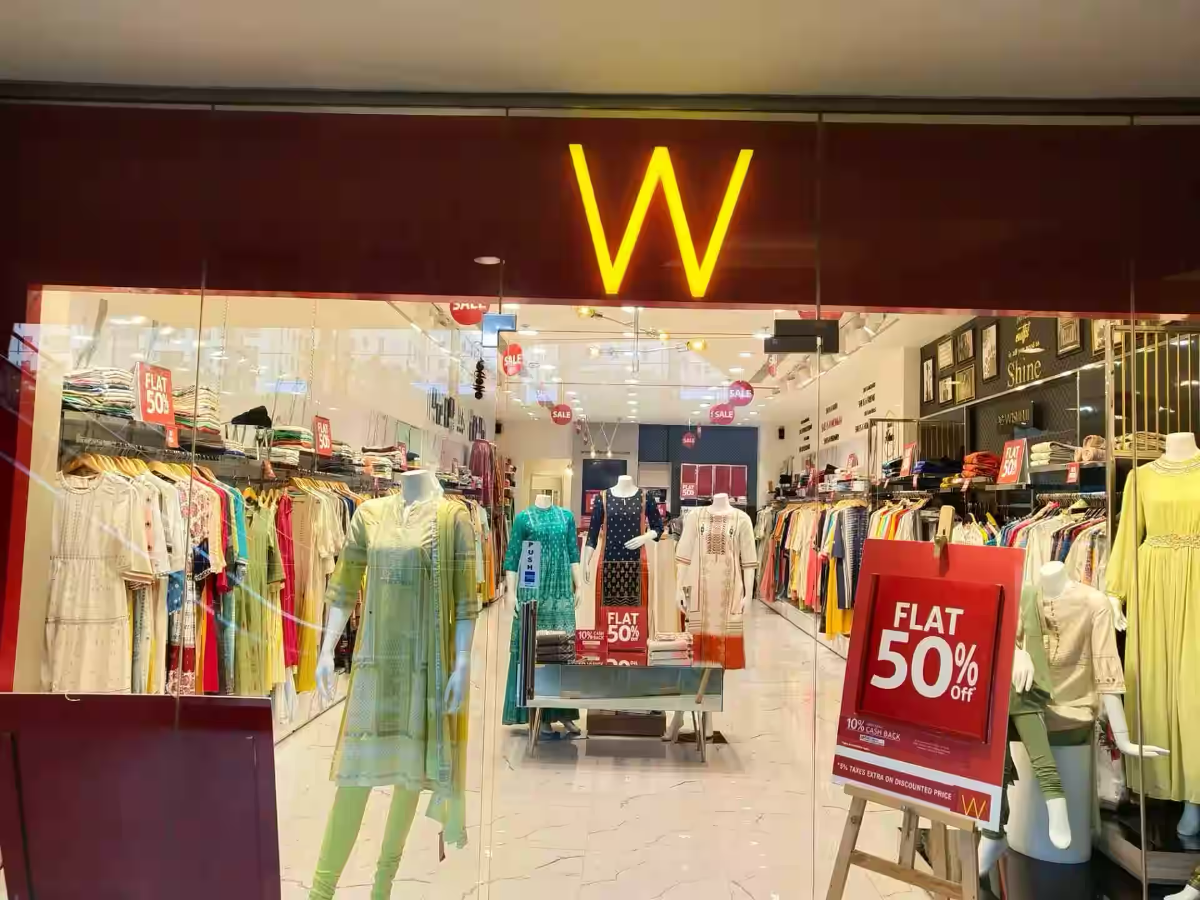
By retailing womenswear—apparel, accessories, and footwear—at margins of 35–48% above parent-supplied wholesale cost. Revenue depends on foot traffic, seasonal demand, and inventory turnover. Franchisees bear full responsibility for markdowns, unsold stock, and working capital management. The exclusive store format (1000 sqft) is the operating unit.
What is the W franchise cost?
Minimum capex is ₹55 lakh; franchise fee is ₹5 lakh. Royalty is 0% (no ongoing royalty on sales). Total entry cost is approximately ₹60 lakh plus working capital for inventory and operating expenses.
What revenue streams does a W franchisee have?
One primary stream: retail sales of womenswear (apparel, accessories, footwear). W franchisees do not earn from styling services, alterations, or other ancillary offerings. Revenue is 100% product-driven retail.
Is W franchise revenue seasonal or steady?
Moderately seasonal. Womenswear retail in India sees peaks during festivals (Diwali, wedding season) and year-end shopping; summer and monsoon are typically softer. Urban locations see more consistent traffic than tier-2 towns. Franchisees should plan for quarterly variance in sales velocity and maintain working capital discipline.
Is W actively franchising in India?
Yes, W is actively franchising in India through two distinct formats: Shop-in-Shop (inside department stores and multi-brand locations) and Exclusive Stores (standalone retail locations in Tier 1-2 cities). The brand operates 300 stores across India and continues to onboard franchisees. W was founded in 1998 and is part of the TCNS Clothing stable, which manages operations and supply chain centrally.
What is the minimum investment needed to open a W Shop-in-Shop franchise?
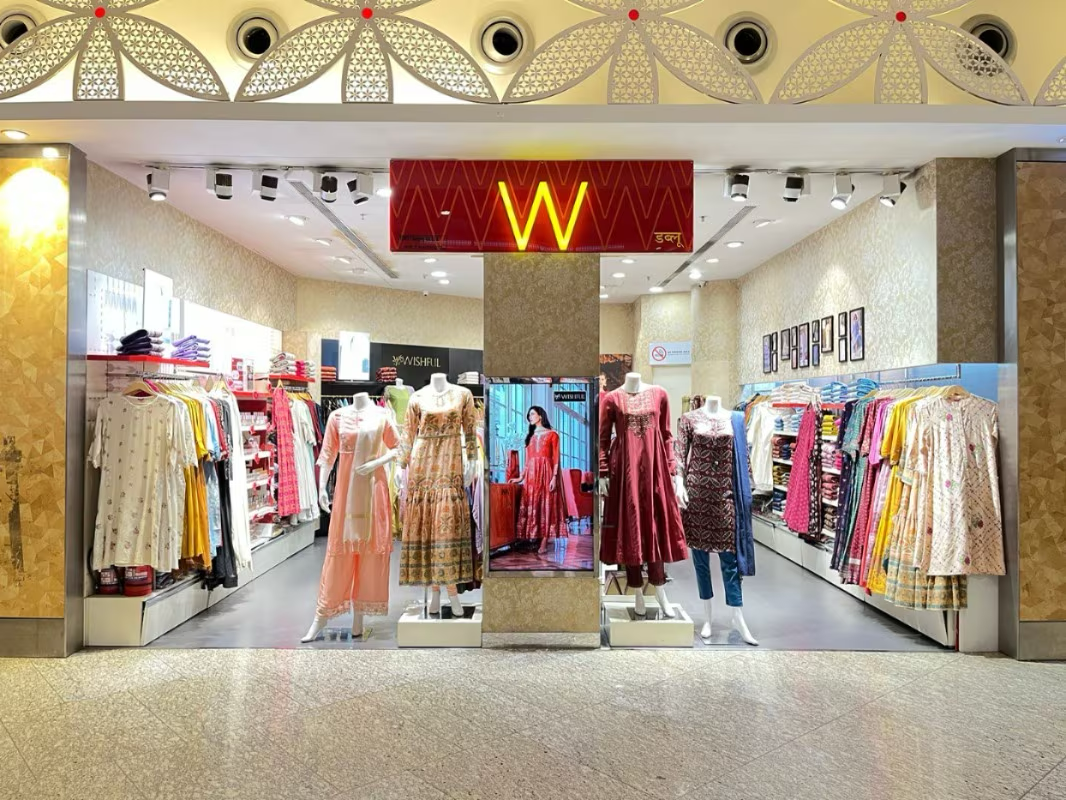
The minimum capex for a W Shop-in-Shop format is ₹15 lakh, with a ₹5 lakh franchise fee and ₹5 lakh working capital requirement. Total entry cost is approximately ₹25 lakh. This format requires only 250 sqft and is housed inside department stores or multi-brand retail locations, meaning the franchisee does not bear location acquisition or construction risk.
What is the total investment for a W Exclusive Store franchise?
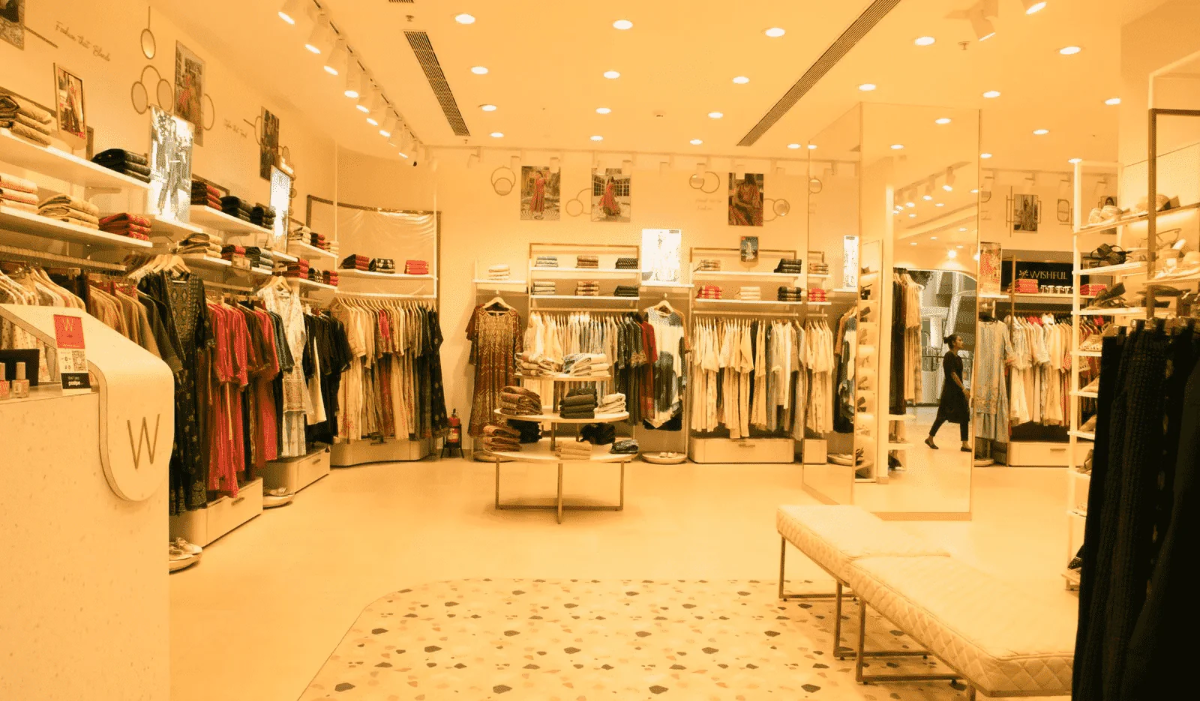
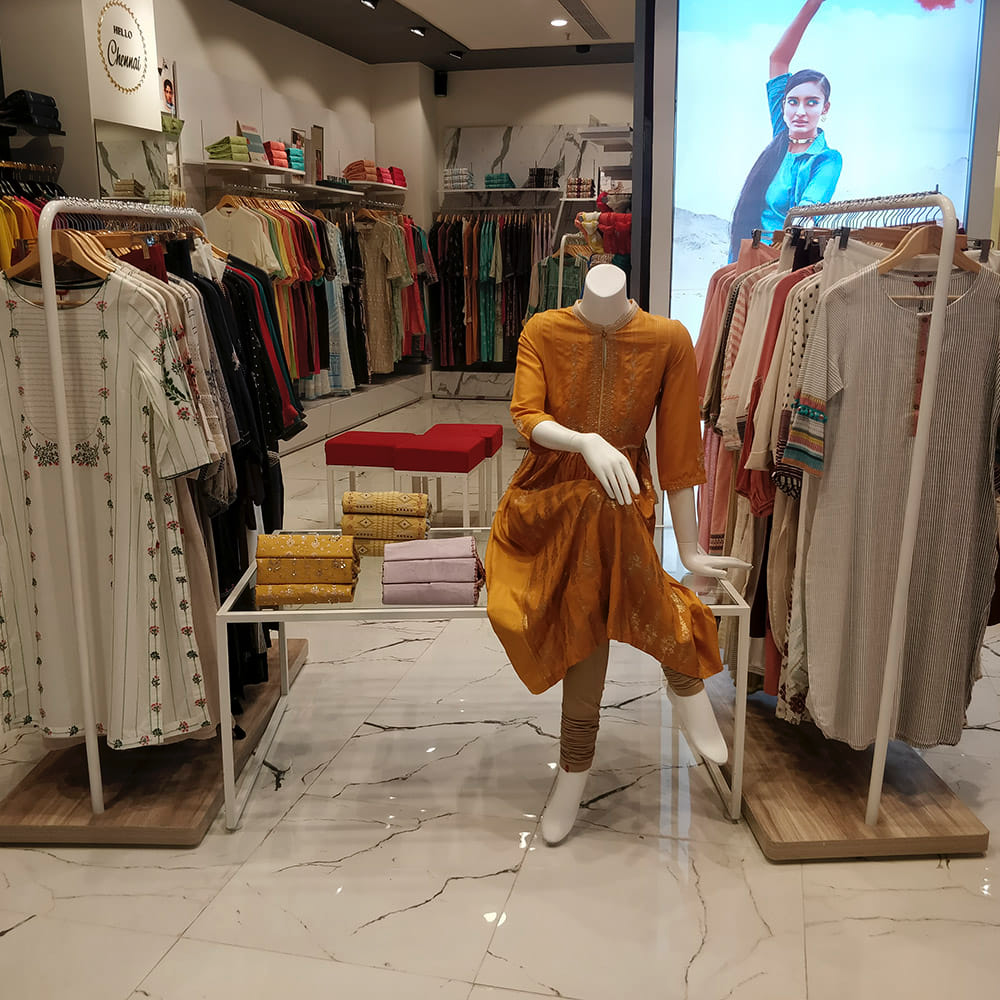
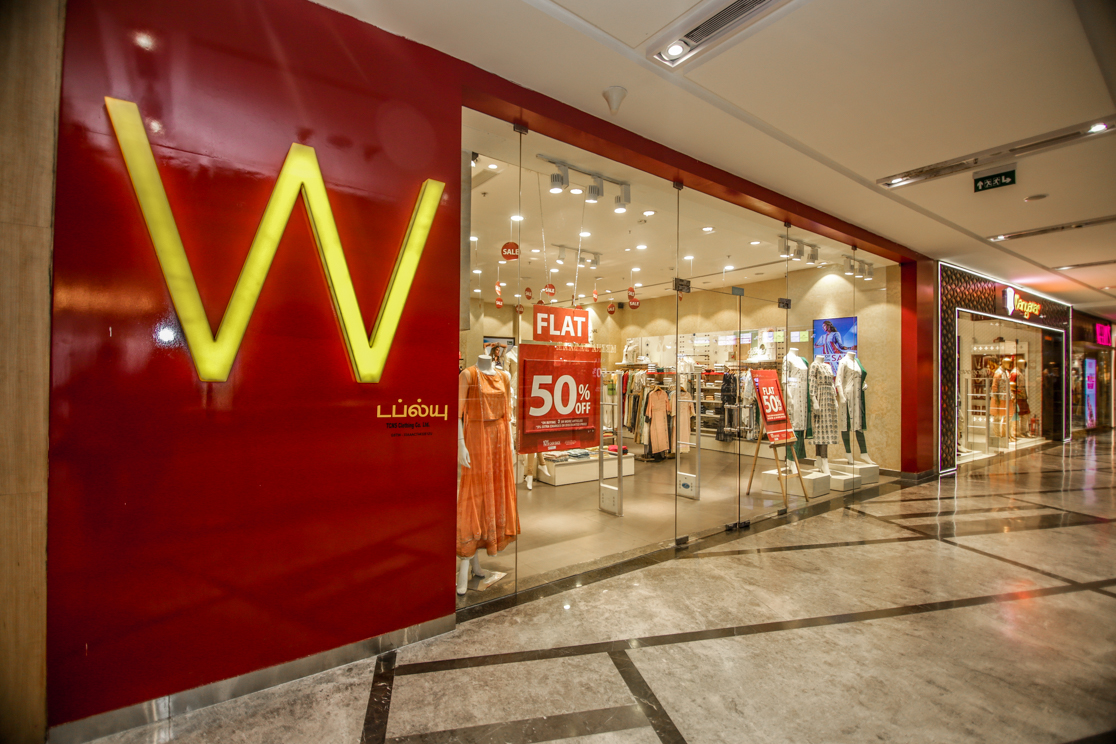
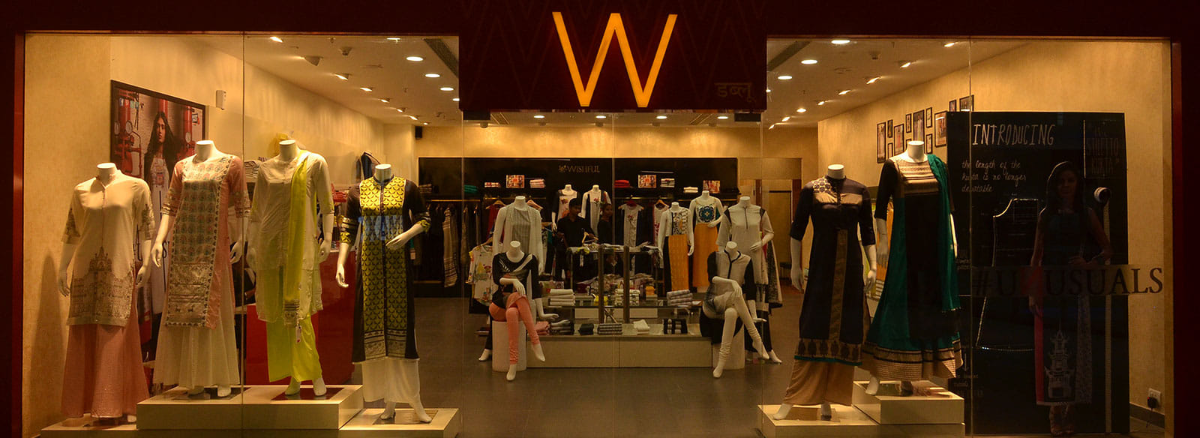
The Exclusive Store format requires ₹55 lakh capex, ₹5 lakh franchise fee, and ₹15 lakh working capital—approximately ₹75 lakh total. This format is 1000 sqft, located in Tier 1-2 city malls and high streets, and comes with exclusive territorial rights within the approved catchment. The larger footprint and exclusivity support higher-margin inventory (35–48%) and hands-on operational involvement.
Does W charge royalty to franchisees?
No, W charges 0% royalty on franchisee sales. There is no ongoing royalty fee for either the Shop-in-Shop or Exclusive Store format. The Exclusive Store format includes a 3% marketing fund contribution, but no sales-linked royalty. This 0% royalty structure shifts revenue economics toward gross margin management rather than top-line sharing.
How much space does a W Shop-in-Shop require?
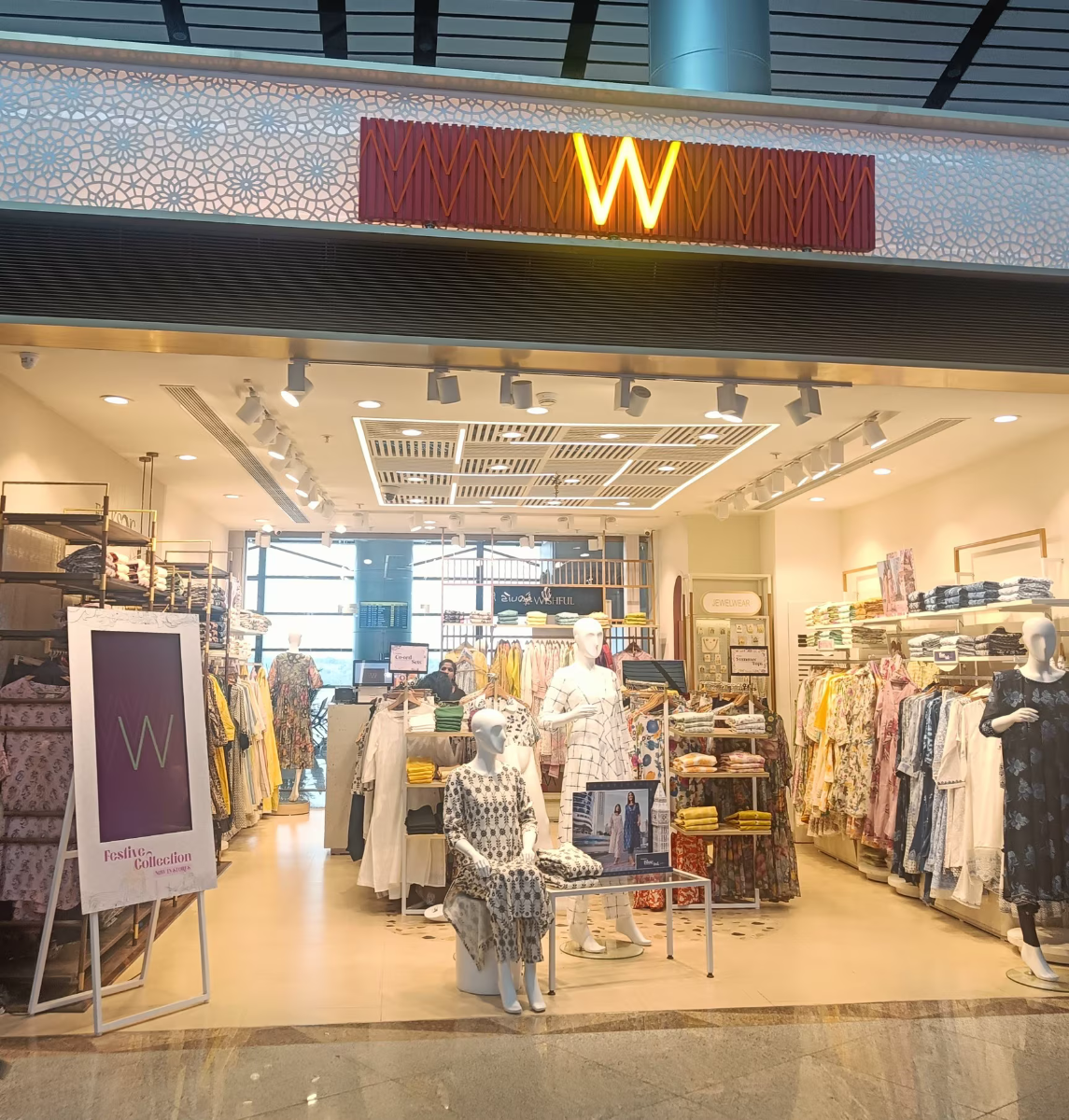
A W Shop-in-Shop requires a minimum of 250 sqft. This compact footprint is designed to operate inside department stores, multi-brand retailers, or large format venues where W leverages host-store foot traffic. The space is typically pre-identified by W in coordination with the host retailer, reducing location-scouting risk for the franchisee.
What is the difference between W's Shop-in-Shop and Exclusive Store formats?
Shop-in-Shop (₹15 lakh capex, 250 sqft, low involvement) operates inside multi-brand or department store locations with non-exclusive territory rights and 28–40% gross margin. Exclusive Store (₹55 lakh capex, 1000 sqft, medium involvement) is a standalone retail outlet in Tier 1-2 malls with exclusive catchment rights, 35–48% gross margin, and a 3% marketing fund. Shop-in-Shop suits capital-light operators; Exclusive Store suits entrepreneurs willing to manage a dedicated location with higher inventory.
How much hands-on involvement is required from a W franchisee?
Shop-in-Shop requires low (L) owner involvement; W's parent company (TCNS Clothing) manages operations, staffing, and supply chain. Exclusive Store requires medium (M) involvement: the franchisee is responsible for day-to-day store management, visual merchandising, staff supervision, and inventory control, though TCNS retains control over SKU mix, pricing, and supply timing.
What training does W provide to new franchisees?
W provides 5 days of training for Shop-in-Shop franchisees and 10 days for Exclusive Store franchisees. Training covers product knowledge, visual merchandising, inventory management, POS systems, and customer service protocols. TCNS Clothing delivers training at the head office or regional hub, and franchisees typically attend before store launch or after hire of key staff.
How many W stores are operating in India currently?
W operates 300 stores across India as of the latest data. This network includes both Shop-in-Shop and Exclusive Store formats across Tier 1-2 cities, department stores, malls, and high streets. The brand has achieved this footprint over 25+ years since its 1998 launch, reflecting steady, incremental expansion aligned with India's organized retail growth.
What gross margin can a W franchisee expect?
Shop-in-Shop franchisees typically achieve 28–40% gross margin, while Exclusive Store franchisees can reach 35–48% gross margin. These margins are earned on retail sales of womenswear (apparel, accessories, footwear) above parent-supplied wholesale costs. Actual margin depends on inventory turnover, seasonal sell-through, and markdown discipline; higher traffic locations and faster inventory velocity support margins toward the upper end of each range.
What is the franchise agreement term for a W Exclusive Store?
A W Exclusive Store franchise agreement has an initial term of 5 years and is renewable. The Shop-in-Shop format carries a 3–5 year expiry policy. Renewal terms and conditions are set by TCNS Clothing at or near the end of each agreement period and may reflect store performance, brand compliance, and operational metrics.
How does W's inventory supply model work?
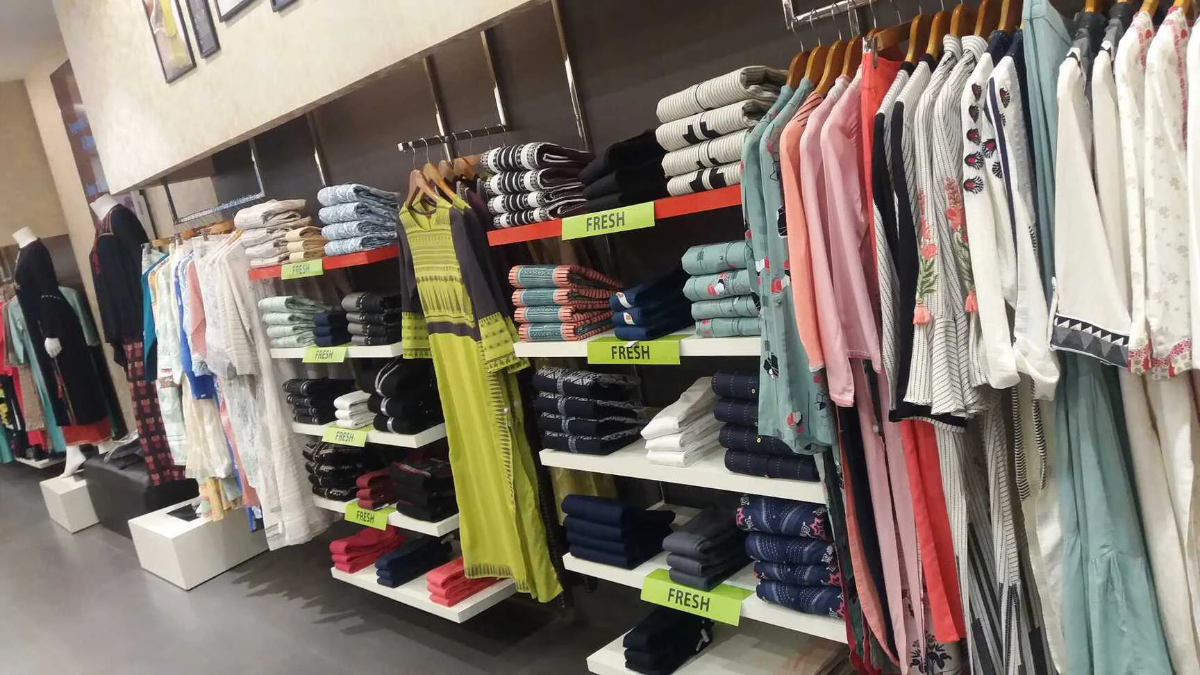
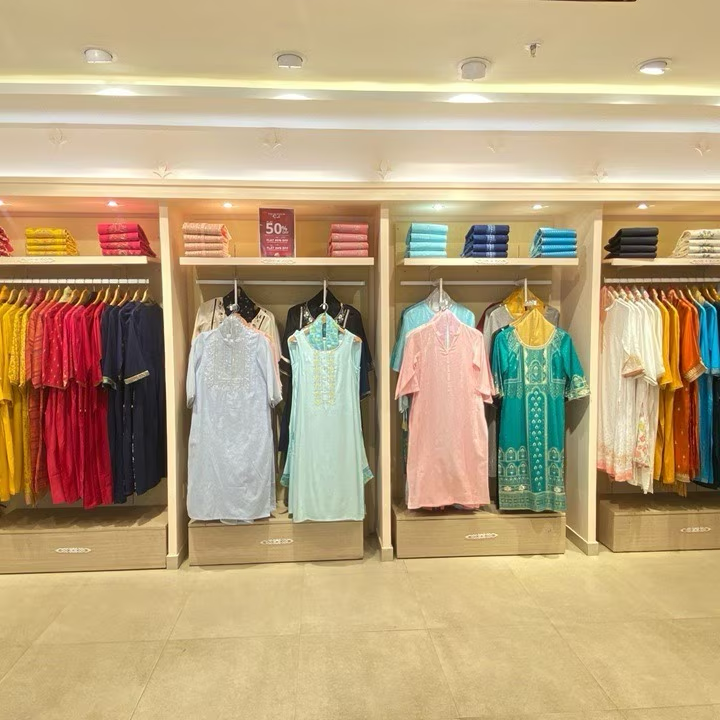
W supplies finished inventory to franchisees through a centralized distribution model managed by parent company TCNS Clothing. Franchisees receive goods at parent-set wholesale costs and retail at margin. TCNS controls SKU mix, quality standards, and supply timing; franchisees do not source independently. Franchisees bear full responsibility for markdowns, seasonal clearance, and unsold stock absorption, making inventory management and sell-through discipline critical to profitability.