How do Westside franchisees make money?
Westside franchisees earn from retail sales of apparel, footwear, and fashion accessories. They purchase inventory at parent-set wholesale prices and sell at retail markups. Gross margins range from 18-42% depending on category and seasonal factors. A 10% royalty is paid on gross sales. Franchisees are responsible for managing store operations, staffing, and absorbing unsold inventory losses through markdowns.
What is the Westside franchise cost?
Initial franchise investment ranges from 1 crore to 2 crores, with a franchise fee of 10 lakhs. Space requirements are typically 2,000-3,000 sq ft for a standalone store format. Total capex varies by location, store design, and inventory stocking levels. A 10% royalty is payable on gross sales, with an anticipated return on investment of 18% and a capital payback period of 2-3 years based on historical franchisee performance.
What revenue streams does a Westside franchisee have?
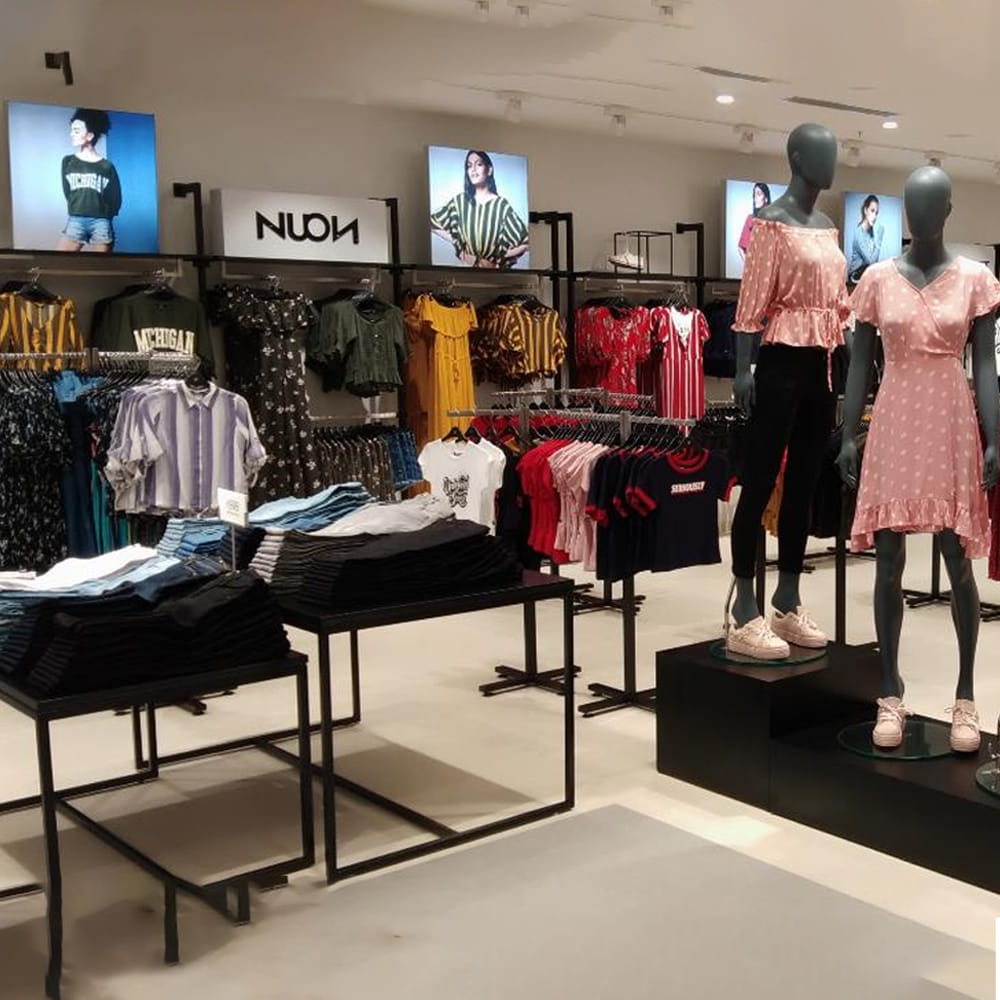
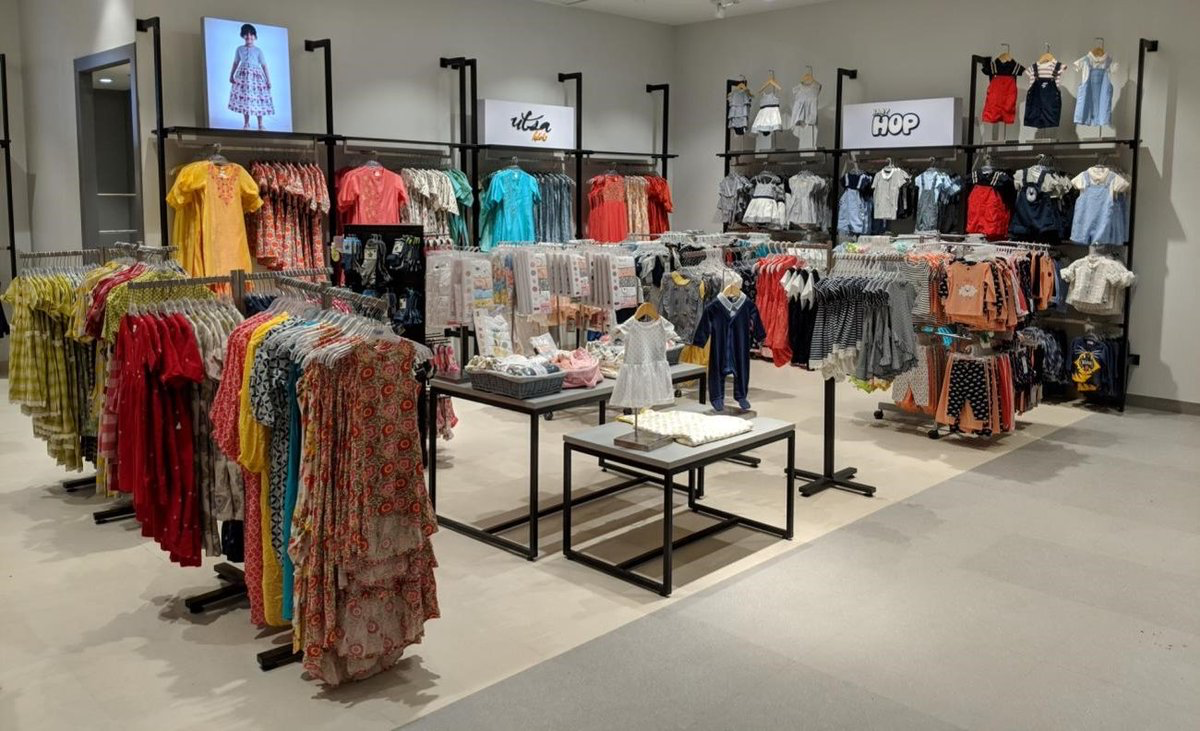
The primary revenue stream is retail sales of apparel, footwear, and fashion accessories across mens, womens, and kids categories. Secondary revenue comes from seasonal and promotional sales during festival periods and clearance events. These are the only revenue lines; Westside franchisees do not earn from adjacent Tata Group brands or services outside the Westside store format.
Is Westside franchise revenue seasonal or steady?
Westside revenue is seasonal. Fashion retail in India shows stronger demand during festival periods (Diwali, year-end, back-to-school) and weaker demand during summer off-seasons. Franchisees should expect month-to-month variation rather than flat, predictable sales. Individual store performance also depends heavily on mall location quality and local demographics.
Is Westside actively franchising in India?
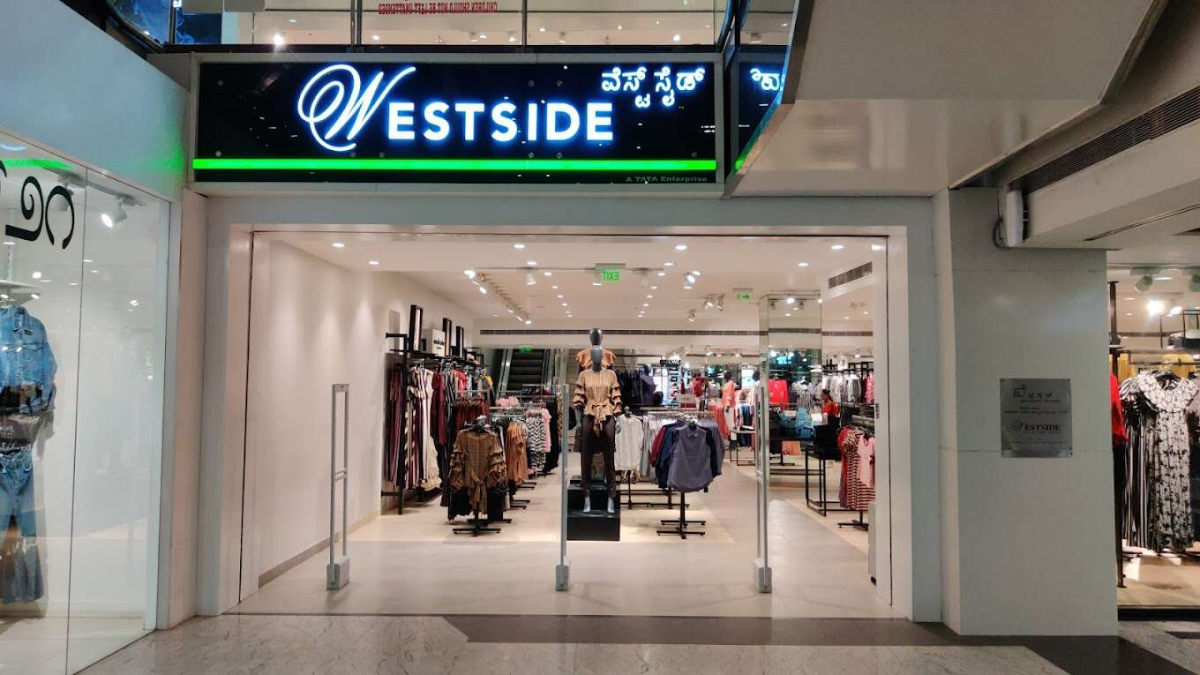
Yes, Westside is actively franchising in India. The brand, part of the Tata Group since its founding in 1998, operates 248 stores across the country and actively seeks franchise partners for new locations. Westside franchises operate under a FOCO (Franchise Owned, Company Operated) model, where the franchisor retains full operational control while the franchisee invests capital and owns the real estate relationship.
What is the total investment required for a Westside franchise?
Total investment for a Westside franchise ranges from ₹1 crore to ₹2 crore depending on the store format. The Exclusive Store format requires ₹1 crore capex plus ₹50 lakh working capital, while the Showroom format requires ₹2 crore capex plus ₹80 lakh working capital. Both formats include a ₹10 lakh franchise fee. Investment covers store design, fit-out, inventory stocking, and initial operating costs.
How much space does a Westside franchise store require?
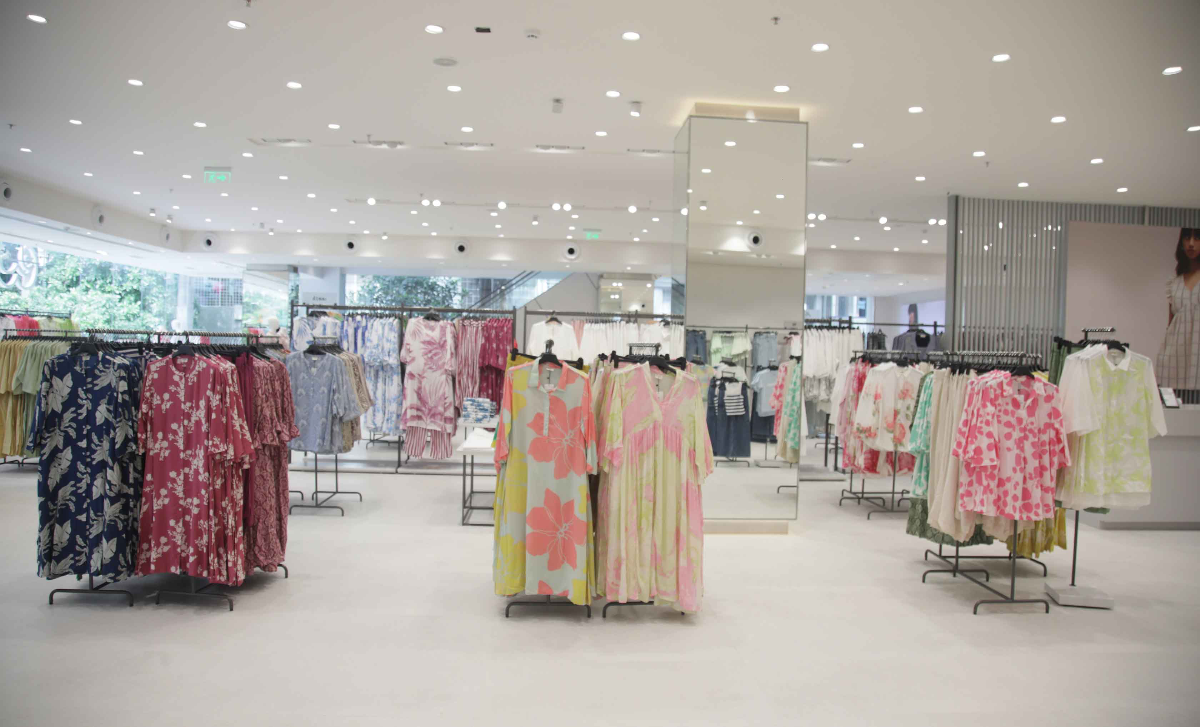
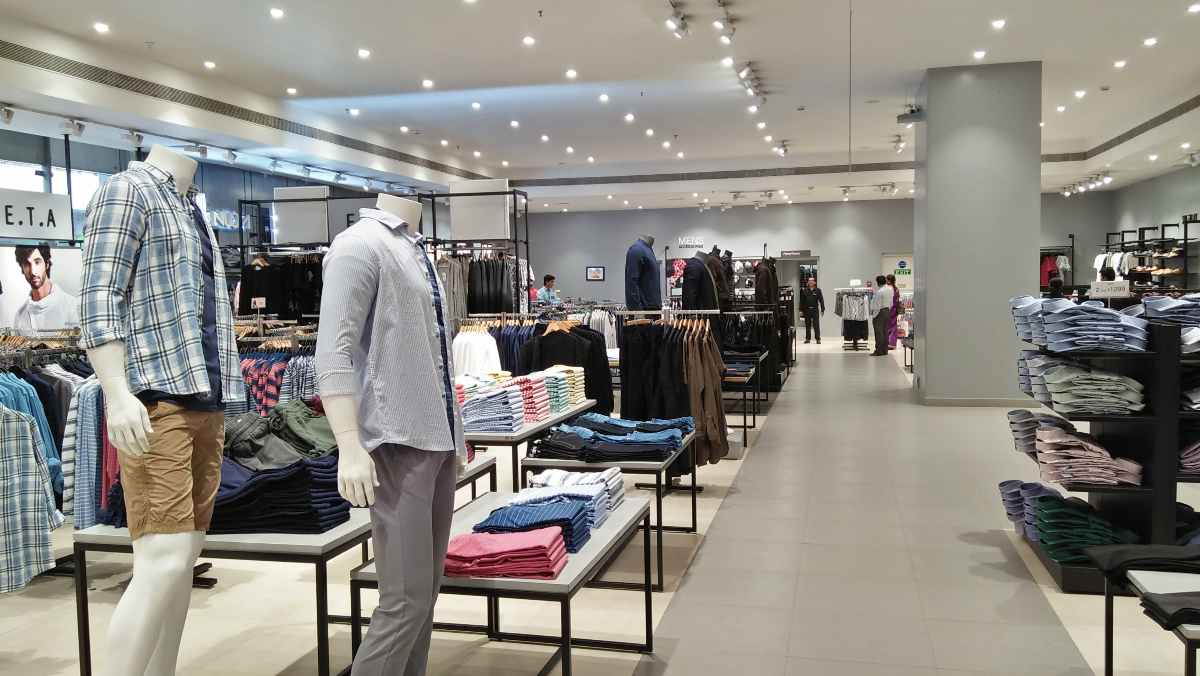
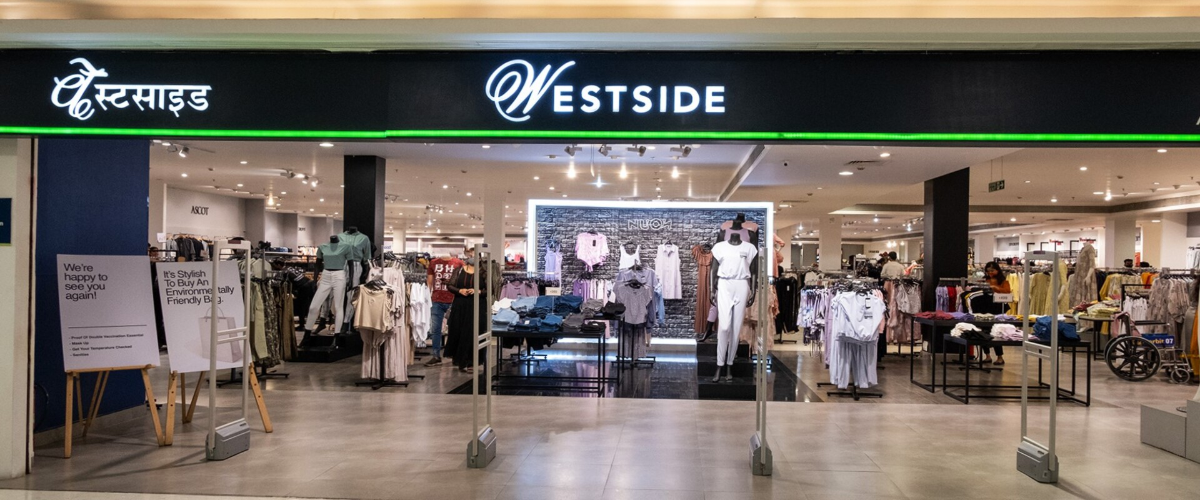
Westside franchise stores require a minimum of 2,000 sq ft for the Exclusive Store format and 3,000 sq ft for the Showroom format. Space requirements account for retail display areas, fitting rooms, back-office, and inventory storage. Location selection within high-footfall malls is critical, as the FOCO model places operational responsibility entirely on Westside, making store visibility and accessibility key drivers of sales performance.
What is the franchise fee for Westside?
The Westside franchise fee is ₹10 lakh, applicable to both the Exclusive Store and Showroom formats. This one-time fee covers initial training, brand access, and onboarding support. The fee is separate from capex and working capital requirements, which together form the bulk of the upfront investment.
Does Westside charge royalty on franchise sales?
Yes, Westside charges a 10% royalty on gross sales. This is calculated across all revenue from apparel, footwear, and fashion accessories sold in the store. The royalty is paid regardless of profitability and is a fixed cost that directly impacts net margins. There is no separate marketing fund charge; the 10% royalty is the only ongoing percentage-based fee.
What is the gross margin range for a Westside franchise?
Westside franchisees operate with a gross margin range of 18-42% depending on product category, seasonality, and promotional mix. Margins vary significantly between regular-season sales and clearance periods. The wide range reflects the diversity of the apparel portfolio (mens, womens, kids) and Tata's centralized pricing strategy, which leaves limited room for franchisee-level margin optimization. Higher-margin categories and better location performance push toward the 42% ceiling.
How much hands-on involvement is required from a Westside franchisee?
Westside operates a passive-ownership model where the franchisee is not required to be hands-on. Under the FOCO structure, Westside retains full operational control of daily store management, staffing, merchandising, pricing, and promotional decisions. The franchisee's role is to invest capital, secure the real estate, and collect returns. This model suits investors seeking passive real-estate-backed income without retail operations responsibility.
How many Westside stores are there in India?
Westside operates 248 stores across India. The brand has sustained this network across organized retail and mall-based locations since its founding in 1998 under Tata Group ownership. Store count serves as the primary growth metric for the franchise system, with expansion driven by availability of high-quality mall real estate and franchisee capital commitments.
What is the difference between the Exclusive Store and Showroom formats for Westside?
The Exclusive Store format requires 2,000 sq ft and ₹1 crore investment, while the Showroom format requires 3,000 sq ft and ₹2 crore investment. Both are FOCO models where Westside operates the store. The Showroom format offers larger display capacity and typically targets higher-footfall mall locations. Both formats earn revenue on a commission-based model tied to sales performance, with identical 10% royalty and 18-42% gross margin structure.
How long is the training period for a Westside franchisee?
Westside provides 5 days of training for new franchisees. Training covers brand operations, inventory management systems, and the passive-ownership framework specific to the FOCO model. Given that day-to-day store operations remain under Westside's control, training focuses on the franchisee's role in capital deployment, real estate management, and financial performance monitoring rather than hands-on retail operations.
What is the franchise agreement term for Westside?
Westside franchise agreements are structured for a 7-year term and are renewable. Both the Exclusive Store and Showroom formats operate under the same expiry and renewal policy. Franchisees receive exclusive territory rights during the agreement term, meaning no competing Westside stores are permitted within the designated geography. Renewal terms and conditions are subject to agreement at the time of contract expiration.
How does inventory and supply work in a Westside franchise?
Westside operates a parent-controlled inventory model where franchisees do not independently source merchandise. All inventory flows from Tata's centralized supply chain at predetermined wholesale costs set by the parent company. Franchisees bear the markdown risk on seasonal and slow-moving stock, which directly impacts net margins. The parent company controls pricing strategy, promotional calendars, and inventory allocation across the 248-store network, ensuring brand consistency but limiting franchisee cost negotiation leverage.