How do Xiaomi franchisees make money?
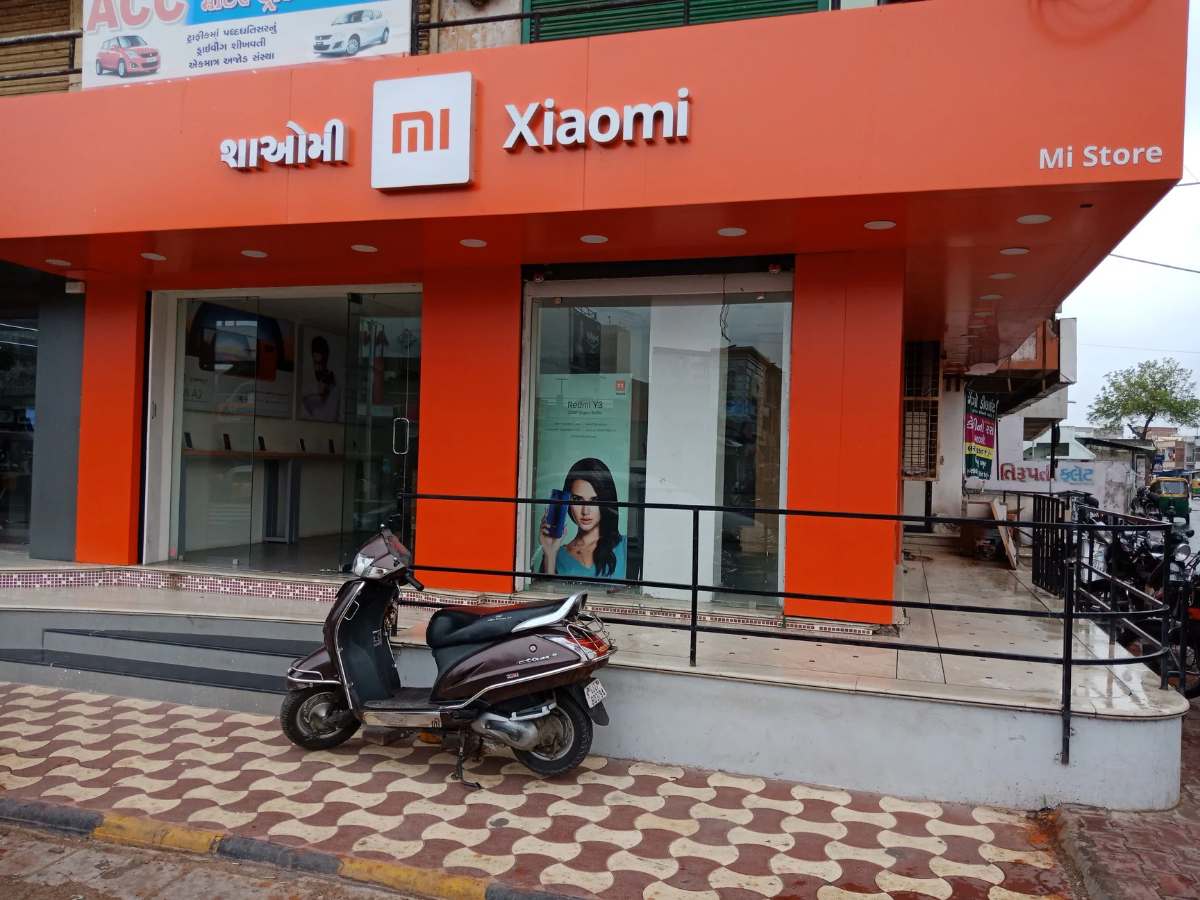
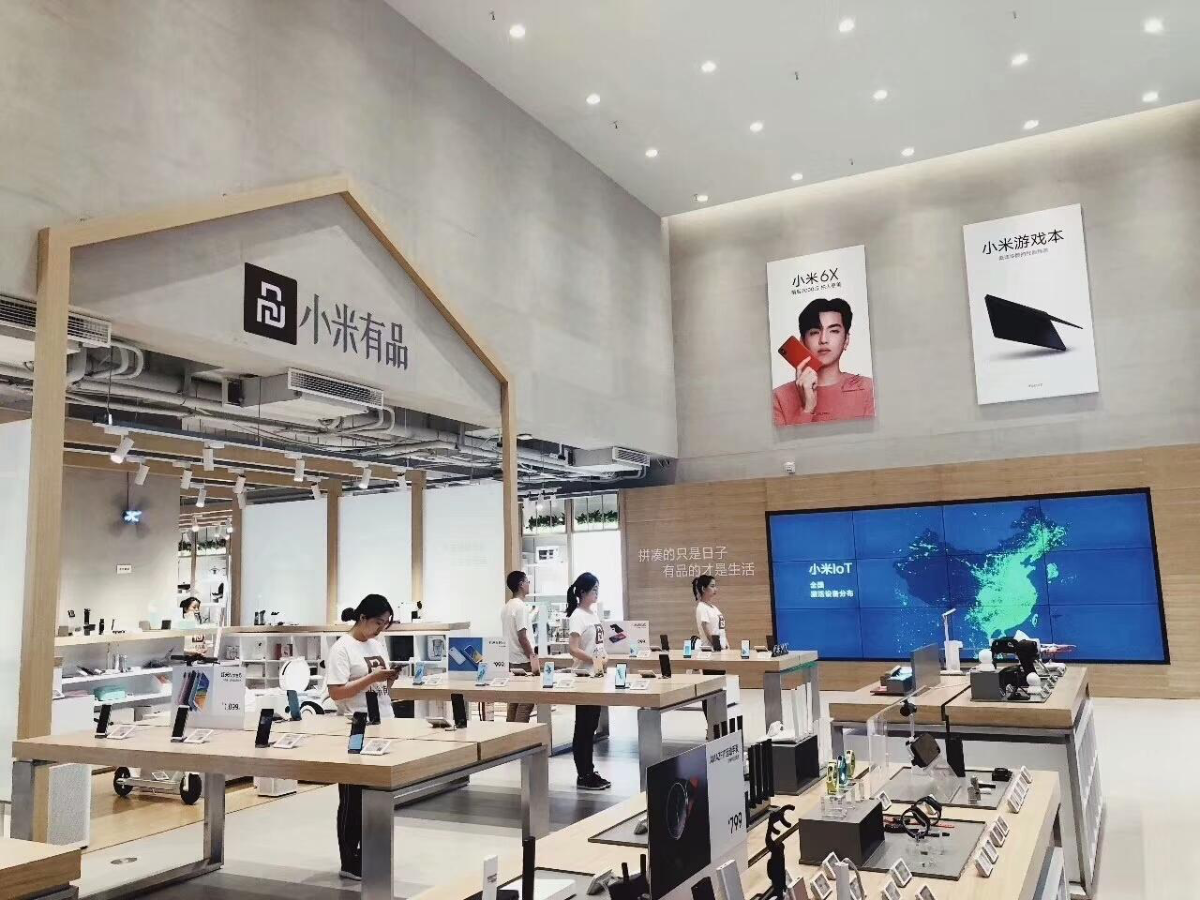
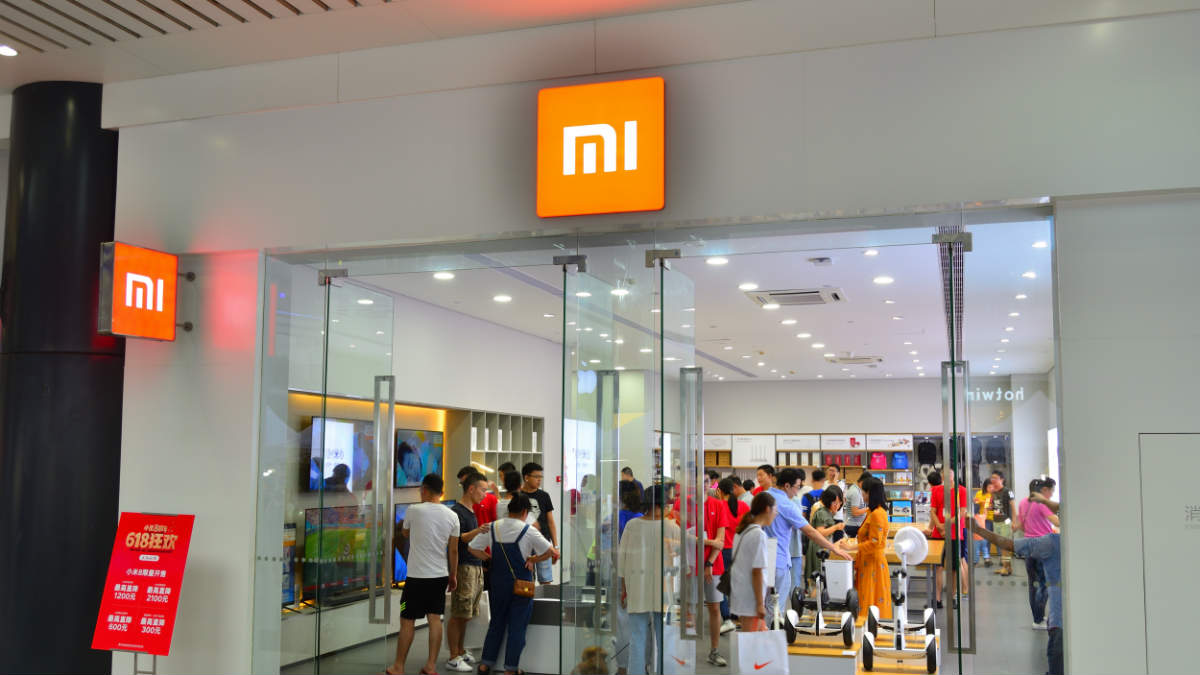
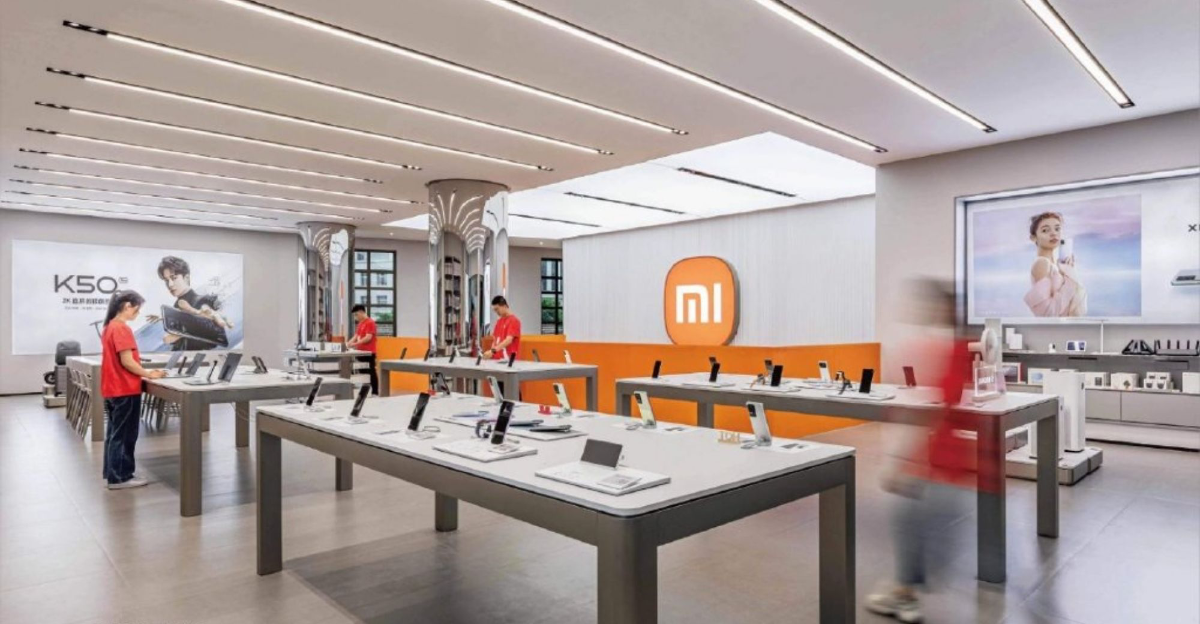
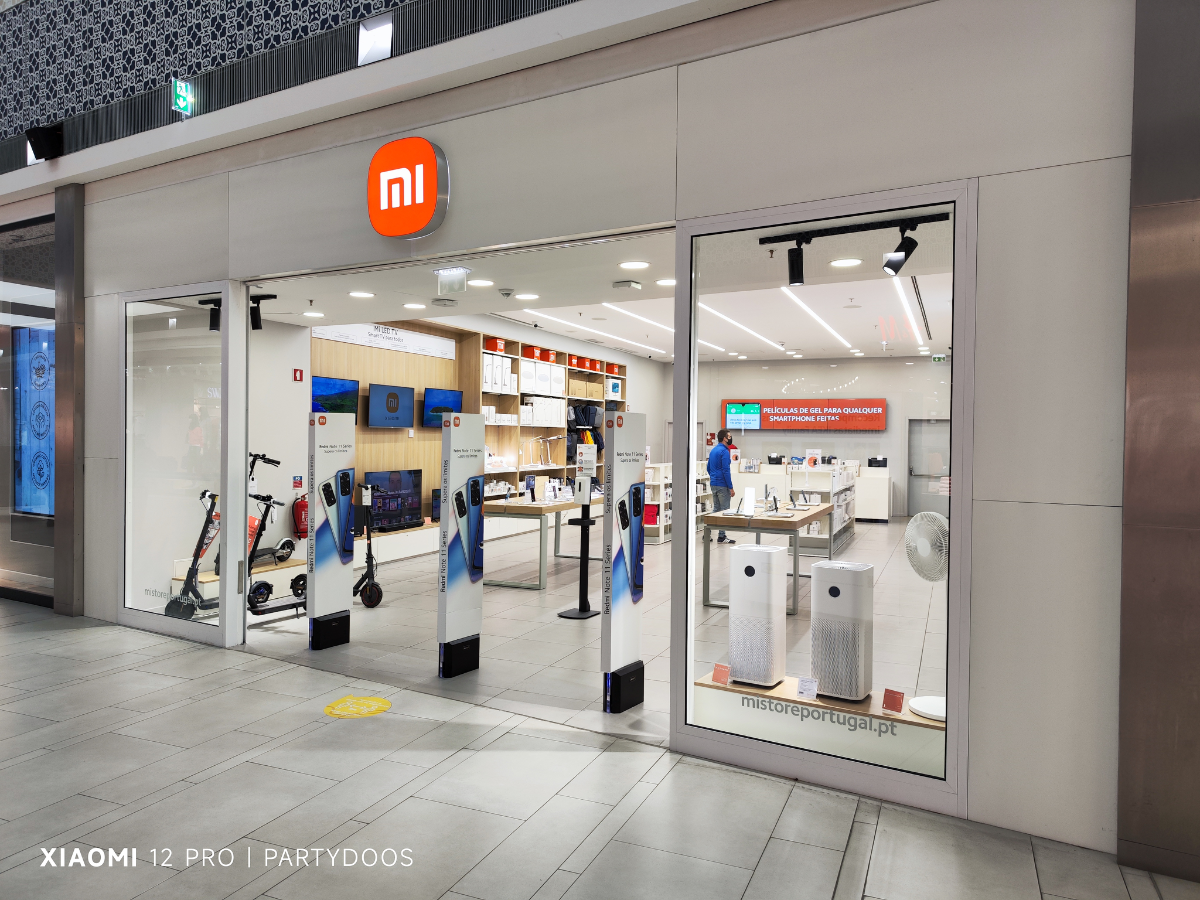
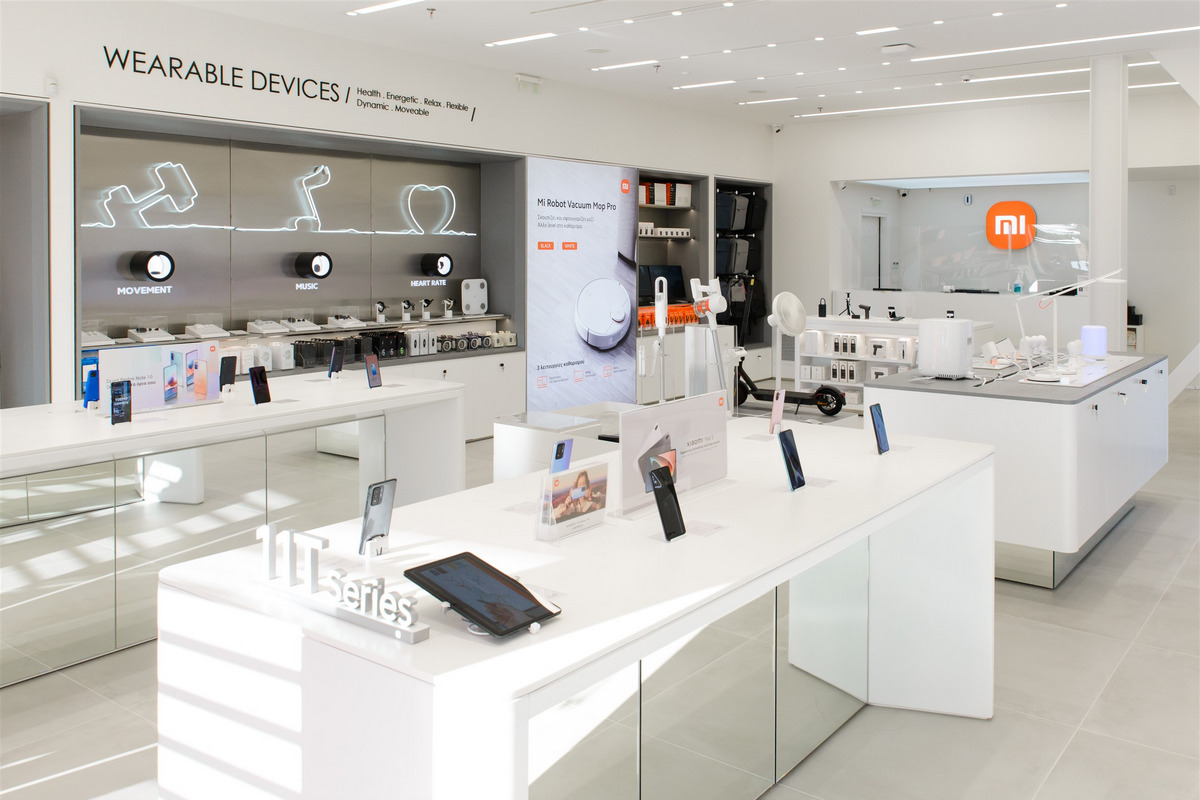
Xiaomi franchisees earn revenue by retailing Xiaomi-branded smartphones, tablets, wearables, and accessories at their exclusive store. They purchase inventory from Xiaomi at a wholesale cost and retain the retail margin (typically 12-25% gross margin). The franchise operates without ongoing royalties, so profit is purely transaction-based on product sales volume and margin management.
What is the Xiaomi franchise cost?
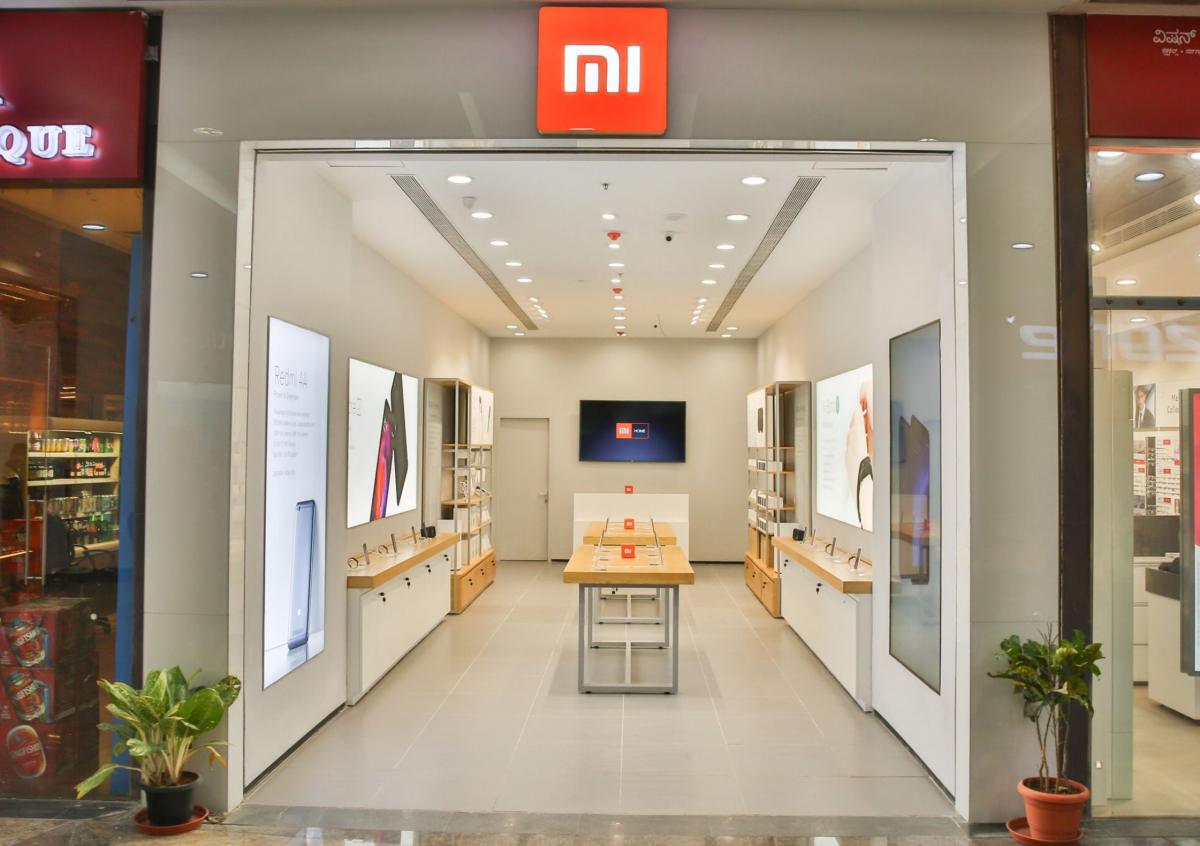
The canonical model requires a minimum capital expenditure of ₹10 lakhs and a franchise fee of ₹10 lakhs. There are no ongoing royalties. Gross margins on product sales typically range from 12-25%. Store format is exclusive retail, approximately 300 square feet.
What revenue streams does a Xiaomi franchisee have?
Xiaomi franchisees earn from: (1) retail sales of Xiaomi smartphones, tablets, and wearables, and (2) sales of Xiaomi-branded accessories. These are the only verified revenue streams; services such as repair, warranty claims, or financing are not confirmed as part of the franchisee contract.
Is Xiaomi franchise revenue seasonal or steady?
Consumer electronics retail demand is relatively steady year-round, though seasonal peaks occur during festivals (Diwali, year-end) and new product launches. Unlike food or apparel, the category is not weather-dependent. However, competitive pricing pressure and online retail growth create margin volatility.
How many Xiaomi franchise stores operate in India?
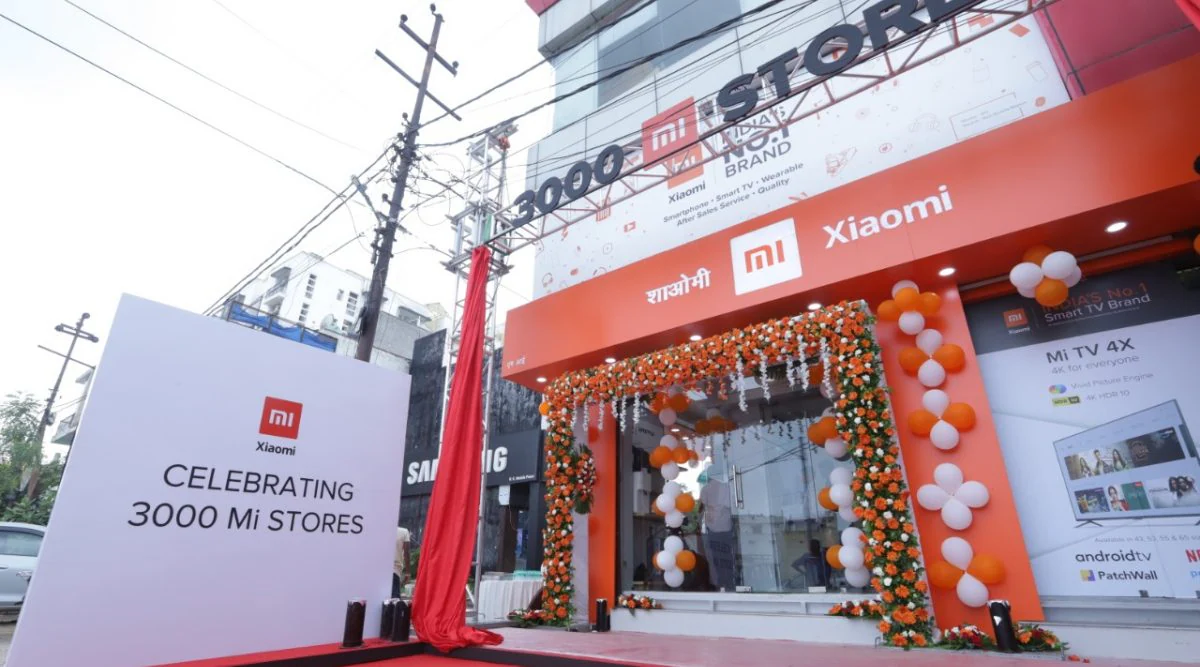
Xiaomi operates approximately 3,000 exclusive stores across India as of the latest count. This network spans metros, tier-1, tier-2, and tier-3 cities, reflecting the brand's expansion since 2014. Store density varies by region; tier-2 and tier-3 cities still have growth headroom for new franchisees, though territory allocation depends on local market saturation and Xiaomi's expansion strategy.
What is the minimum space requirement for a Xiaomi franchise store?
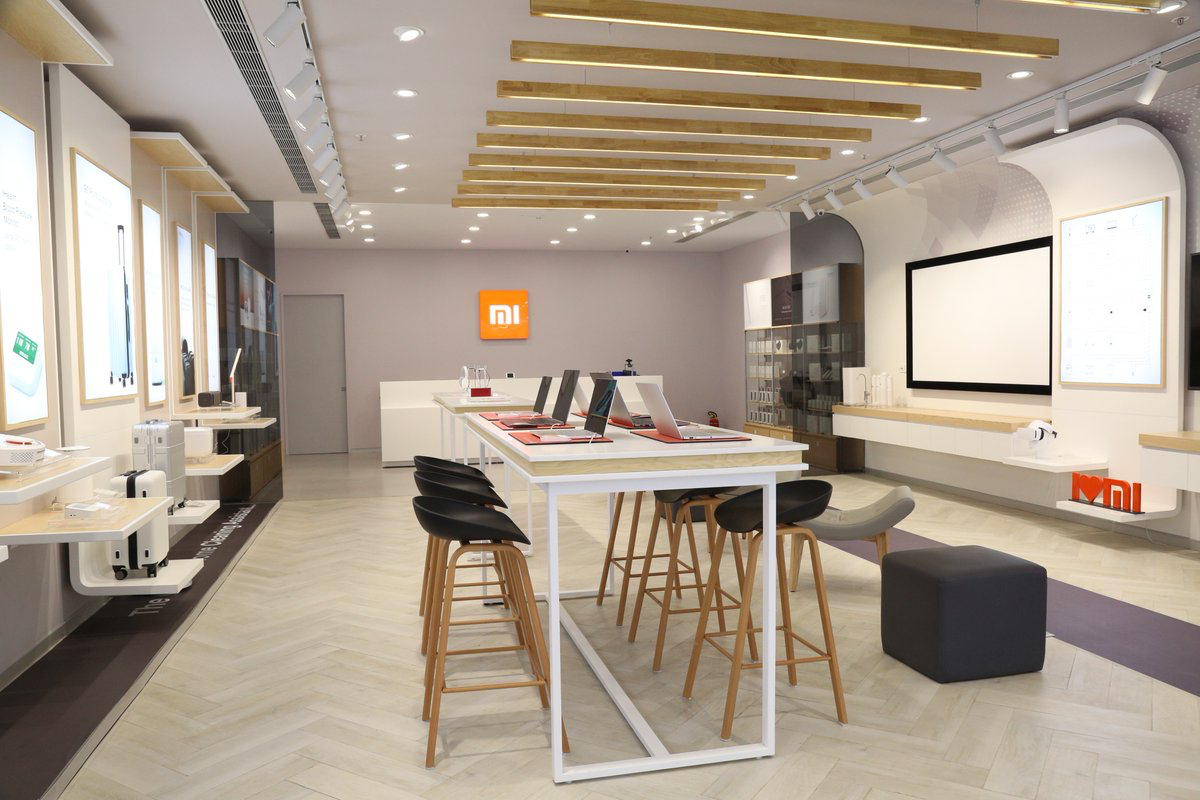
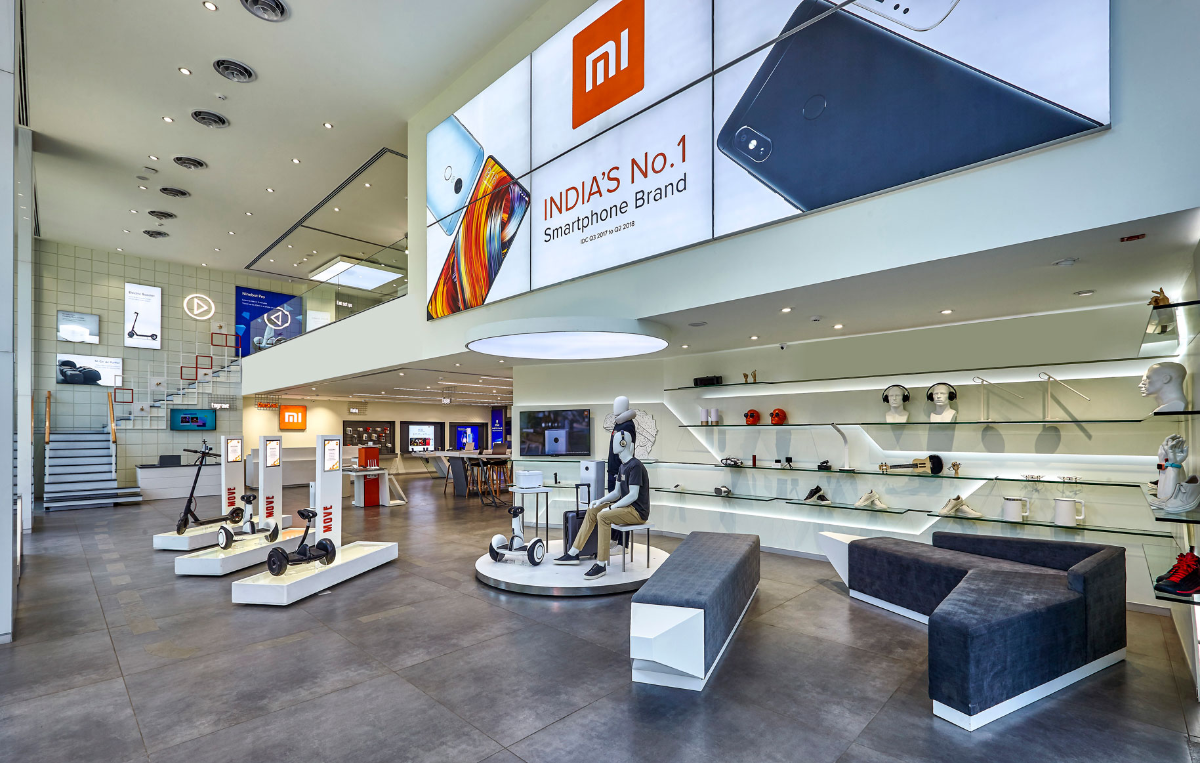
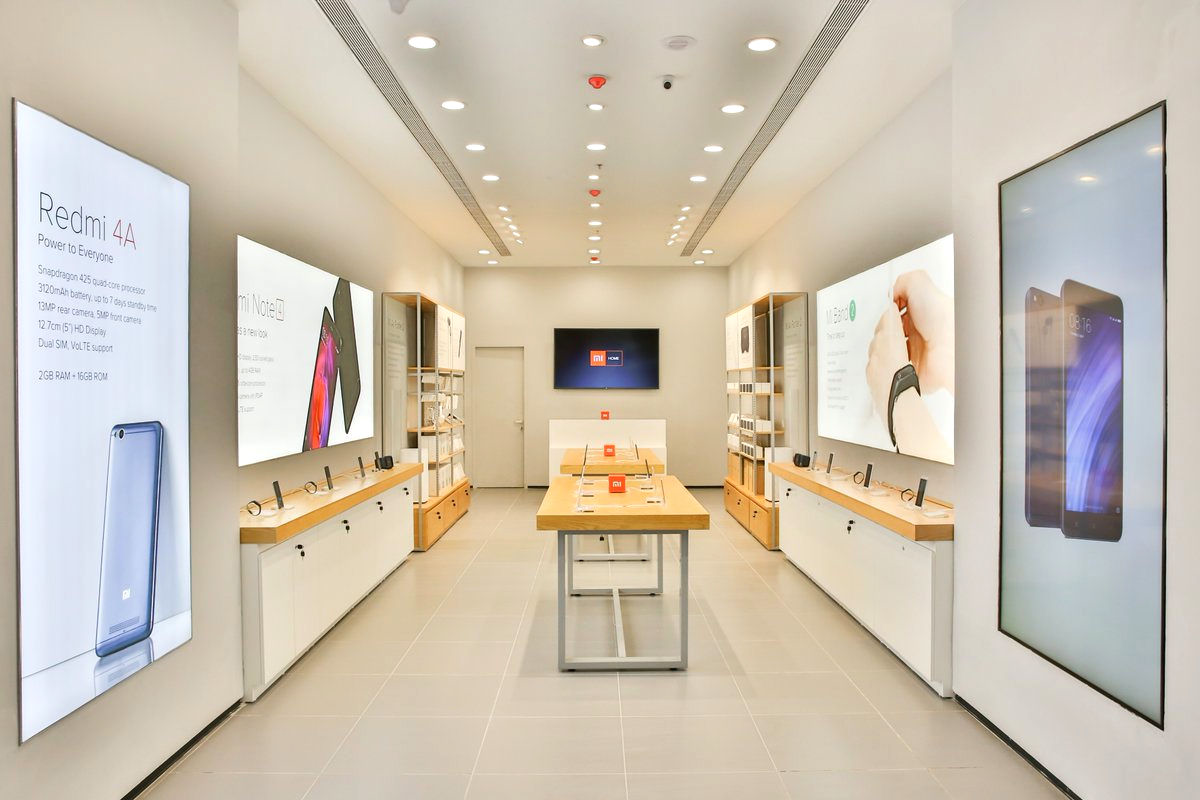
The minimum space required for a Xiaomi Exclusive Store is 150 square feet. The canonical format operates at 300 square feet and allows for product display, customer engagement, and point-of-sale setup. Smaller formats (Service Centre, 200 sqft) focus on repairs and after-sales support. Space allocation depends on the franchise model selected and local real-estate availability.
Does Xiaomi charge royalty or marketing fees to franchisees?
No. Xiaomi charges zero royalty on revenue and zero marketing fund contribution from franchisees across all franchise models. The brand operates a pure margin-based revenue model—franchisees profit solely from the wholesale-to-retail product margin without ongoing fee obligations. This structure means franchisee earnings are not diluted by royalty payments upward to the parent company.
What is the franchise fee for a Xiaomi Exclusive Store?
Xiaomi offers two Exclusive Store formats with different franchise fees. The standard Exclusive Store requires a ₹10 lakh franchise fee with ₹10 lakh capex and ₹15 lakh working capital. A compact Town Exclusive format charges ₹5 lakh franchise fee with ₹12 lakh capex and ₹8 lakh working capital. Both operate royalty-free. The choice depends on location tier, capital availability, and territory rights needed.
What is the total investment needed to open a Xiaomi Service Centre?
A Xiaomi Service Centre (authorized repair and after-sales hub) requires approximately ₹3 lakh capex, ₹2 lakh working capital, and zero franchise fee—total ₹5 lakh minimum entry cost. This format operates on a fee-per-repair revenue model with 30-40% gross margin on service and parts sales. It suits entrepreneurs with technical expertise or existing service infrastructure who want to enter Xiaomi's ecosystem without high-capital retail commitment.
How much hands-on involvement does a Xiaomi franchisee need?
Ownership involvement varies by format. Service Centre and compact Exclusive Store models (Town Exclusive) require moderate involvement—you handle day-to-day operations, inventory management, and customer interaction. The standard Exclusive Store (₹10 lakh fee) demands higher involvement—you own and operate the full retail business, including staffing, merchandising, and sales targets. Franchisees cannot be passive investors; active presence or a dedicated manager is expected.
What is the gross margin for a Xiaomi Exclusive Store?
Xiaomi Exclusive Store franchisees earn a gross margin of 12-25% on product sales. This is the retail margin between Xiaomi's wholesale cost and the retail selling price set by the brand. Margins vary by product category (higher on accessories, lower on flagship phones due to price competitiveness). A Service Centre format offers higher margins of 30-40% on repair and parts revenue, reflecting different unit economics.
How long is the training period for a Xiaomi franchisee?
Xiaomi provides 5 days of training to all franchisees, covering product knowledge, point-of-sale systems, inventory management, customer service standards, and brand presentation. Training is standardized across Exclusive Store and Service Centre formats. The 5-day period is designed to prepare the franchisee and their initial team to launch operations; ongoing support varies by model.
What is the contract validity period for a Xiaomi franchise?
Xiaomi franchise agreements have a 3-5 year validity period depending on the format. Service Centre and standard Exclusive Store models typically operate on 3-year terms, while the Town Exclusive format extends to 5 years. Renewal terms, performance conditions, and early exit clauses are not publicly disclosed and should be clarified during the application process.
What territory rights does a Xiaomi franchisee receive?
Territory rights depend on the franchise format. Exclusive Store (₹10 lakh fee) offers non-exclusive rights, meaning multiple franchisees may operate in the same city. Town Exclusive (₹5 lakh fee) provides town-level exclusivity, protecting the franchisee from direct brand competition within that geographic boundary. Service Centre formats operate city or zone-level territories. Xiaomi retains control over territory allocation based on market development plans.
Does Xiaomi supply inventory directly to franchisees?
Yes. Xiaomi operates a centralized distribution system supplying all inventory to franchisees via authorized supply chains—either direct Xiaomi Parts Supply (Service Centre) or Xiaomi Distribution Hub (Exclusive Store). Franchisees do not independently source products; all stock flows through Xiaomi's approved channels at parent-set wholesale prices. This ensures brand control over pricing, product allocation, and retail presentation across the network.
Can a Xiaomi franchisee offer repair and after-sales services at an Exclusive Store?
No. Exclusive Store and Service Centre are separate business models in Xiaomi's franchise structure. Exclusive Stores focus on retail sales of smartphones, tablets, wearables, and accessories. Service Centres handle repairs, warranty claims, and after-sales support on a fee-per-repair basis. Some franchisees may operate both formats in different locations, but they are distinct profit centers with different margins, capex requirements, and operational scope.