How do Yale franchisees make money?
Yale franchisees operate as Authorized Dealers, earning revenue by purchasing security and CCTV products at wholesale rates from Yale and retailing them to builders, developers, and consumers within their territory. Gross margins range from 12–25%. Secondary revenue may come from installation and after-sales services, though the structured role of these services is not confirmed.
What is the Yale franchise cost?
The minimum capex for a Yale franchised Authorized Dealer outlet is ₹15 lakhs. The franchise fee and royalty structure are not publicly specified in available sources.
What revenue streams does a Yale franchisee have?
Primary revenue is retail sales of security hardware and CCTV products (locks, access control, surveillance cameras, digital solutions). Secondary revenue may include installation and after-sales service, though the extent of these services under the franchisee contract is not detailed in available sources.
Is Yale franchise revenue seasonal or steady?
The consumer security and CCTV category is not steady. Revenue depends on construction cycles, real-estate activity, and corporate capex budgets. Demand spikes during building seasons and regulatory safety upgrades. Franchisees should expect quarterly variation rather than consistent monthly throughput.
Does Yale charge a franchise fee or royalty?
No. Yale does not charge a franchise fee or royalty on revenue. Franchisees operate as Authorized Dealers or Distributors under a dealer model, purchasing inventory at wholesale rates and retaining all margin from retail sales. This zero-fee structure means your profitability depends entirely on sales throughput and inventory turnover, not on revenue-sharing obligations to the parent company.
What is the total investment required for a Yale Authorized Dealer franchise?
The minimum total investment for a Yale Authorized Dealer outlet is ₹20 lakhs (₹15 lakh capex + ₹5 lakh working capital). This covers store setup, initial inventory, fixtures, and operational reserves. A larger city-exclusive dealer format requires ₹40 lakh (₹30 lakh capex + ₹10 lakh working capital) and comes with city-level territorial exclusivity and higher gross margin potential (20–30%).
How much space is needed for a Yale franchise outlet?
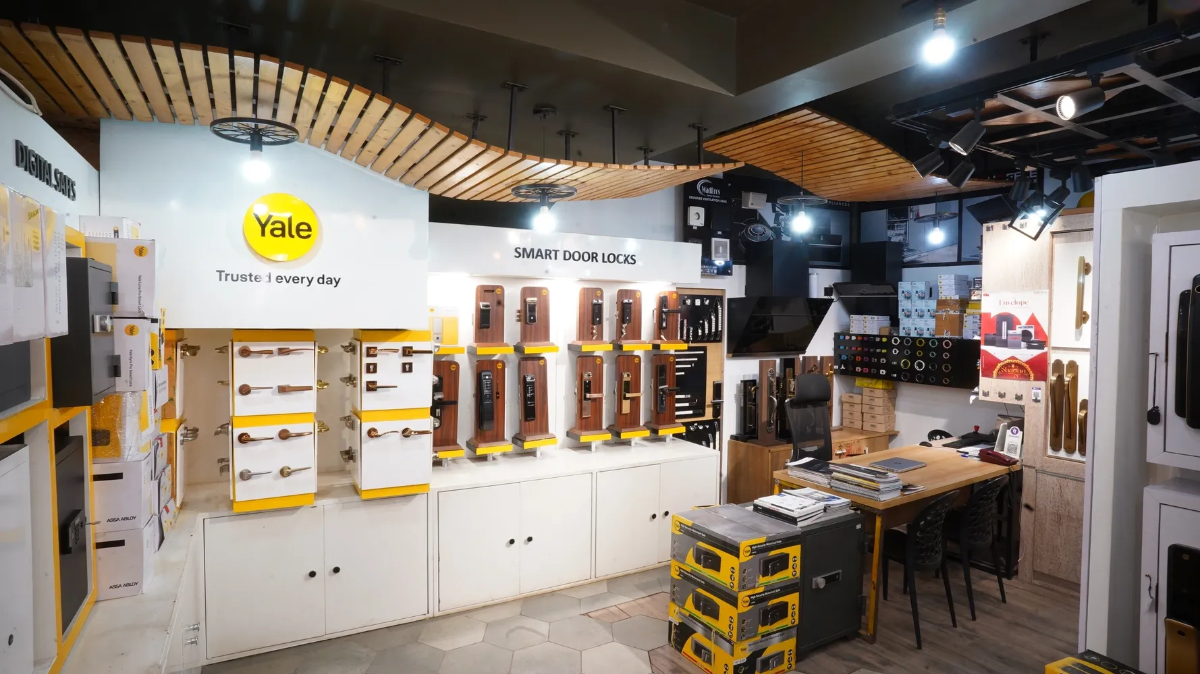
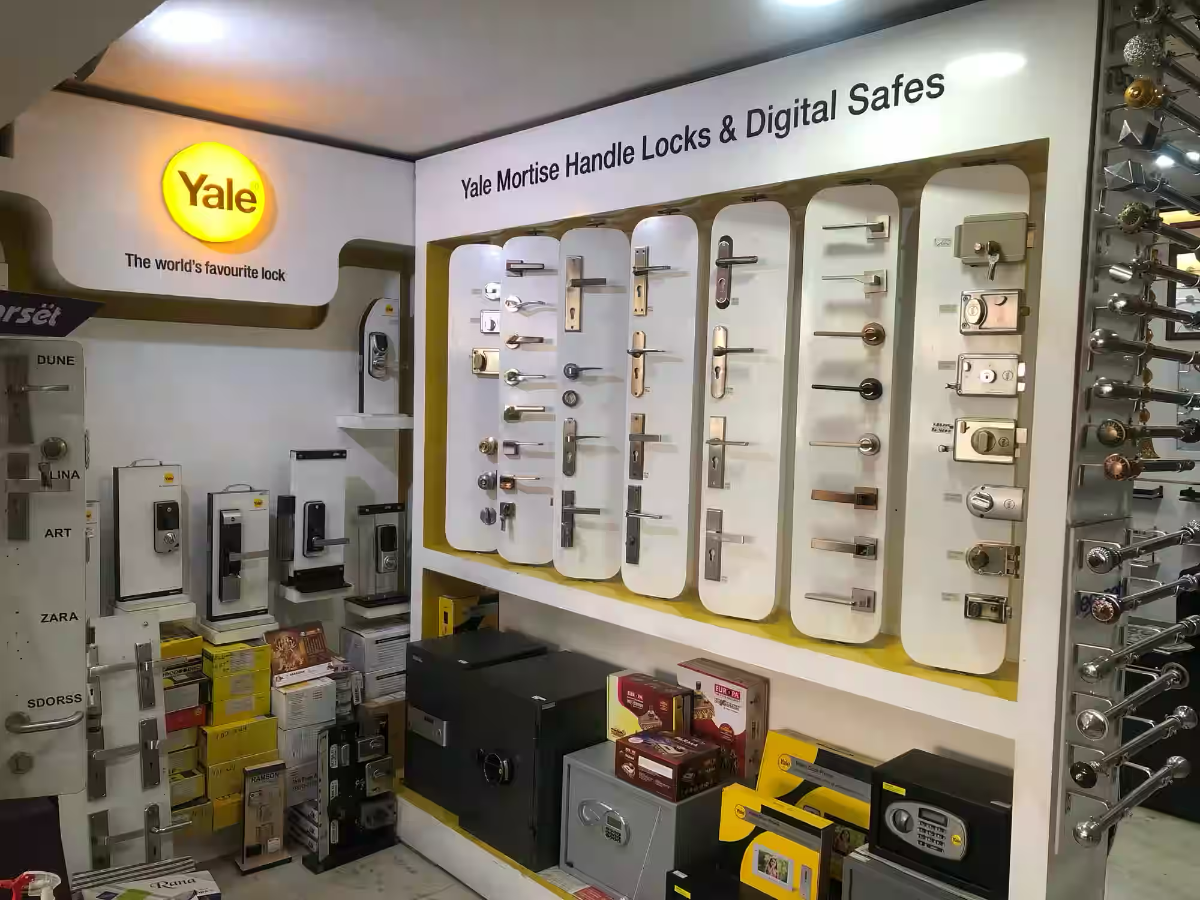
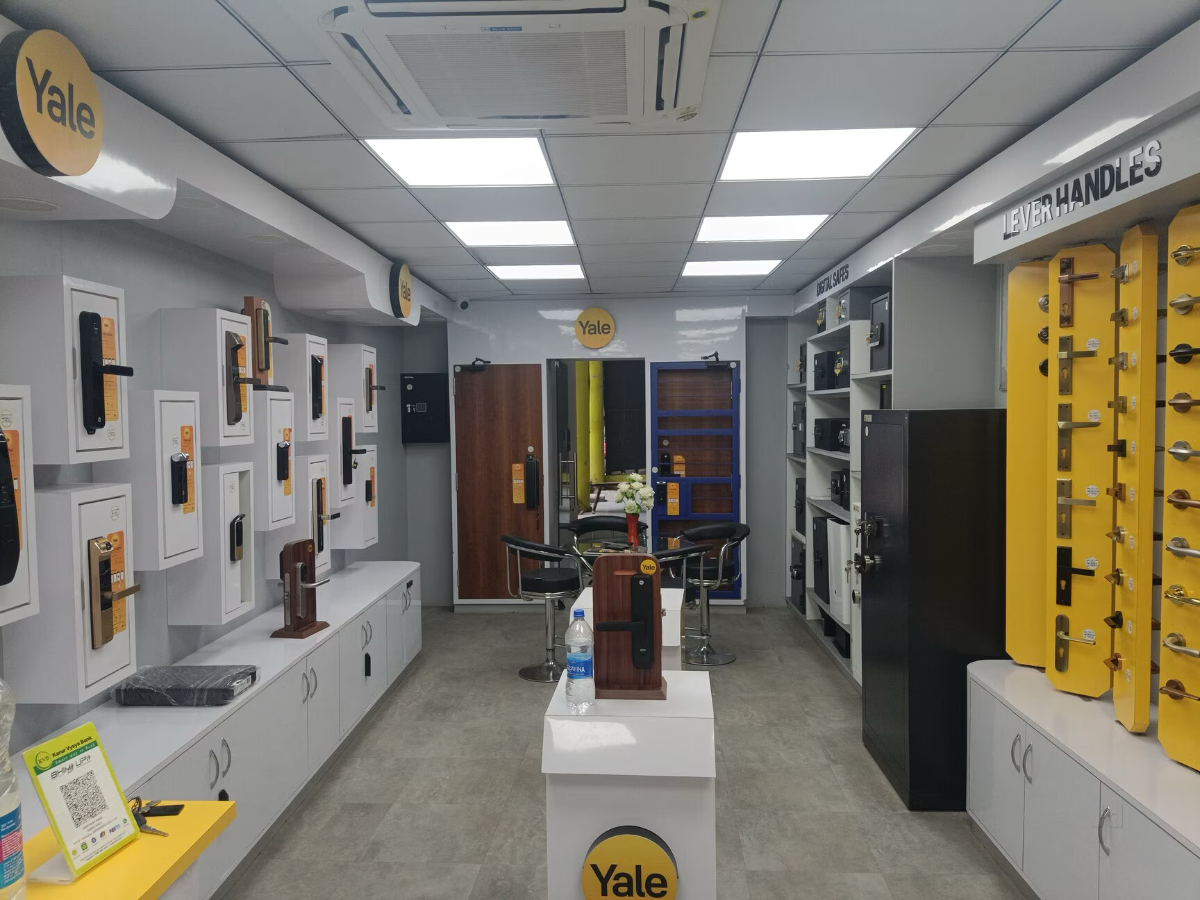
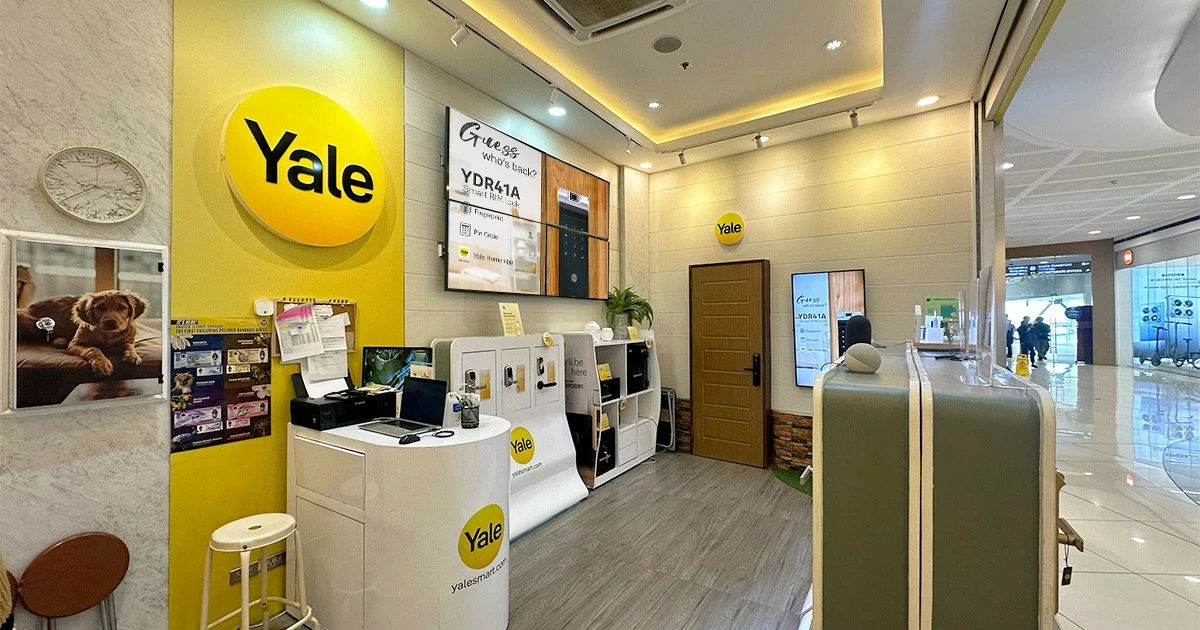
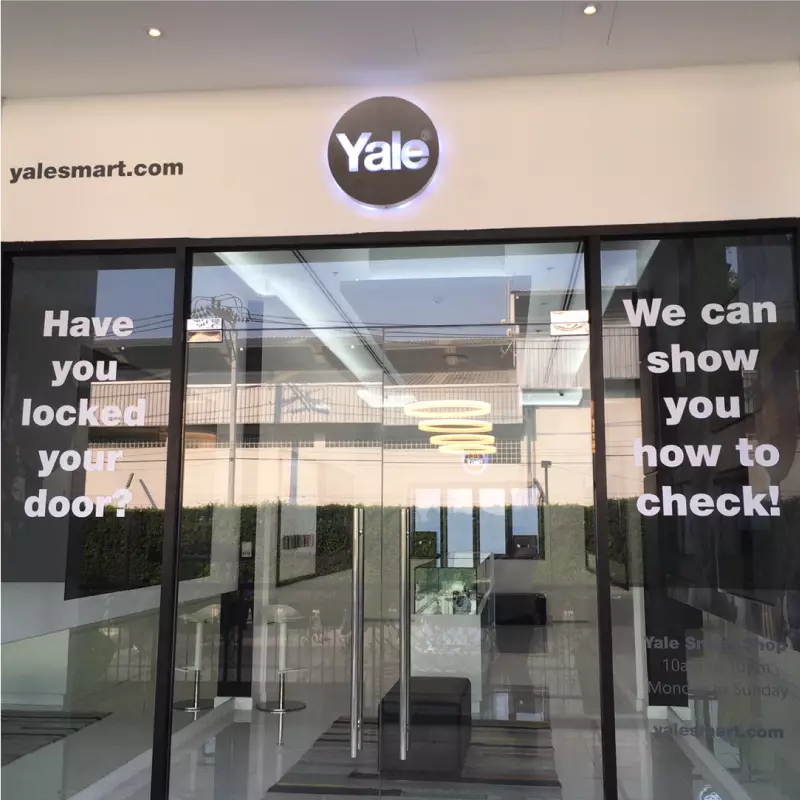
A standard Yale Authorized Dealer showroom requires a minimum of 300 sqft of retail space. A larger city-exclusive dealer format, positioned for higher-volume operations and installation services, needs 500 sqft. The space should accommodate product displays (locks, access control systems, CCTV cameras) and support B2B customer meetings with builders and architects.
What are Yale's different franchise formats?
Yale offers three franchise formats: (1) Standard Authorized Dealer—₹15 lakh capex, 300 sqft, non-exclusive territory, 12–25% margin; (2) Distributor—₹20 lakh capex, regional exclusivity, you supply retail dealers; (3) City-Exclusive Dealer—₹30 lakh capex, 500 sqft, city-level exclusivity, 20–30% margin. Each format suits different operator scales and capital availability.
What is the training period for a Yale franchise?
Yale provides 5 days of training for all franchise formats. This covers product knowledge (locks, access control, CCTV systems), sales processes, customer handling, and installation best practices. Training is designed to position you as a credible security advisor to builders, developers, and retail customers.
How many Yale stores are currently operating in India?
Yale operates through approximately 2,000 authorized dealer and distributor outlets across India. This extensive network reflects the brand's strategy to embed security hardware distribution across urban and semi-urban markets, leveraging its 180+ year heritage in locks and access control.
What is the gross margin range for a Yale franchise?
Gross margin for Yale franchisees ranges from 12–25% on retail sales, depending on format. Standard Authorized Dealers operate in the 12–25% band; city-exclusive dealers can achieve 20–30% margins due to territorial exclusivity and higher B2B volume. Margin is the only revenue stream—there is no royalty or marketing fund.
Is a Yale franchise suitable for part-time or absentee ownership?
Yale franchises require moderate to high owner involvement depending on format. Standard Authorized Dealers need moderate hands-on management (inventory, customer relations, retail operations). City-exclusive dealers demand higher involvement due to territorial responsibility and B2B relationship management with builders and architects. This is not a passive investment model.
How do Yale franchise territories work?
Yale offers three territory models: non-exclusive (Standard Dealer), district/regional exclusive (Distributor), and city-exclusive (City Dealer). Non-exclusive territories allow multiple dealers in the same area; exclusive formats restrict distribution to protect your market. Territory type affects both your capital requirement and gross margin potential.
What products does a Yale franchisee sell?
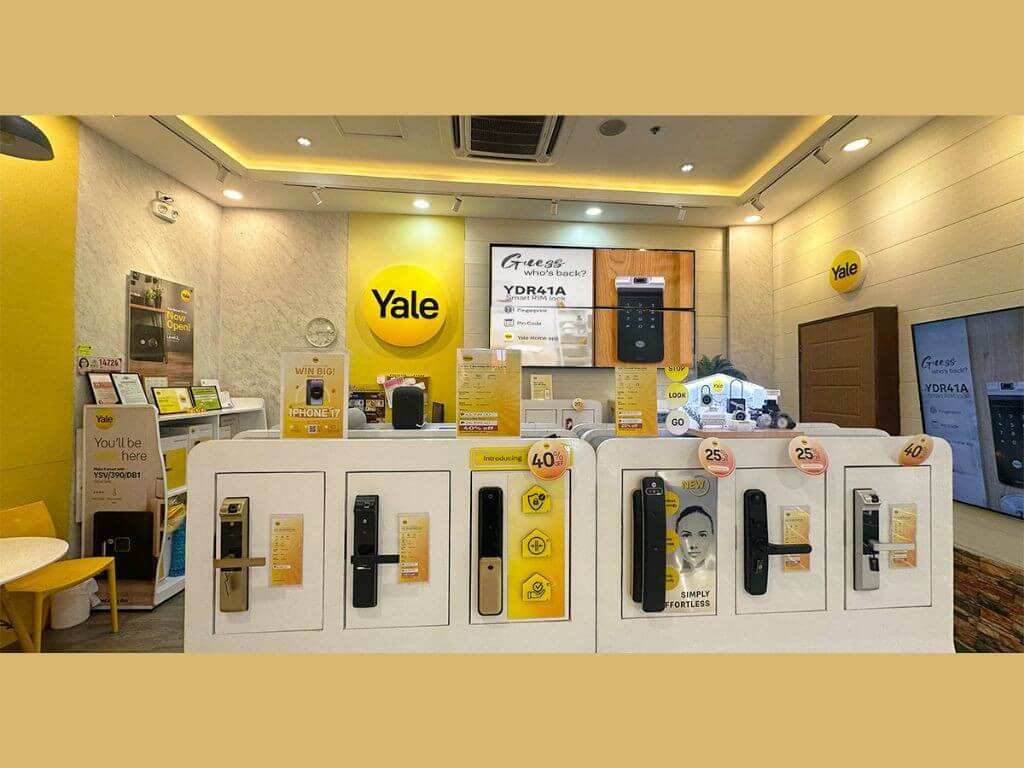
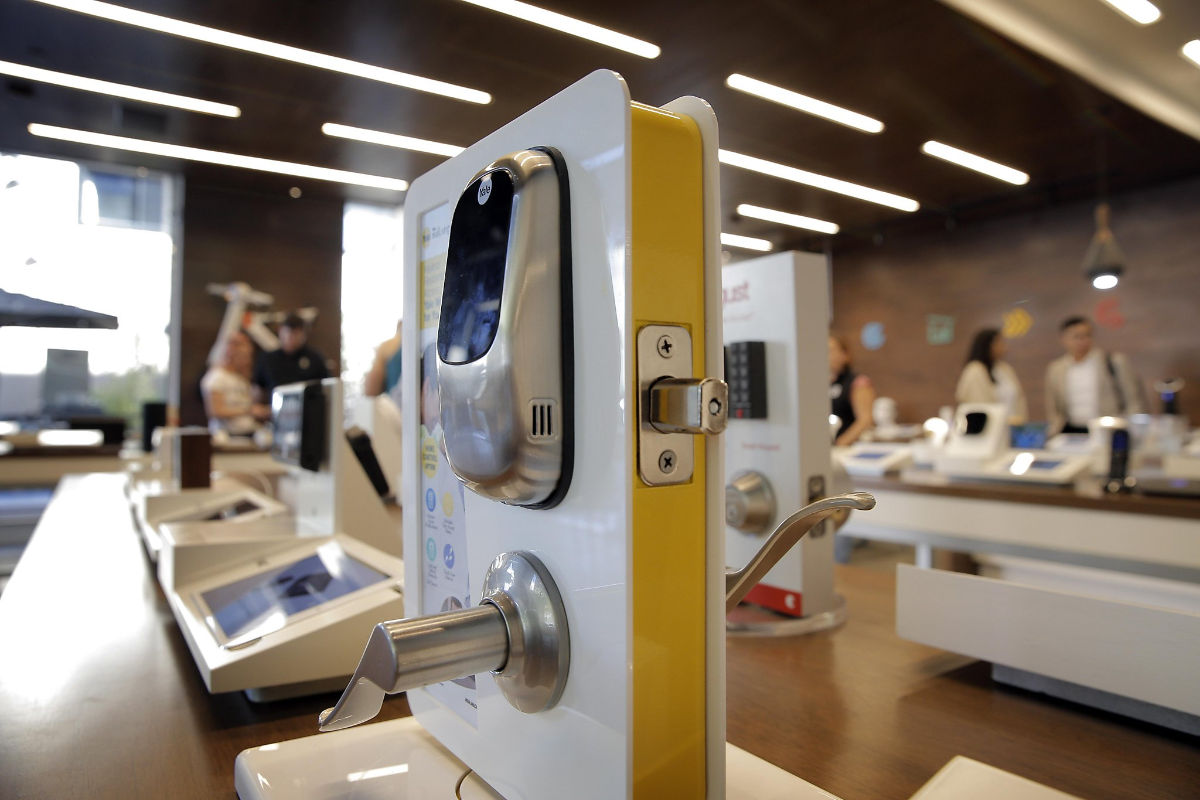
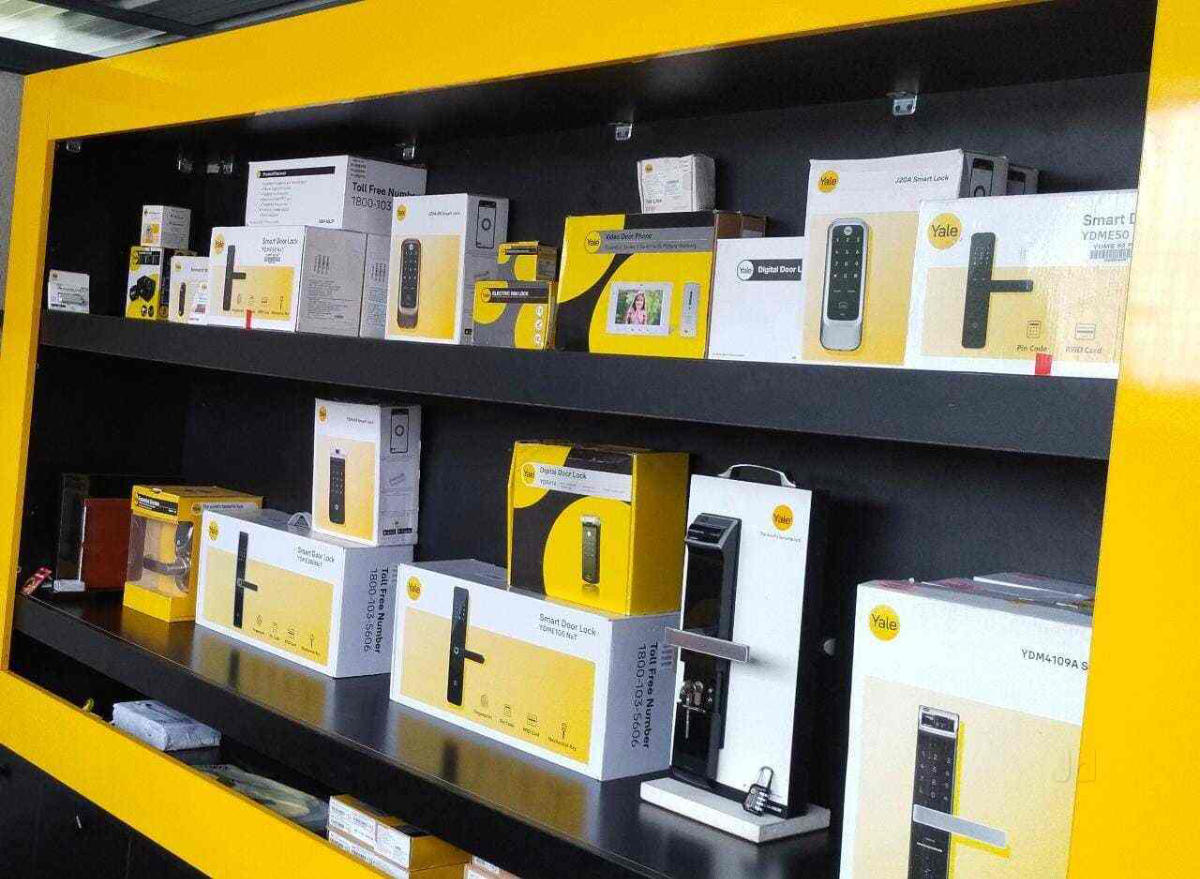
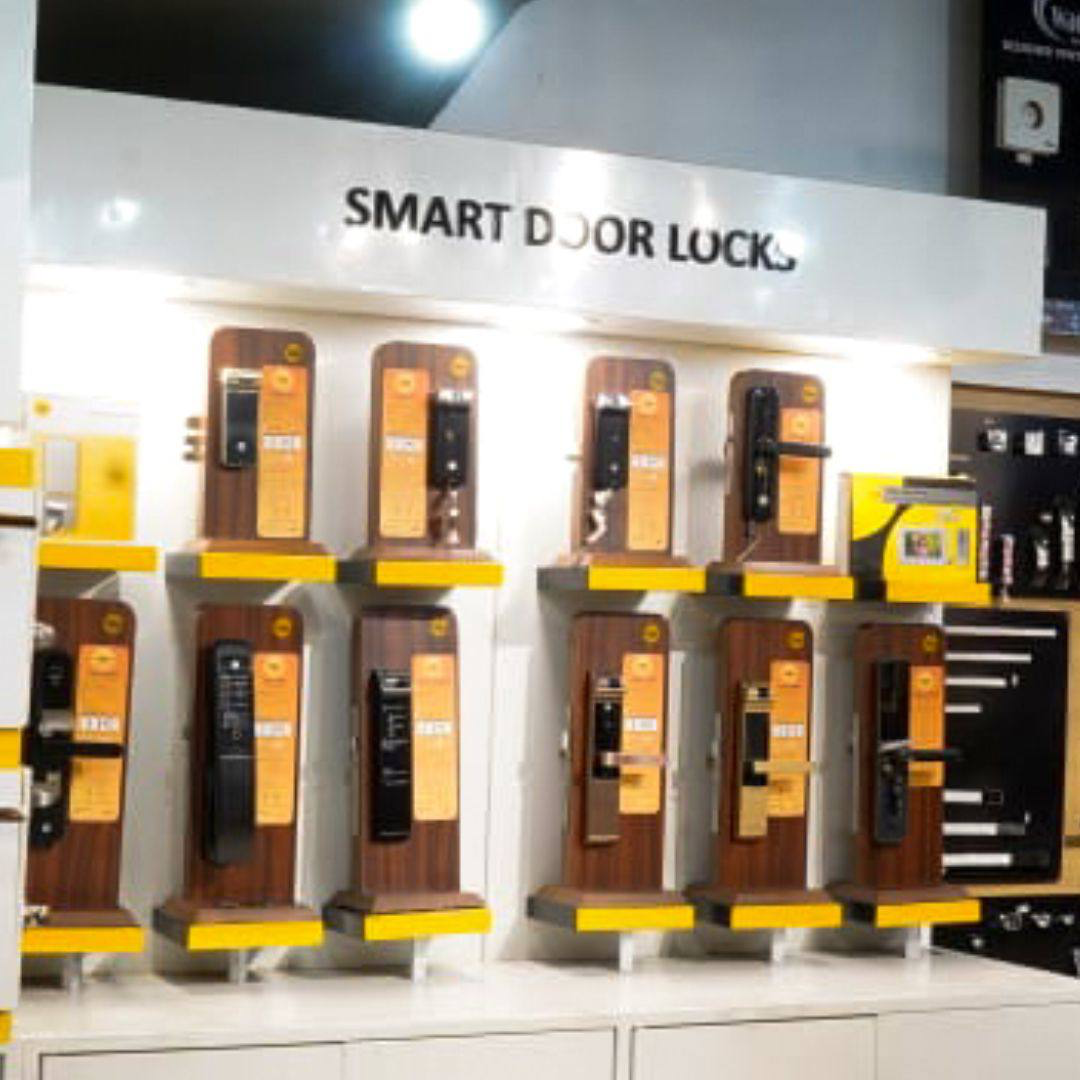
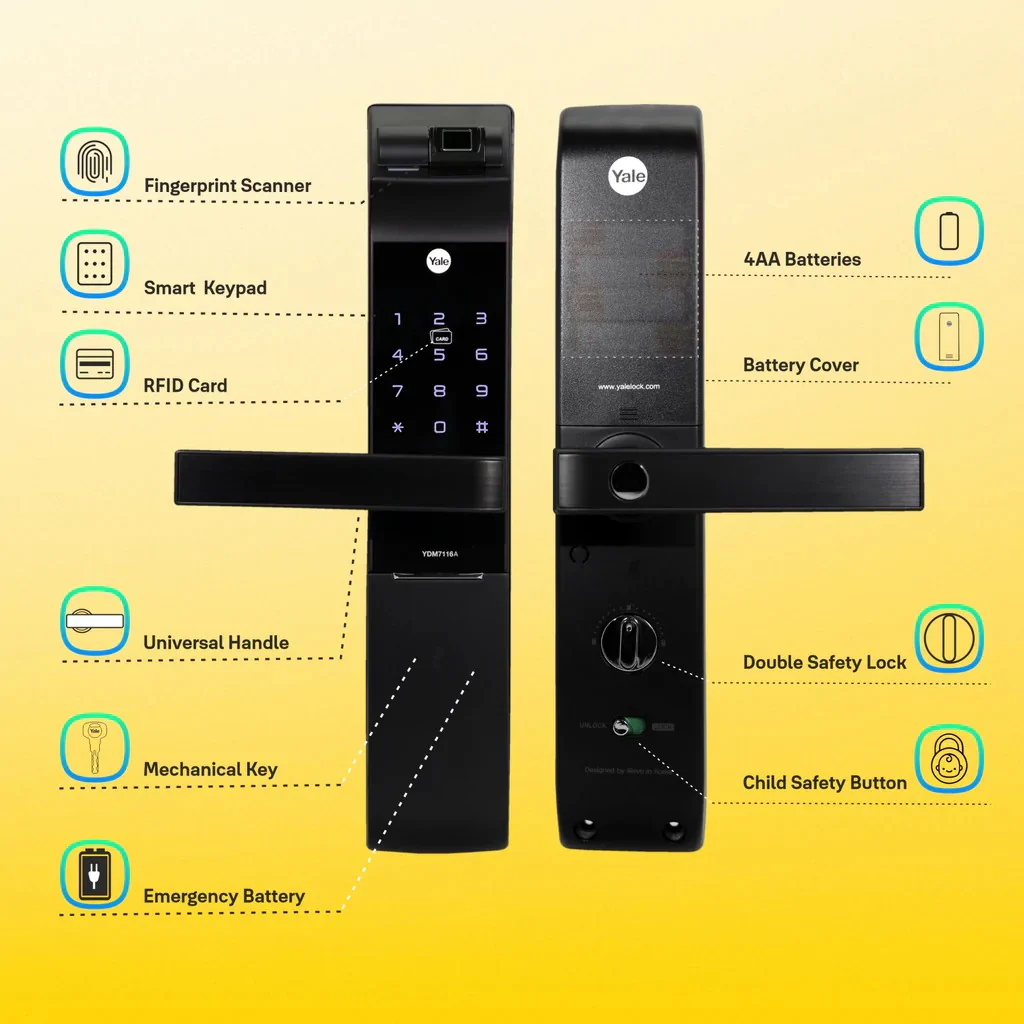
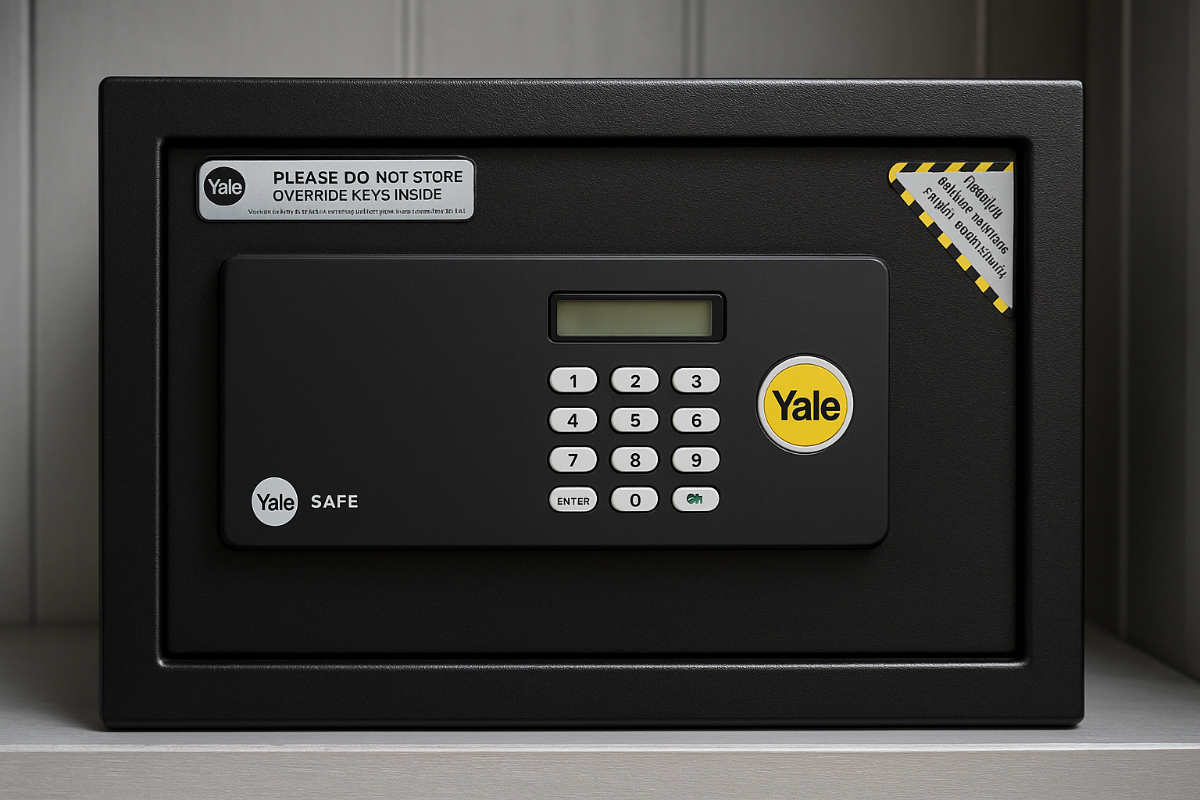
Yale franchisees sell a range of security and access control products: mechanical and digital locks, access control systems, CCTV cameras, surveillance equipment, and related hardware. The product mix is designed for both residential (housing projects) and commercial (offices, retail) customers. Installation and after-sales service are secondary revenue opportunities depending on operator capability.
Is Yale a licensed dealer model or true franchise?
Yale operates through an Authorized Dealer and Distributor model, not a traditional franchise. You become an authorized retailer of Yale products, earning wholesale-to-retail margin. There is no franchise agreement in the classic sense; instead, you hold dealer authorization with territory rights that expire every 3–5 years, requiring renewal based on performance and compliance.
What type of customer does a Yale franchisee typically serve?
Yale franchisees serve multiple customer segments: residential (homebuyers, housing societies), commercial (offices, retail chains), institutional (banks, government buildings), and builders/architects buying in bulk for projects. B2B sales to developers and builders typically form the bulk of revenue due to the security-sensitive nature of construction projects and regulatory compliance requirements.