How do Zudio franchisees make money?
Zudio franchisees earn by retailing apparel, footwear, and fashion accessories sourced at wholesale cost from the parent company and selling them at retail prices. Gross margin ranges from 15–38% depending on product category and sales velocity. Franchisees retain this margin after covering store operating costs (rent, staff, utilities, insurance) and inventory obsolescence. There are no other revenue streams in the franchise contract.
What is the Zudio franchise cost?
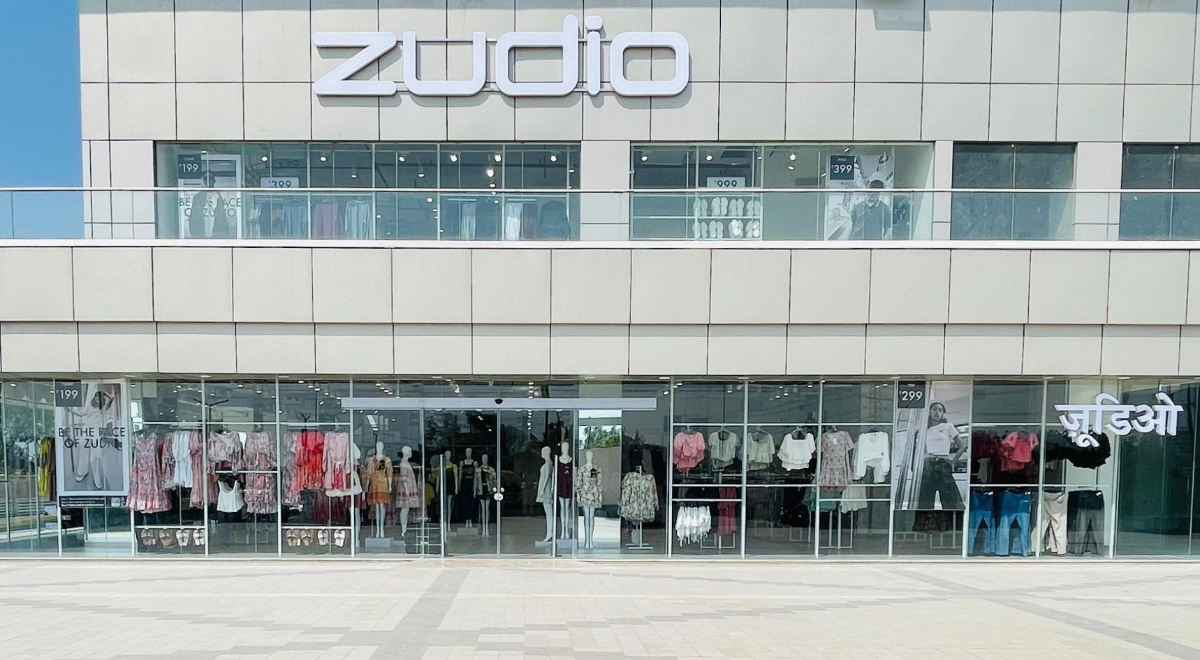
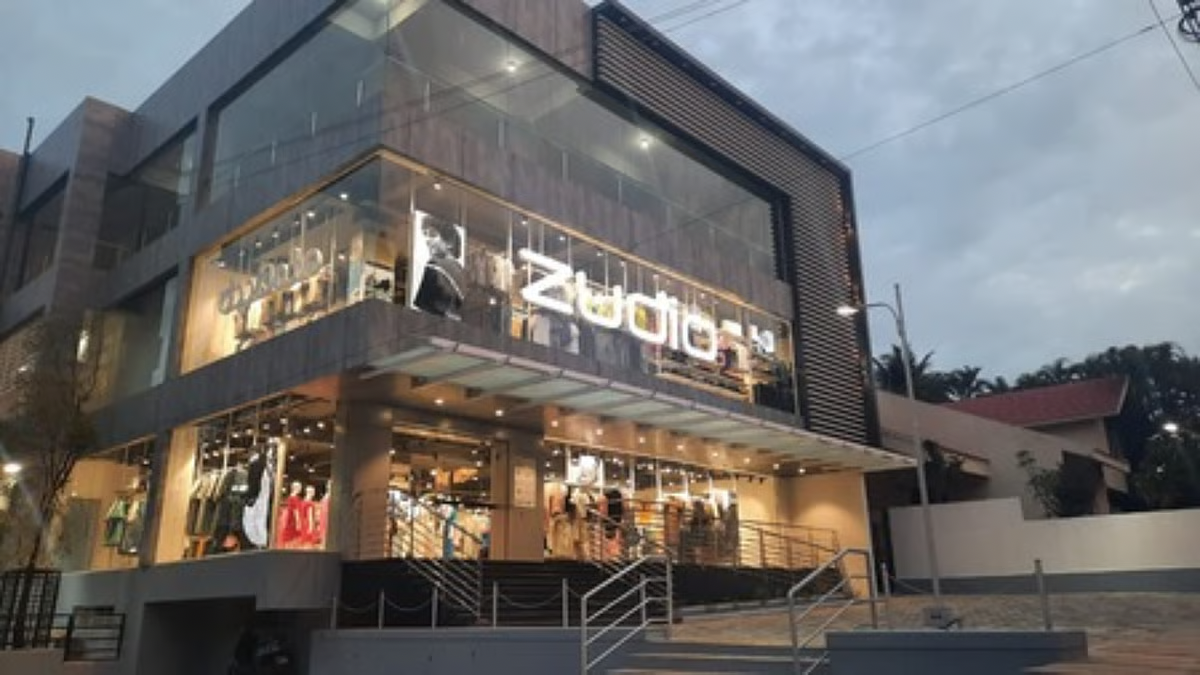
Total investment typically ranges from ₹2 crore to ₹3 crore, comprising: franchise fee ₹10 lakh, security deposit ₹30 lakh, store setup and interiors ₹1 crore, and initial inventory ₹50 lakh. The franchisee operates an 8,000-sq-ft showroom format and pays 10% royalty on sales to the parent company.
What revenue streams does a Zudio franchisee have?
One: apparel, footwear, and fashion accessory retail sales. Franchisees source at wholesale cost from the parent and sell at retail. No tailoring, services, or other ancillary revenues are part of the contract.
Is Zudio franchise revenue seasonal or steady?
Value fashion retail in India is moderately seasonal, with peaks during festivals (Diwali, year-end), back-to-school, and wedding seasons. Off-season months see softer demand. Weather also influences apparel sales. While Zudio's price-conscious customer base is less discretionary-spending-sensitive than premium fashion, franchisees should expect quarterly variation in revenue and inventory turnover.
Is Zudio a Tata Group franchise?
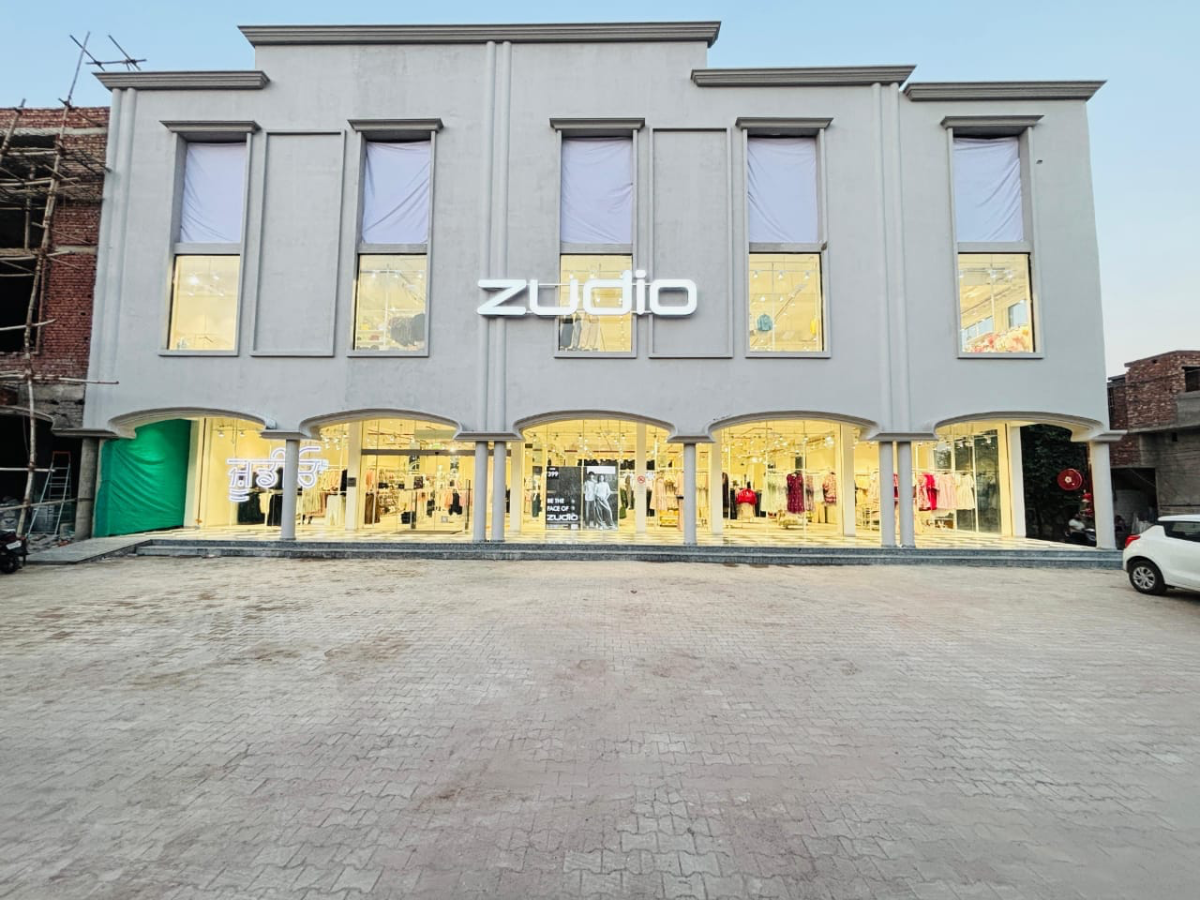
Yes, Zudio is owned and operated by Tata Group, one of India's largest conglomerates. Launched in 2016, Zudio functions as a value-fashion franchise under the Tata umbrella, with operations managed through Trent Ltd (Tata's retail arm). This parent-company backing ensures centralized supply chain management, consistent brand standards across 765 stores, and operational oversight through the FOCO model. Franchisees benefit from Tata's scale, procurement power, and retail expertise.
What is the working capital requirement for a Zudio franchise?
Working capital requirements depend on the format. The Showroom format (8,000+ sq ft) requires ₹1 crore, while the Exclusive Store format (6,000 sq ft) requires ₹50 lakh. Working capital covers initial inventory stocking, operational float for rent and staff payroll, and buffer for seasonal demand variation. This is separate from the ₹2 crore capex and ₹10 lakh franchise fee. Adequate working capital is critical because inventory obsolescence and seasonal markdown losses directly erode margins.
How many years is a Zudio franchise agreement valid for?
A Zudio franchise agreement is valid for 7 years and is renewable by mutual agreement with the parent company. Upon expiry, both parties can negotiate renewal terms, which may include updated fees, royalty rates, or operational requirements. Renewal is not automatic; the parent company evaluates franchisee performance, brand compliance, and market conditions before renewing. Franchisees should clarify renewal procedures and potential cost escalation in the initial agreement to understand long-term investment sustainability.
What territory rights does a Zudio franchisee receive?
Zudio grants exclusive territory rights at the city or locality level, depending on the format. The Showroom format typically receives city-level exclusivity, while the Exclusive Store format receives locality or neighborhood exclusivity. This exclusivity means no other Zudio outlet can operate within your defined territory during your franchise term. Territory exclusivity protects your customer base but also limits your expansion within that zone, making location selection critical before committing the ₹2–3 crore investment.
Does Zudio provide inventory to franchisees, or do franchisees source independently?
Zudio franchisees do not source inventory independently. All stock is supplied by the parent company through Trent Ltd's centralized distribution network at parent-determined wholesale costs. Franchisees cannot select alternate suppliers or negotiate wholesale prices. This centralized supply ensures brand consistency and pricing uniformity across 765 stores but eliminates franchisee control over sourcing decisions. Franchisees are responsible for managing unsold inventory, markdowns, and obsolescence—a critical cost factor that directly impacts realized gross margin.
What is the difference between Zudio's Showroom and Exclusive Store formats?
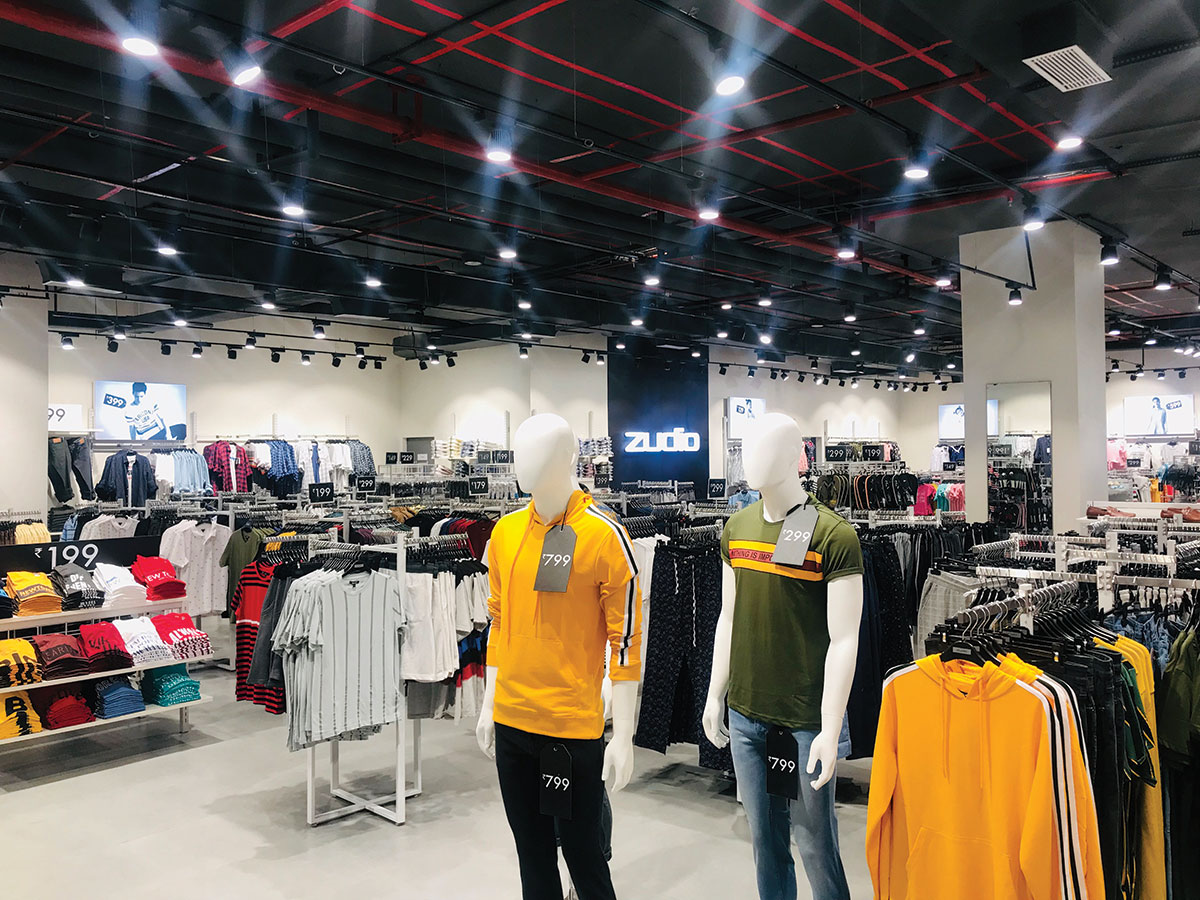
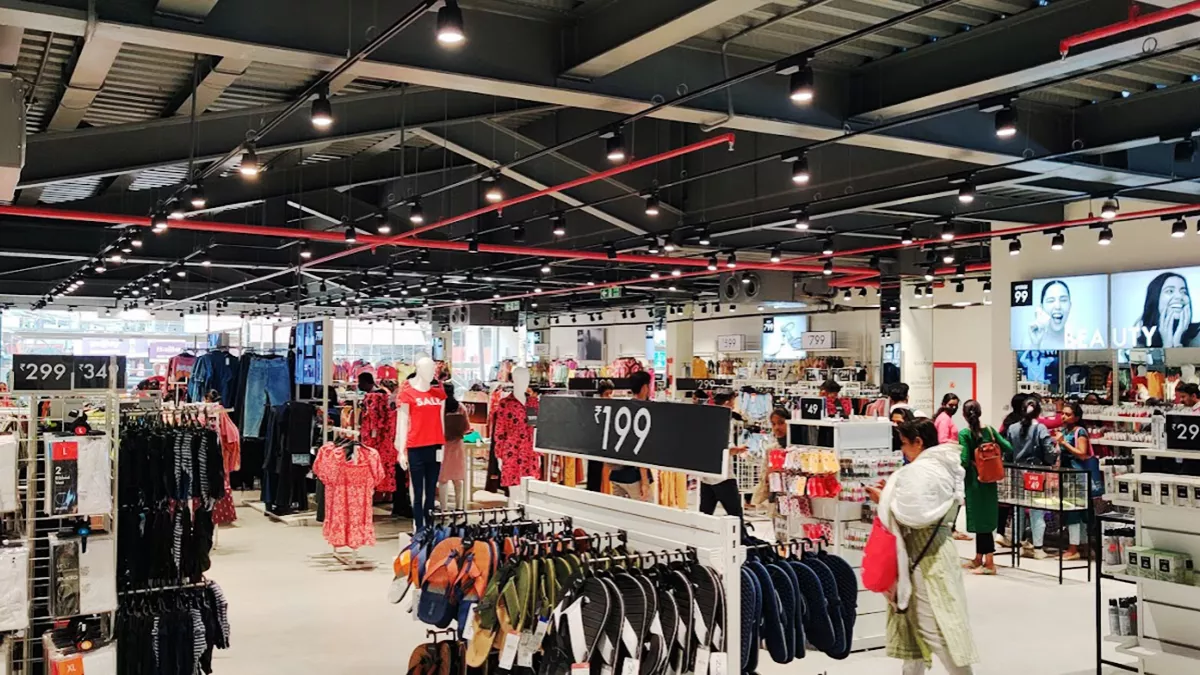
The Showroom format requires 8,000+ sq ft and ₹1 crore working capital, while the Exclusive Store format requires 6,000 sq ft and ₹50 lakh working capital. Both operate under the same FOCO model with 10% royalty and 7-year terms. The Showroom format suits high-traffic malls with larger customer volumes and deeper inventory depth, while the Exclusive Store format works in secondary locations or tier-2 cities with lower footfall. Gross margins range from 15–38% in both formats, but larger showrooms typically achieve higher margin realization due to inventory velocity.
How does Zudio's ₹999 price ceiling impact franchisee profitability?
Zudio's ₹999 price ceiling is enforced uniformly across all 765 stores by Tata Group and functions as a product-discipline strategy, not a discount model. This fixed pricing prevents margin erosion from competitive discounting but also eliminates franchisee flexibility to adjust prices for local demand, competition, or seasonality. Combined with the 10% royalty on gross sales, the price ceiling makes location footfall density critical—thin-traffic areas see the 10% royalty absorb significant margin, making profitability dependent on high inventory turnover.
What type of staff does a Zudio franchisee need to hire?
While the dossier does not specify exact staff counts, Zudio's FOCO model means the parent company provides operational guidance and training for store staff. Franchisees lease the asset and provide capital, while the parent company manages day-to-day staffing decisions, visual merchandising, and customer service protocols. Franchisees remain responsible for covering staff salaries as part of operating costs. An 8,000-sq-ft showroom typically requires a full-time sales team, but exact headcount and payroll are not fixed by the franchise agreement.
Can a Zudio franchisee run multiple outlets in different cities?
Yes, a Zudio franchisee can operate multiple outlets, but each location requires separate franchise agreements with its own territory rights (city or locality exclusive), ₹10 lakh franchise fee, and ₹2–3 crore capex investment. The FOCO model allows passive portfolio expansion, but franchisees must have sufficient capital to fund each location independently. Parent-company approval and available territory are prerequisites. Multiple outlets increase operational complexity (rent management, parent-company coordination) but allow geographic diversification within the Zudio network.
What support does Zudio provide after the store opens?
Post-launch, Zudio's parent company provides ongoing operational support as part of the FOCO model: visual merchandising standards, inventory replenishment schedules, staff training guidelines, and brand compliance monitoring. The parent company manages day-to-day operations, so franchisees receive regular operational oversight and performance feedback. However, Zudio does not charge a separate marketing fund—brand-level marketing is handled centrally and not funded by individual franchisees. Franchisees monitor financial performance and work with the parent company on inventory optimization.
Is the ₹2 crore capex for a Zudio franchise refundable if the franchisee exits?
No, the ₹2 crore capex investment is not refundable. This capital covers store design, fit-out, fixtures, and initial inventory—all assets that remain tied to the Zudio location. If a franchisee exits before the 7-year term, the investment is forfeited unless the parent company approves a franchisee transfer or lease takeover. This non-refundable structure makes location selection, market validation, and working capital planning critical before signing the franchise agreement. Franchisees should conduct thorough due diligence on local demographics and competition before committing.
How does Zudio's value-fashion positioning differ from other apparel franchises in the 15–38% margin range?
Zudio's differentiation lies in treating the ₹999 price ceiling as structural product discipline, not a discount strategy. While other value-fashion retailers often discount down to compete, Zudio maintains fixed pricing enforced across all 765 stores by Tata Group, preventing margin erosion. This centralized control ensures consistency but removes franchisee pricing flexibility. Competitors may offer higher franchisee autonomy over pricing and sourcing; Zudio trades autonomy for operational consistency and Tata Group's procurement advantages. The tradeoff suits passive investors but limits active retail operators.