



Sagar RatnaFranchise Cost in India 2026
Sagar Ratna franchise cost in India (2026): ₹20L investment · ₹5L franchise fee · 5% royalty — verified from primary sources · data as of Oct 2026
Core Investment
Due Diligence & Legal
Operations & Training
Investor Pro Tools
How Sagar Ratna franchisees make money
Sagar Ratna franchisees earn revenue primarily from food and beverage sales across their outlet—South Indian specialties, vegetarian dishes, and beverages served in a food court format. The franchise operates on a 5% royalty model with a gross margin range of 50-60% reported in canonical terms, though independent sources cite 20-30% net margins after all costs. Revenue is generated solely from in-outlet dining and related F&B sales; this is a single-unit QSR franchise with no ancillary services or product lines built into the franchisee contract.
How steady is the revenue?
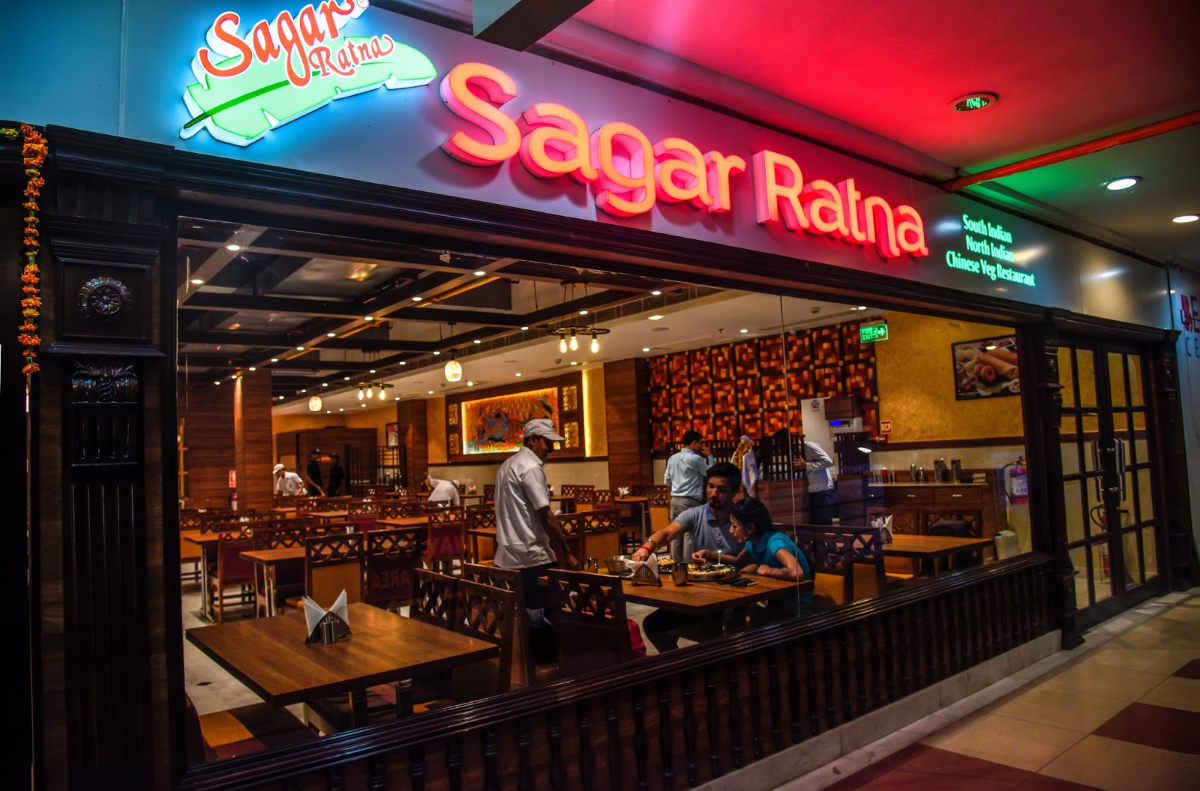
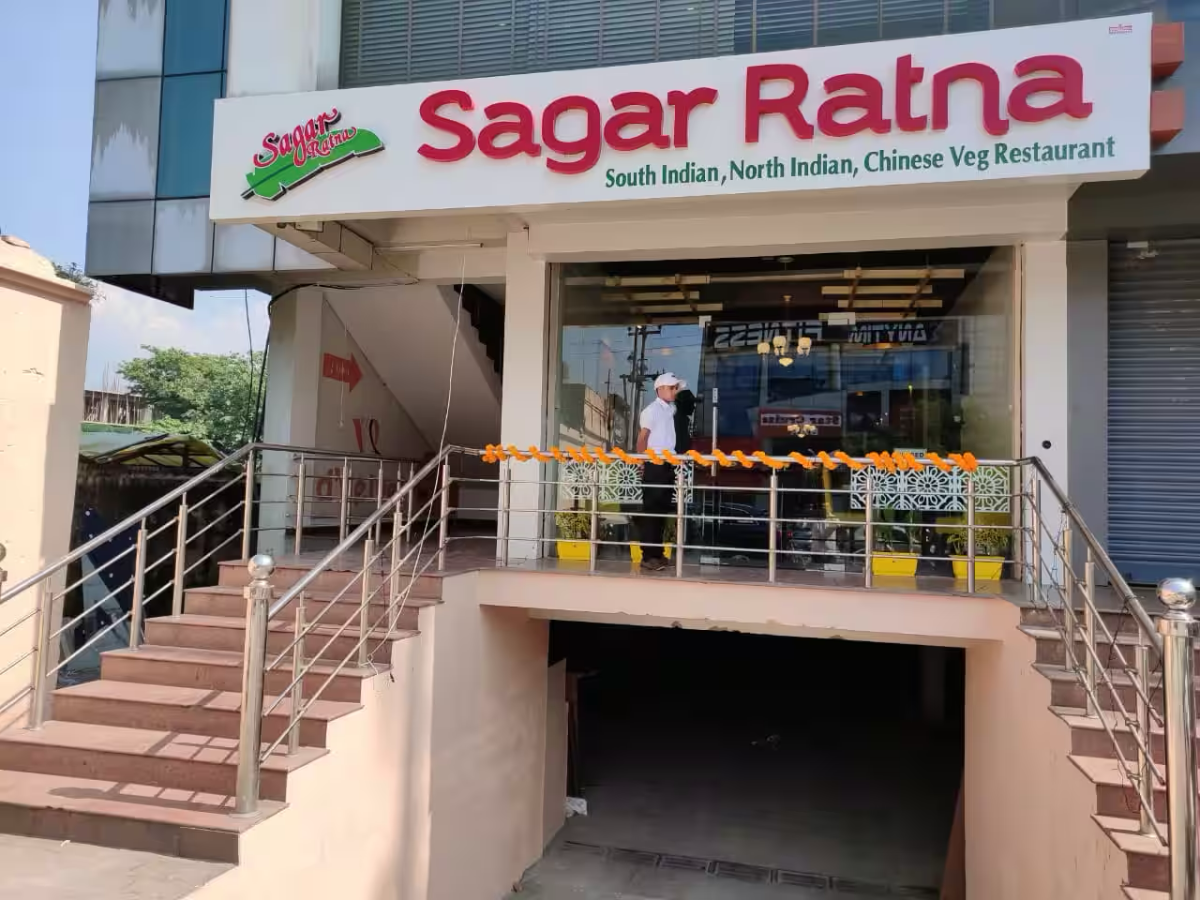
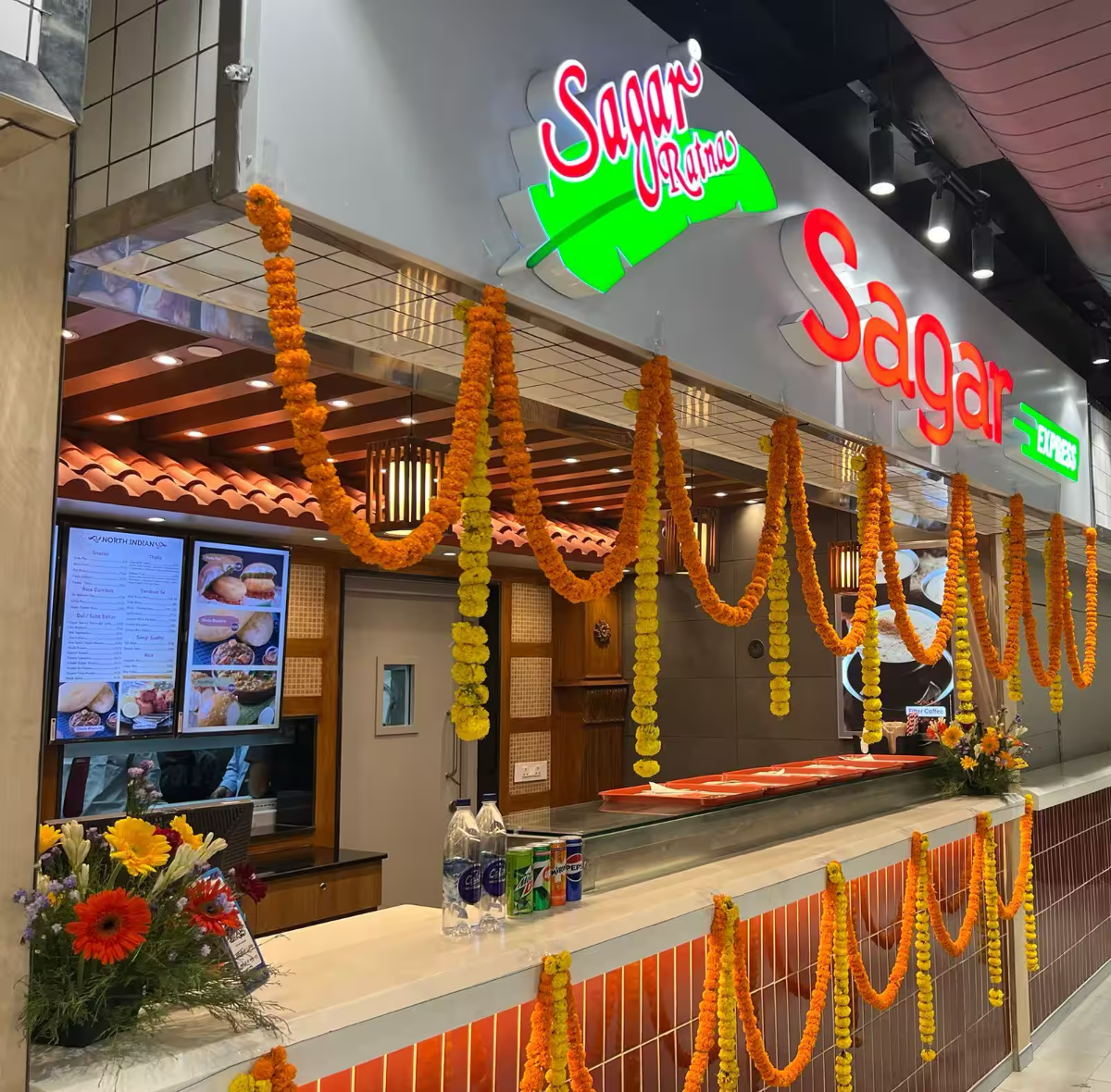
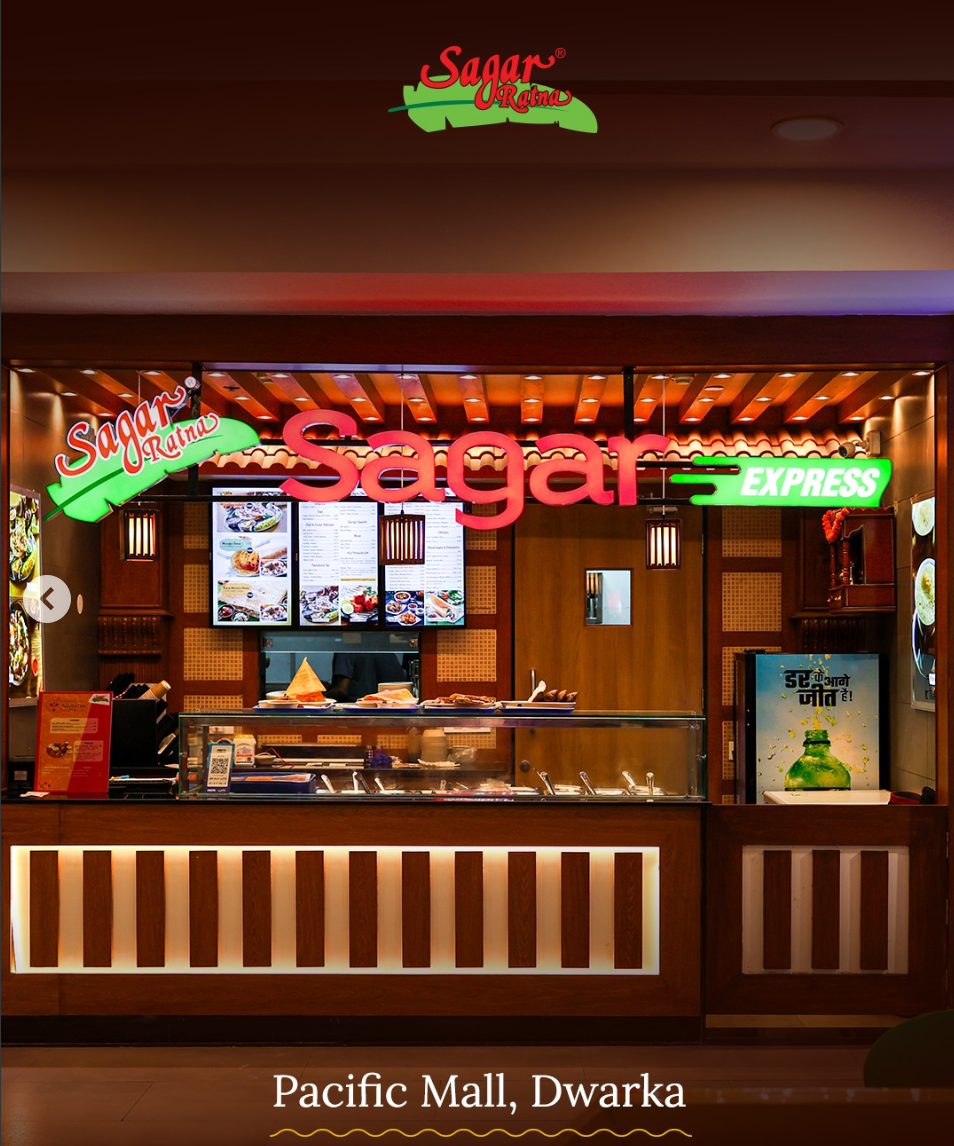
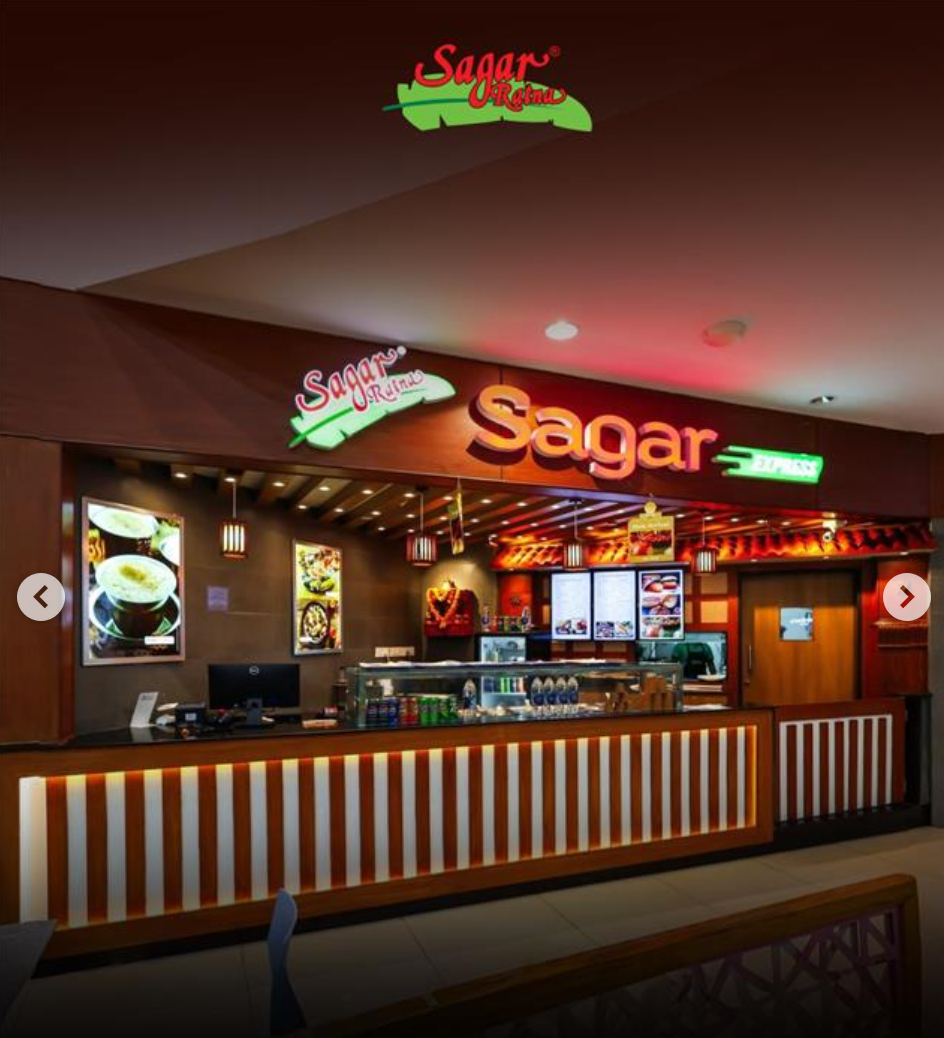
South Indian vegetarian food demand in urban India remains relatively stable year-round, with modest seasonal peaks around festivals and travel seasons. Food court formats in malls (Sagar Ratna's primary deployment model per brand-verified locations in World Mark, Elegante Mall, and NCS Square mall) see consistent footfall tied to mall traffic and office/commercial district density. Revenue is tied to location quality and local competition; outlet performance is not tied to broad category seasonality the way quick-service or delivery-dependent formats can be.
Growth signals for Sagar Ratna
Sagar Ratna operates 125 outlets across India as of the latest count, with presence in metro malls (Delhi, Assam) and food court partnerships. Founded in 1986, the brand has maintained a steady footprint in the South Indian vegetarian segment. India's organized QSR and food court segments continue to expand in Tier-1 and Tier-2 cities; Sagar Ratna's mall-centric model positions it within this growing infrastructure, though absolute outlet growth rate is not publicly disclosed.
Operating Locations
Market position · dine-in QSR cohort
Sagar Ratna runs a focused network whose observed customer response holds above the cohort's broadest players.
Mapped against 6 verified peers sharing its industry and store format — network breadth across, observed customer response up. Qualitative bands, relative to this cohort. Tags show how each network is run.
 Sagar Ratnafranchise-owned
 U.S.Pizzafranchise-owned
 Wow! Momofranchise-owned
 Subwayfranchise-owned
 La Pino'z Pizzafranchise-owned
 Bikanervalafranchise-owned
 Burger Singhfranchise-owned
| Brand | Breadth | Response |
|---|---|---|
| Sagar Ratnafranchise-owned |
Focused | Stronger |
| Subwayfranchise-owned |
Broad | Softer |
| La Pino'z Pizzafranchise-owned |
Broad | Middle |
| Bikanervalafranchise-owned |
Growing breadth | Stronger |
+ 3 more peers in the full cohort · all shown on the map above
How this is built. Positions come from source-verified records in the FRANticc dataset — India's provenance-first franchise data platform. Every figure is traceable to a named source, tiered S1 (brand-official) to S7 (estimated, labelled as such). Network positions use only store counts with a documented source; customer response is the review-count-weighted average of documented Google review samples across Indian states. Brands whose network totals conflict across sources are excluded from the map rather than plotted — FRANticc fails closed on bad data. Not an investment recommendation.
Is actually the right fit for you?
BrandFit asks 6 visual questions about your operator profile, capital, location, and risk appetite — then ranks all 234 brands by predicted success-fit for your specific situation. shows up where it actually fits, not just where it can afford.
Run BrandFit on my situation